Sukanta Kumar Sarangi – författare
Visar alla böcker från författaren Sukanta Kumar Sarangi. Handla med fri frakt och snabb leverans.
7 produkter
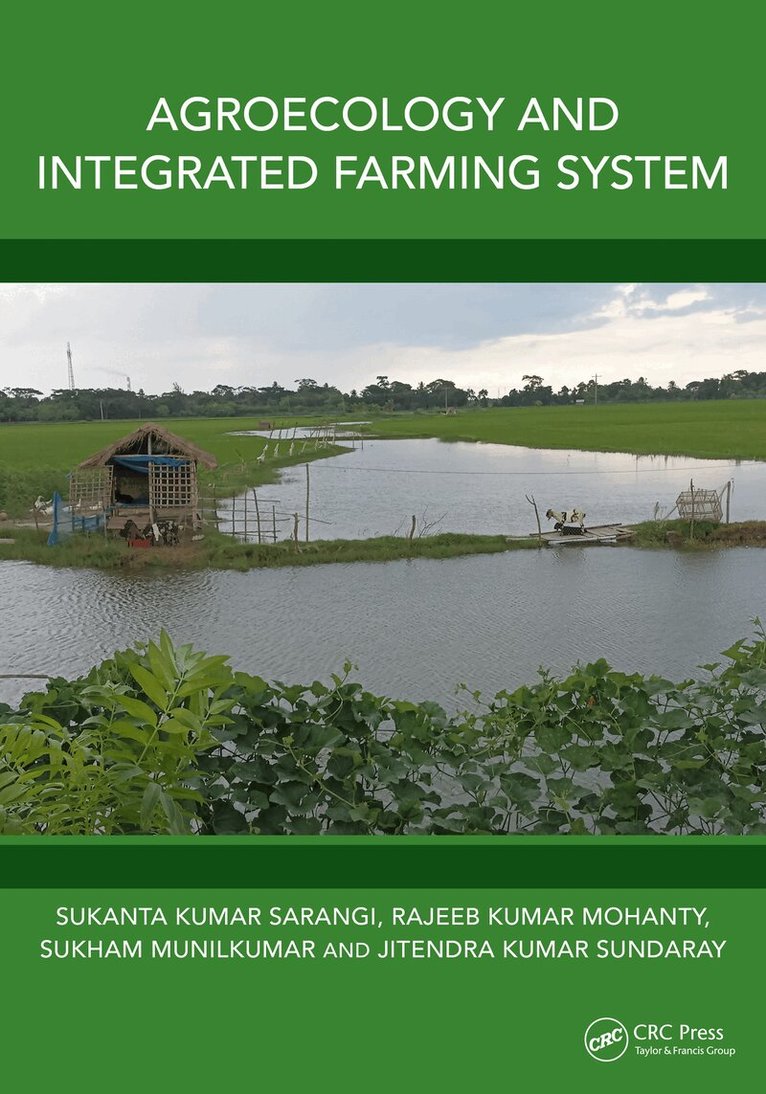
Agroecology and Integrated Farming System
Av Sukanta Kumar Sarangi, Rajeeb Kumar Mohanty m. fl.
Inbunden, 2025
2131 kr
Lägg i varukorg
In most developing countries, agriculture has grown from merely an art to a science, but it does not yet maximize its business potential. In these countries, subsistence farming dominates, and farmers face the increasing impact of climate change and natural disasters. An integrated farming system …
Agroecology and Integrated Farming System
Av Jitendra Kumar Sundaray, Sukham Munilkumar m. fl.
E-bok, 2025
989 kr
Lägg i varukorg
In most developing countries, agriculture has grown from merely an art to a science, but it does not yet maximize its business potential. In these countries, subsistence farming dominates, and farmers face the increasing impact of climate change and natural disasters. An integrated farming system …
Agroecology and Integrated Farming System
Av Jitendra Kumar Sundaray, Sukham Munilkumar m. fl.
E-bok, 2025
1022 kr
Lägg i varukorg
In most developing countries, agriculture has grown from merely an art to a science, but it does not yet maximize its business potential. In these countries, subsistence farming dominates, and farmers face the increasing impact of climate change and natural disasters. An integrated farming system …
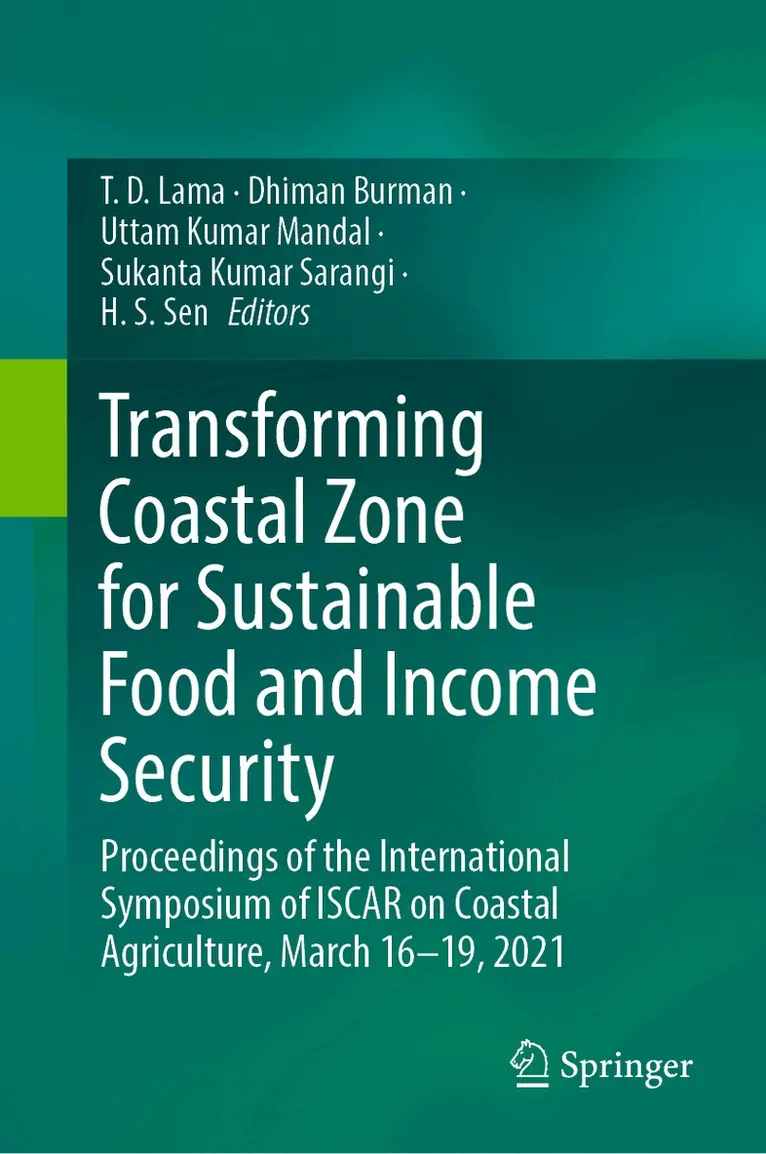
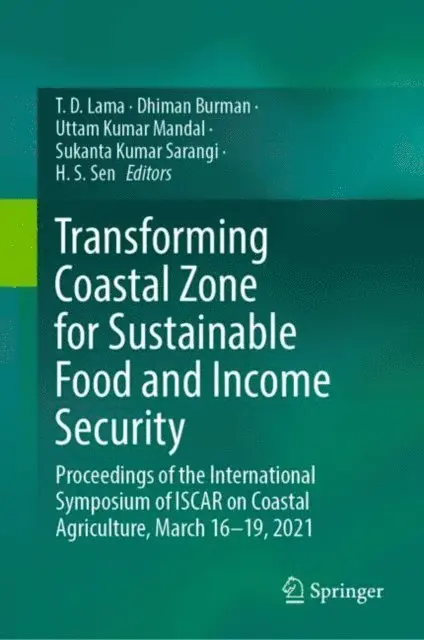
Transforming Coastal Zone for Sustainable Food and Income Security
Proceedings of the International Symposium of ISCAR on Coastal Agriculture, March 16–19, 2021
Av T.D. Lama, Dhiman Burman m. fl.
Inbunden, 2022
3048 kr
Lägg i varukorg
Coastal areas are commonly defined as the interface or transition areas between land and sea, including large inland lakes. Overall, about 50–70 % of the global population live within 100 km of the coastline covering only about 4 % of earth’s land, thereby drawing heavily on coastal and marine …
Transforming Coastal Zone for Sustainable Food and Income Security
Proceedings of the International Symposium of ISCAR on Coastal Agriculture, March 16–19, 2021
Av H.S. Sen, Sukanta Kumar Sarangi m. fl.
E-bok, 2022
4066 kr
Lägg i varukorg
Coastal areas are commonly defined as the interface or transition areas between land and sea, including large inland lakes. Overall, about 50–70 % of the global population live within 100 km of the coastline covering only about 4 % of earth’s land, thereby drawing heavily on coastal and marine …
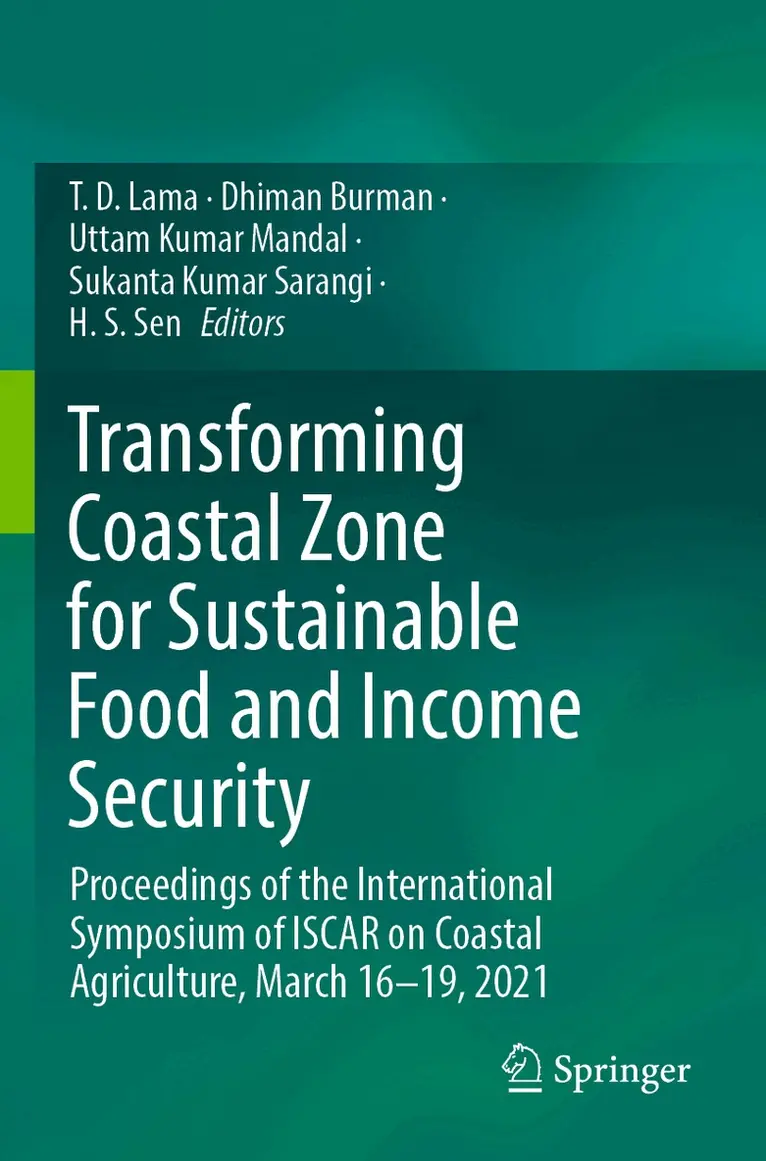
Transforming Coastal Zone for Sustainable Food and Income Security
Proceedings of the International Symposium of ISCAR on Coastal Agriculture, March 16–19, 2021
Av T.D. Lama, Dhiman Burman m. fl.
Häftad, 2023
3048 kr
Lägg i varukorg
Coastal areas are commonly defined as the interface or transition areas between land and sea, including large inland lakes. Overall, about 50–70 % of the global population live within 100 km of the coastline covering only about 4 % of earth’s land, thereby drawing heavily on coastal and marine …
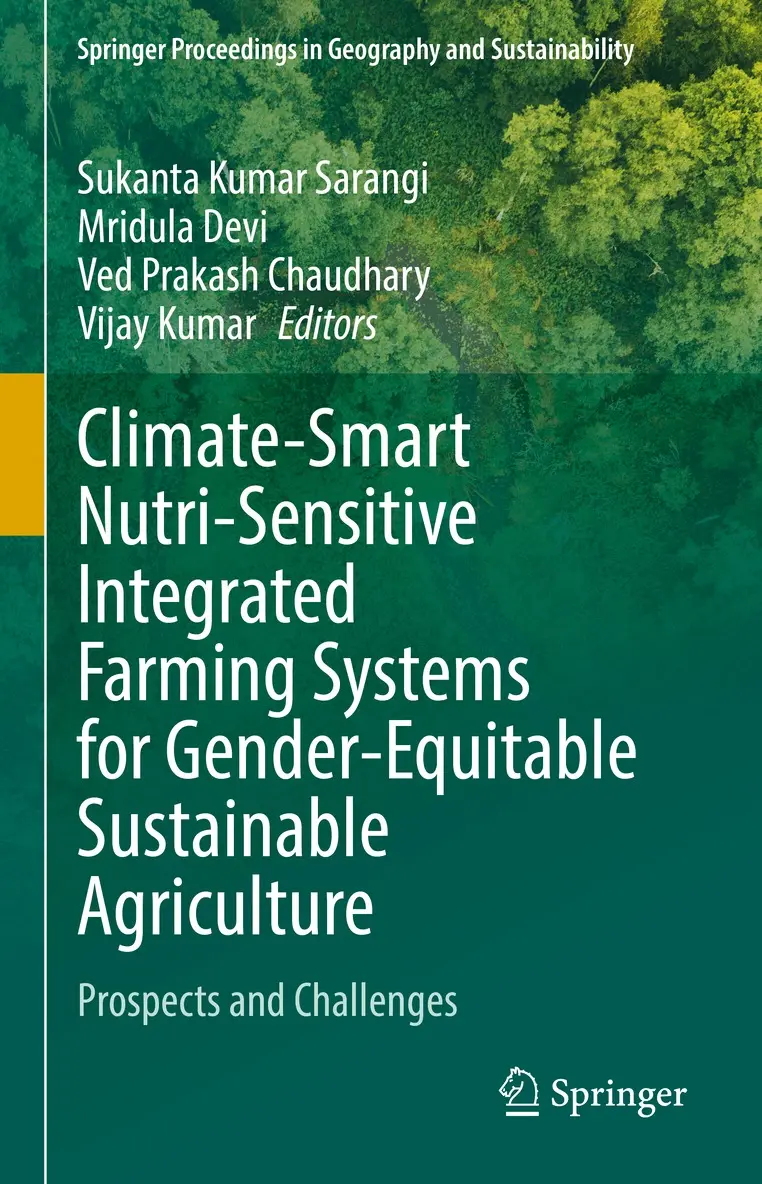
Climate-Smart Nutri-Sensitive Integrated Farming Systems for Gender-Equitable Sustainable Agriculture
Prospects and Challenges
Av Sukanta Kumar Sarangi, Mridula Devi m. fl.
Inbunden, 2027
2757 kr
Kommande
The conference Climate-Smart Nutri-Sensitive Integrated Farming System for Gender-equitable Sustainable Agriculture, jointly organized by Indian Council of Agricultural Research-Central Institute for Women in Agriculture (ICAR-CIWA), Bhubaneswar, India and Pragati International Scientific Research …