Jitendra Kumar Sundaray - Böcker
Visar alla böcker från författaren Jitendra Kumar Sundaray. Handla med fri frakt och snabb leverans.
4 produkter
4 produkter
1 819 kr
Skickas inom 10-15 vardagar
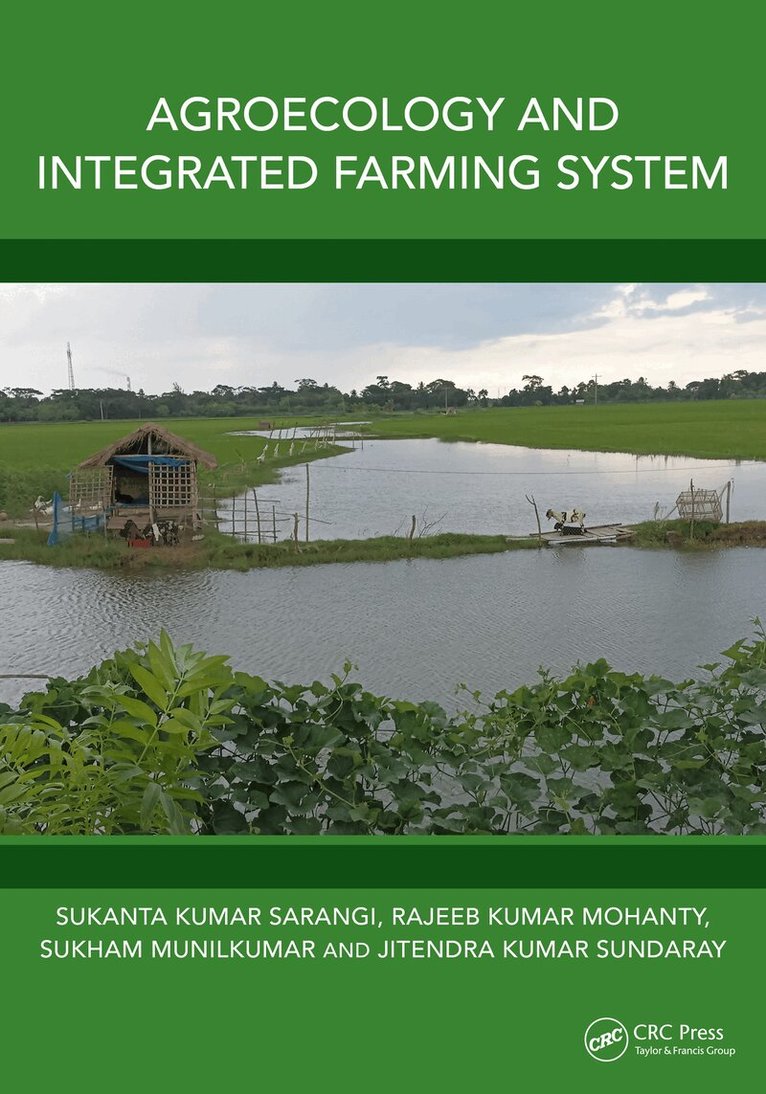
In most developing countries, agriculture has grown from merely an art to a science, but it does not yet maximize its business potential. In these countries, subsistence farming dominates, and farmers face the increasing impact of climate change and natural disasters. An integrated farming system (IFS) model yields minimum risk and maximum environmental benefit. The latest cutting-edge technologies applicable to each component of IFS and the science behind an agro-ecological approach are discussed at length in this book, which takes a holistic approach towards sustainable agricultural production technologies that result in maximum profit for the farming community. Also, it considers practices that care for natural resource bases and leave behind minimal environmental footprints. To keep prepared for climate change and natural disasters, appropriate contingency measures to tackle these unwanted situations are detailed.The book offers comprehensive coverage of the most essential topics, including:Modern technologies, new concepts and innovations such as 3D farming, Integrated System of Rice Intensification (ISRI), hydroponics, rooftop farming and water budgeting.The use of IT for supporting IFS and environmental aspects related to greenhouse gas (GHG) emission.Information on organic farming covering all its aspects, present situation, market-related issues and future options.In-situ input generation procedures that are integral to recycling and their effective reuse.Region-specific IFS models based on soil, climate and farmers' requirements for different agroclimatic situations.IFS management aspects including water harvesting, conservation, increased productivity and drainageLatest information on the socio-economic factors, impacts, government orientations, policy framework towards agriculture and environmental aspects, and the future road map to make IFS a success.This book will serve as a handy reference for academics, researchers, students, progressive farmers and policymakers aiming to make agriculture more resilient, sustainable and eco-friendly.
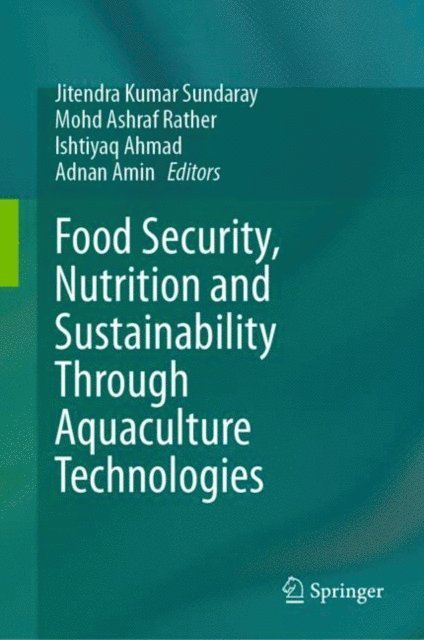
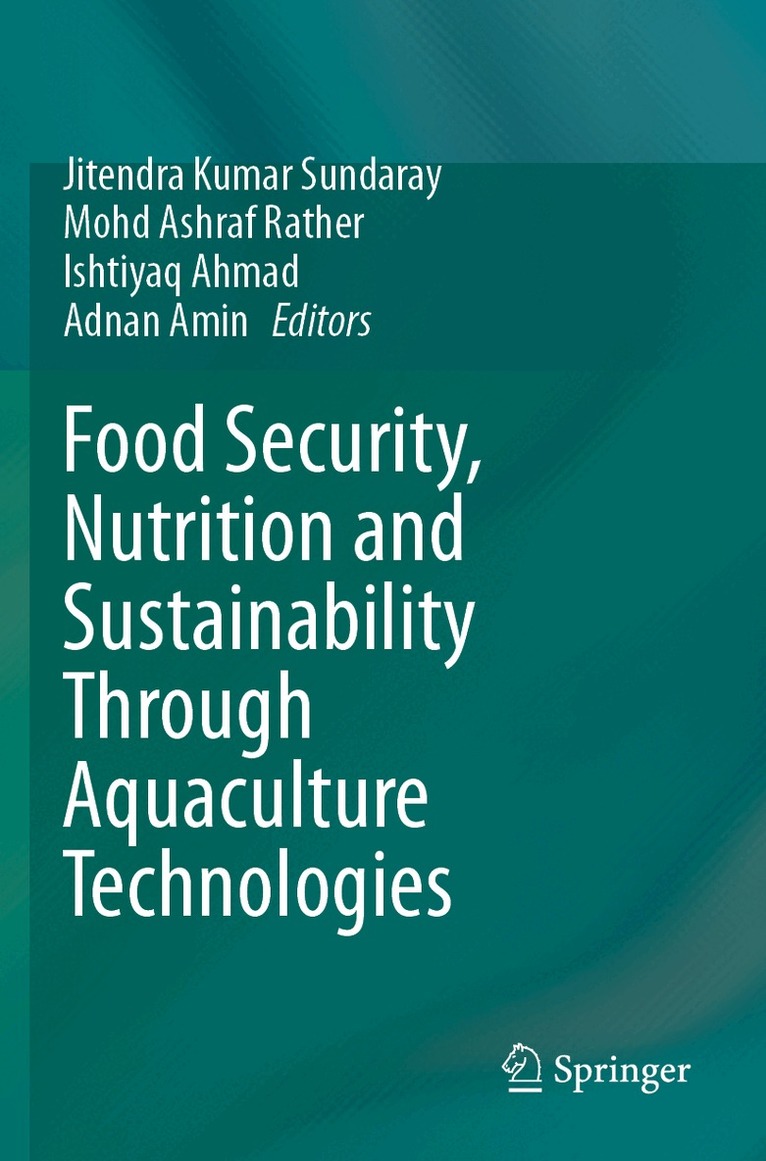
Food Security, Nutrition and Sustainability Through Aquaculture Technologies
Inbunden, Engelska, 2025
2 320 kr
Skickas inom 10-15 vardagar
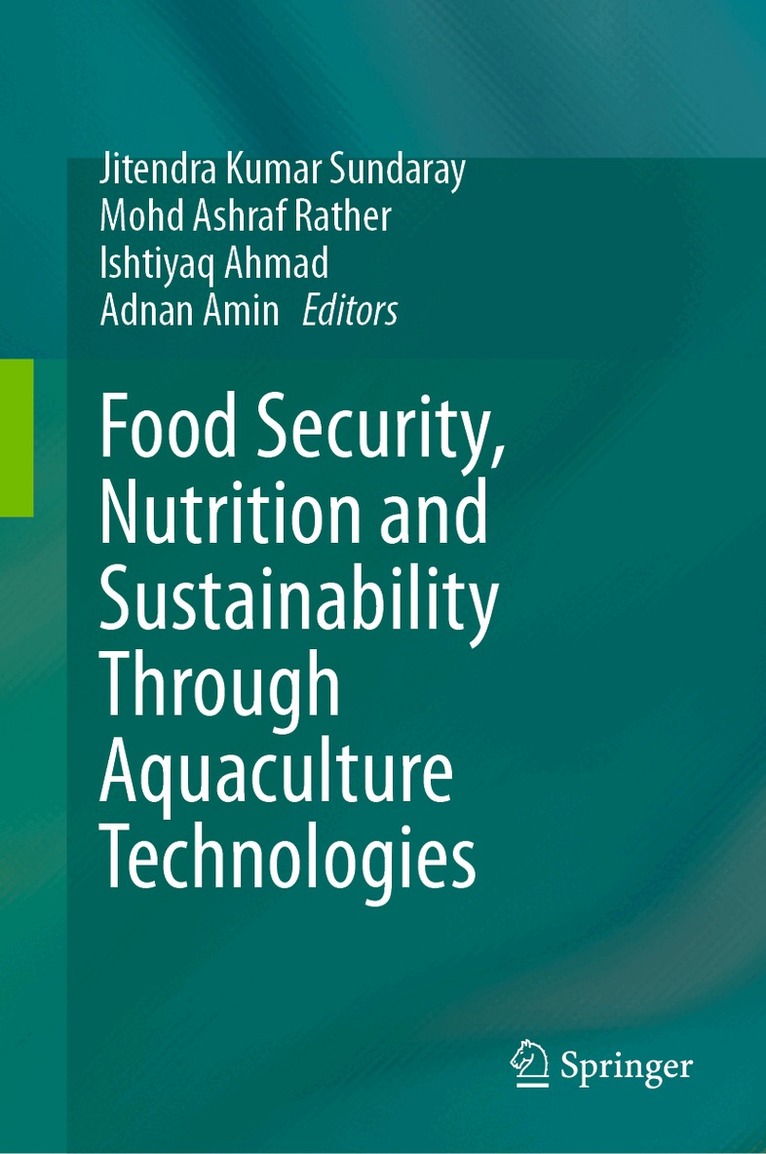
Aquaculture is the farming of aquatic organisms such as fish, crustaceans, mollusks and aquatic plants. It is a rapidly growing industry that plays a significant role in providing food security, improving nutrition and promoting sustainability. Food security is a major global concern, with millions of people around the world suffering from malnutrition and hunger. Food security, nutrition and sustainability are global challenges that need urgent attention to achieve a better and more sustainable future. Aquaculture technologies can help to address this problem by increasing the availability and accessibility of fish and other aquatic foods, providing a source of protein-rich food, improving nutrition, enhancing sustainability, generating income and improving food safety. In addition, aquaculture technologies play an important role in promoting nutrition. Fish and other aquatic foods are a good source of essential nutrients that are important for human health, including omega-3 fatty acids, vitamin D and minerals like iron and zinc. By increasing access to these foods, aquaculture can help to improve nutrition and reduce the incidence of diet-related diseases. Fish and shellfish are rich in omega-3 fatty acids, which have been linked to improved heart health, brain function and other health benefits. By incorporating fish and shellfish into their diets, people can improve their overall nutritional intake and reduce the risk of chronic diseases. Food Security, Nutrition and Sustainability Through Aquaculture Technologies shines a light on how aquaculture technologies contribute to sustainability by providing a more efficient and environmentally friendly way of producing food. Compared to traditional fishing practices, aquaculture can reduce pressure on wild fish populations and minimize the negative impact of fishing on marine ecosystems. Additionally, advances in aquaculture technology have led to the development of more sustainable and efficient production systems, including recirculating aquaculture systems and integrated multi-trophic aquaculture. As the global population continues to grow, demand for protein-rich foods like fish is increasing. Aquaculture provides a sustainable way to meet this demand, as it can produce more protein per unit of feed than traditional livestock farming. This book discusses aquaculture practiced in areas where traditional agriculture is not feasible, such as regions that are unsuitable for crop production. In addition to providing a source of protein, aquaculture can also improve nutrition. Aquaculture can be practiced in asustainable manner, with minimal impact on the environment. Unlike traditional fishing, which can deplete wild fish populations and damage marine ecosystems,aquaculture allows for the controlled cultivation of fish and other aquatic organisms. Properly managed aquaculture operations can also minimize waste and pollution and caneven contribute to ecosystem restoration by providing habitat for marine species. This book includes chapters on various aspects of aquaculture technologies that address a range of important global challenges including food security, nutrition and sustainability and are likely to play an increasingly important role in meeting the world's growing demand for food.
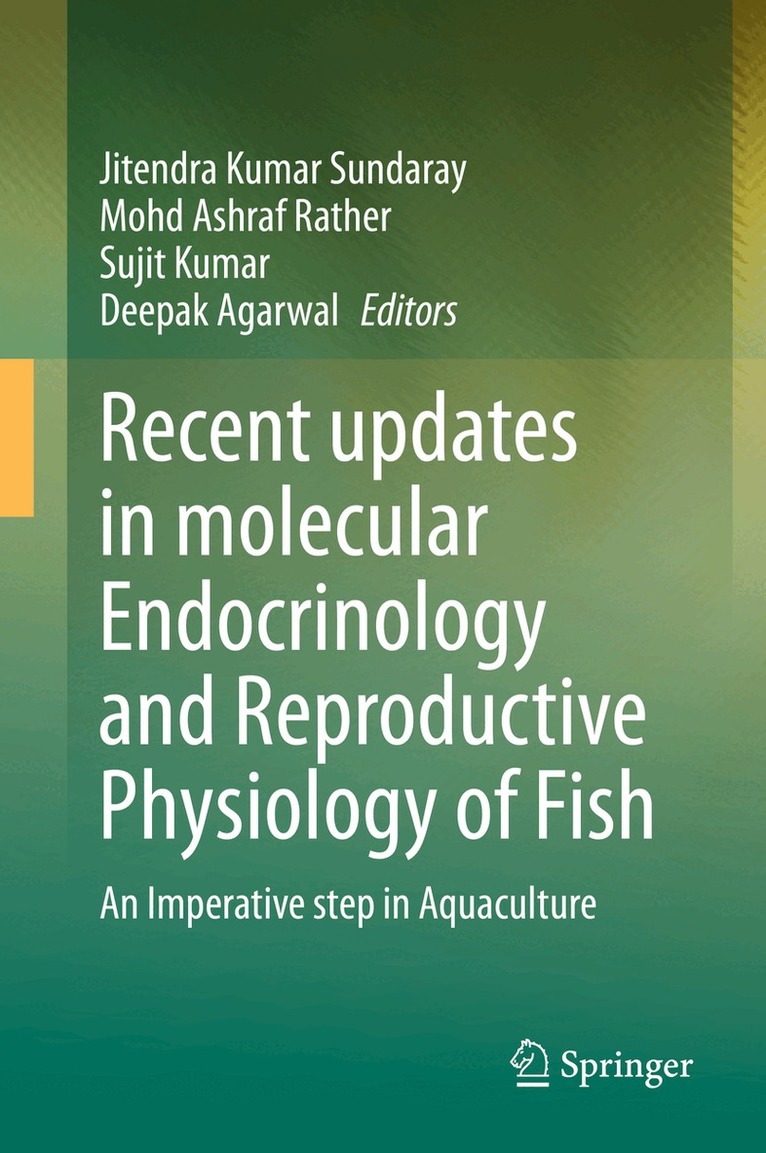
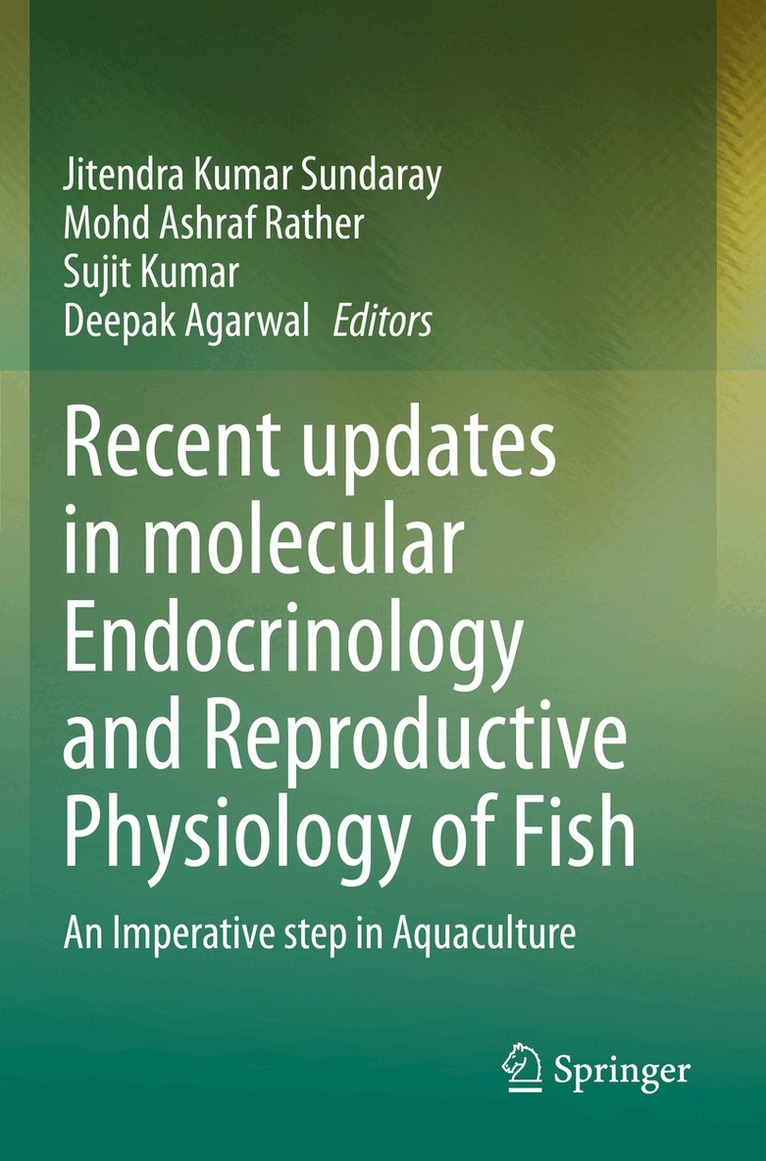
Recent updates in molecular Endocrinology and Reproductive Physiology of Fish
An Imperative step in Aquaculture
Inbunden, Engelska, 2021
2 320 kr
Skickas inom 10-15 vardagar
This book is dedicated to present different aspects of reproductive physiology and molecular endocrinology of commercially important as well as potential aquaculture fish species. The existing aquaculture generation is looking for species diversification for efficient utilization of available diverse water resources. The knowledge of reproductive physiology of fish will help in development of breeding strategy for use in commercial aquaculture. Reproductive system is highly coordinated and governed by means of complex network of nervous, endocrine system and environmental factor as well. This book emphasize on different key aspects of reproductive endocrine system such as basic gonadal biology in the events of climate vulnerability, sex determination, sex reversal, stimulatory hormones, inhibitory hormones and receptors, environmental and chemical factor guiding reproduction, puberty, neuroendocrine regulation of reproduction etc. This book further describes how reproduction is not just indispensable for the existence or survival of an individual, but it is important for the survival of species. Chapters also address the concerns of anthropogenic activities on fish and the aquatic environment lead main trouble on physiological and reproductive processes of aquatic animals.This book offers an attractive compilation of highly relevant aspects of current and future of aquaculture, especially in view of the growing awareness of aquaculture, to food scientists working on commercial fish, animal biologists, fish geneticists etc. This book is very timely, and relevant to the sustainable development goals. The contents would be relevant to policy makers, working towards blue revolution and blue economy.
Recent updates in molecular Endocrinology and Reproductive Physiology of Fish
An Imperative step in Aquaculture
Häftad, Engelska, 2022
2 320 kr
Skickas inom 10-15 vardagar
This book is dedicated to present different aspects of reproductive physiology and molecular endocrinology of commercially important as well as potential aquaculture fish species. The existing aquaculture generation is looking for species diversification for efficient utilization of available diverse water resources. The knowledge of reproductive physiology of fish will help in development of breeding strategy for use in commercial aquaculture. Reproductive system is highly coordinated and governed by means of complex network of nervous, endocrine system and environmental factor as well. This book emphasize on different key aspects of reproductive endocrine system such as basic gonadal biology in the events of climate vulnerability, sex determination, sex reversal, stimulatory hormones, inhibitory hormones and receptors, environmental and chemical factor guiding reproduction, puberty, neuroendocrine regulation of reproduction etc. This book further describes how reproduction is not just indispensable for the existence or survival of an individual, but it is important for the survival of species. Chapters also address the concerns of anthropogenic activities on fish and the aquatic environment lead main trouble on physiological and reproductive processes of aquatic animals.This book offers an attractive compilation of highly relevant aspects of current and future of aquaculture, especially in view of the growing awareness of aquaculture, to food scientists working on commercial fish, animal biologists, fish geneticists etc. This book is very timely, and relevant to the sustainable development goals. The contents would be relevant to policy makers, working towards blue revolution and blue economy.