Sukanya Krishnamurthy - Böcker
Visar alla böcker från författaren Sukanya Krishnamurthy. Handla med fri frakt och snabb leverans.
4 produkter
4 produkter
2 150 kr
Skickas inom 10-15 vardagar
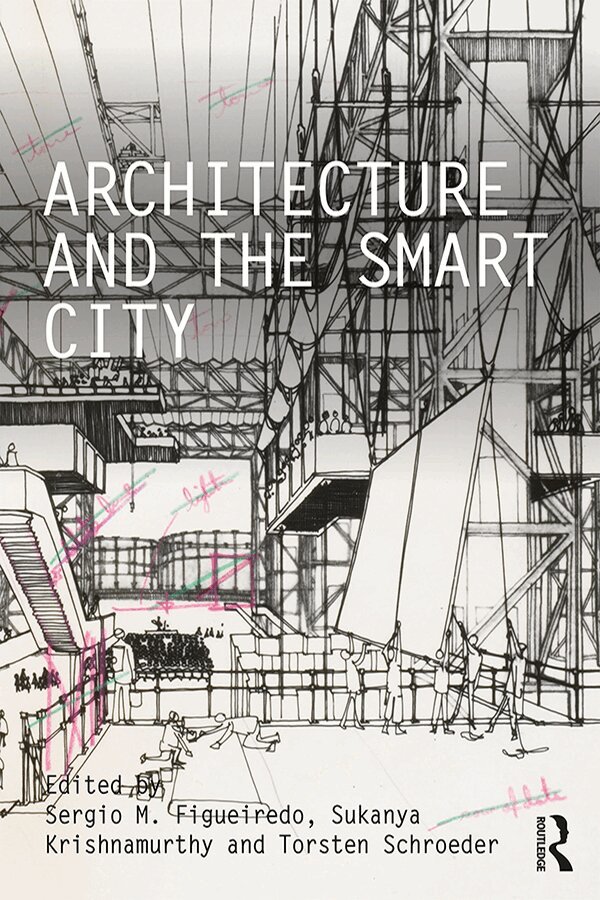
Increasingly the world around us is becoming ‘smart.’ From smart meters to smart production, from smart surfaces to smart grids, from smart phones to smart citizens. ‘Smart’ has become the catch-all term to indicate the advent of a charged technological shift that has been propelled by the promise of safer, more convenient and more efficient forms of living. Most architects, designers, planners and politicians seem to agree that the smart transition of cities and buildings is in full swing and inevitable. However, beyond comfort, safety and efficiency, how can ‘smart design and technologies’ assist to address current and future challenges of architecture and urbanism? Architecture and the Smart City provides an architectural perspective on the emergence of the smart city and offers a wide collection of resources for developing a better understanding of how smart architecture, smart cities and smart systems in the built environment are discussed, designed and materialized. It brings together a range of international thinkers and practitioners to discuss smart systems through four thematic sections: ‘Histories and Futures’, ‘Agency and Control’, ‘Materialities and Spaces’ and ‘Networks and Nodes’. Combined, these four thematic sections provide different perspectives into some of the most pressing issues with smart systems in the built environment. The book tackles questions related to the future of architecture and urbanism, lessons learned from global case studies and challenges related to interdisciplinary research, and critically examines what the future of buildings and cities will look like.
719 kr
Skickas inom 10-15 vardagar
Increasingly the world around us is becoming ‘smart.’ From smart meters to smart production, from smart surfaces to smart grids, from smart phones to smart citizens. ‘Smart’ has become the catch-all term to indicate the advent of a charged technological shift that has been propelled by the promise of safer, more convenient and more efficient forms of living. Most architects, designers, planners and politicians seem to agree that the smart transition of cities and buildings is in full swing and inevitable. However, beyond comfort, safety and efficiency, how can ‘smart design and technologies’ assist to address current and future challenges of architecture and urbanism? Architecture and the Smart City provides an architectural perspective on the emergence of the smart city and offers a wide collection of resources for developing a better understanding of how smart architecture, smart cities and smart systems in the built environment are discussed, designed and materialized. It brings together a range of international thinkers and practitioners to discuss smart systems through four thematic sections: ‘Histories and Futures’, ‘Agency and Control’, ‘Materialities and Spaces’ and ‘Networks and Nodes’. Combined, these four thematic sections provide different perspectives into some of the most pressing issues with smart systems in the built environment. The book tackles questions related to the future of architecture and urbanism, lessons learned from global case studies and challenges related to interdisciplinary research, and critically examines what the future of buildings and cities will look like.
3 161 kr
Skickas inom 10-15 vardagar
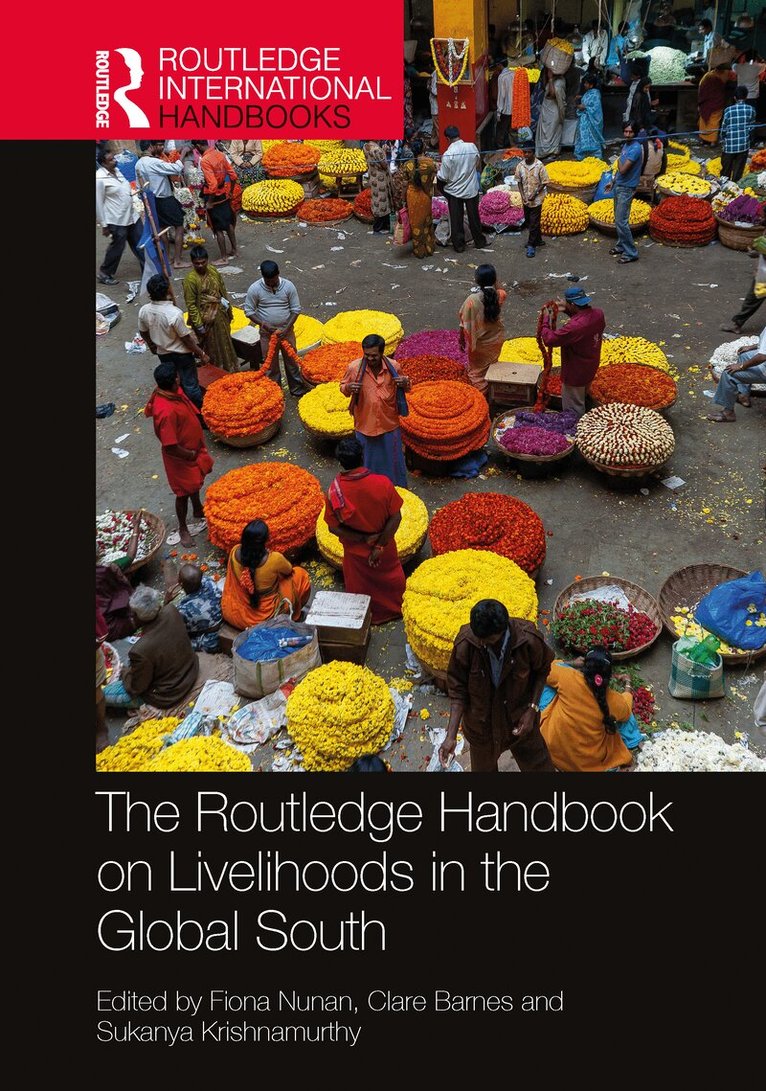
The Routledge Handbook on Livelihoods in the Global South presents a unique, timely, comprehensive overview of livelihoods in low- and middle-income countries. Since their widespread adoption in the 1990s, livelihoods perspectives, frameworks and methods have influenced diverse areas of research, policy and practice.The concept of livelihoods reflects the complexity of strategies and practices used by individuals, households and communities to meet their needs and live their lives. The Handbook brings together insights and critical analysis from diverse approaches and experiences, learning from research and practice over the last 30 years. The Handbook comprises an introductory section on key concepts and frameworks, followed by five parts, on researching livelihoods, negotiating livelihoods, generating livelihoods, enabling livelihoods and contextualising livelihoods. The introduction provides readers with an appreciation of concepts researched and applied in the five parts, including chapters on vulnerability and resilience, social capital and networks, and institutions. Each part reflects the diversity of approaches taken to understanding livelihoods, whilst recognising commonalities, including the centrality of power in shaping, enabling and constraining livelihoods. The book also reflects diversity of context, including conflict, climate change and religion, as well as in generating livelihoods, through agriculture, small-scale mining and pastoralism. The aim of each chapter is to provide a critically informed introduction and overview of key concepts, issues and debates of relevance to the topic, with each chapter concluding with suggestions for further reading.It will be an essential resource to students, researchers and practitioners of international development and related fields. Researchers and practitioners will also benefit from the book's diverse disciplinary contributions and by the wide and contemporary coverage.
663 kr
Skickas inom 10-15 vardagar
The Routledge Handbook on Livelihoods in the Global South presents a unique, timely, comprehensive overview of livelihoods in low- and middle-income countries. Since their widespread adoption in the 1990s, livelihoods perspectives, frameworks and methods have influenced diverse areas of research, policy and practice.The concept of livelihoods reflects the complexity of strategies and practices used by individuals, households and communities to meet their needs and live their lives. The Handbook brings together insights and critical analysis from diverse approaches and experiences, learning from research and practice over the last 30 years. The Handbook comprises an introductory section on key concepts and frameworks, followed by five parts, on researching livelihoods, negotiating livelihoods, generating livelihoods, enabling livelihoods and contextualising livelihoods. The introduction provides readers with an appreciation of concepts researched and applied in the five parts, including chapters on vulnerability and resilience, social capital and networks, and institutions. Each part reflects the diversity of approaches taken to understanding livelihoods, whilst recognising commonalities, including the centrality of power in shaping, enabling and constraining livelihoods. The book also reflects diversity of context, including conflict, climate change and religion, as well as in generating livelihoods, through agriculture, small-scale mining and pastoralism. The aim of each chapter is to provide a critically informed introduction and overview of key concepts, issues and debates of relevance to the topic, with each chapter concluding with suggestions for further reading.It will be an essential resource to students, researchers and practitioners of international development and related fields. Researchers and practitioners will also benefit from the book's diverse disciplinary contributions and by the wide and contemporary coverage.