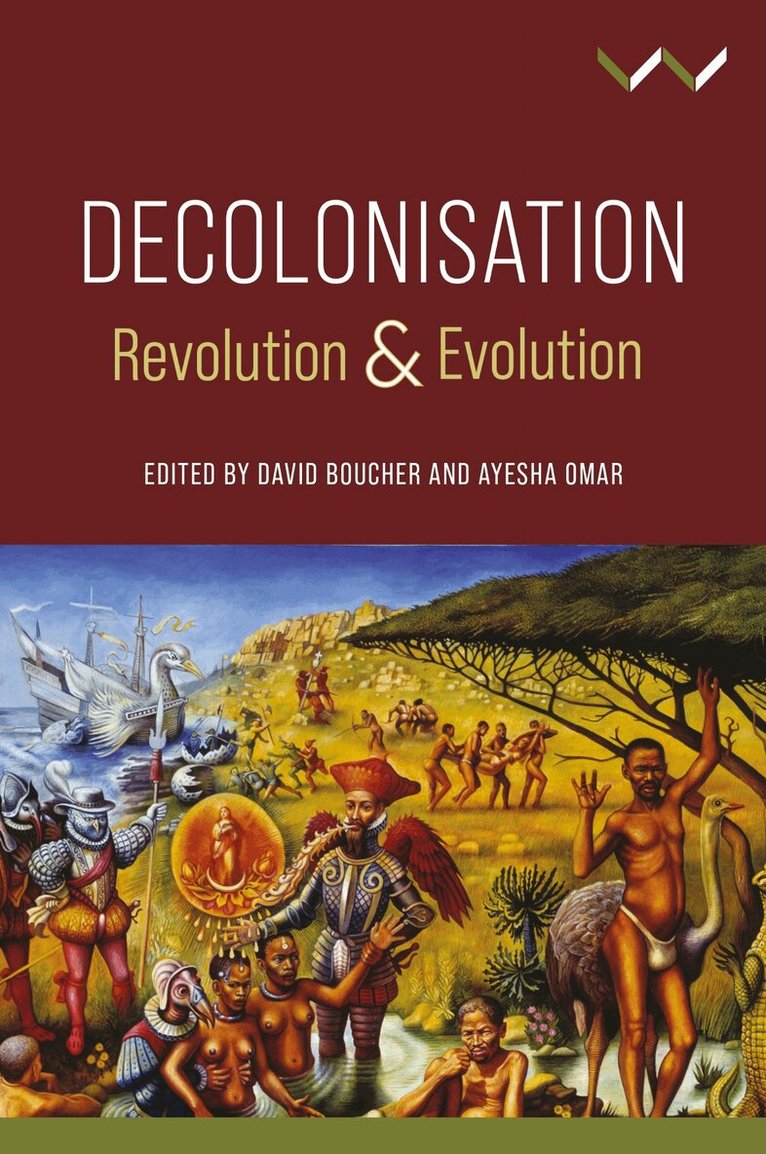
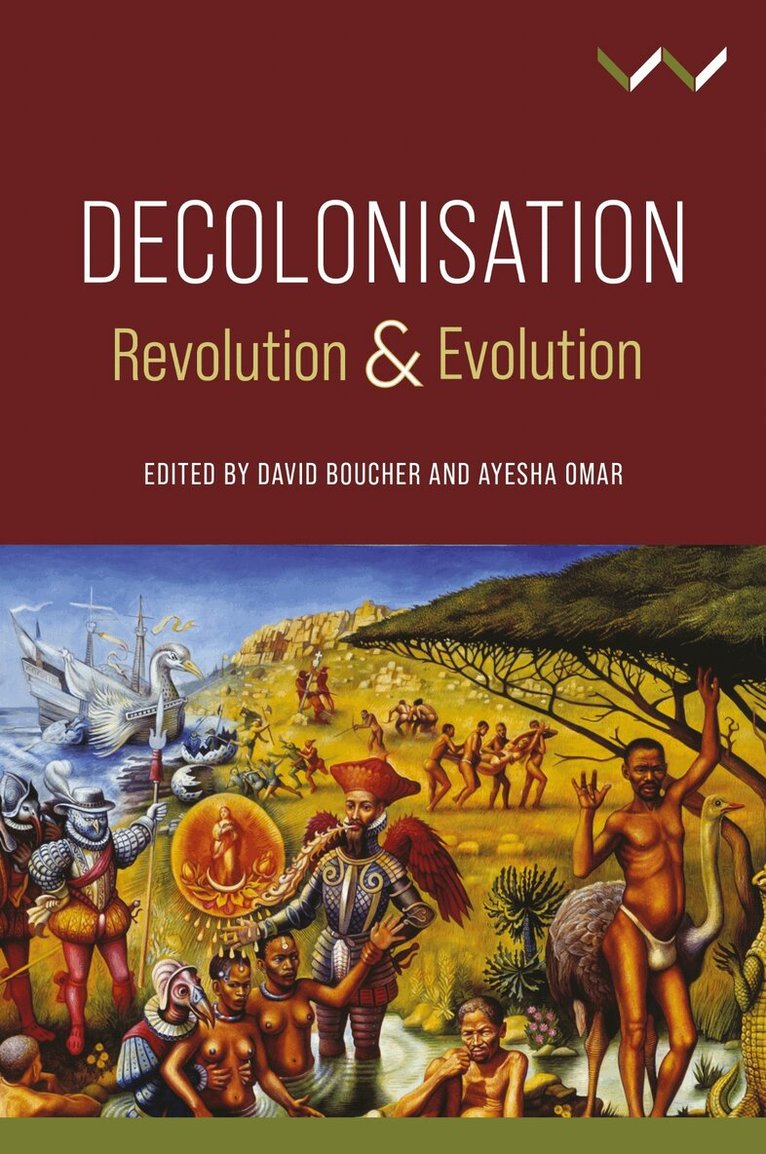
Debates about decolonisation of the mind and of our curricula reveal the dark shadow cast over the world by the adventurers of the modern era, beginning in 1492. Decolonisation explores questions of justice, injustice and inhumanity that have geographically and intellectually shaped the course of history through overlapping colonial, decolonial and postcolonial eras. This multidisciplinary collection uses the lenses of history, philosophy, literature and education to examine aspects of colonialism and decolonisation, and their revolutionary and evolutionary manifestations which, contributors argue, occurred simultaneously in the historical and epistemological record. The problems that come into focus have a kaleidoscopic effect on how we come to understand fraught issues, from the ‘invention’ of blacks, to the formulation of the ideology of trusteeship and the obligations to ‘lower civilisations’. Decolonisation brings together an internationally renowned group of scholars to showcase their search for decolonial strategies within their disciplinary focus, covering ideas such as the different layers at which colonialism operates, strategies for a decolonisation that does not recolonise, and the importance of preserving and publishing in indigenous languages. This is a much-needed reference book for students and scholars in the field of decolonisation, history, philosophy and pedagogy. The introductory chapter offers a clear and concise primer to this complex subject, covering colonialism, imperialism, decoloniality, and the various actors involved.
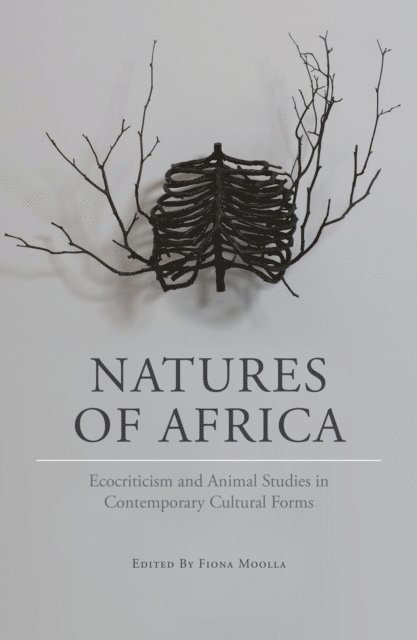
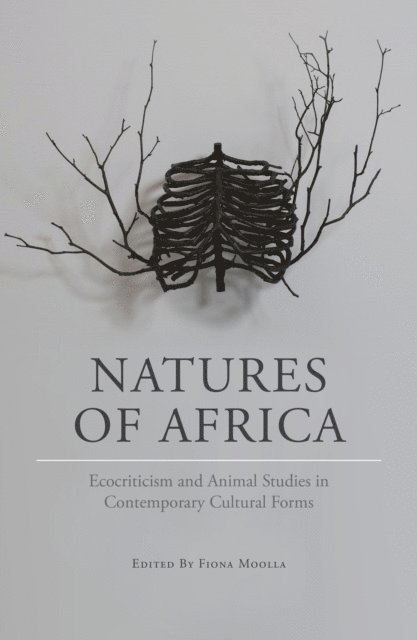
Environmental and animal studies are rapidly growing areas of interest across a number of disciplines. Natures of Africa is one of the first edited volumes which encompasses transdisciplinary approaches to a number of cultural forms, including fiction, non-fiction, oral expression and digital media. The volume features new research from East Africa and Zimbabwe, as well as the ecocritical and eco-activist ‘powerhouses’ of Nigeria and South Africa. The chapters engage one another conceptually and epistemologically without an enforced consensus of approach. In their conversation with dominant ideas about nature and animals, they reveal unexpected insights into forms of cultural expression of local communities in Africa. The analyses explore different apprehensions of the connections between humans, animals and the environment, and suggest alternative ways of addressing the challenges facing the continent. These include the problems of global warming, desertification, floods, animal extinctions and environmental destruction attendant upon fossil fuel extraction. There are few books that show how nature in Africa is represented, celebrated, mourned or commoditised. Natures of Africa weaves together studies of narratives – from folklore, travel writing, novels and popular songs – with the insights of poetry and contemporary reflections of Africa on the worldwide web. The chapters test disciplinary and conceptual boundaries, highlighting the ways in which the environmental concerns of African communities cannot be disentangled from social, cultural and political questions. This volume draws on and will appeal to scholars and teachers of oral tradition and indigenous cultures, literature, religion, sociology and anthropology, environmental and animal studies, as well as media and digital cultures in an African context.