Ayesha Omar – författare
Visar alla böcker från författaren Ayesha Omar. Handla med fri frakt och snabb leverans.
12 produkter
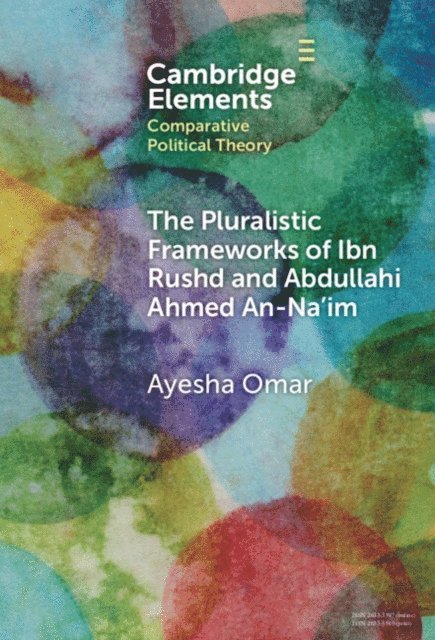
Pluralistic Frameworks of Ibn Rushd and Abdullahi Ahmed An-Na'im
Av Ayesha Omar
E-bok, 2025
284 kr
Lägg i varukorg
Pluralistic Frameworks of Ibn Rushd and Abdullahi Ahmed An-Na'im
Av Ayesha Omar
E-bok, 2025
294 kr
Lägg i varukorg
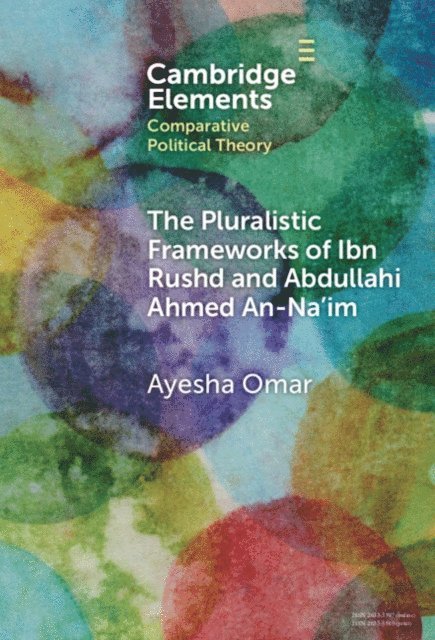
The Pluralistic Frameworks of Ibn Rushd and Abdullahi Ahmed An-Na'im
Av Ayesha Omar
Häftad, 2025
308 kr
Lägg i varukorg
The purpose of this Element is to analyse the assiduous attempts of two Islamic political thinkers-the 12th century Andalusian philosopher Ibn Rushd and the contemporary Sudanese reformist Abdullahi Ahmed An-Na'im-to theorise Islamic politics through an approach the author refers to as 'pluralistic …
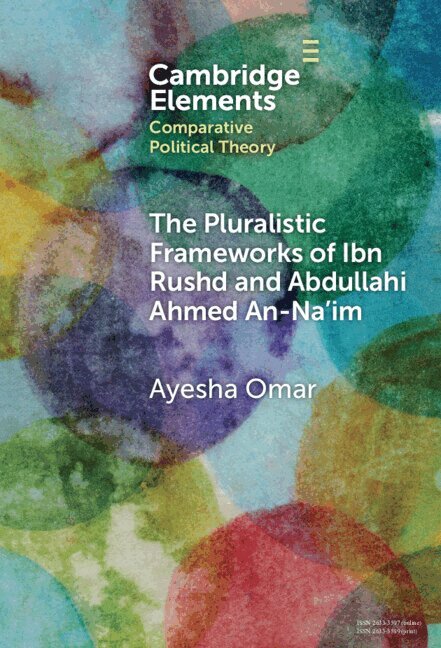
The Pluralistic Frameworks of Ibn Rushd and Abdullahi Ahmed An-Na'im
Av Ayesha Omar
Inbunden, 2025
911 kr
Lägg i varukorg
The purpose of this Element is to analyse the assiduous attempts of two Islamic political thinkers-the 12th century Andalusian philosopher Ibn Rushd and the contemporary Sudanese reformist Abdullahi Ahmed An-Na'im-to theorise Islamic politics through an approach the author refers to as 'pluralistic …
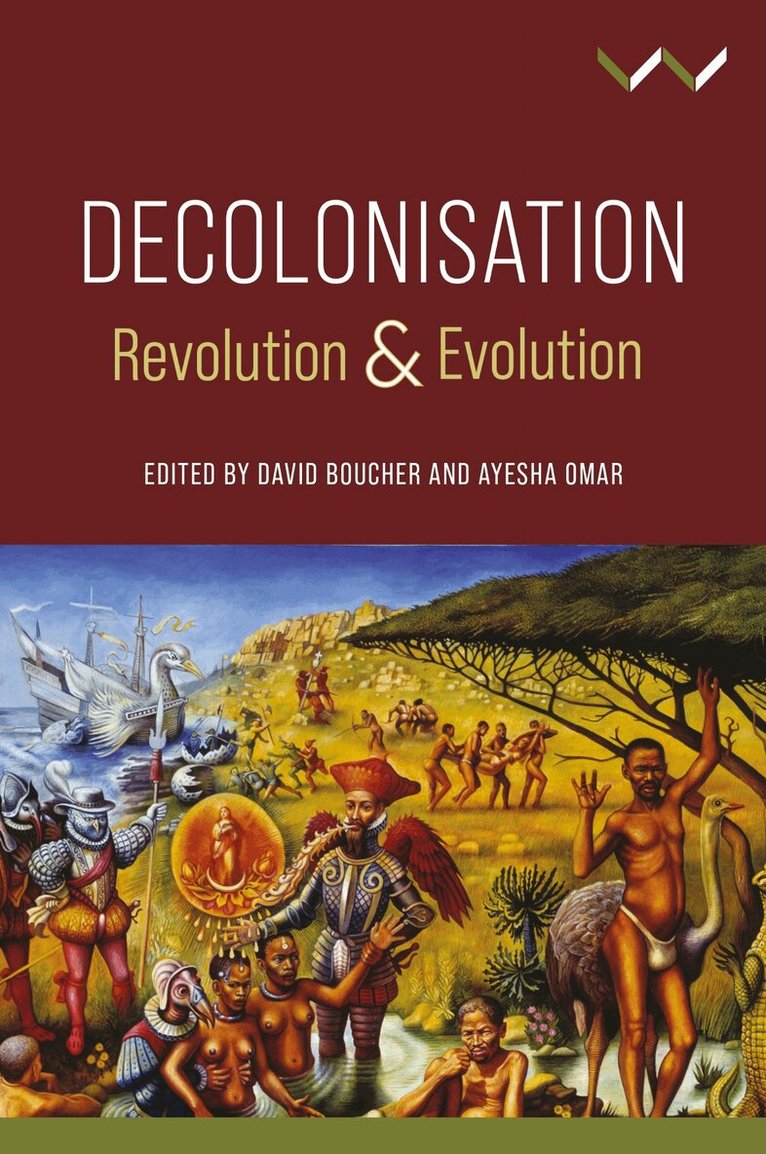
Decolonisation
Revolution and Evolution
Av David Boucher, Ayesha Omar m. fl.
Häftad, 2023
398 kr
Lägg i varukorg
Offers a comparative analysis of the processes and aftermath of decolonisation from philosophical, historical, literary and legal perspectives.
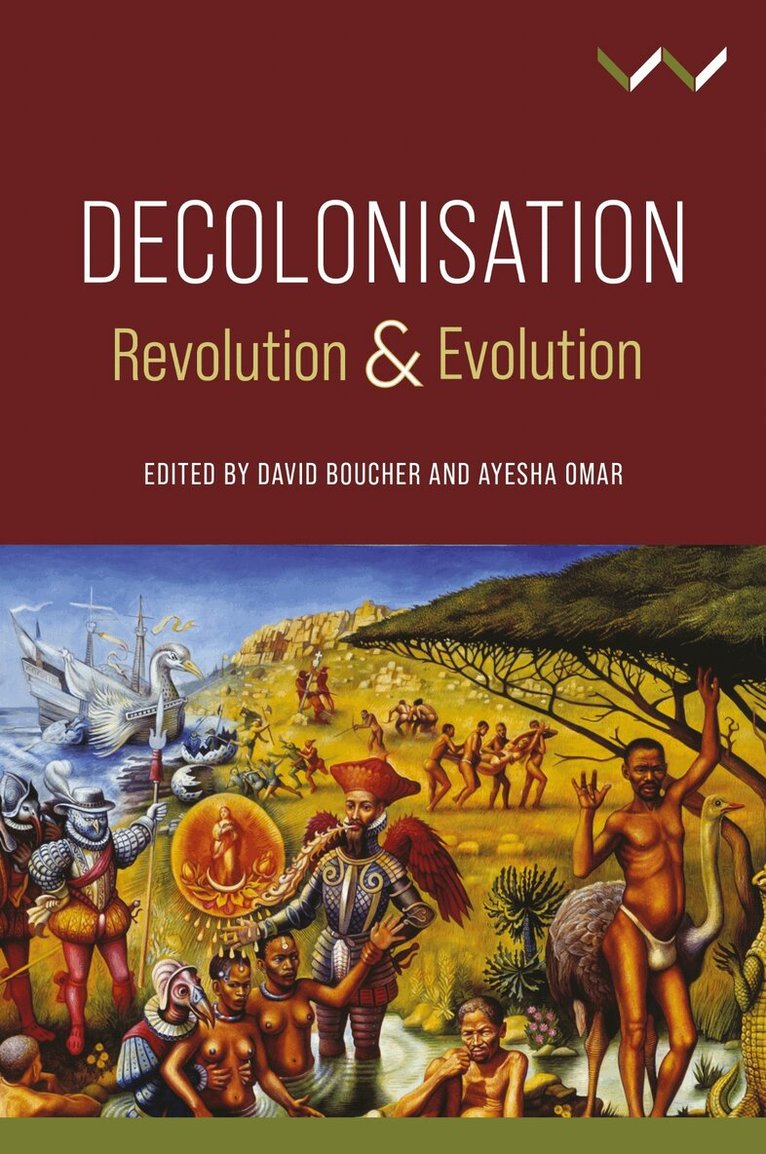
Decolonisation
Revolution and Evolution
Av David Boucher, Ayesha Omar m. fl.
Inbunden, 2023
1150 kr
Lägg i varukorg
Offers a comparative analysis of the processes and aftermath of decolonisation from philosophical, historical, literary and legal perspectives.
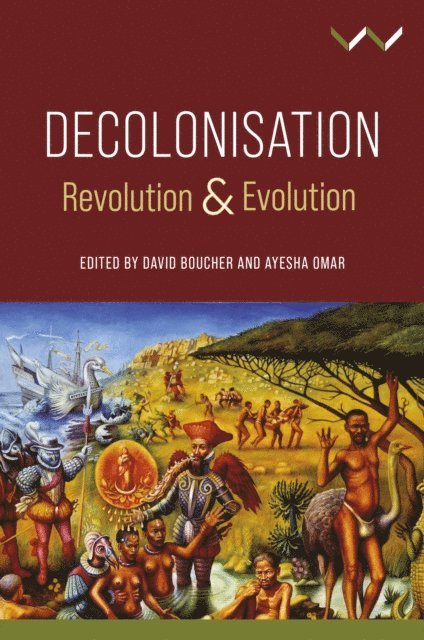
Decolonisation
Revolution and Evolution
Av Ian S Spears, Chris Saunders m. fl.
E-bok, 2023
401 kr
Lägg i varukorg
Debates about decolonisation of the mind and of our curricula reveal the dark shadow cast over the world by the adventurers of the modern era, beginning in 1492. Decolonisation explores questions of justice, injustice and inhumanity that have geographically and intellectually shaped the course of …
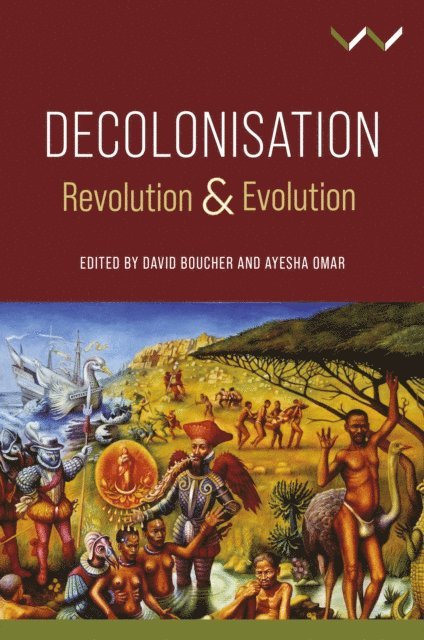
Decolonisation
Revolution and Evolution
Av Ian S Spears, Chris Saunders m. fl.
E-bok, 2023
410 kr
Lägg i varukorg
Debates about decolonisation of the mind and of our curricula reveal the dark shadow cast over the world by the adventurers of the modern era, beginning in 1492. Decolonisation explores questions of justice, injustice and inhumanity that have geographically and intellectually shaped the course of …
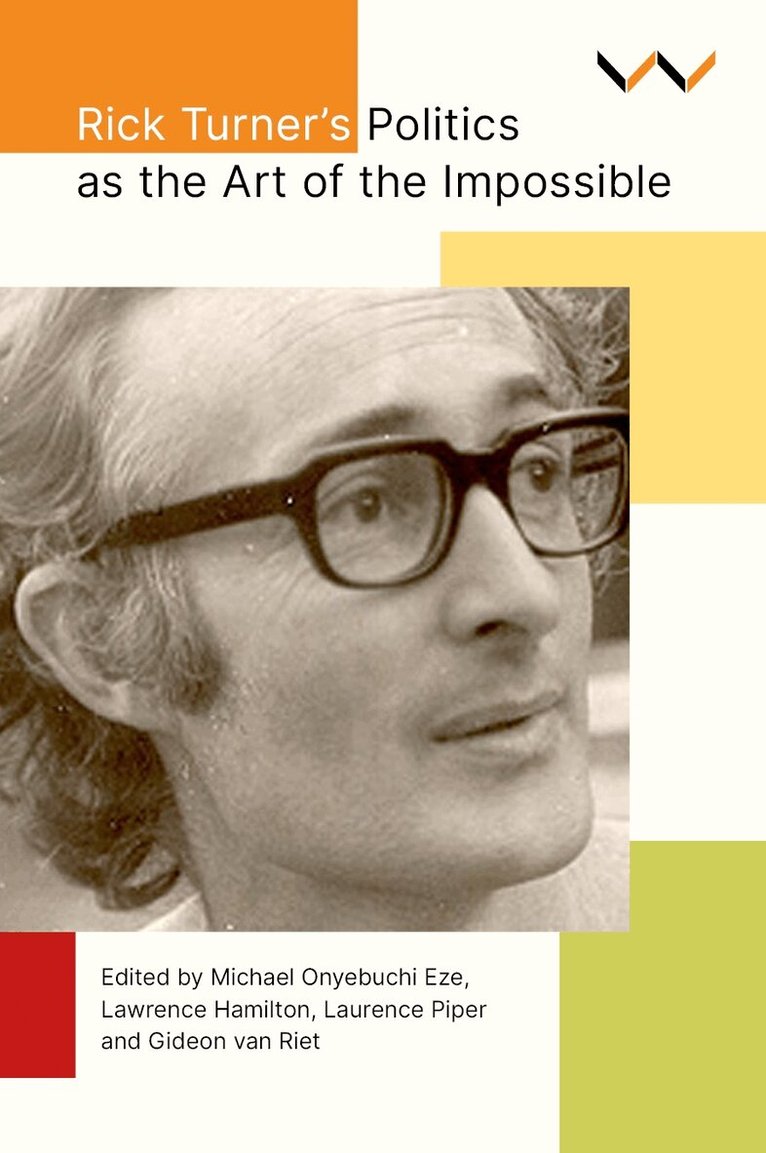
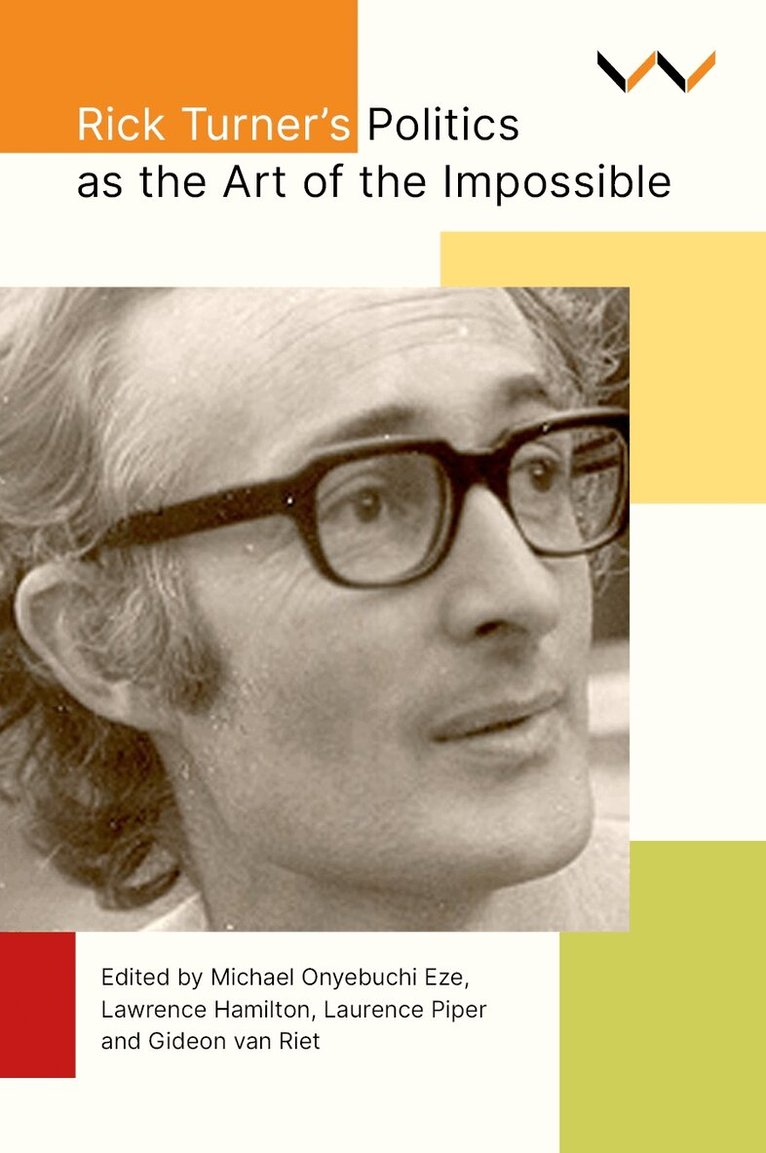
Rick Turner's Politics As the Art of the Impossible
Av Michael Onyebuchi Eze, Lawrence Hamilton m. fl.
Häftad, 2024
386 kr
Lägg i varukorg
Revisits the work of Rick Turner, a South African political theorist, and addresses contemporary debatesRick Turner was a South African academic and anti-apartheid activist who rebelled against the apartheid state at the height of its power. For this he was assassinated in 1978, at just 32 years of …
Rick Turner's Politics As the Art of the Impossible
Av Michael Onyebuchi Eze, Lawrence Hamilton m. fl.
Inbunden, 2024
1004 kr
Lägg i varukorg
Revisits the work of Rick Turner, a South African political theorist, and addresses contemporary debatesRick Turner was a South African academic and anti-apartheid activist who rebelled against the apartheid state at the height of its power. For this he was assassinated in 1978, at just 32 years of …
Rick Turner's Politics as the Art of the Impossible
Av Crain Soudien, Tendayi Sithole m. fl.
E-bok, 2024
398 kr
Lägg i varukorg
Rick Turner was a South African academic and activist who rebelled against apartheid at the height of its power and was assassinated in 1978 when he was 32 years old, but his life and work are testimony to the power of philosophical thinking for humans everywhere. Turner chose to live freely in an …
Rick Turner's Politics as the Art of the Impossible
Av Crain Soudien, Tendayi Sithole m. fl.
E-bok, 2024
398 kr
Lägg i varukorg
Rick Turner was a South African academic and activist who rebelled against apartheid at the height of its power and was assassinated in 1978 when he was 32 years old, but his life and work are testimony to the power of philosophical thinking for humans everywhere. Turner chose to live freely in an …