Supriya Singh – författare
Visar alla böcker från författaren Supriya Singh. Handla med fri frakt och snabb leverans.
15 produkter
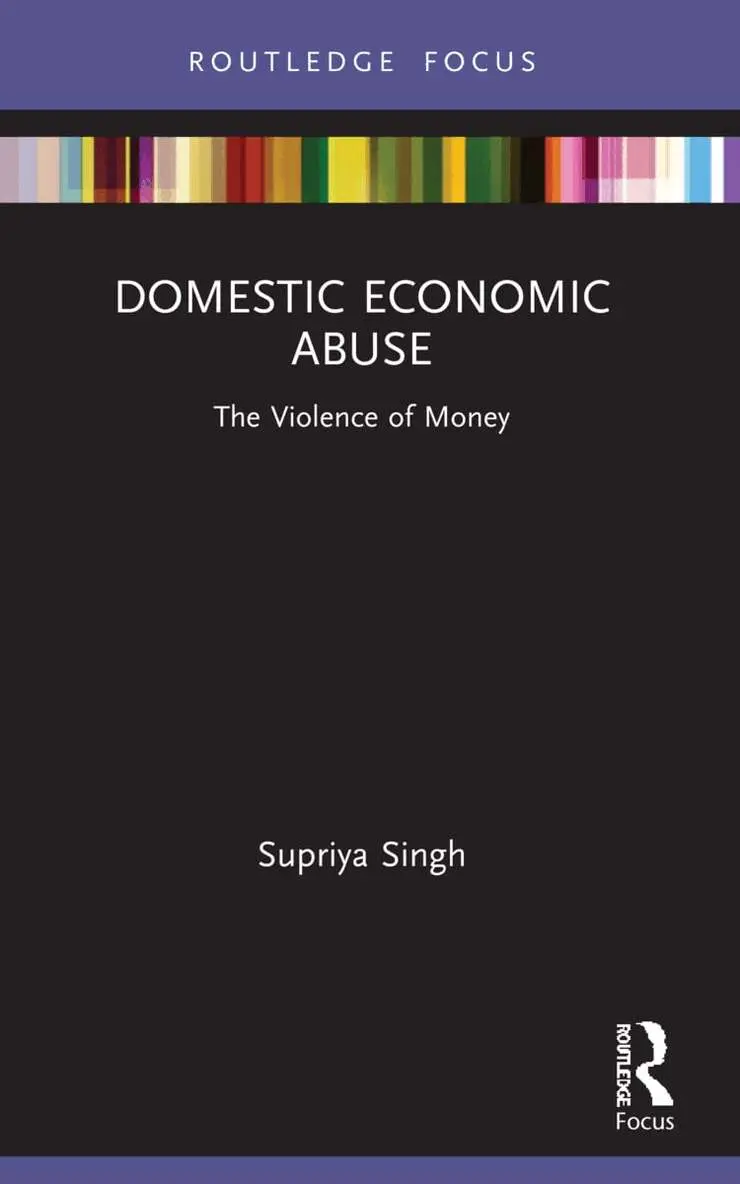
Domestic Economic Abuse
The Violence of Money
Häftad, 2023
328 kr
Lägg i varukorg
Supriya Singh tells the stories of 12 Anglo-Celtic and Indian women in Australia who survived economic abuse. She describes the lived experience of coercive control underlying economic abuse across cultures. Each story shows how the woman was trapped and lost her freedom because her husband denied …
Domestic Economic Abuse
The Violence of Money
E-bok, 2021
381 kr
Lägg i varukorg
Supriya Singh tells the stories of 12 Anglo-Celtic and Indian women in Australia who survived economic abuse. She describes the lived experience of coercive control underlying economic abuse across cultures. Each story shows how the woman was trapped and lost her freedom because her husband denied …
Domestic Economic Abuse
The Violence of Money
E-bok, 2021
381 kr
Lägg i varukorg
Supriya Singh tells the stories of 12 Anglo-Celtic and Indian women in Australia who survived economic abuse. She describes the lived experience of coercive control underlying economic abuse across cultures. Each story shows how the woman was trapped and lost her freedom because her husband denied …
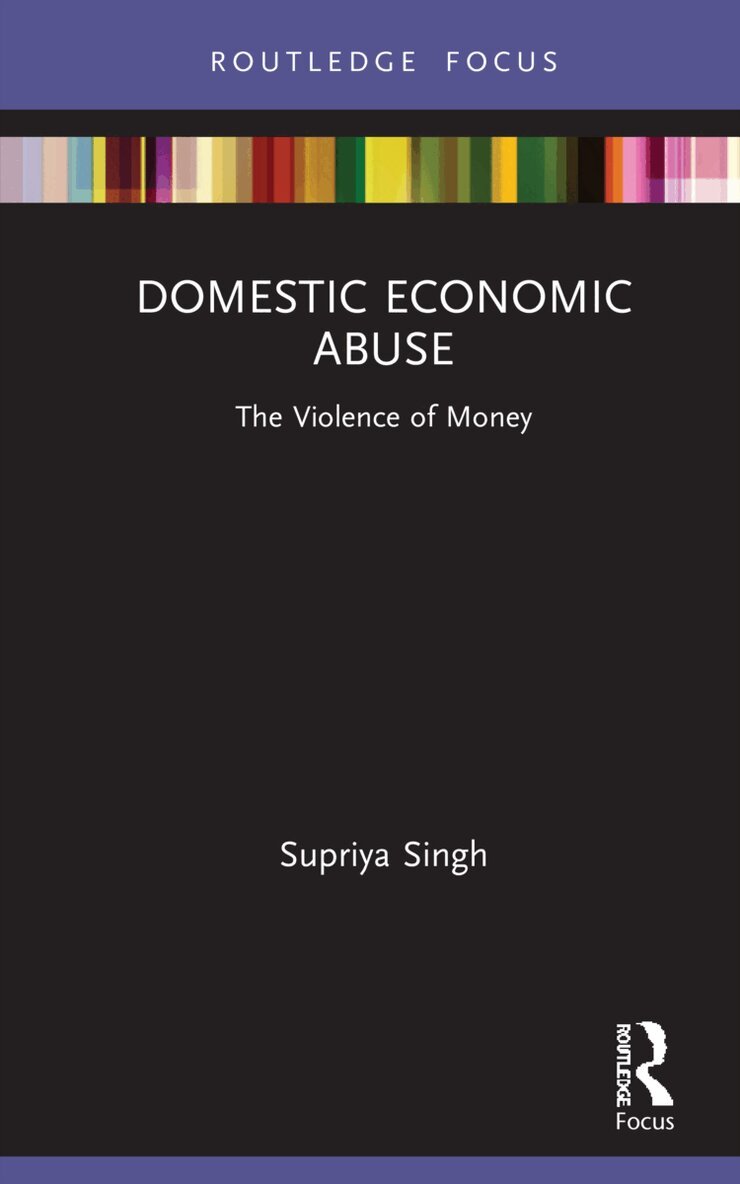
Domestic Economic Abuse
The Violence of Money
Inbunden, 2021
919 kr
Lägg i varukorg
Supriya Singh tells the stories of 12 Anglo-Celtic and Indian women in Australia who survived economic abuse. She describes the lived experience of coercive control underlying economic abuse across cultures. Each story shows how the woman was trapped and lost her freedom because her husband denied …
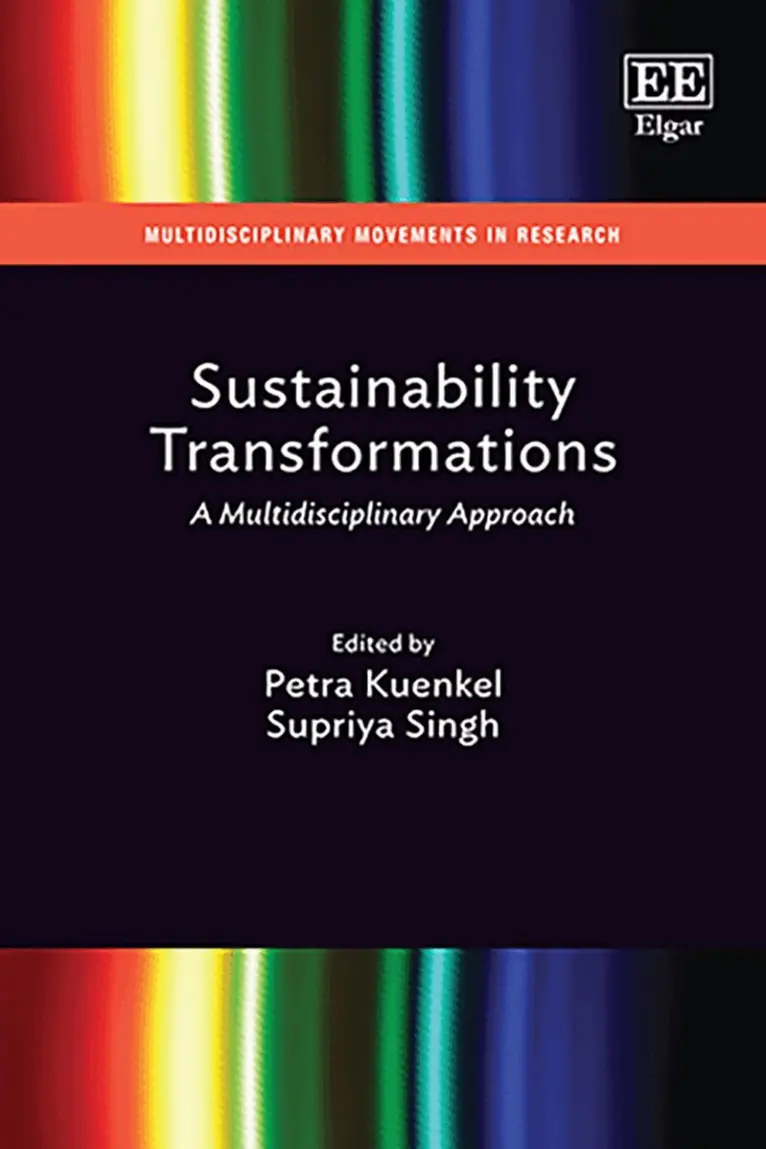
Sustainability Transformations
A Multidisciplinary Approach
Av Petra Kuenkel, Supriya Singh
Inbunden, 2026
2422 kr
Kommande
In this insightful book, leading scholars and practitioners bridge theory and practice to address the urgent need for systemic change to sustainability efforts in an era of global polycrises. Proposing that progress in sustainability necessitates shifts in worldviews, governance, legal frameworks, …
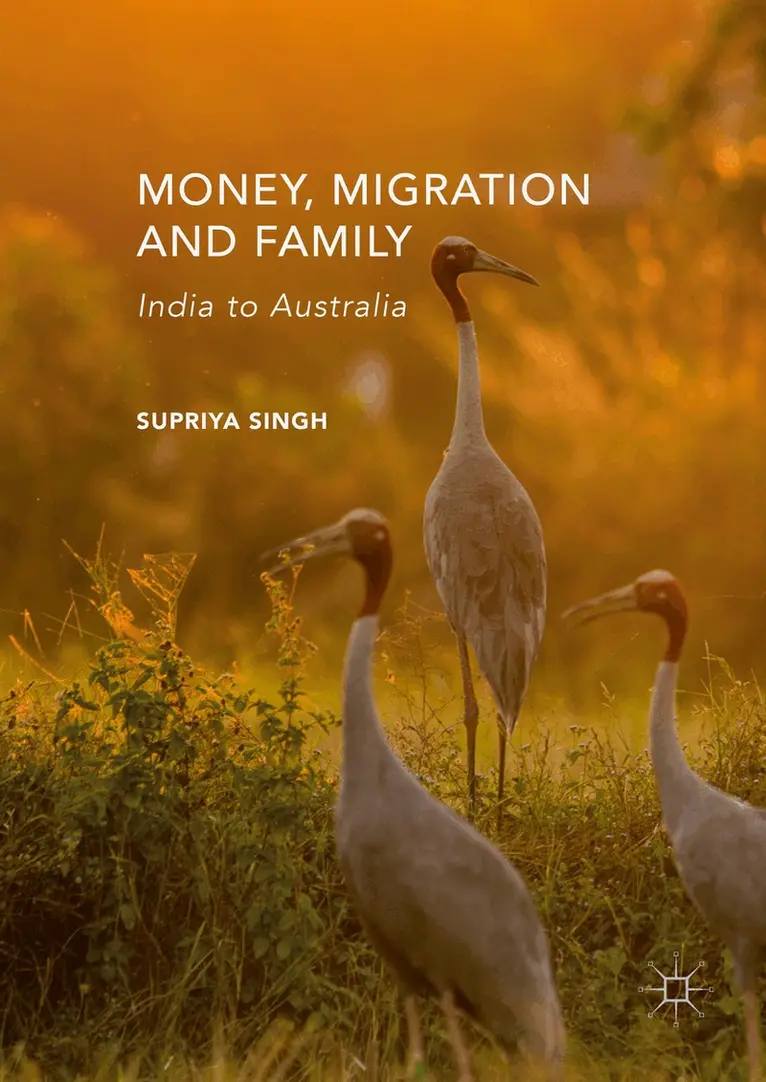
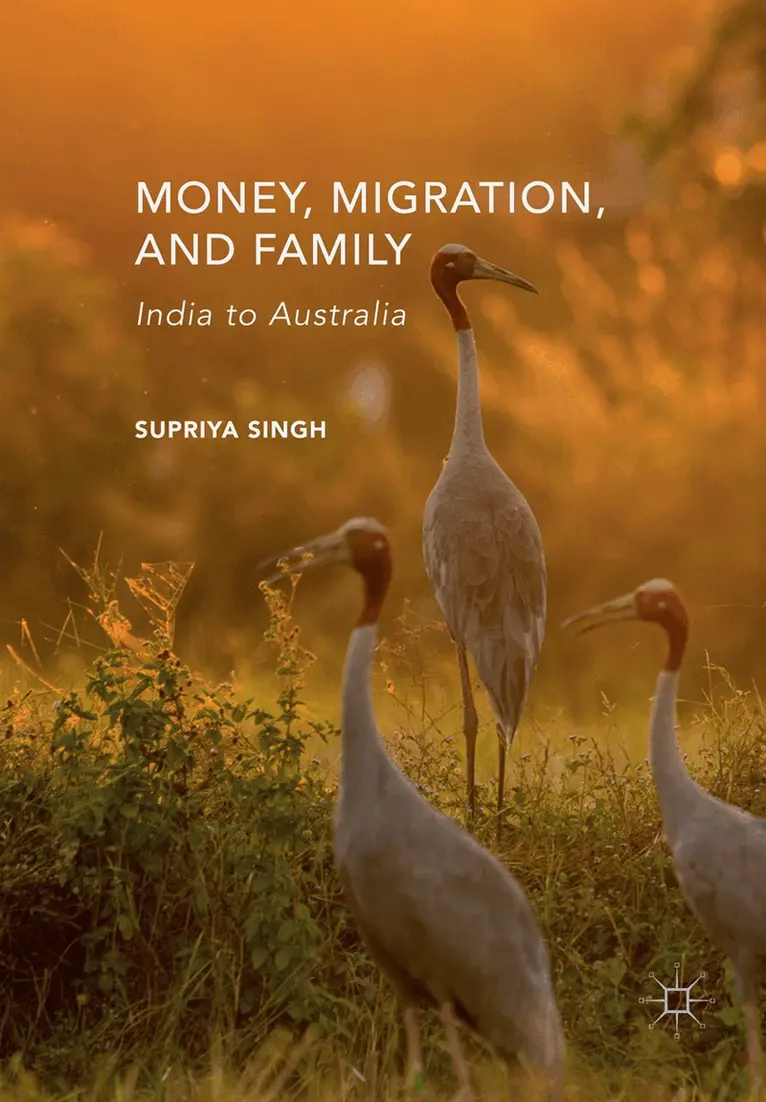
Money, Migration, and Family
India to Australia
E-bok, 2016
779 kr
Lägg i varukorg
This book tells the story of nearly five decades of Indian migration to Australia from the late 1960s to 2015, through the eyes of migrants and their families. Firstly, there is the marked increase of Indian migrants, shifting from the earlier professionals to a dominance of student-migrants. The …
Money, Migration, and Family
India to Australia
Inbunden, 2016
552 kr
Lägg i varukorg
This book tells the story of nearly five decades of Indian migration to Australia from the late 1960s to 2015, through the eyes of migrants and their families. Firstly, there is the marked increase of Indian migrants, shifting from the earlier professionals to a dominance of student-migrants. The …
Money, Migration, and Family
India to Australia
Häftad, 2021
552 kr
Lägg i varukorg
This book tells the story of nearly five decades of Indian migration to Australia from the late 1960s to 2015, through the eyes of migrants and their families. Firstly, there is the marked increase of Indian migrants, shifting from the earlier professionals to a dominance of student-migrants. The …
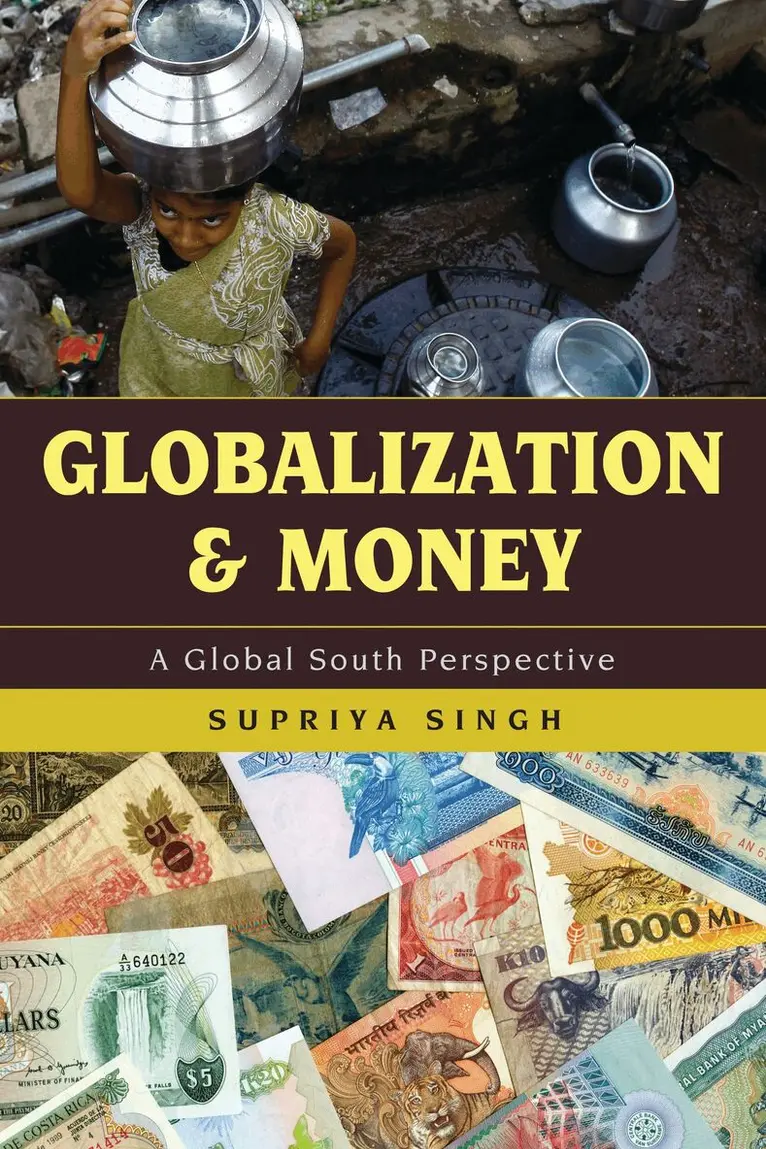
Globalization and Money
A Global South Perspective
Inbunden, 2013
1422 kr
Lägg i varukorg
Globalization and Money explores how men and women, particularly the poor and the unbanked in the global South, use money in ways that empower themselves and their families. Supriya Singh argues that money as a medium of relationships across cultures is a central component of globalization. She …
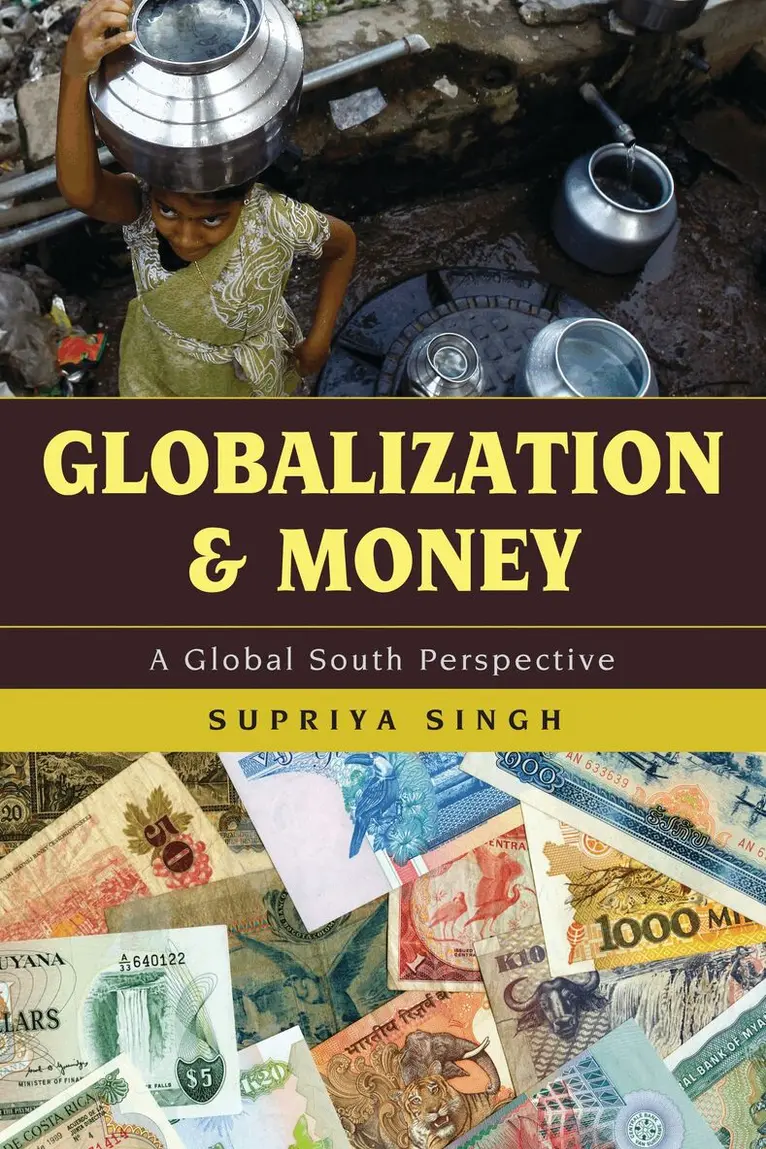
Globalization and Money
A Global South Perspective
Häftad, 2013
516 kr
Lägg i varukorg
Globalization and Money explores how men and women, particularly the poor and the unbanked in the global South, use money in ways that empower themselves and their families. Supriya Singh argues that money as a medium of relationships across cultures is a central component of globalization. She …
Globalization and Money
A Global South Perspective
E-bok, 2013
561 kr
Lägg i varukorg
Globalization and Money explores how men and women, particularly the poor and the unbanked in the global South, use money in ways that empower themselves and their families. Supriya Singh argues that money as a medium of relationships across cultures is a central component of globalization. She …