Susan Benedict – författare
Visar alla böcker från författaren Susan Benedict. Handla med fri frakt och snabb leverans.
7 produkter
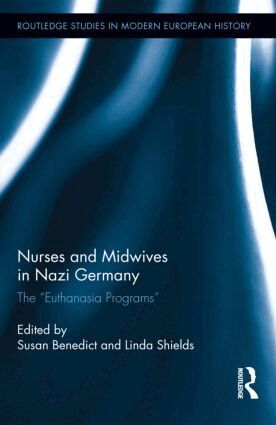
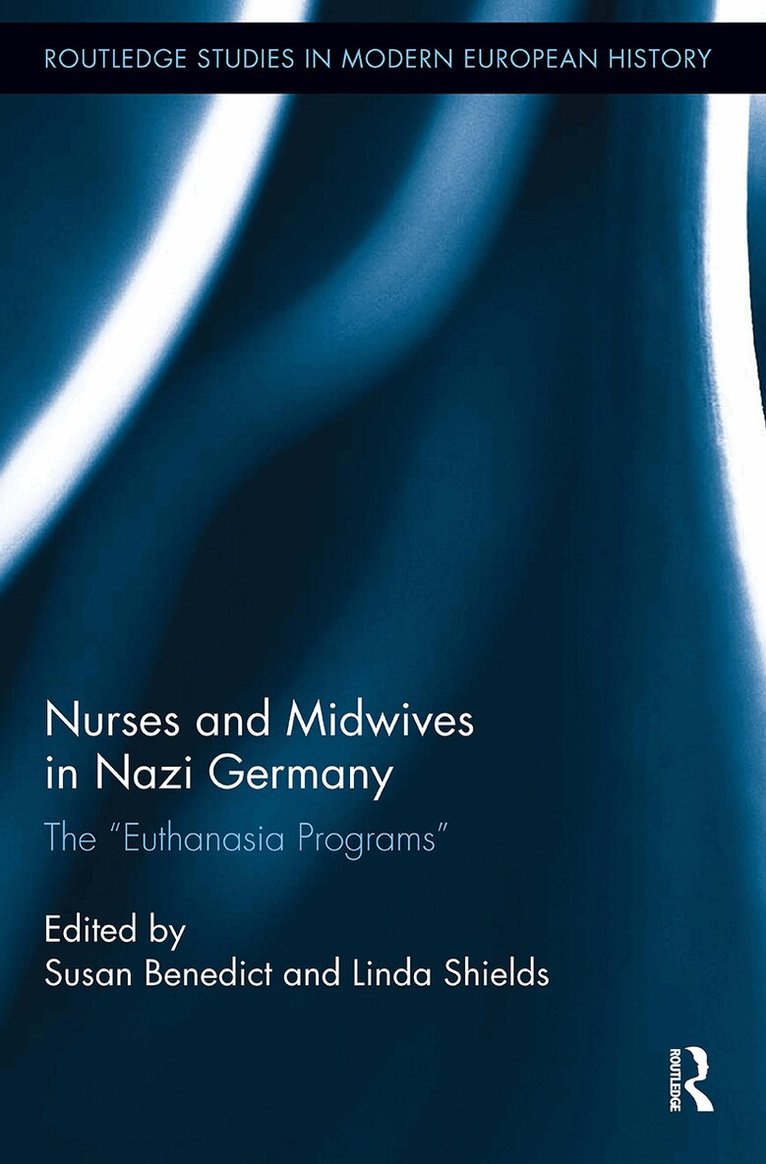
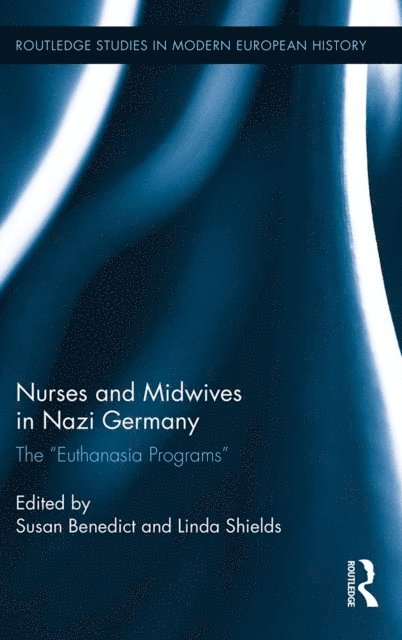
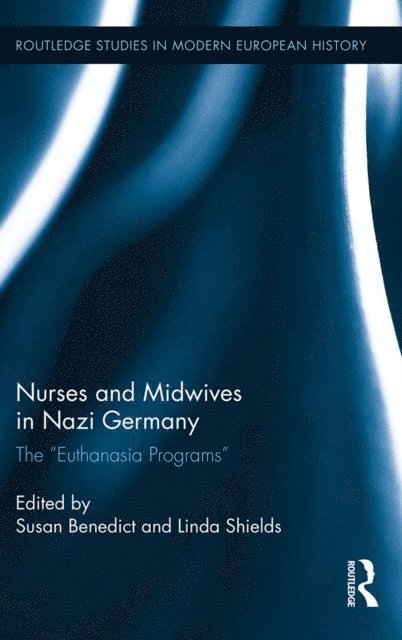
Nurses and Midwives in Nazi Germany
The "Euthanasia Programs"
Av Susan Benedict, Linda Shields
Inbunden, 2014
2578 kr
Lägg i varukorg
This book is about the ethics of nursing and midwifery, and how these were abrogated during the Nazi era. Nurses and midwives actively killed their patients, many of whom were disabled children and infants and patients with mental (and other) illnesses or intellectual disabilities. The book gives …
Nurses and Midwives in Nazi Germany
The "Euthanasia Programs"
Av Susan Benedict, Linda Shields
Häftad, 2024
665 kr
Lägg i varukorg
This book is about the ethics of nursing and midwifery, and how these were abrogated during the Nazi era. Nurses and midwives actively killed their patients, many of whom were disabled children and infants and patients with mental (and other) illnesses or intellectual disabilities. The book gives …
Nurses and Midwives in Nazi Germany
The "Euthanasia Programs"
Av Linda Shields, Susan Benedict
E-bok, 2014
768 kr
Lägg i varukorg
This book is about the ethics of nursing and midwifery, and how these were abrogated during the Nazi era. Nurses and midwives actively killed their patients, many of whom were disabled children and infants and patients with mental (and other) illnesses or intellectual disabilities. The book gives …
Nurses and Midwives in Nazi Germany
The "Euthanasia Programs"
Av Linda Shields, Susan Benedict
E-bok, 2014
768 kr
Lägg i varukorg
This book is about the ethics of nursing and midwifery, and how these were abrogated during the Nazi era. Nurses and midwives actively killed their patients, many of whom were disabled children and infants and patients with mental (and other) illnesses or intellectual disabilities. The book gives …
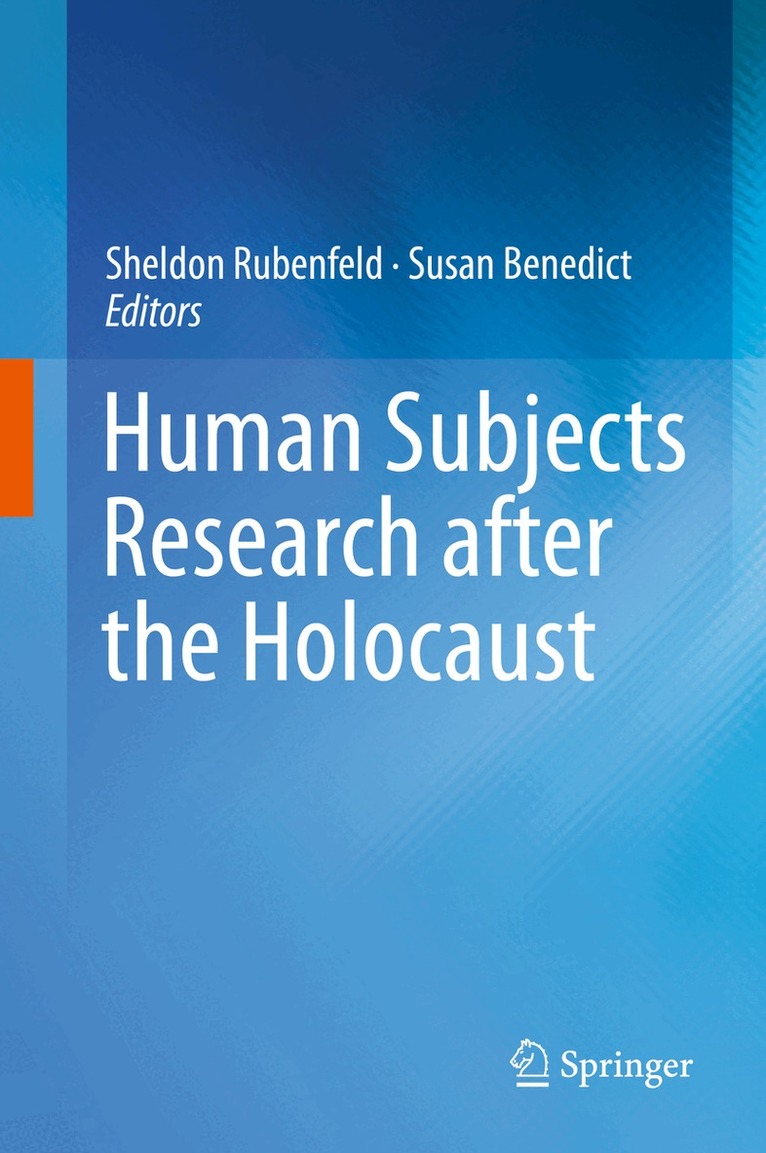
Human Subjects Research after the Holocaust
Av Sheldon Rubenfeld, Susan Benedict
Inbunden, 2014
1128 kr
Lägg i varukorg
“An engaging, compelling and disturbing confrontation with evil …a book that will be transformative in its call for individual and collective moral responsibility." – Michael A. Grodin, M.D., Professor and Director, Project on Medicine and the Holocaust, Elie Wiesel Center for Judaic Studies, …
Human Subjects Research after the Holocaust
Av Susan Benedict, Sheldon Rubenfeld
E-bok, 2014
1470 kr
Lägg i varukorg
“An engaging, compelling and disturbing confrontation with evil …a book that will be transformative in its call for individual and collective moral responsibility." – Michael A. Grodin, M.D., Professor and Director, Project on Medicine and the Holocaust, Elie Wiesel Center for Judaic Studies, …
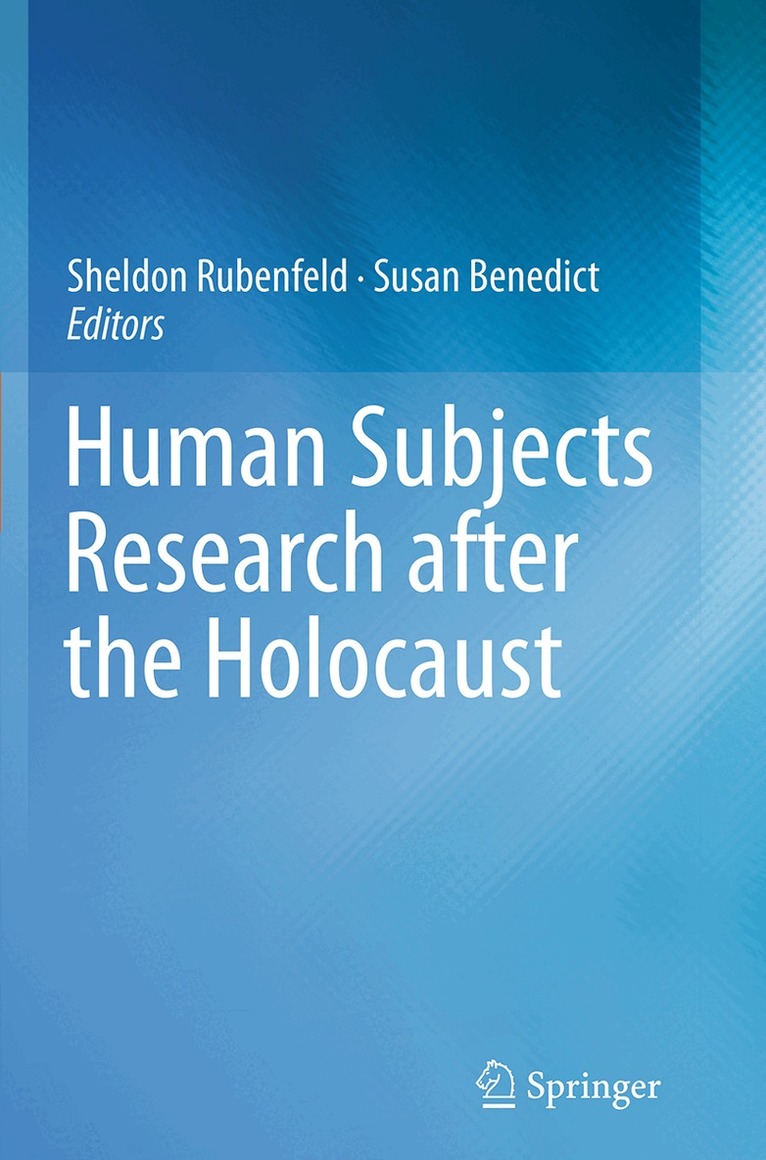
Human Subjects Research after the Holocaust
Av Sheldon Rubenfeld, Susan Benedict
Häftad, 2016
1128 kr
Lägg i varukorg
“An engaging, compelling and disturbing confrontation with evil …a book that will be transformative in its call for individual and collective moral responsibility." – Michael A. Grodin, M.D., Professor and Director, Project on Medicine and the Holocaust, Elie Wiesel Center for Judaic Studies, …