746 kr
Susan Blackmore – författare
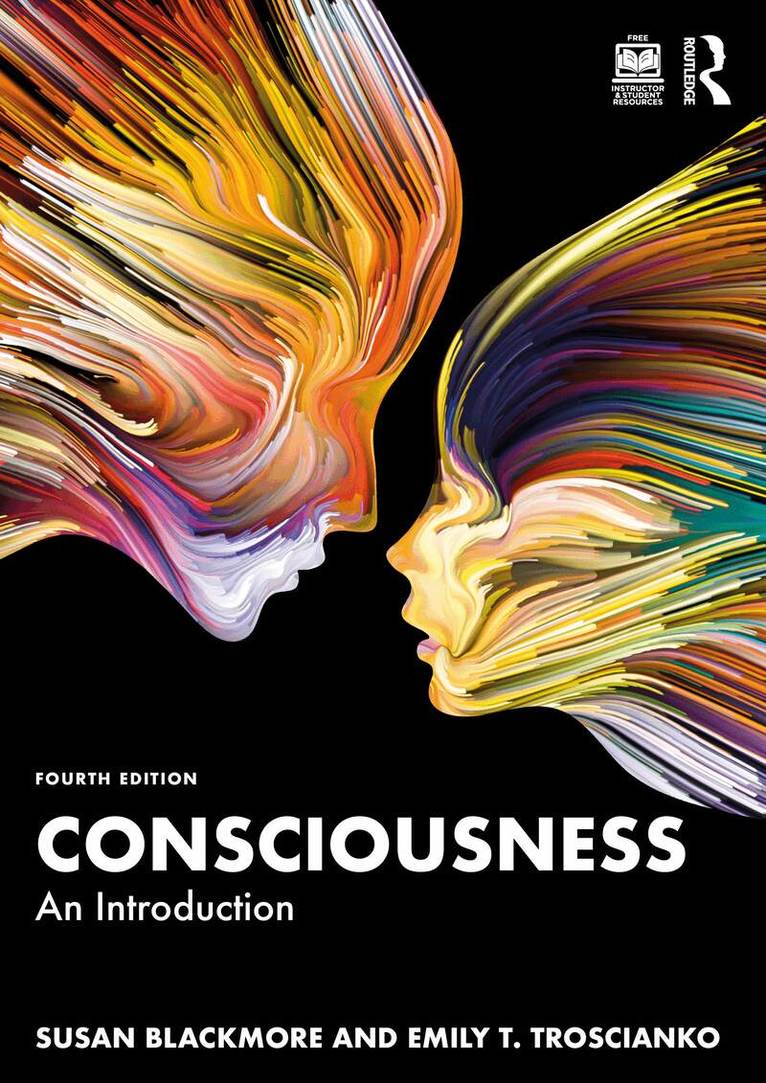
- Häftad, Engelska, 2024Now in its fourth edition, this highly popular text is the definitive introduction to consciousness, exploring the key theories and evidence in consciousness studies ranging from neuroscience and psychology to quantum theories and philosophy.Written by mother and daughter author team Susan Blackmore and Emily Troscianko, the book examines why the term ‘consciousness’ has no recognised definition. It also provides an opportunity to delve into personal intuitions about the self, mind, and consciousness. Featuring comprehensive coverage of all core topics in the field, the book explains why the problem of consciousness is so hard. Theories of attention and free will, altered states of consciousness, and the differences between conscious and unconscious are all explored. Written with students of psychology, neuroscience, and philosophy in mind, this edition has been thoroughly updated throughout, and includes expanded coverage of panpsychism, illusionism, predictive processing, adversarial collaboration, psychedelics, and AI.Complete with key concept boxes, profiles of well-known thinkers, and questions and activities designed for both independent study and group work, Consciousness provides a complete introduction to this fascinating field, and is essential reading for students of psychology, philosophy, and neuroscience.
- Häftad, Engelska, 2017
133 kr
Skickas inom 5-8 vardagar
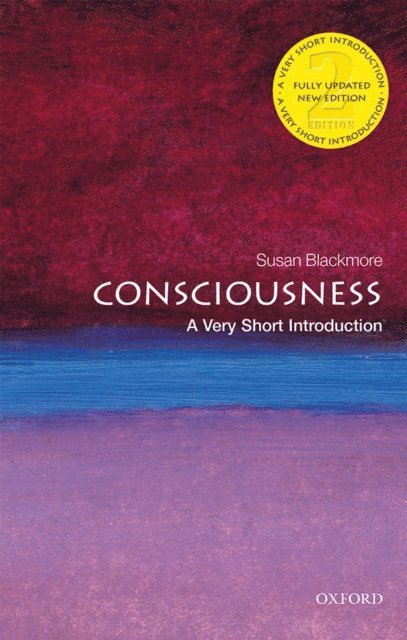
Consciousness, 'the last great mystery for science', remains a hot topic. How can a physical brain create our experience of the world? What creates our identity? Do we really have free will? Could consciousness itself be an illusion? Exciting new developments in brain science are continuing the debates on these issues, and the field has now expanded to include biologists, neuroscientists, psychologists, and philosophers. This controversial book clarifies the potentially confusing arguments, and the major theories, whilst also outlining the amazing pace of discoveries in neuroscience. Covering areas such as the construction of self in the brain, mechanisms of attention, the neural correlates of consciousness, and the physiology of altered states of consciousness, Susan Blackmore highlights our latest findings.ABOUT THE SERIES: The Very Short Introductions series from Oxford University Press contains hundreds of titles in almost every subject area. These pocket-sized books are the perfect way to get ahead in a new subject quickly. Our expert authors combine facts, analysis, perspective, new ideas, and enthusiasm to make interesting and challenging topics highly readable. - Häftad, Engelska, 2000
161 kr
Skickas
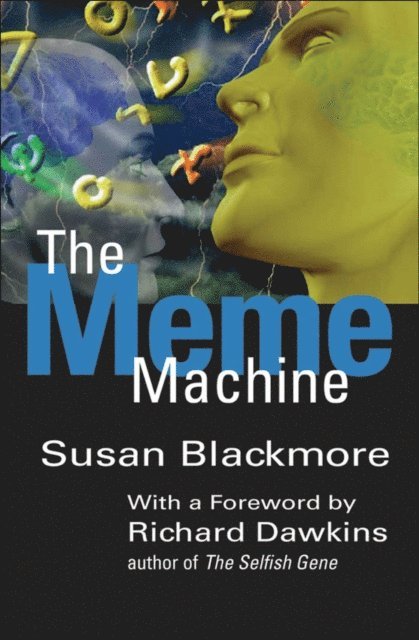
Humans are extraordinary creatures, with the unique ability among animals to imitate and so copy from one another ideas, habits, skills, behaviours, inventions, songs, and stories. These are all memes, a term first coined by Richard Dawkins in 1976 in his book The Selfish Gene. Memes, like genes, are replicators, and this enthralling book is an investigation of whether this link between genes and memes can lead to important discoveries about the nature of the inner self. Confronting the deepest questions about our inner selves, with all our emotions, memories, beliefs, and decisions, Susan Blackmore makes a compelling case for the theory that the inner self is merely an illusion created by the memes for the sake of replication. - Häftad, Engelska, 2011
228 kr
Skickas inom 5-8 vardagar
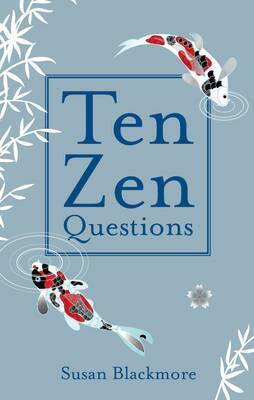
Susan Blackmore combines the latest scientific theories about mind, self, and consciousness with a lifetime’s practice of Zen.Framed by ten critical questions that are derived from Zen’s teachings, Zen and the Art of Consciousness explores how intellectual enquiry and meditation can expand your understanding and experience of consciousness and tackle some of today’s greatest scientific mysteries. - E-bokPDF, Engelska, 2005
119 kr
Läs direkt efter köp
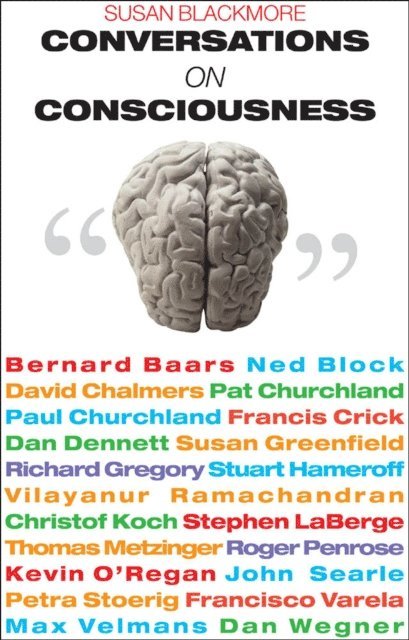
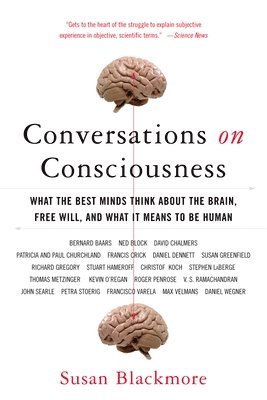
Conversations on Consciousness is just that - a series of twenty lively and challenging conversations between Sue Blackmore and some of the world''s leading philosophers and scientists. Written in a colloquial and engaging style the book records the conversations Sue had when she met these influential thinkers, whether at conferences in Arizona or Antwerp, or in their labs or homes in Oxford or San Diego. The conversations bring out their very differentpersonalities and styles and reveal a wealth of fascinating detail about their theories and beliefs.Why is consciousness such a special and difficult issue for twenty-first century science? Sue, herself a researcher into this controversial and difficult topic, begins by asking each of her colleagues this simple question and is immediately plunged into the depths of the debate: How do the subjective experiences we call consciousness arise from the physical brain? Is this even the right question to ask? Can zombies - people who behave outwardly just like others but have no inner mental life -exist? What can dreams tell us about consciousness? Should we all be learning to meditate? Do we have free will, and if not is it possible to live without it?With an introduction setting out the broad structure of the debate on consciousness, and an extensive glossary, this book provides an engaging and accessible account of the most challenging problem of all, through the words of some of the leading figures involved in seeking to solve it. - E-bokEngelska, 2000
142 kr
Läs direkt efter köp
Humans are extraordinary creatures, with the unique ability among animals to imitate and so copy from one another ideas, habits, skills, behaviours, inventions, songs, and stories. These are all memes, a term first coined by Richard Dawkins in 1976 in his book The Selfish Gene. Memes, like genes, are replicators, and this enthralling book is an investigation of whether this link between genes and memes can lead to important discoveries about the nature of the inner self. Confronting the deepest questions about our inner selves, with all our emotions, memories, beliefs, and decisions, Susan Blackmore makes a compelling case for the theory that the inner self is merely an illusion created by the memes for the sake of replication. - E-bokEngelska, 2005
119 kr
Läs direkt efter köp
Conversations on Consciousness is just that - a series of twenty lively and challenging conversations between Sue Blackmore and some of the world''s leading philosophers and scientists. Written in a colloquial and engaging style the book records the conversations Sue had when she met these influential thinkers, whether at conferences in Arizona or Antwerp, or in their labs or homes in Oxford or San Diego. The conversations bring out their very differentpersonalities and styles and reveal a wealth of fascinating detail about their theories and beliefs.Why is consciousness such a special and difficult issue for twenty-first century science? Sue, herself a researcher into this controversial and difficult topic, begins by asking each of her colleagues this simple question and is immediately plunged into the depths of the debate: How do the subjective experiences we call consciousness arise from the physical brain? Is this even the right question to ask? Can zombies - people who behave outwardly just like others but have no inner mental life -exist? What can dreams tell us about consciousness? Should we all be learning to meditate? Do we have free will, and if not is it possible to live without it?With an introduction setting out the broad structure of the debate on consciousness, and an extensive glossary, this book provides an engaging and accessible account of the most challenging problem of all, through the words of some of the leading figures involved in seeking to solve it. - E-bokPDF, Engelska, 2017
115 kr
Läs direkt efter köp
Consciousness, ''the last great mystery for science'', remains a hot topic. How can a physical brain create our experience of the world? What creates our identity? Do we really have free will? Could consciousness itself be an illusion? Exciting new developments in brain science are continuing the debates on these issues, and the field has now expanded to include biologists, neuroscientists, psychologists, and philosophers. This controversial book clarifies the potentially confusing arguments, and the major theories, whilst also outlining the amazing pace of discoveries in neuroscience. Covering areas such as the construction of self in the brain, mechanisms of attention, the neural correlates of consciousness, and the physiology of altered states of consciousness, Susan Blackmore highlights our latest findings.ABOUT THE SERIES: The Very Short Introductions series from Oxford University Press contains hundreds of titles in almost every subject area. These pocket-sized books are the perfect way to get ahead in a new subject quickly. Our expert authors combine facts, analysis, perspective, new ideas, and enthusiasm to make interesting and challenging topics highly readable. - E-bokEngelska, 2017
115 kr
Läs direkt efter köp
Consciousness, ''the last great mystery for science'', remains a hot topic. How can a physical brain create our experience of the world? What creates our identity? Do we really have free will? Could consciousness itself be an illusion? Exciting new developments in brain science are continuing the debates on these issues, and the field has now expanded to include biologists, neuroscientists, psychologists, and philosophers. This controversial book clarifies the potentially confusing arguments, and the major theories, whilst also outlining the amazing pace of discoveries in neuroscience. Covering areas such as the construction of self in the brain, mechanisms of attention, the neural correlates of consciousness, and the physiology of altered states of consciousness, Susan Blackmore highlights our latest findings.ABOUT THE SERIES: The Very Short Introductions series from Oxford University Press contains hundreds of titles in almost every subject area. These pocket-sized books are the perfect way to get ahead in a new subject quickly. Our expert authors combine facts, analysis, perspective, new ideas, and enthusiasm to make interesting and challenging topics highly readable. - Häftad, Engelska, 2006
150 kr
Skickas
Conversations on Consciousness is just that - a series of twenty lively and challenging conversations between Sue Blackmore and some of the world's leading philosophers and scientists. Written in a colloquial and engaging style the book records the conversations Sue had when she met these influential thinkers, whether at conferences in Arizona or Antwerp, or in their labs or homes in Oxford or San Diego. The conversations bring out their very different personalities and styles and reveal a wealth of fascinating detail about their theories and beliefs. Why is consciousness such a special and difficult issue for twenty-first century science? Sue, herself a researcher into this controversial and difficult topic, begins by asking each of her colleagues this simple question and is immediately plunged into the depths of the debate: How do the subjective experiences we call consciousness arise from the physical brain? Is this even the right question to ask? Can zombies - people who behave outwardly just like others but have no inner mental life - exist? What can dreams tell us about consciousness? Should we all be learning to meditate? Do we have free will, and if not is it possible to live without it? With an introduction setting out the broad structure of the debate on consciousness, and an extensive glossary, this book provides an engaging and accessible account of the most challenging problem of all, through the words of some of the leading figures involved in seeking to solve it. - E-bokPDF, Engelska, 2024
874 kr
Läs direkt efter köp
Now in its fourth edition, this highly popular text is the definitive introduction to consciousness, exploring the key theories and evidence in consciousness studies ranging from neuroscience and psychology to quantum theories and philosophy.
Written by mother and daughter author team Susan Blackmore and Emily Troscianko, the book examines why the term ‘consciousness’ has no recognised definition. It also provides an opportunity to delve into personal intuitions about the self, mind, and consciousness. Featuring comprehensive coverage of all core topics in the field, the book explains why the problem of consciousness is so hard. Theories of attention and free will, altered states of consciousness, and the differences between conscious and unconscious are all explored. Written with students of psychology, neuroscience, and philosophy in mind, this edition has been thoroughly updated throughout, and includes expanded coverage of panpsychism, illusionism, predictive processing, adversarial collaboration, psychedelics, and AI.
Complete with key concept boxes, profiles of well-known thinkers, and questions and activities designed for both independent study and group work, Consciousness provides a complete introduction to this fascinating field, and is essential reading for students of psychology, philosophy, and neuroscience.
- E-bokEngelska, 2024
872 kr
Läs direkt efter köp
Now in its fourth edition, this highly popular text is the definitive introduction to consciousness, exploring the key theories and evidence in consciousness studies ranging from neuroscience and psychology to quantum theories and philosophy.
Written by mother and daughter author team Susan Blackmore and Emily Troscianko, the book examines why the term ‘consciousness’ has no recognised definition. It also provides an opportunity to delve into personal intuitions about the self, mind, and consciousness. Featuring comprehensive coverage of all core topics in the field, the book explains why the problem of consciousness is so hard. Theories of attention and free will, altered states of consciousness, and the differences between conscious and unconscious are all explored. Written with students of psychology, neuroscience, and philosophy in mind, this edition has been thoroughly updated throughout, and includes expanded coverage of panpsychism, illusionism, predictive processing, adversarial collaboration, psychedelics, and AI.
Complete with key concept boxes, profiles of well-known thinkers, and questions and activities designed for both independent study and group work, Consciousness provides a complete introduction to this fascinating field, and is essential reading for students of psychology, philosophy, and neuroscience.
- Inbunden, Engelska, 2024
2 184 kr
Skickas inom 10-15 vardagar
Now in its fourth edition, this highly popular text is the definitive introduction to consciousness, exploring the key theories and evidence in consciousness studies ranging from neuroscience and psychology to quantum theories and philosophy.Written by mother and daughter author team Susan Blackmore and Emily Troscianko, the book examines why the term ‘consciousness’ has no recognised definition. It also provides an opportunity to delve into personal intuitions about the self, mind, and consciousness. Featuring comprehensive coverage of all core topics in the field, the book explains why the problem of consciousness is so hard. Theories of attention and free will, altered states of consciousness, and the differences between conscious and unconscious are all explored. Written with students of psychology, neuroscience, and philosophy in mind, this edition has been thoroughly updated throughout, and includes expanded coverage of panpsychism, illusionism, predictive processing, adversarial collaboration, psychedelics, and AI.Complete with key concept boxes, profiles of well-known thinkers, and questions and activities designed for both independent study and group work, Consciousness provides a complete introduction to this fascinating field, and is essential reading for students of psychology, philosophy, and neuroscience. - Häftad, Engelska, 2020
160 kr
Skickas inom 10-15 vardagar
Essential reading for anyone seeking to understand their own mind and to find a spiritual path that is compatible with scienceAs an impressionable young student, Susan Blackmore had an intense, dramatic and life-changing experience, seeming to leave her body and travel the world. With no rational explanation for her out-of-body experience (OBE) she turned to astral projection and the paranormal, but soon despaired of finding answers. Decades later, a Swiss neurosurgeon accidentally discovered the spot in the brain that can induce OBEs and everything changed; this crucial spot is part of the brain's self-system and when disturbed so is our experience of self. Blackmore leaped back into OBE research and at last began to unravel what had happened to her. Seeing Myself describes her long quest for answers through spirituality, religion, drugs, meditation, philosophy and neuroscience.Anyone can have an OBE, indeed 15 per cent of us have. Even more have experienced sleep paralysis, lucid dreaming and the creepy sense of an invisible presence. At last, with the advent of brain stimulation, fMRI scanning and virtual reality, all these phenomena are beginning to make sense. Long relegated to the very fringes of research, the new science of out-of-body experiences is now contributing to our understanding of consciousness and our very selves. 44 kr
Läs direkt efter köp
Essential reading for anyone seeking to understand their own mind and to find a spiritual path that is compatible with scienceAs an impressionable young student, Susan Blackmore had an intense, dramatic and life-changing experience, seeming to leave her body and travel the world. With no rational explanation for her out-of-body experience (OBE) she turned to astral projection and the paranormal, but soon despaired of finding answers. Decades later, a Swiss neurosurgeon accidentally discovered the spot in the brain that can induce OBEs and everything changed; this crucial spot is part of the brain''s self-system and when disturbed so is our experience of self. Blackmore leaped back into OBE research and at last began to unravel what had happened to her. Seeing Myself describes her long quest for answers through spirituality, religion, drugs, meditation, philosophy and neuroscience.Anyone can have an OBE, indeed 15 per cent of us have. Even more have experienced sleep paralysis, lucid dreaming and the creepy sense of an invisible presence. At last, with the advent of brain stimulation, fMRI scanning and virtual reality, all these phenomena are beginning to make sense. Long relegated to the very fringes of research, the new science of out-of-body experiences is now contributing to our understanding of consciousness and our very selves.
- E-bokEngelska, 2014
103 kr
Läs direkt efter köp
Who are you? When are you? What were you conscious of a moment ago?Susan Blackmore combines the latest scientific theories about mind, self, and consciousness with a lifetime’s practice of Zen. Framed by ten critical questions that are derived from Zen’s teachings, Zen and the Art of Consciousness explores how intellectual enquiry and meditation can expand your understanding and experience of consciousness and tackle some of today’s greatest scientific mysteries. - E-bokFranska, 2006
319 kr
Läs direkt efter köp
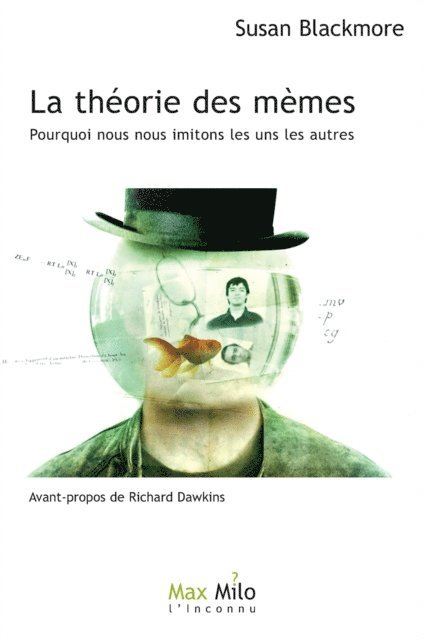
Qu’est-ce qui distingue les hommes des animaux ? Le langage ? La raison ? La conscience ? La créativité ? Et s’il ne s’agissait là que de leurres ? Et si la spécificité de l’homme, c’était avant tout son incroyable capacité à imiter ses semblables ? Nous sommes, déclare Susan Blackmore, des machines mimétiques contagieuses. Tandis que les gènes utilisent le corps humain dans leur lutte pour la suprématie des caractères physiques, les mèmes colonisent nos cerveaux pour dominer nos comportements, nos habitudes, nos croyances. Or si l’altruisme, la foi, le langage, l’amour, nous sont commandés de l’extérieur, peut-on encore dire que le Moi existe ? Un livre culte qui embrase le monde scientifique international.
Diplômée d’Oxford, psychologue et spécialiste de la conscience, Susan Blackmore enseigne la mémétique à l’université de Bristol, en Angleterre.
Susan Blackmore, née en 1951 à Londres, enseigne à l’université de West of England, à Bristol. Elle est psychologue et physiologue, diplômée d’Oxford. Elle a publié de nombreux articles dans des revues scientifiques ainsi que des magazines. Elle est connue pour ses textes sur la conscience, d’inspiration bouddhiste.
- Del 2023 - suhrkamp taschenbücher wissenschaft
Gespräche über Bewußtsein
Häftad, Tyska, 2012257 kr
Skickas inom 3-6 vardagar
- Häftad, Tyska, 2005
359 kr
Skickas inom 10-15 vardagar
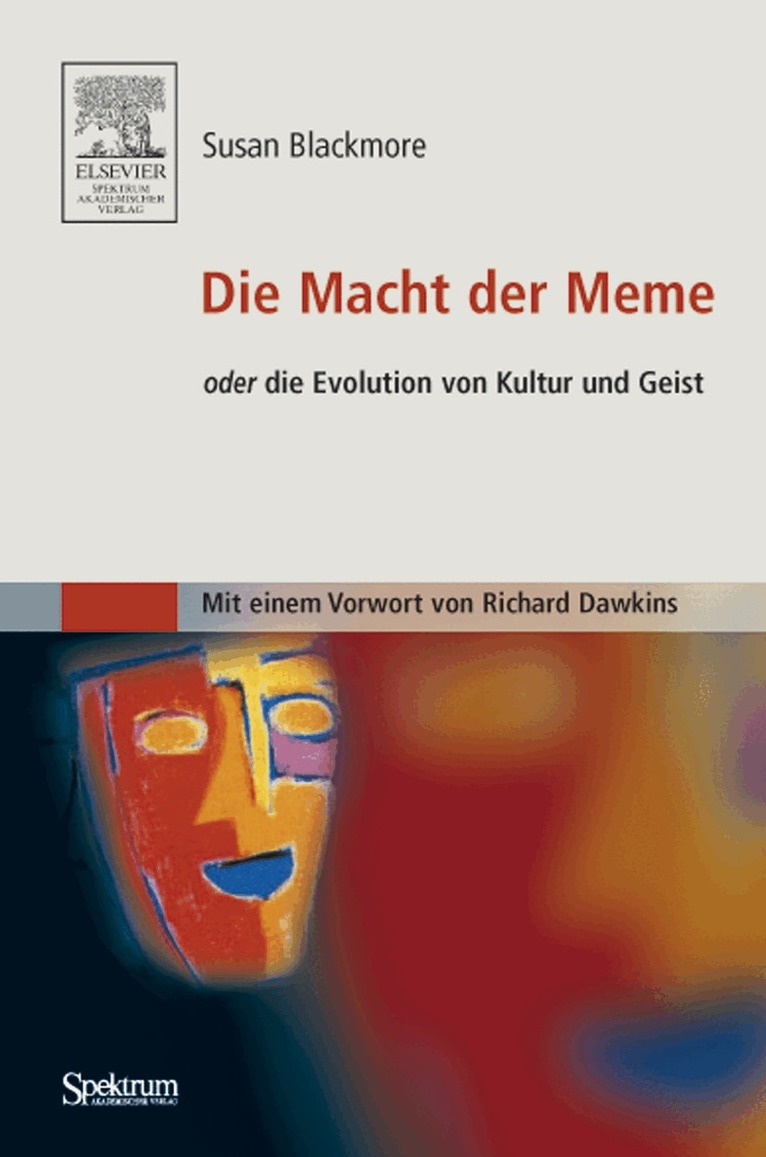
Wir Menschen sind erstaunliche Wesen. Unsere Körper sind in der Evolution - genau wie die aller Tiere - durch natürliche Selektion entstanden, und doch unterscheiden wir uns von sämtlichen anderen Geschöpfen in vielfältiger Weise. Wir nutzen Sprache zur Kommunikation. Wir führen Kriege, glauben an Religionen, bestatten unsere Toten und sind bei Sex-Themen peinlich berührt. Wir sehen fern, fahren Auto und essen Eis. Warum sind wir so anders? Als einzige Vertreter unter den Tieren vermögen Menschen andere zu imitieren und können so Ideen, Angewohnheiten, Fähigkeiten, Verhaltensweisen, Erfindungen, Lieder und Geschichten untereinander kopieren. All das sind Meme, ein Begriff, den Richard Dawkins 1976 am Ende seines Buches Das egoistische Gen geprägt hat. Wie Gene sind auch Meme Replikatoren; sie wetteifern darum, in so viele Gehirne wie möglich zu gelangen, und diese Konkurrenz der Meme hat unseren Geist und unsere Kultur geformt, so wie die natürliche Selektion unsere Körper modelliert hat. Wir Menschen sind, wozu die Meme uns gemacht haben: Wir sind allesamt Mem-Maschinen.Ist die Analogie zwischen Memen und Genen überhaupt hilfreich? Führt sie uns weiter - zu starken neuen Theorien, die tatsächlich etwas Wichtiges erklären? Diese Fragen wirft Richard Dawkins in seinem Vorwort zu dem Buch auf, und seiner Ansicht nach gewinnt Susan Blackmore eben hier eigene Statur. >Sie gewöhnt uns zunächst mit einigen faszinierenden Denkanstößen an den memetischen Stil der Argumentation. Warum reden wir so viel? Warum können wir nicht aufhören zu denken? Warum schwirren uns bestimmte Melodien im Kopf herum und quälen uns bis zur Schlaflosigkeit?Ihre Antwort leitet sie in allen Fällen auf die gleiche Weise ein: "Stellen Sie sich eine Welt voller Gehirne vor, in der es weitaus mehr Meme gibt, als unterkommen können. Nun fragen Sie sich: Welche Meme werden mit größerer Wahrscheinlichkeit einen sicheren Unterschlupf finden und weiter gegebenwerden?" Die Antwort ist einleuchtend, und sie verhilft uns zu einem besseren Verständnis unserer selbst. Susan Blackmore geht geduldig und geschickt weiter vor und wendet dieselbe Methode auf immer tiefgründigere und interessantere Probleme an. Wozu ist Sprache da? Was zieht uns an unseren Geschlechtspartnern an? Warum sind wir nett zueinander? Waren Meme die Triebfeder für die rasche, massive und erstaunliche evolutionäre Vergrößerung des menschlichen Gehirns? - Inbunden, Engelska, 2022
266 kr
Skickas
Vårt medvetande är unikt som vetenskapligt ämne. Till att börja med finns det ingen konsensus kring hur det ska definieras. Åsikterna går isär om hur med vilka metoder man bör närma sig det. Under många decennier var medvetandeforskningen bortglömd av den akademiska världen, begravd under behaviorismen och den kognitiva vetenskapen. Nu har den återigen tagit plats på scen som ett relevant område inom vetenskaplig forskning.
Denna nyutgåva av essäsamlingen från 2016 innehåller en ny text av dr Christof Koch, som ger en sammanfattning av den utveckling som skett sedan boken publicerades första gången. Den har också ett uppdaterat förord av Kurt Almqvist. Boken är en milstolpe i den vetenskapliga forskningen kring medvetande och utkommer enbart på engelska.
- Häftad, Engelska, 2007
268 kr
Tillfälligt slut
- Inbunden, Engelska, 2009
137 kr
Tillfälligt slut
Using Zen meditation to unravel the mysteries of consciousness.The calming and de-stressing benefits of Zen meditation have long been known, but scientists are now considering its huge potential to influence our ability to understand and experience consciousness – though few will say it! Susan Blackmore is about to change all that: she’s a world expert in brain science who has also been practising Zen meditation for over twenty-five years. In this revolutionary book, she doesn’t push any religious or spiritual agenda but simply presents the methods used in Zen as an aid to help us understand consciousness and identity – concepts which have stumped scientists and philosophers – in an exciting new way. Each chapter takes as its starting point one of Zen’s - and science's - most intriguing questions such as, "Am I conscious now?" and "How does thought arise?"