Susan Rodiek - Böcker
Visar alla böcker från författaren Susan Rodiek. Handla med fri frakt och snabb leverans.
4 produkter
4 produkter
2 707 kr
Skickas inom 10-15 vardagar
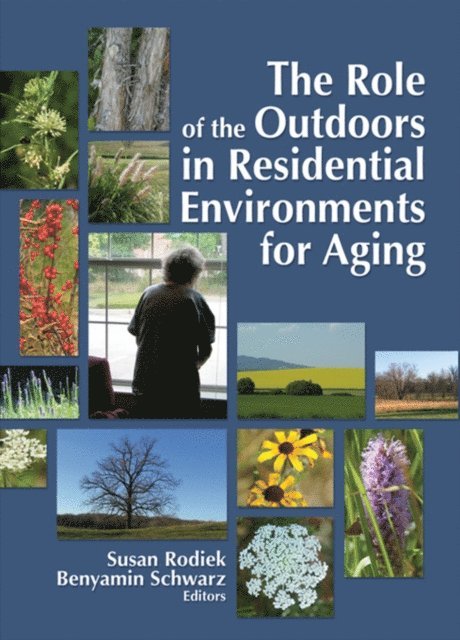
Discover the physical and mental benefits of outdoor spaces for the elderlyThe Role of the Outdoors in Residential Environments for Aging presents new insights on the positive role nature and the outdoors can play in the lives of older adults, whether they live in the community, in an assisted-living environment, or in a skilled nursing facility. Current research suggests that increased contact and activity levels with the outdoors can be an important therapeutic resource for the elderly, with significant mental and physical health benefits. This unique book examines how to make the most of outdoor spaces in residential settings, exploring attitudes and patterns of use, the effect of plants, the physical environment, and health-related outcomes from contact with nature and enhanced physical activity. The famous landscape architect Luis Barragan once said, A garden must combine the poetic and the mysterious with serenity and joy. The outdoors is a highly desired and potentially valuable resource for older people, making it essential for design practitioners, care providers, policy planners, and consumer advocates to target specific ways of planning communities and long-term care facilities, as well as activity programs, to maximize the use of outdoor spaces in residential settings. The benefits are many: increased well-being for residents, improved market appeal and stabilized occupancy levels for long-term care providers, increased market share for design practitioners, and a better understanding of this under-researched issue by academics. The book’s contributors provide perspectives from a variety of disciplines, including architecture and landscape architecture, gerontology, environmental psychology, and horticulture therapy.The Role of the Outdoors in Residential Environments for Aging includes:interviews with residents living in three different long-term care facilities about the significance of outdoor green spaces in their environment reasons for underused spaces in housing projects and recommendations for site redesigns the features of outdoor environments that attractand deterusage specific recommendations for older adults of a particular culture the reasons older people engage in indoor and outdoor physical activites an environmental support model the effects of viewing natural landscapes on the blood pressures and heart rates of elderly women restorative experiences in natural and built environments design features, outdoor amenities, and green elements and much moreThe Role of the Outdoors in Residential Environments for Aging is an invaluable resourcefor long-term care providers, design practitioners, academics, and anyone else who provides mental and physical health care to older adults.
898 kr
Skickas inom 10-15 vardagar
Discover the physical and mental benefits of outdoor spaces for the elderlyThe Role of the Outdoors in Residential Environments for Aging presents new insights on the positive role nature and the outdoors can play in the lives of older adults, whether they live in the community, in an assisted-living environment, or in a skilled nursing facility. Current research suggests that increased contact and activity levels with the outdoors can be an important therapeutic resource for the elderly, with significant mental and physical health benefits. This unique book examines how to make the most of outdoor spaces in residential settings, exploring attitudes and patterns of use, the effect of plants, the physical environment, and health-related outcomes from contact with nature and enhanced physical activity. The famous landscape architect Luis Barragan once said, A garden must combine the poetic and the mysterious with serenity and joy. The outdoors is a highly desired and potentially valuable resource for older people, making it essential for design practitioners, care providers, policy planners, and consumer advocates to target specific ways of planning communities and long-term care facilities, as well as activity programs, to maximize the use of outdoor spaces in residential settings. The benefits are many: increased well-being for residents, improved market appeal and stabilized occupancy levels for long-term care providers, increased market share for design practitioners, and a better understanding of this under-researched issue by academics. The book’s contributors provide perspectives from a variety of disciplines, including architecture and landscape architecture, gerontology, environmental psychology, and horticulture therapy.The Role of the Outdoors in Residential Environments for Aging includes:interviews with residents living in three different long-term care facilities about the significance of outdoor green spaces in their environment reasons for underused spaces in housing projects and recommendations for site redesigns the features of outdoor environments that attractand deterusage specific recommendations for older adults of a particular culture the reasons older people engage in indoor and outdoor physical activites an environmental support model the effects of viewing natural landscapes on the blood pressures and heart rates of elderly women restorative experiences in natural and built environments design features, outdoor amenities, and green elements and much moreThe Role of the Outdoors in Residential Environments for Aging is an invaluable resourcefor long-term care providers, design practitioners, academics, and anyone else who provides mental and physical health care to older adults.
2 788 kr
Skickas inom 10-15 vardagar
Learn how gardens and parks can be beneficial to residents Mounting evidence reveals that nature and outdoor environments provide individuals with dementia greater enjoyment in life, lower stress levels, and positive changes to physical well-being. Outdoor Environments for People with Dementia explores how fulfilling the fundamental genetically based need of human relationships with nature can improve the health and well-being of people with dementia. Top experts analyze current research and comprehensively examine how the design processes of gardens and parks can be closely connected to effective interventions. Evaluation tools for those with dementia are discussed, including studies of the impact of plants and outdoor activities on this population. Outdoor Environments for People with Dementia discusses in detail practical approaches that can significantly improve the quality of life for dementia victims. Research is discussed revealing important aspects and issues needing to be addressed when creating better outdoor environments that are effective in helping residents of long term care facilities and residential care homes. The text is extensively referenced and provides several tables, figures, and photographs to clearly illustrate concepts. Topics discussed in Outdoor Environments for People with Dementia include:the impact of outdoor wandering parks and therapeutic gardens on people with dementia empirical studies on how access to and participation in nature-related activities can benefit people with dementia interventions to restore people with dementia having directed-attention fatigue evaluation tools for gardens for people with dementia research-based design recommendations for future gardens theories and empirical studies about healing gardens training staff to increase their knowledge about horticulture and encouraging them to involve residents in outdoor activities general guidelines for developing an outdoor space examination of the attributes for the superior outdoor space found in Grand Rapids, Michigan, with design recommendations for the future Outdoor Environments for People with Dementia is a valuable resource for scholars, policymakers, legislators, architects and urban planners, lending institutions, developers, landscape architects, and the lay public in general who have an interest in the subjectpersonal, professional, or civic.
1 328 kr
Skickas inom 10-15 vardagar
Learn how gardens and parks can be beneficial to residents Mounting evidence reveals that nature and outdoor environments provide individuals with dementia greater enjoyment in life, lower stress levels, and positive changes to physical well-being. Outdoor Environments for People with Dementia explores how fulfilling the fundamental genetically based need of human relationships with nature can improve the health and well-being of people with dementia. Top experts analyze current research and comprehensively examine how the design processes of gardens and parks can be closely connected to effective interventions. Evaluation tools for those with dementia are discussed, including studies of the impact of plants and outdoor activities on this population. Outdoor Environments for People with Dementia discusses in detail practical approaches that can significantly improve the quality of life for dementia victims. Research is discussed revealing important aspects and issues needing to be addressed when creating better outdoor environments that are effective in helping residents of long term care facilities and residential care homes. The text is extensively referenced and provides several tables, figures, and photographs to clearly illustrate concepts. Topics discussed in Outdoor Environments for People with Dementia include:the impact of outdoor wandering parks and therapeutic gardens on people with dementia empirical studies on how access to and participation in nature-related activities can benefit people with dementia interventions to restore people with dementia having directed-attention fatigue evaluation tools for gardens for people with dementia research-based design recommendations for future gardens theories and empirical studies about healing gardens training staff to increase their knowledge about horticulture and encouraging them to involve residents in outdoor activities general guidelines for developing an outdoor space examination of the attributes for the superior outdoor space found in Grand Rapids, Michigan, with design recommendations for the future Outdoor Environments for People with Dementia is a valuable resource for scholars, policymakers, legislators, architects and urban planners, lending institutions, developers, landscape architects, and the lay public in general who have an interest in the subjectpersonal, professional, or civic.