Susan Sherratt – författare
Visar alla böcker från författaren Susan Sherratt. Handla med fri frakt och snabb leverans.
5 produkter
5 produkter
Häftad, Engelska, 1996
691 kr
Skickas inom 5-8 vardagar
E-bok
Engelska, 2021138 kr
Läs direkt efter köp
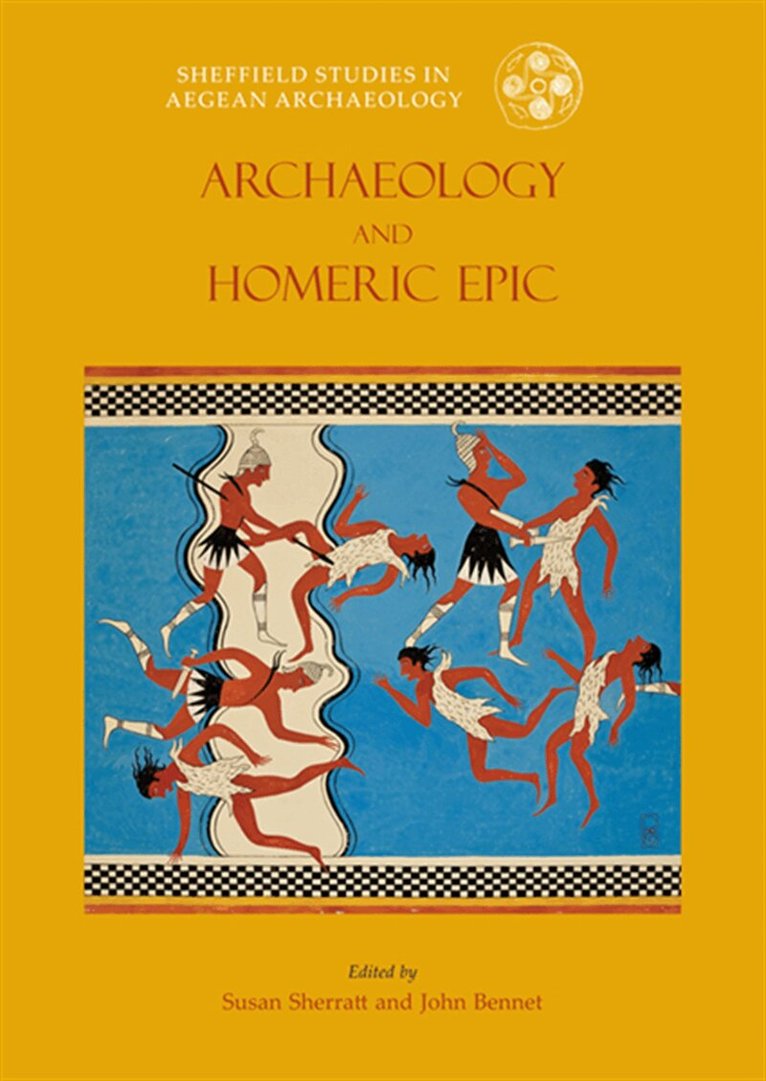
The relationship between the Homeric epics and archaeology has long suffered mixed fortunes, swinging between 'fundamentalist' attempts to use archaeology in order to demonstrate the essential historicity of the epics and their background, and outright rejection of the idea that archaeology is capable of contributing anything at all to our understanding and appreciation of the epics. Archaeology and the Homeric Epic concentrates less on historicity in favor of exploring a variety of other, perhaps sometimes more oblique, ways in which we can use a multidisciplinary approach – archaeology, philology, anthropology and social history – to help offer insights into the epics, the contexts of their possibly prolonged creation, aspects of their 'prehistory', and what they may have stood for at various times in their long oral and written history. The effects of the Homeric epics on the history and popular reception of archaeology, especially in the particular context of modern Germany, is also a theme that is explored here. Contributors explore a variety of issues including the relationships between visual and verbal imagery, the social contexts of epic (or sub-epic) creation or re-creation, the roles of bards and their relationships to different types of patrons and audiences, the construction and uses of 'history' as traceable through both epic and archaeology and the relationship between 'prehistoric' (oral) and 'historical' (recorded in writing) periods. Throughout, the emphasis is on context and its relevance to the creation, transmission, re-creation and manipulation of epic in the present (or near-present) as well as in the ancient Greek past.EPUB3: Reflowable
Häftad, Engelska, 2023
628 kr
Skickas
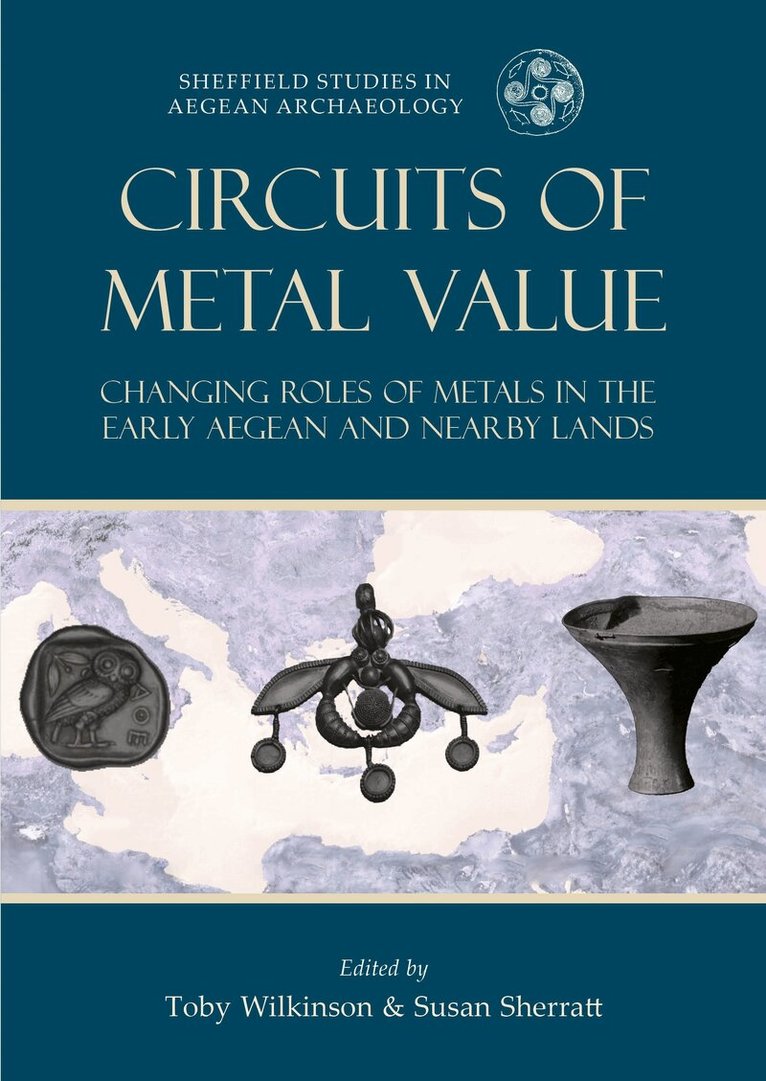
This volume explores the part played by different metals in use from the fourth millennium BC to the Early Iron Age, not only in the Aegean but also in the wider Old World. It addresses the divergent uses and roles of different metals, the interrelationships of these roles and the changing values that may have been accorded to them at different times and in different places by producers and consumers. Individually, the papers in the volume contemplate the particular properties of different metals and the various issues concerning their frequent under-representation in the archaeological (but not necessarily textual) record, and also point out comparative and diachronic perspectives that may have the ability to offer insights into their important roles in wider cultural and historical changes over a period of several millennia. After the Introduction and Chapter 1, which reflects on some of the parameters involved in the term ‘precious’ as applied to metals, the remaining six chapters cover the Aegean and the networks that link the Aegean with Italy, Cyprus and the Near East more generally, and south-east Anatolia and the Caucasus. Between them they discuss the beginnings of regular iron metallurgy, the uses of and attitudes to gold, silver and bronze and other copper-based alloys at various times between the fourth millennium BC and the Early Iron Age.
Häftad, Engelska, 2005
1 367 kr
Skickas inom 5-8 vardagar
123 kr
Läs direkt efter köp
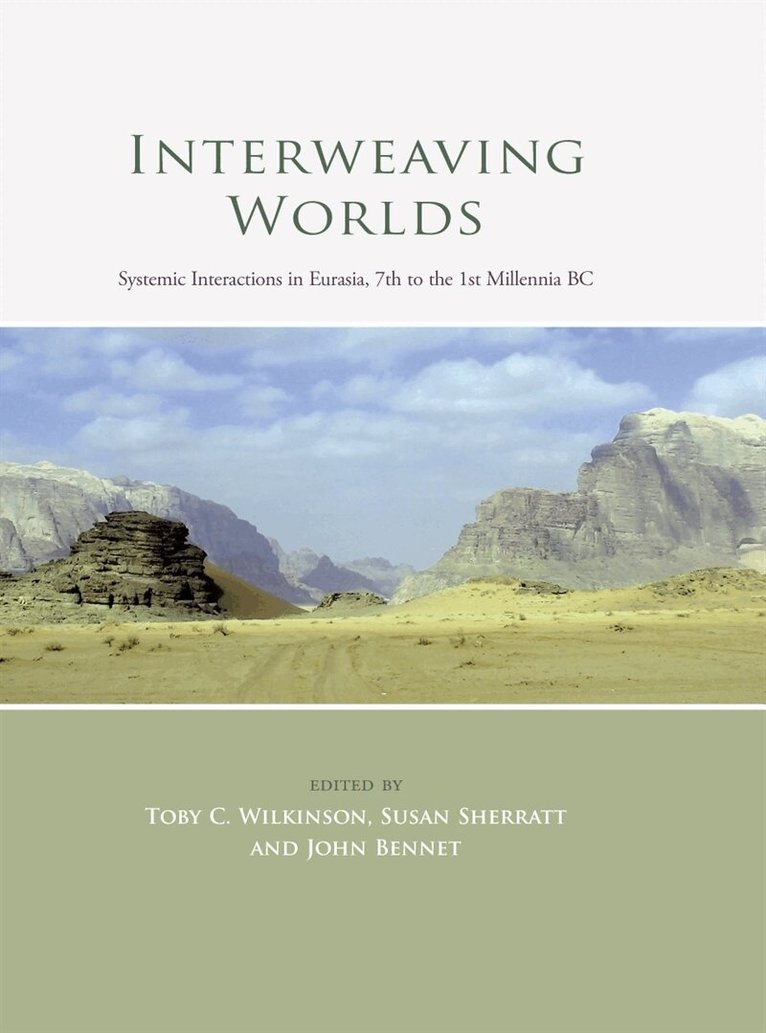
How do we understand the systemic interactions that took place in and between different regions of prehistoric Eurasia and their consequences for individuals, groups and regions on both a theoretical and empirical basis? Such interactions helped create economic and cultural spheres that were mutually dependent yet distinct. This volume, emerging from a conference hosted in memory of Professor Andrew Sherratt in Sheffield in April 2008 and in honour of his contributions to large-scale economic history, presents some diverse archaeological responses to this problem. These range from from "world-systems" through "ritual economies" to "textile rivalries" and address the challenge of documenting, explaining and understanding the progressively more interwoven worlds of prehistoric Eurasia.