Toby C. Wilkinson – författare
Visar alla böcker från författaren Toby C. Wilkinson. Handla med fri frakt och snabb leverans.
5 produkter
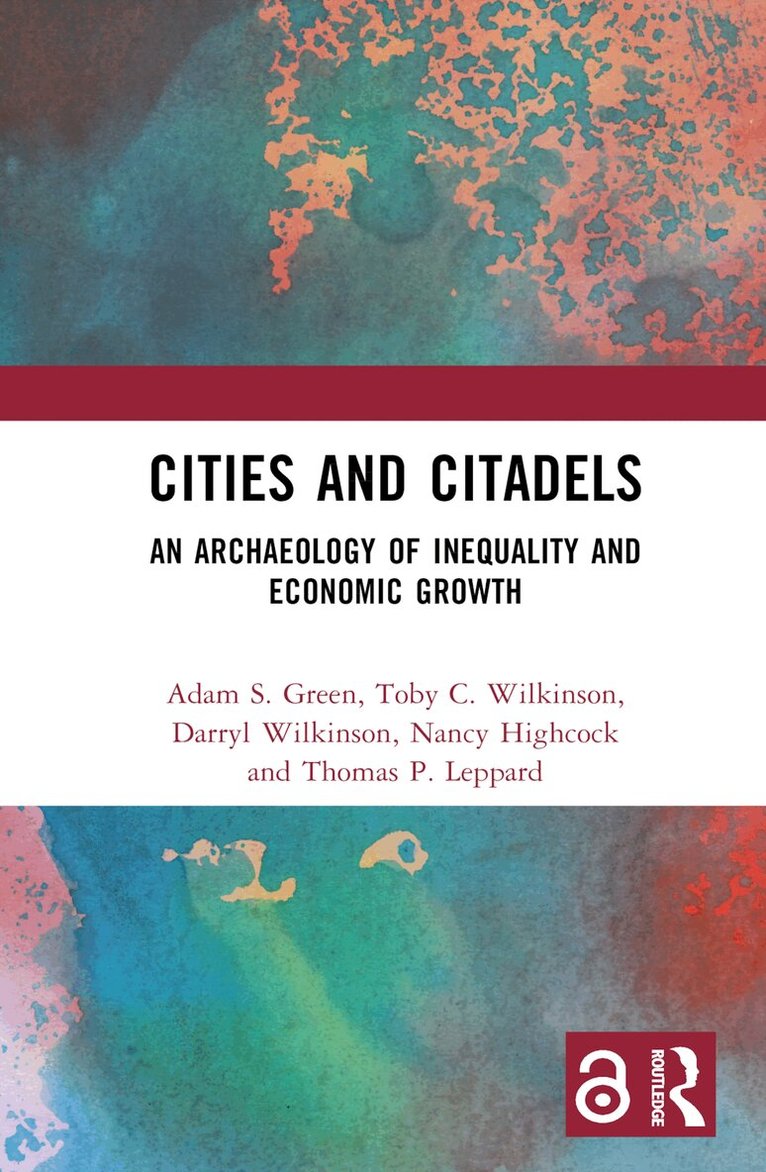
Cities and Citadels
An Archaeology of Inequality and Economic Growth
Av Adam S. Green, Toby C. Wilkinson m. fl.
Inbunden, 2023
2585 kr
Lägg i varukorg
Cities and Citadels provides an urgent update of archaeology’s engagement with economic theory.Recent events have forced a major reassessment of economic thinking. In the wake of the 2008 Great Recession and the economic impact of the COVID-19 Pandemic, the world finds itself in unprecedented …
Cities and Citadels
An Archaeology of Inequality and Economic Growth
Av Adam S. Green, Toby C. Wilkinson m. fl.
Häftad, 2025
726 kr
Lägg i varukorg
Cities and Citadels provides an urgent update of archaeology’s engagement with economic theory.Recent events have forced a major reassessment of economic thinking. In the wake of the 2008 Great Recession and the economic impact of the COVID-19 Pandemic, the world finds itself in unprecedented …
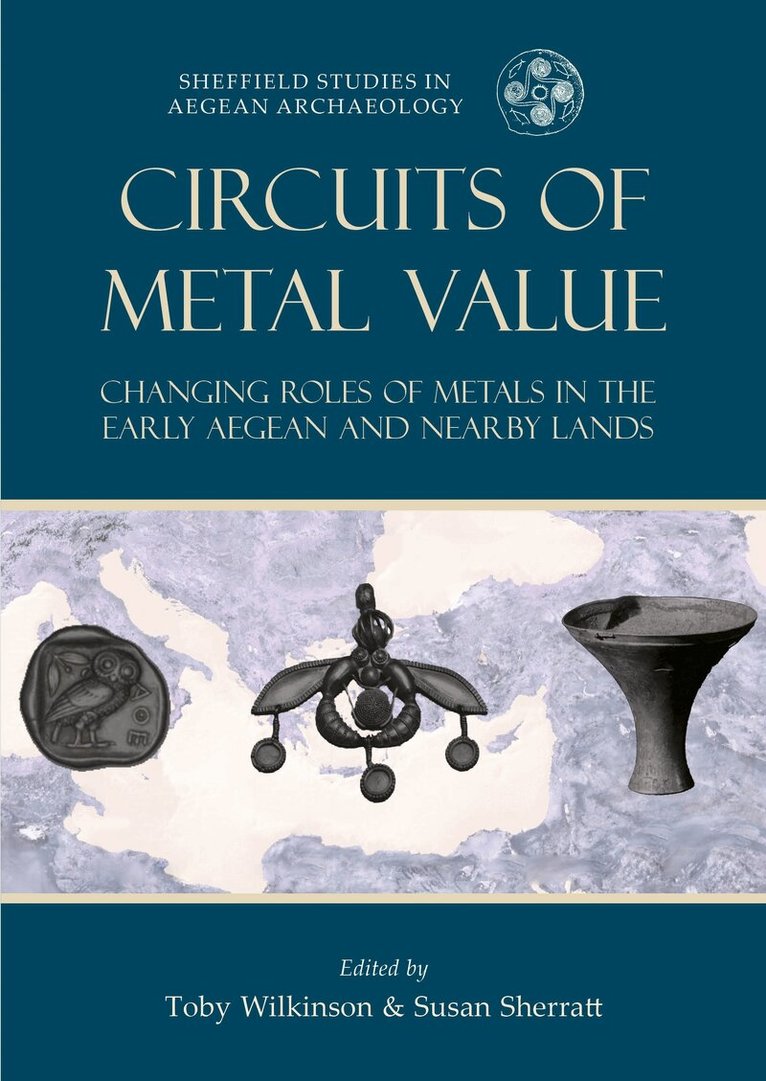
Circuits of Metal Value
Changing Roles of Metals in the Early Aegean and Nearby Lands
Av Toby C Wilkinson, Susan Sherratt
Häftad, 2023
644 kr
Lägg i varukorg
This volume explores the part played by different metals in use from the fourth millennium BC to the Early Iron Age, not only in the Aegean but also in the wider Old World. It addresses the divergent uses and roles of different metals, the interrelationships of these roles and the changing values …
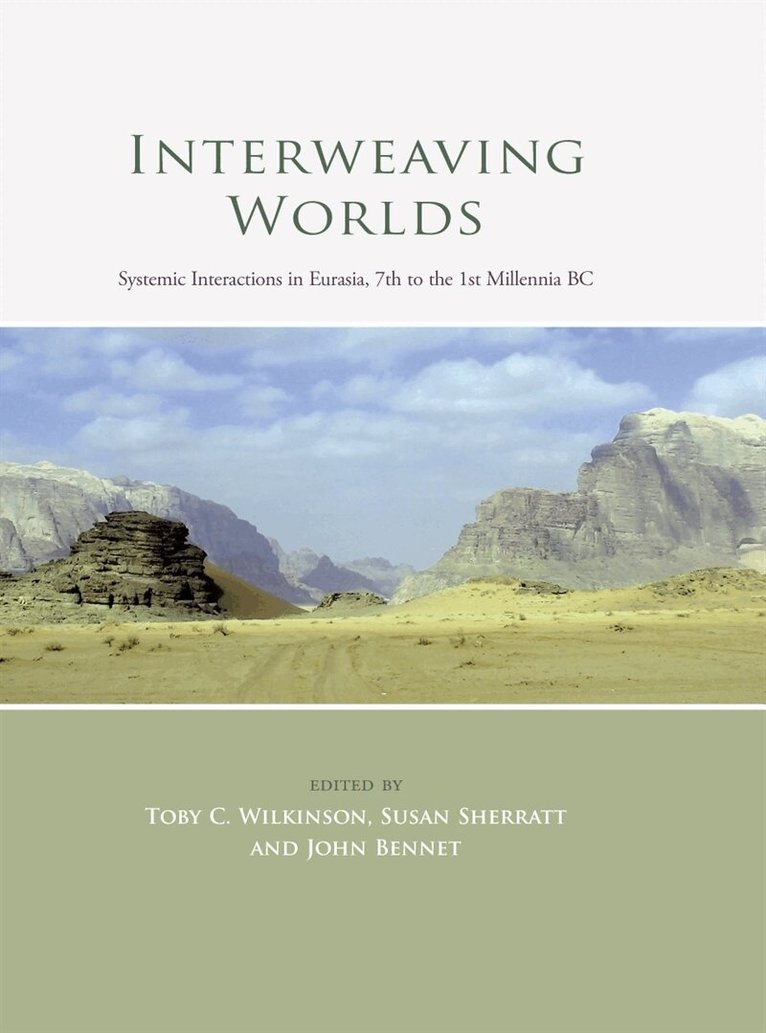
Interweaving Worlds
Systemic Interactions in Eurasia, 7th to the 1st Millennia BC
Av Susan Sherratt, John Bennet m. fl.
E-bok, 2021
126 kr
Lägg i varukorg
How do we understand the systemic interactions that took place in and between different regions of prehistoric Eurasia and their consequences for individuals, groups and regions on both a theoretical and empirical basis? Such interactions helped create economic and cultural spheres that were …
Tying the Threads of Eurasia
Häftad, 2014
1425 kr
Lägg i varukorg
The famous ‘Silk Roads’ have long evoked a romantic picture of travel through colourful civilizations that connected the western and eastern poles of Eurasia, facilitating the exchange of exotic luxury goods, peoples, pathogens and ideas. But how far back can we trace such interaction? Increasing …