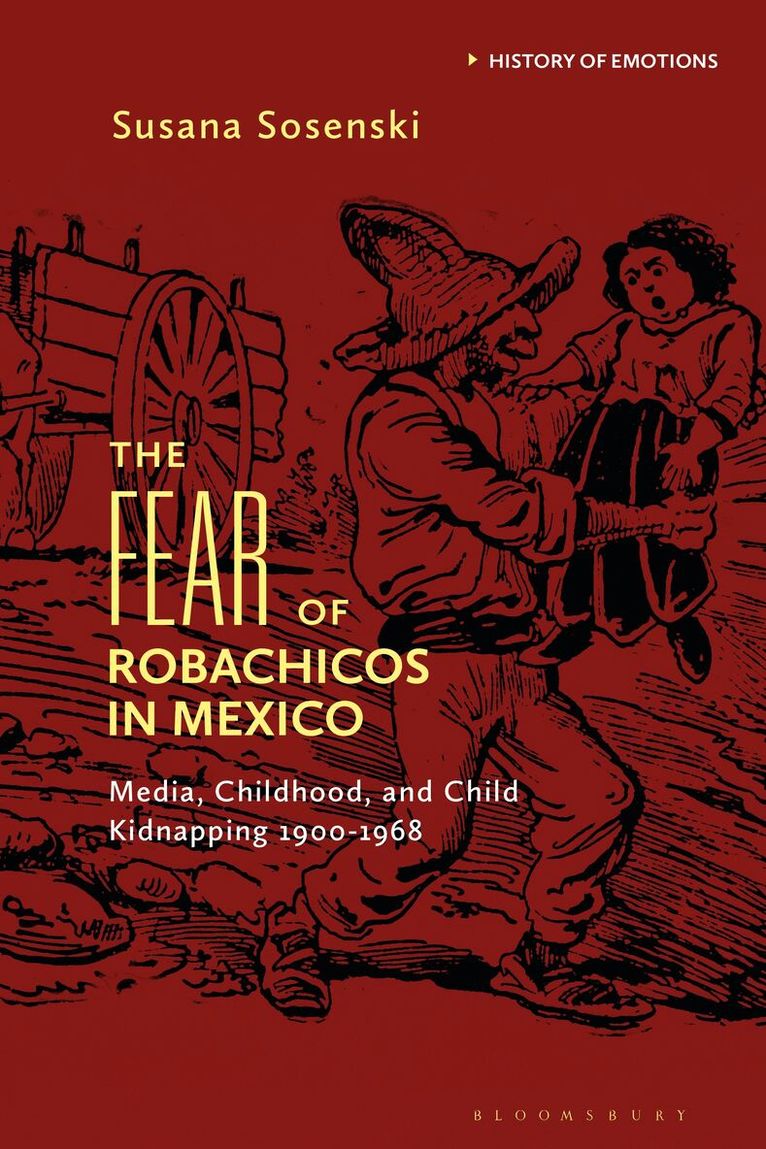
Civil society organizations report that fourteen children disappear every day in Mexico. This book studies the origins of this social phenomenon and its consequences, not only in the emotional sphere, but also in how children have been treated. Focusing on children’s special positions within Mexican society rather than criminal acts or the implementation of the law, Sosenski links social and cultural history, the history of crime and fear, the application of justice and the media’s role, childhood and the city to paint a multi-dimensional picture of child abduction and its causes.Exploring the social impact of child protection policies and the figure of the robachicos, or child kidnapper, Soneski draws from oral traditions, films and books, songs and plays; all of which embody a culture of fear and danger reported and accentuated by a mass media response. The Fear of Robachicos in Mexico focuses on the role of the media and entertainment in the legitimization of violence toward children and the objectification of their lives, stripping them of their right to freedom and curtailing their autonomy.
Civil society organizations report that fourteen children disappear every day in Mexico. This book studies the origins of this social phenomenon and its consequences, not only in the emotional sphere, but also in how children have been treated. Focusing on children''s special positions within Mexican society rather than criminal acts or the implementation of the law, Sosenski links social and cultural history, the history of crime and fear, the application of justice and the media''s role, childhood and the city to paint a multi-dimensional picture of child abduction and its causes.Exploring the social impact of child protection policies and the figure of the robachicos, or child kidnapper, Soneski draws from oral traditions, films and books, songs and plays; all of which embody a culture of fear and danger reported and accentuated by a mass media response. The Fear of Robachicos in Mexico focuses on the role of the media and entertainment in the legitimization of violence toward children and the objectification of their lives, stripping them of their right to freedom and curtailing their autonomy.
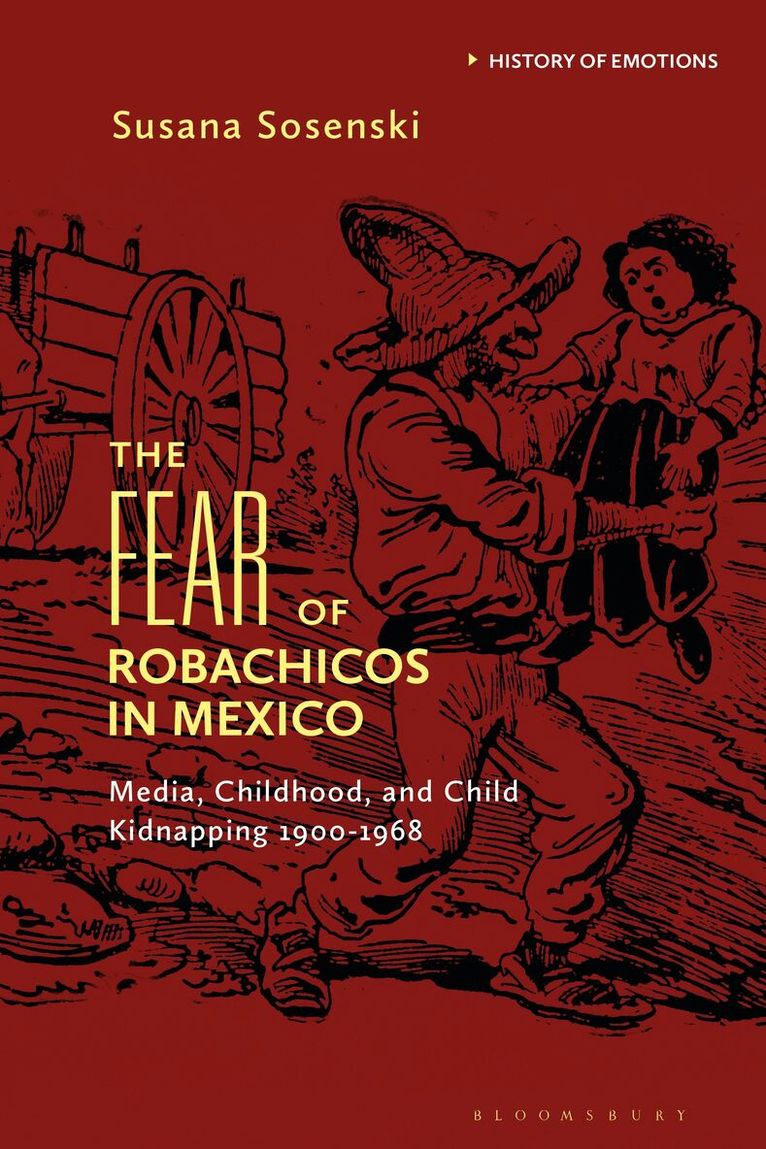
Civil society organizations report that fourteen children disappear every day in Mexico. This book studies the origins of this social phenomenon and its consequences, not only in the emotional sphere, but also in how children have been treated. Focusing on children’s special positions within Mexican society rather than criminal acts or the implementation of the law, Sosenski links social and cultural history, the history of crime and fear, the application of justice and the media’s role, childhood and the city to paint a multi-dimensional picture of child abduction and its causes.Exploring the social impact of child protection policies and the figure of the robachicos, or child kidnapper, Soneski draws from oral traditions, films and books, songs and plays; all of which embody a culture of fear and danger reported and accentuated by a mass media response. The Fear of Robachicos in Mexico focuses on the role of the media and entertainment in the legitimization of violence toward children and the objectification of their lives, stripping them of their right to freedom and curtailing their autonomy.

Colección de artículos sobre los estereotipos alrededor de los sujetos considerados criminales o "peligrosos" en el imaginario colectivo de la Ciudad de México a mediados del siglo XX. Recupera fuentes como medio impresos, películas, programas televisivos, estampas, caricaturas, historietas, cartones y un largo etcétera.
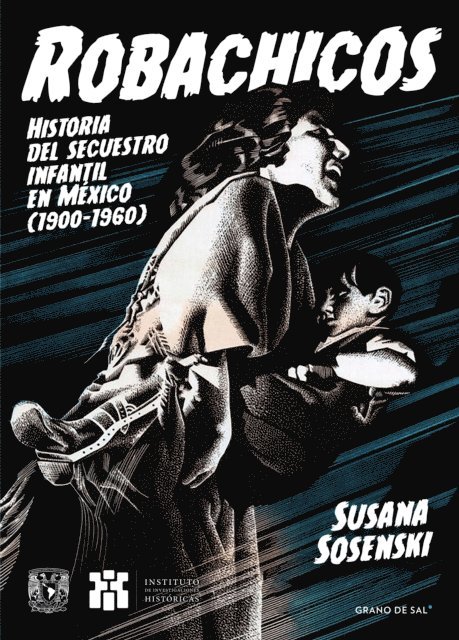
El robachicos es una especie de centauro, un ser en parte imaginario y en parte emanado de la más dura realidad. Lo hemos visto al doblar la esquina, al colarse en alguna canción infantil o protagonizar películas e historietas, al leer este reportaje en el periódico o escuchar aquellas charlas entre vecinos. Como en la redondilla de sor Juana, en la que uno pone el coco y luego le tiene miedo, este personaje urbano surgió en el México de la primera mitad del siglo XX y poco a poco colonizó la imaginación de padres y autoridades, que en su afán por proteger a la infancia produjeron un continuo clima de alarma que logró expulsar a niños y niñas del espacio público. Susana Sosenski emprende en estas estremecedoras páginas el estudio del secuestro infantil, sus múltiples causas —desde la explotación sexual hasta el afán de algunas mujeres de "realizarse" como madres—, el tratamiento jurídico de un delito que no siempre consideró al menor de edad como su víctima, los efectos que la prensa, los cómics y el cine tuvieron en la creciente población citadina. Gracias a la lectura de expedientes judiciales y publicaciones periódicas, y mediante el análisis de algunos casos emblemáticos, como el de Fernando Bohigas o Norma Granat, la autora describe cómo la sociedad intentó asimilar este atroz fenómeno y cómo los prejuicios alentados por los medios de comunicación sirvieron para culpabilizar a ciertos grupos sociales y crear un caldo de cultivo en el que prosperó el pánico. Conocer la historia del secuestro infantil en nuestro país debería ayudarnos a erradicar de una vez por todas una práctica que aún hoy nos lacera.