Susanna B. Hecht – författare
Visar alla böcker från författaren Susanna B. Hecht. Handla med fri frakt och snabb leverans.
9 produkter
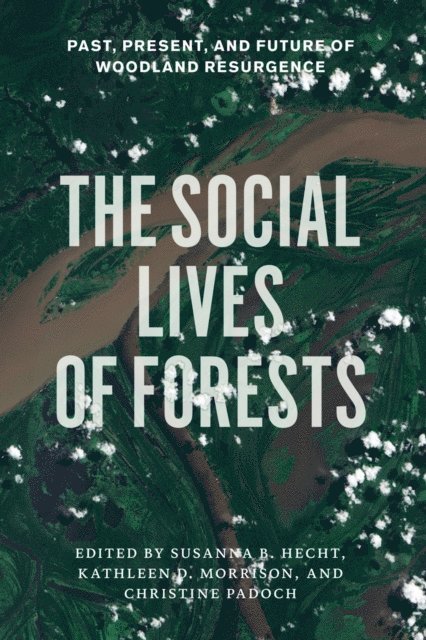
Social Lives of Forests
Past, Present, and Future of Woodland Resurgence
Av Christine Padoch, Kathleen D. Morrison m. fl.
E-bok, 2014
593 kr
Lägg i varukorg
Forests are in decline, and the threats these outposts of nature face—including deforestation, degradation, and fragmentation—are the result of human culture. Or are they? This volume calls these assumptions into question, revealing forests’ past, present, and future conditions to be the joint …
Social Lives of Forests
Past, Present, and Future of Woodland Resurgence
Av Susanna B. Hecht, Kathleen D. Morrison m. fl.
Inbunden, 2014
849 kr
Lägg i varukorg
Forests are in decline, and the threats these outposts of nature face - including deforestation, degradation, and fragmentation - are the result of human culture. Or are they? This volume calls these assumptions into question, revealing forests' past, present, and future conditions to be the joint …
Social Lives of Forests
Past, Present, and Future of Woodland Resurgence
Av Susanna B. Hecht, Kathleen D. Morrison m. fl.
Häftad, 2016
279 kr
Lägg i varukorg
Forests are in decline, and the threats these outposts of nature face-including deforestation, degradation, and fragmentation-are the result of human culture. Or are they? This volume calls these assumptions into question, revealing forests' past, present, and future conditions to be the joint …
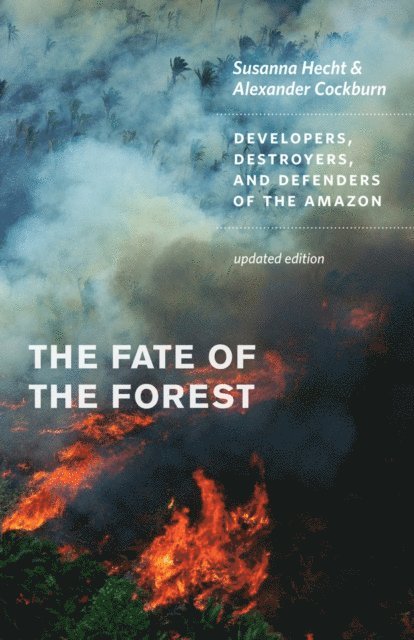
Fate of the Forest
Developers, Destroyers, and Defenders of the Amazon, Updated Edition
Av Susanna B. Hecht, Alexander Cockburn
Häftad, 2011
632 kr
Lägg i varukorg
The Amazon rain forest covers more than five million square kilometers, amid the territories of nine different nations. It represents over half of the planet's remaining rain forests. But is it truly in peril? And what steps are necessary to save it? To understand the future of Amazonia, one must …
Fate of the Forest
Developers, Destroyers, and Defenders of the Amazon, Updated Edition
Av Alexander Cockburn, Susanna B. Hecht
E-bok, 2011
703 kr
Lägg i varukorg
The Amazon rain forest covers more than five million square kilometers, amid the territories of nine different nations. It represents over half of the planet’s remaining rain forest. Is it truly in peril? What steps are necessary to save it? To understand the future of Amazonia, one must know how …
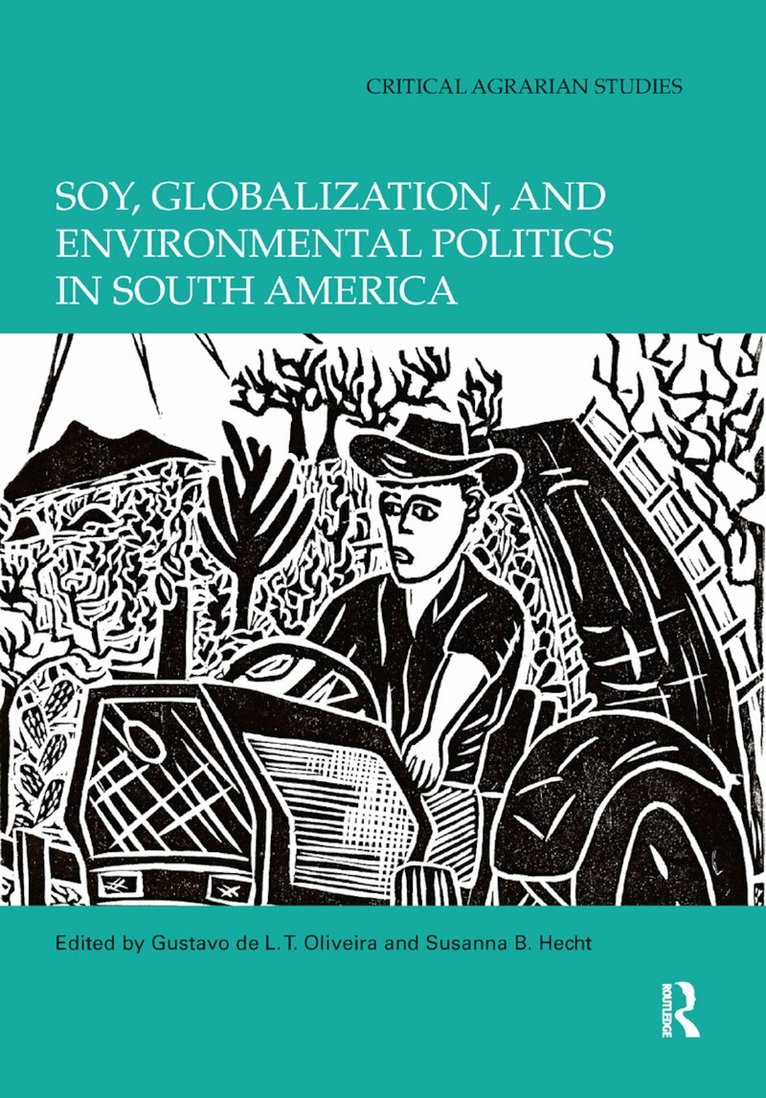
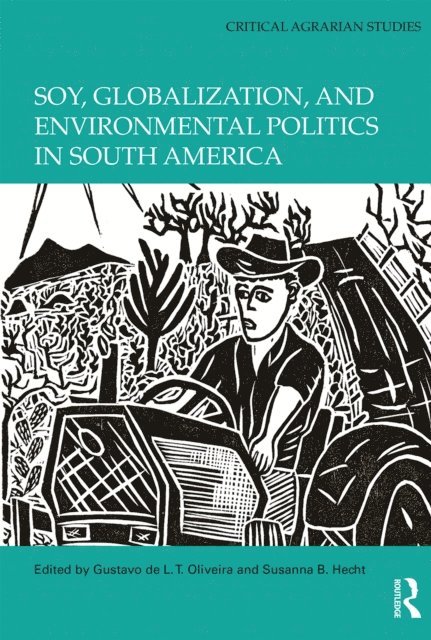
Soy, Globalization, and Environmental Politics in South America
Av Gustavo de L. T. Oliveira, Susanna B. Hecht
Häftad, 2019
692 kr
Lägg i varukorg
Soy in South America constitutes one of the most spectacular booms of agro-industrial commodity production in the world. It is the pinnacle of modernist agro-industrial practices, serving as a key nexus in food–feed–fuel production that underpins the agribusiness–conservationist discourse of "land …
Soy, Globalization, and Environmental Politics in South America
Av Gustavo de L. T. Oliveira, Susanna B. Hecht
Inbunden, 2017
2516 kr
Lägg i varukorg
Soy in South America constitutes one of the most spectacular booms of agro-industrial commodity production in the world. It is the pinnacle of modernist agro-industrial practices, serving as a key nexus in food–feed–fuel production that underpins the agribusiness–conservationist discourse of "land …
Soy, Globalization, and Environmental Politics in South America
Av Susanna B. Hecht, Gustavo de L. T. Oliveira
E-bok, 2017
814 kr
Lägg i varukorg
Soy in South America constitutes one of the most spectacular booms of agro-industrial commodity production in the world. It is the pinnacle of modernist agro-industrial practices, serving as a key nexus in food–feed–fuel production that underpins the agribusiness–conservationist discourse of …
Soy, Globalization, and Environmental Politics in South America
Av Susanna B. Hecht, Gustavo de L. T. Oliveira
E-bok, 2017
790 kr
Lägg i varukorg
Soy in South America constitutes one of the most spectacular booms of agro-industrial commodity production in the world. It is the pinnacle of modernist agro-industrial practices, serving as a key nexus in food–feed–fuel production that underpins the agribusiness–conservationist discourse of …