Susanne Højlund - Böcker
Visar alla böcker från författaren Susanne Højlund. Handla med fri frakt och snabb leverans.
4 produkter
4 produkter
1 703 kr
Skickas inom 10-15 vardagar
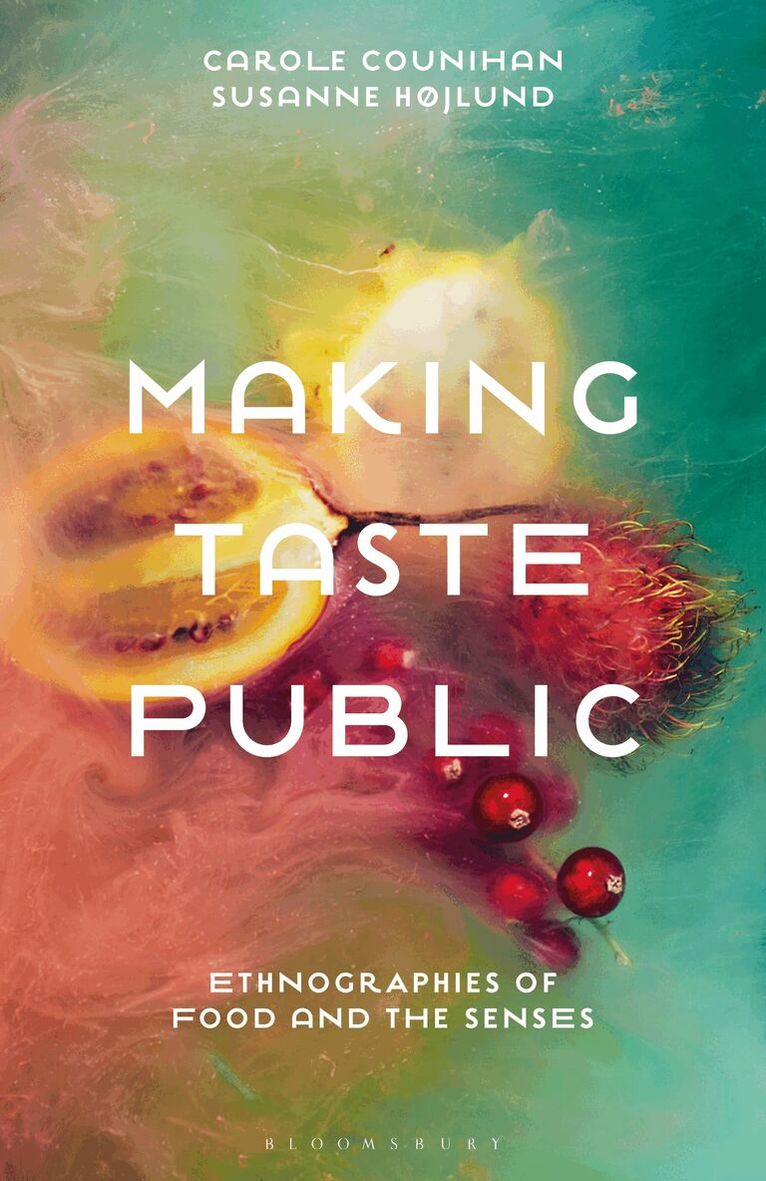
Making Taste Public takes an ethnographic approach to show how social relations shape - and are shaped by - the taste of food. Recognizing that different cultures have different taste preferences and flavour principles embedded in cuisine, editors Carole Counihan and Susanne Højlund ask how these differences are generated. The editors have compiled 14 chapters to show how specific influences become a part of our sensorial apparatus and identity through shared experiences of making, eating, and talking about food.Using case studies from Asia, Europe and America, the book presents a theory of how taste is made public through everyday practices. The authors are exploring how place, production methods and cooking techniques create tastes. They discuss the criteria determining good and bad tastes, and how tastes and memories evolve over time. Subjects such as how values can be embedded in taste, and the role of taste education in food movements, homes, and schools are explored. The different chapters examine definitions and mobilizations of taste in different institutions, public places, and regions around the world to reveal ethnographic understandings of how people learn, experience, and share taste.With contributions spanning the Solomon Islands, Denmark, Japan, Canada, France, the USA, and Italy, Making Taste Public is a fascinating account of how our sense of taste is continuously shaped and re-shaped in relation to social and cultural context, societal and environmental premises. The book will interest anyone studying anthropology, sociology, food studies, sensory studies and human geography.
461 kr
Skickas inom 10-15 vardagar
Making Taste Public takes an ethnographic approach to show how social relations shape - and are shaped by - the taste of food. Recognizing that different cultures have different taste preferences and flavour principles embedded in cuisine, editors Carole Counihan and Susanne Højlund ask how these differences are generated. The editors have compiled 14 chapters to show how specific influences become a part of our sensorial apparatus and identity through shared experiences of making, eating, and talking about food.Using case studies from Asia, Europe and America, the book presents a theory of how taste is made public through everyday practices. The authors are exploring how place, production methods and cooking techniques create tastes. They discuss the criteria determining good and bad tastes, and how tastes and memories evolve over time. Subjects such as how values can be embedded in taste, and the role of taste education in food movements, homes, and schools are explored. The different chapters examine definitions and mobilizations of taste in different institutions, public places, and regions around the world to reveal ethnographic understandings of how people learn, experience, and share taste.With contributions spanning the Solomon Islands, Denmark, Japan, Canada, France, the USA, and Italy, Making Taste Public is a fascinating account of how our sense of taste is continuously shaped and re-shaped in relation to social and cultural context, societal and environmental premises. The book will interest anyone studying anthropology, sociology, food studies, sensory studies and human geography.
1 059 kr
Skickas inom 7-10 vardagar
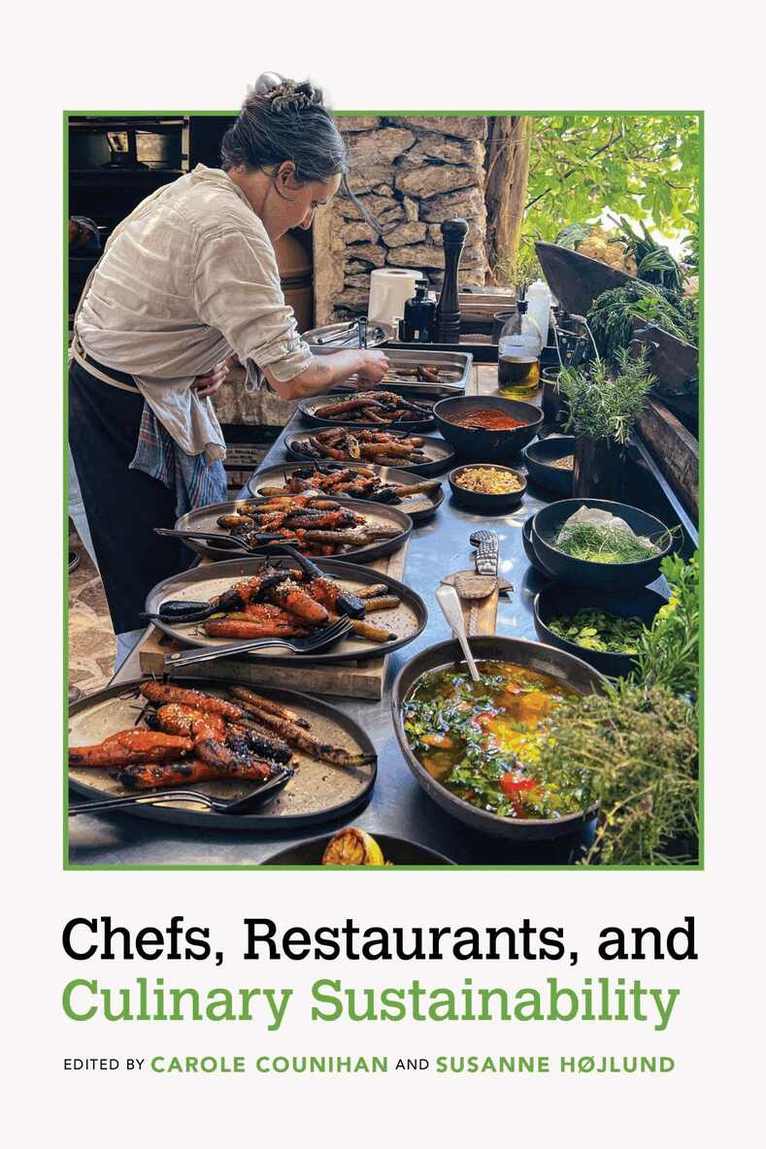
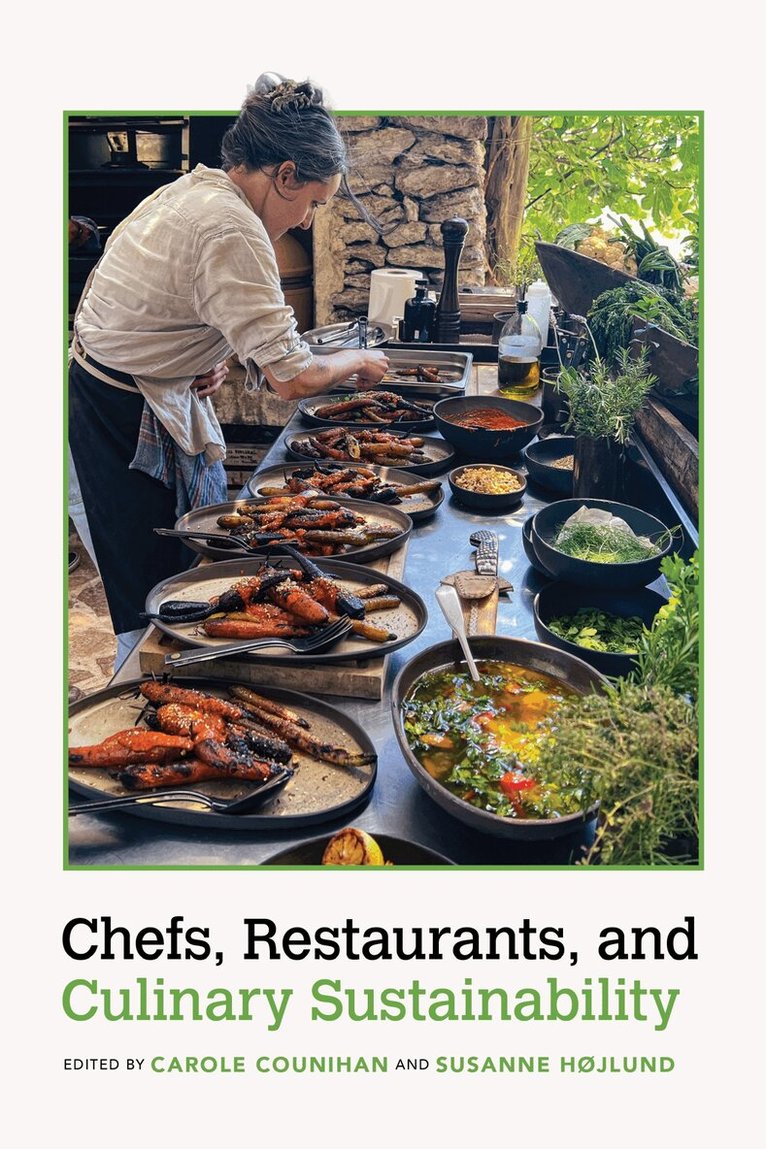
The centrality of food to the human experience always places it at the crux of global crises, whether catastrophic climate change, the collapse of biodiversity in our shared ecosystem, the threat of pandemics, or the poverty and suffering associated with resource scarcity. The continual reality of these challenges has prompted professionals throughout the food industry to seek innovative solutions, as chefs and restaurateurs adjust to customer demands and political imperatives for socially responsible civic action. Chefs, Restaurants, and Culinary Sustainability explores how chefs around the world approach culinary sustainability in highly unstable times while working in myriad professional domains. Building on empirical data collected from a wide range of cultural, historical, political, and economic settings, the contributors to this collection provide a sophisticated and engaging examination of how chefs in diverse culinary contexts tackle the increasingly urgent societal and environmental need for a more secure food future.
336 kr
Skickas inom 7-10 vardagar
The centrality of food to the human experience always places it at the crux of global crises, whether catastrophic climate change, the collapse of biodiversity in our shared ecosystem, the threat of pandemics, or the poverty and suffering associated with resource scarcity. The continual reality of these challenges has prompted professionals throughout the food industry to seek innovative solutions, as chefs and restaurateurs adjust to customer demands and political imperatives for socially responsible civic action. Chefs, Restaurants, and Culinary Sustainability explores how chefs around the world approach culinary sustainability in highly unstable times while working in myriad professional domains. Building on empirical data collected from a wide range of cultural, historical, political, and economic settings, the contributors to this collection provide a sophisticated and engaging examination of how chefs in diverse culinary contexts tackle the increasingly urgent societal and environmental need for a more secure food future.