The historical-cultural change in perspective in the historical sciences has altered the way we see the social movements of the 20th century, and hence also the youth movement. As a consequence, the archives dedicated to preserving the history of these movements are increasingly frequented by researchers. This is also the case with the Archives of the German Youth Movement (at Ludwigstein Castle) that has opened up for the documentation of new youth movements since the 1960s and to this end is seeking to expand exchange with scholars and archivists. Only through networks – linking up free-lance and established, full-time and volunteer workers, those interested from an archival and from an historical perspective – can work on the historical heritage of social movements be organised meaningfully.
Nach 1945 ist die Jugendbewegung verstärkt Gegenstand von Geschichtsschreibung und autobiografischer Reflexion geworden. Perspektive und Fluchtpunkt war dabei meist das Verhältnis von Jugendbewegung und Nationalsozialismus. Heute wird in Wissenschaft und Öffentlichkeit nicht mehr nur über die »dunklen Seiten der Jugendbewegung« kontrovers diskutiert, sondern auch über die Historisierung und Selbsthistorisierung nach 1945. Dieser Band thematisiert die wissenschaftliche Historiografie zur Jugendbewegung, ihren Bünden sowie einzelner Protagonisten – in der Zeit vor 1933 sowie im Nationalsozialismus. Zudem reflektiert er die Einschätzung der NS-Zeit in der bündisch-jugendbewegten Szene nach 1945 und durch Ehemalige der Jugendbewegung.After 1945 the youth movement became a subject for historiography and autobiographical reflection. The relationship between the youth moment and Nazi regime always served as a perspective and anchor. Today, science and public not only controversially discuss "the dark sides of the youth movement" but also the historicisation and self-historicisation after 1945. This volume focuses on the scientific historiography of the youth movement, its associations as well as individual main figures before 1933 and during Nazi regime. Additionally, it reflects the evaluation of Nazi regime in the youth movement and its associations after 1945 and with former members of the youth movement.
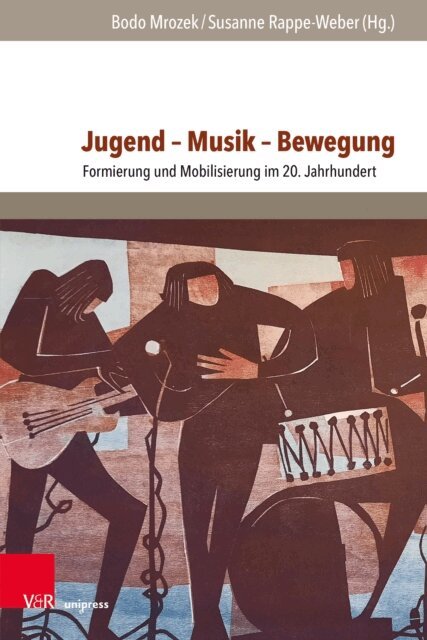
Für das 20. Jahrhundert, das Jahrhundert der Jugend, umspannen die Begriffe ›Jugend – Musik – Bewegung‹ ein Feld, aus dem eine Fülle von Fragestellungen zur Beschreibung und Erklärung nicht nur musikalischer, sondern auch gesellschaftlicher Entwicklungen erwächst. Diese werden hier als Formierung und Mobilisierung gefasst. Dabei spielte die Musik für unterschiedliche Bewegungen stets eine wesentliche, nicht nur kultur-, sondern auch ideen- und politikhistorische Rolle. Die Entwicklungen in großer Bandbreite und über die Zäsuren des 20. Jahrhunderts hinweg abzustecken, ist das Ziel des vorliegenden Bandes. Der Zugriff ist dabei transdisziplinär: Die Beitragenden kommen aus der Geschichts-, Politik- und Musikwissenschaft, den Sound und Popular Music Studies sowie aus der Pädagogik.For the 20th century, often referred to as the century of young adults, concepts such as "youth – music – movement" describe a field from which various questions arise for describing and explaining both musical and social developments. Here, these concepts are defined as formation and mobilisation. Music has always played a key role for various movements, not only in terms of culture, but also in the history of ideas and politics. The aim of the present volume is to demonstrate the various developments in detail and to shed light on the caesuras it underwent during the 20th century. The approach is transdisciplinary: the contributors come from various disciplines such as history studies, political sciences, musicology, sound and popular music studies as well as pedagogy.
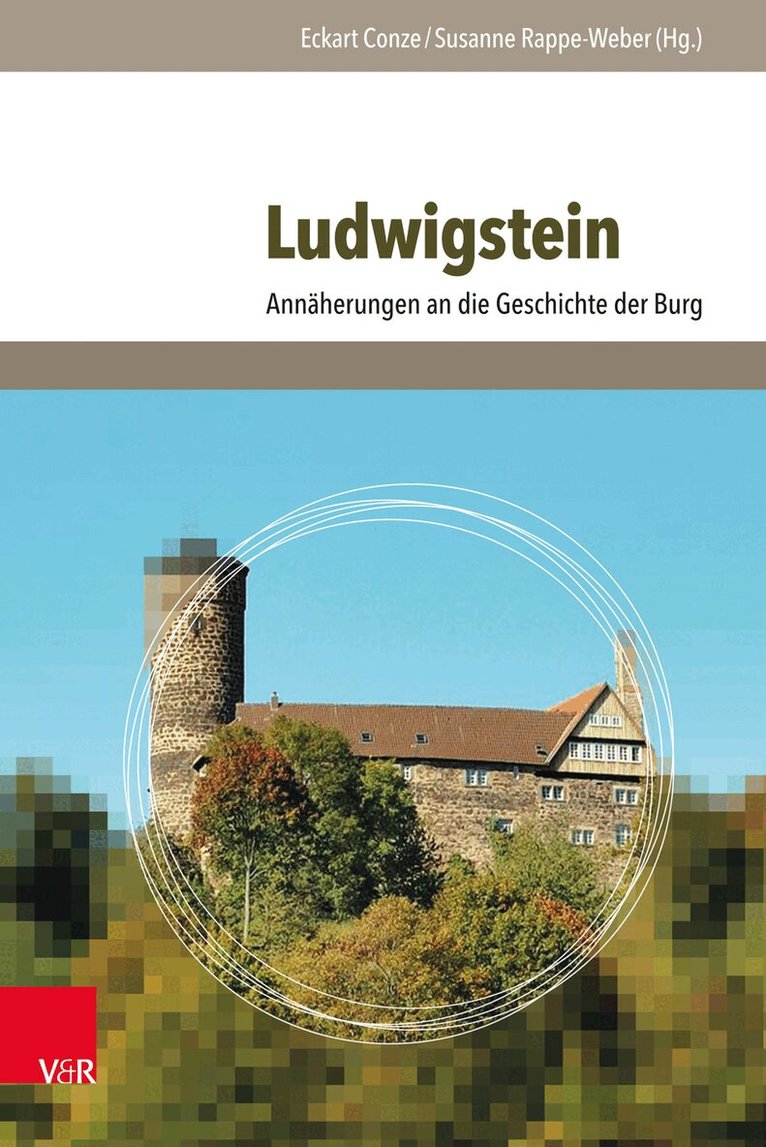
Über lange Zeit galt in Bezug auf den Ludwigstein das Hauptinteresse der historischen Forschung der Rolle der Burg in der Geschichte der deutschen Jugendbewegung, ihrer Ideen- und Organisationsgeschichte sowie der Geschichte von Reformbewegungen und Reformpädagogik. Dies wurde durch das 1922 gegründete Archiv der deutschen Jugendbewegung gefördert. Dagegen mangelt es bislang an einem Ansatz, um die spezielle Burggeschichte in die allgemeinere Geschichte der Jugendbewegung zu integrieren bzw. für diese fruchtbar zu machen sowie an einer gründlichen Auseinandersetzung mit der Entwicklung und Nutzung der Burg vom 15. bis zum frühen 20. Jahrhundert in ihrem regionalen und territorialen Umfeld. Um künftige Untersuchungen anzuregen, werden in diesem Band erste Forschungsergebnisse vorgelegt.