
Häftad, Engelska, 2021
624 kr
Skickas inom 3-6 vardagar
624 kr
Skickas inom 3-6 vardagar
700 kr
Skickas inom 10-15 vardagar
2 542 kr
Skickas inom 10-15 vardagar
820 kr
Läs direkt efter köp
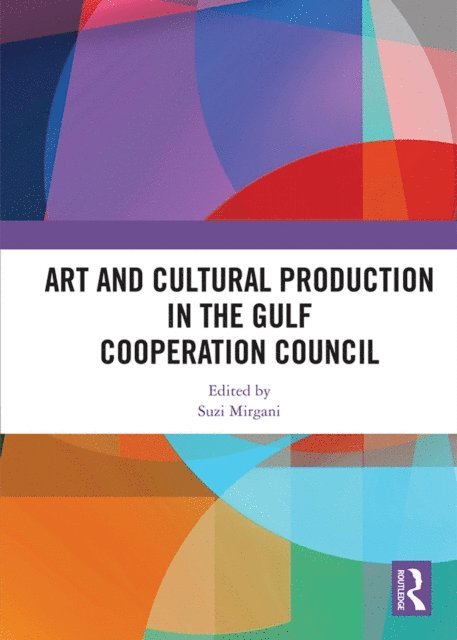
State-driven investments in art and cultural production in the states of the Gulf Cooperation Council (GCC) are an important part of the search for longer-term alternatives to the longer-term unsustainability of the hydrocarbon-based economic development model. They also are an element in the search for soft power and status, and intersect with the nation-building project. The long-term planned––and unplanned––effects of such cultural initiatives include a necessary opening up to a future of unexpected and often undesired cultural encounters, whether in the classroom, the art gallery, the sports stadium, or the labor office. As states driven by a desire to raise both their regional and international status, but needing to satisfy their domestic conservative constituencies, their greatest test will be their judicious negotiating of the conflicting sociocultural elements of an increasingly globalized world. This volume offers a comprehensive multi-disciplinary analysis of this complex arena and the state of art and cultural production in these Gulf societies, through original studies on identity formation and an emerging museology; the aesthetics of censorship; the question of authenticity; cultural projects as state-driven soft power efforts; the phenomenon of public art; and artistic engagements with migrant labor communities.
The chapters originally published as a special issue in the Journal of Arabian Studies.
820 kr
Läs direkt efter köp
State-driven investments in art and cultural production in the states of the Gulf Cooperation Council (GCC) are an important part of the search for longer-term alternatives to the longer-term unsustainability of the hydrocarbon-based economic development model. They also are an element in the search for soft power and status, and intersect with the nation-building project. The long-term planned––and unplanned––effects of such cultural initiatives include a necessary opening up to a future of unexpected and often undesired cultural encounters, whether in the classroom, the art gallery, the sports stadium, or the labor office. As states driven by a desire to raise both their regional and international status, but needing to satisfy their domestic conservative constituencies, their greatest test will be their judicious negotiating of the conflicting sociocultural elements of an increasingly globalized world. This volume offers a comprehensive multi-disciplinary analysis of this complex arena and the state of art and cultural production in these Gulf societies, through original studies on identity formation and an emerging museology; the aesthetics of censorship; the question of authenticity; cultural projects as state-driven soft power efforts; the phenomenon of public art; and artistic engagements with migrant labor communities.
The chapters originally published as a special issue in the Journal of Arabian Studies.
328 kr
Skickas inom 7-10 vardagar
254 kr
Läs direkt efter köp
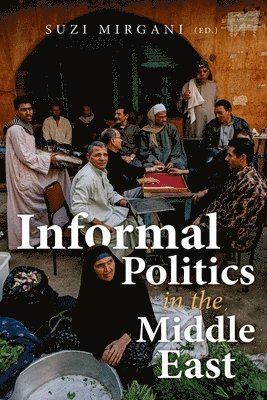
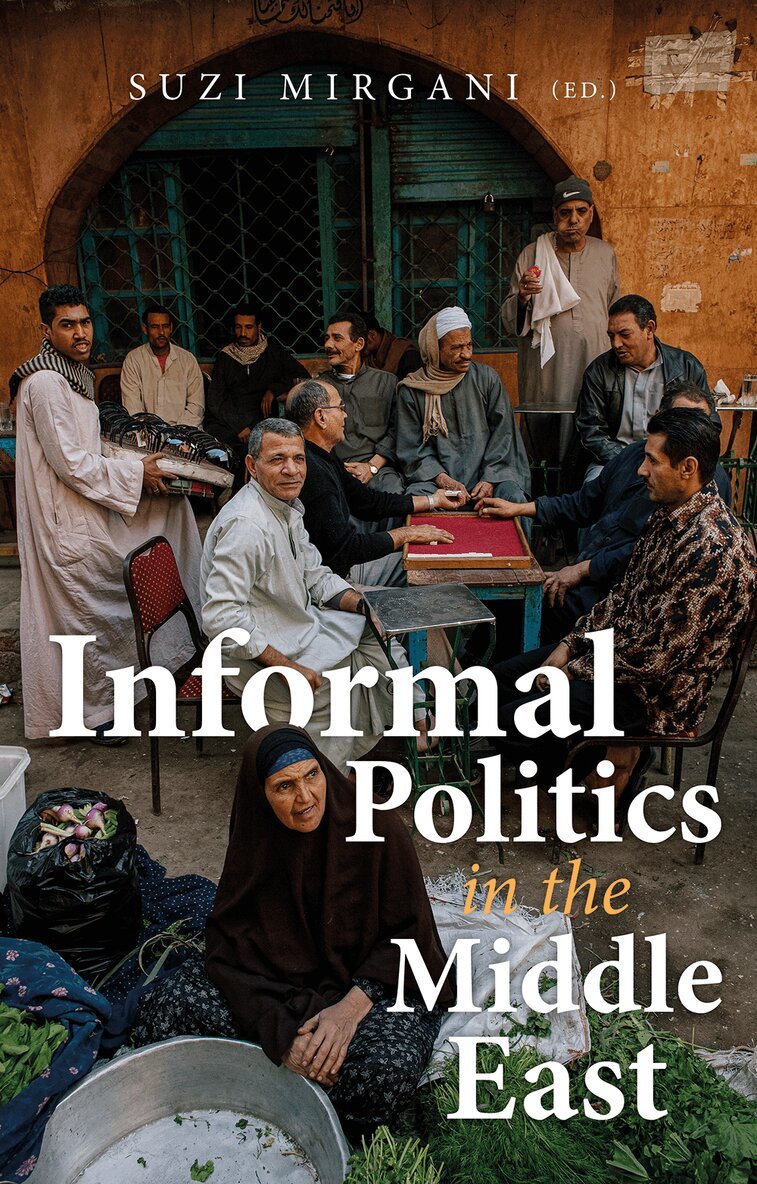
The culture of politics within any system of governance is influenced by how state and society interact, and how these relationships are mediated by existing political institutions, whether formal or informal. The chapters in this volume highlight two broad types of informal political engagement in the Middle East: civil action that works in tandem with the state apparatus, and civil action that poses a challenge to the state. In both cases, these activities can and do achieve tangible results for particular groups of people, as well as for the state.
For many, informal politics and civil mobilisation are not a choice, but a necessity to secure—collectively—some kind of social security, through communal reciprocity and everyday activism. Ironically, Middle Eastern authorities often turn a blind eye to informal organising, because ‘self-help’ schemes allow certain social groups to survive—reducing their instinct to make demands of, or seek support from, the state. People are discouraged from political action and dissent; yet they are simultaneously encouraged to seek their own betterment, often leading to politicised groups and associations. By analysing these formations, the contributors shed light on informal politics in the region.
331 kr
Skickas inom 7-10 vardagar