Sy Taffel - Böcker
Visar alla böcker från författaren Sy Taffel. Handla med fri frakt och snabb leverans.
6 produkter
6 produkter
1 276 kr
Skickas inom 10-15 vardagar
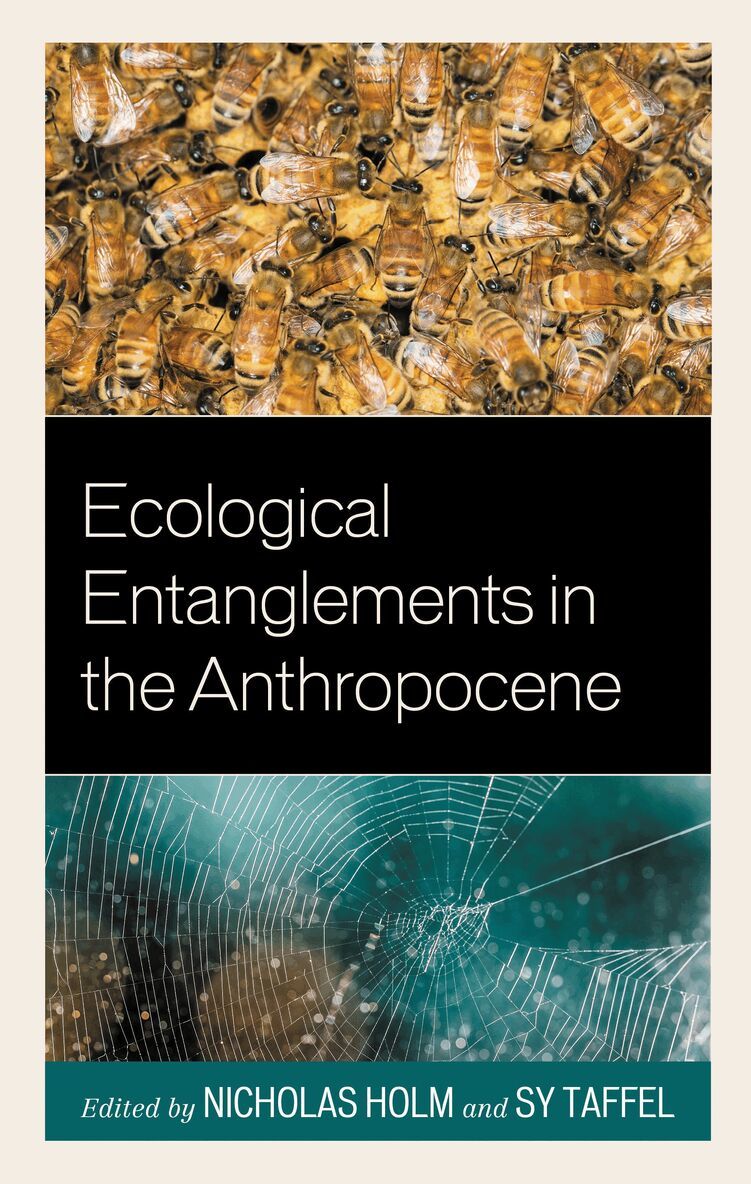
This edited collection explores the relationships between humans and nature at a time when the traditional sense of separation between human cultures and a natural wilderness is being eroded. The ‘Anthropocene,’ whose literal translation is the ‘Age of Man,’ is one way of marking these planetary changes to the Earth system. Global climate change and rising sea levels are two prominent examples of how nature can no longer be simply thought of as something outside and removed from humans (and vice versa). This collection applies the concepts of ecology and entanglement to address pressing political, social, and cultural issues surrounding human relationships with the nonhuman world in terms of ‘working with nature.’ It asks, are there more or less preferable ways of working with nature? What forms and practices might this work take and how do we distinguish between them? Is the idea of ‘nature’ even sufficient to approach such questions, or do we need to reconsider using the term nature in favour of terms such as environments, ecologies or the broad notion of the non-human world? How might we forge perspectives and enact practices which build resilience and community across species and spaces, constructing relationships with nonhumans which go beyond discourses of pollution, degradation and destruction? Bringing together a range of contributors from across multiple academic disciplines, activists and artists, this book examines how these questions might help us understand and assess the different ways in which humans transform, engage and interact with the nonhuman world.
1 703 kr
Skickas inom 10-15 vardagar
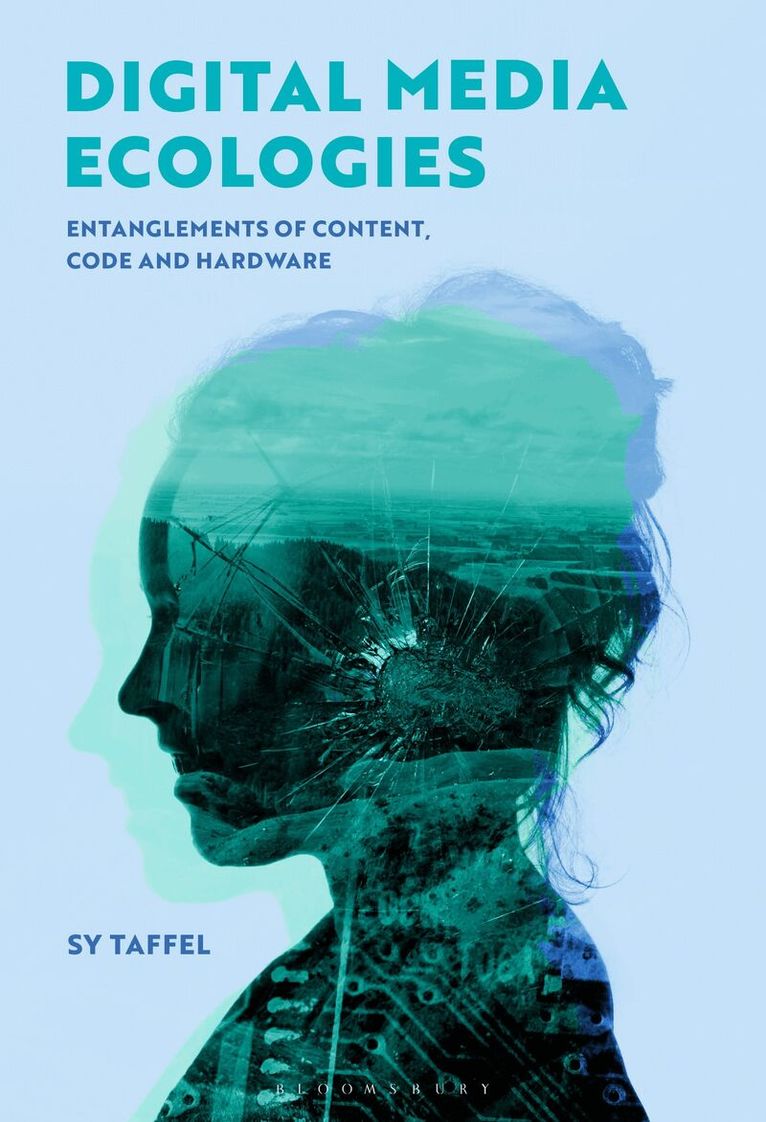
Our digital world is often described using terms such as immateriality and virtuality. The discourse of cloud computing is the latest in a long line of nebulous, dematerialising tropes which have come to dominate how we think about information and communication technologies. Digital Media Ecologies argues that such rhetoric is highly misleading, and that engaging with the key cultural, agential, ethical and political impacts of contemporary media requires that we do not just engage with the surface level of content encountered by the end users of digital media, but that we must additionally consider the affordances of software and hardware. Whilst numerous existing approaches explore content, software and hardware individually, Digital Media Ecologies provides a critical intervention by insisting that addressing contemporary technoculture requires a synthetic approach that traverses these three registers. Digital Media Ecologies re-envisions the methodological approach of media ecology to go beyond the metaphor of a symbolic information environment that exists alongside a material world of tantalum, turtles and tornados. It illustrates the social, cultural, political and environmental impacts of contemporary media assemblages through examples that include mining conflict-sustaining minerals, climate change blogging, iOS jailbreaking, and the ecological footprint of contemporary computing infrastructures. Alongside foregrounding the deleterious social and environmental impacts of digital technologies, the book considers numerous ways that these issues are being tackled by a heterogeneous array of activists, academics, hackers, scientists and citizens using the same technological assemblages that ostensibly cause these problems.
448 kr
Skickas inom 10-15 vardagar
Our digital world is often described using terms such as immateriality and virtuality. The discourse of cloud computing is the latest in a long line of nebulous, dematerialising tropes which have come to dominate how we think about information and communication technologies. Digital Media Ecologies argues that such rhetoric is highly misleading, and that engaging with the key cultural, agential, ethical and political impacts of contemporary media requires that we do not just engage with the surface level of content encountered by the end users of digital media, but that we must additionally consider the affordances of software and hardware. Whilst numerous existing approaches explore content, software and hardware individually, Digital Media Ecologies provides a critical intervention by insisting that addressing contemporary technoculture requires a synthetic approach that traverses these three registers. Digital Media Ecologies re-envisions the methodological approach of media ecology to go beyond the metaphor of a symbolic information environment that exists alongside a material world of tantalum, turtles and tornados. It illustrates the social, cultural, political and environmental impacts of contemporary media assemblages through examples that include mining conflict-sustaining minerals, climate change blogging, iOS jailbreaking, and the ecological footprint of contemporary computing infrastructures. Alongside foregrounding the deleterious social and environmental impacts of digital technologies, the book considers numerous ways that these issues are being tackled by a heterogeneous array of activists, academics, hackers, scientists and citizens using the same technological assemblages that ostensibly cause these problems.
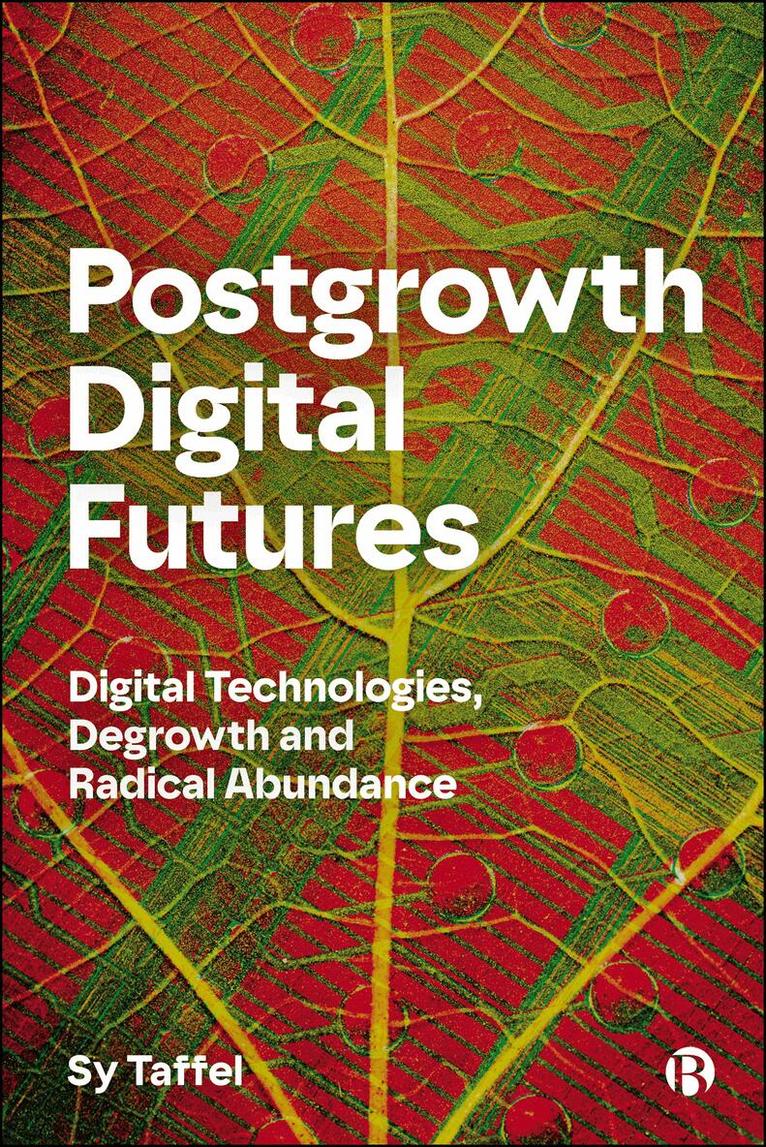
Postgrowth Digital Futures
Digital Technologies, Degrowth, and Radical Abundance
Inbunden, Engelska, 2026
1 077 kr
Kommande
How can digital technologies help address ecological crises instead of making them worse? This book offers a bold vision for a fairer, greener digital future. Drawing on degrowth and postgrowth ideas, it challenges capitalism’s model of endless growth by focusing on limits, sharing and radical abundance. Taffel explores practical ways to redesign devices, platforms, infrastructure and digital culture to promote social justice, ecological balance and well-being. Connecting sustainability with critiques of surveillance capitalism and data colonialism, this is a vital study that shows how technology can support a just transition rather than deepen inequality.
Postgrowth Digital Futures
Digital Technologies, Degrowth, and Radical Abundance
Häftad, Engelska, 2026
297 kr
Kommande
How can digital technologies help address ecological crises instead of making them worse? This book offers a bold vision for a fairer, greener digital future. Drawing on degrowth and postgrowth ideas, it challenges capitalism’s model of endless growth by focusing on limits, sharing and radical abundance. Taffel explores practical ways to redesign devices, platforms, infrastructure and digital culture to promote social justice, ecological balance and well-being. Connecting sustainability with critiques of surveillance capitalism and data colonialism, this is a vital study that shows how technology can support a just transition rather than deepen inequality.
428 kr
Skickas inom 7-10 vardagar
There is virtually nowhere on Earth today that remains untouched by plastic and ecosystems are evolving to adapt to this new context. While plastics have revolutionized our modern world, new and often unforeseen effects of plastic and its production are continually being discovered. Plastics are entangled in multiple ecological and social crises, from the plasticization of the oceans to the embeddedness of plastics in political hierarchiesThe complexities surrounding the global plastic crisis require an interdisciplinary approach and the materialities of plastic demand new temporalities of thought and action. Plastic Legacies brings together scholars from the fields of marine biology, psychology, anthropology, environmental studies, Indigenous studies, and media studies to investigate and address the urgent socio-ecological challenges brought about by plastics. Contributors consider the unpredictable nature of plastics and weigh actionable solutions and mitigation processes against the ever-changing situation. Moving beyond policy changes, this volume offers a critique of neoliberal approaches to tackling the plastics crisis and explores how politics and communicative action are key to implementing social, cultural, and economic change.