Sylvia Croese – författare
Visar alla böcker från författaren Sylvia Croese. Handla med fri frakt och snabb leverans.
6 produkter
6 produkter
1 229 kr
Kommande
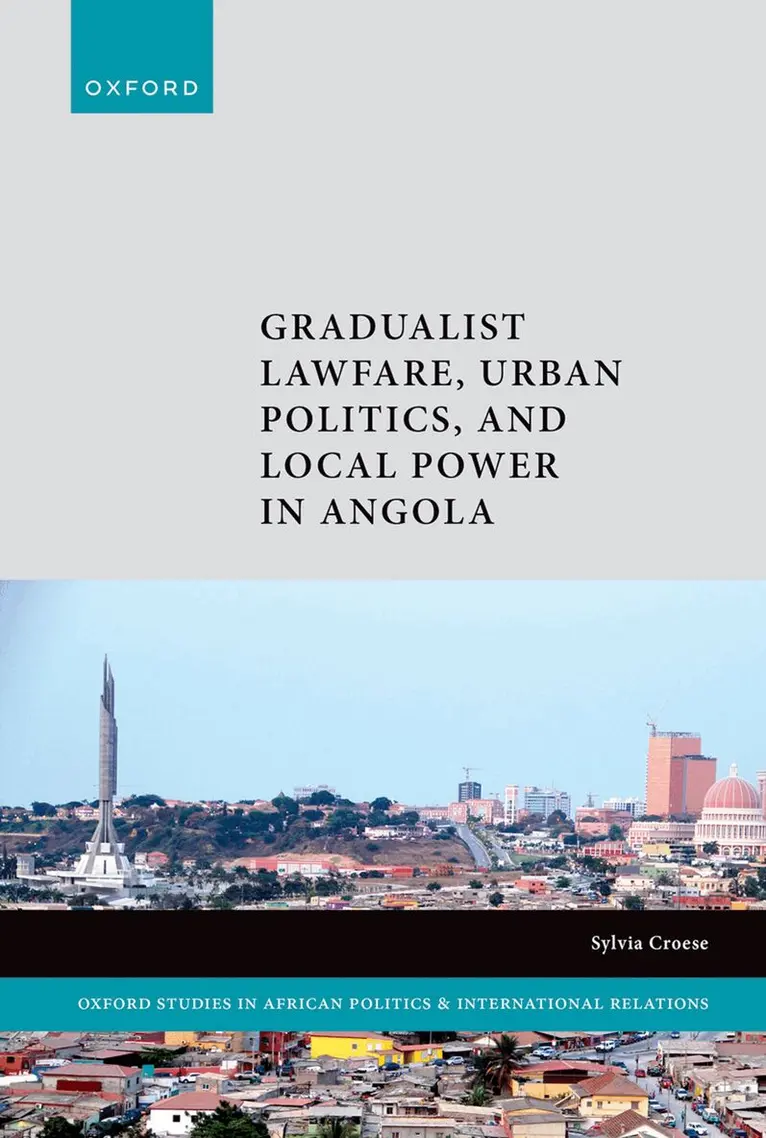
Angola is among a handful of African countries where local elections are yet to materialize. Gradualist Lawfare, Urban Politics, and Local Power in Angola situates the persistent deferral of local elections in Angola within wider debates around the contested nature of local government in African cities. Advancing the notion of 'gradualist lawfare', this book examines how recurrent legal changes have often been insincere when it comes to the promise of local elections, instead creating the conditions for their perpetual postponement. Following more than a decade of in-depth field work, Croese examines the various uses and effects of gradualist lawfare through an ethnographic study of the workings of urban neighbourhood-level committees in the Angolan capital of Luanda. The study of these committees offers the reader useful insights into the operations of a wider category of state-sanctioned 'local power' that allows authoritarian regimes to resist the effective devolution of political power. By examining the use of gradualist lawfare in the making and unmaking of local power, this book bridges the literature on autocratic legalism with contributions from socio-legal and urban studies, shedding a new light on the global rise of authoritarian lawmaking in cities and the politics and potential of efforts to (re)claim local power from below.Oxford Studies in African Politics and International Relations is a series for scholars and students working on African politics and International Relations and related disciplines. Volumes concentrate on contemporary developments in African political science, political economy, and International Relations, such as electoral politics, democratization, decentralization, gender and political representation, the political impact of natural resources, the dynamics and consequences of conflict, comparative political thought, and the nature of the continent's engagement with the East and West. Comparative and mixed methods work is particularly encouraged. Case studies are welcomed but should demonstrate the broader theoretical and empirical implications of the study and its wider relevance to contemporary debates. The focus of the series is on sub-Saharan Africa, although proposals that explain how the region engages with North Africa and other parts of the world are of interest.Series Editors: Nic Cheeseman (University of Birmingham), Peace Medie (University of Bristol), and Ricardo Soares de Oliveira (Sciences Po, Paris).
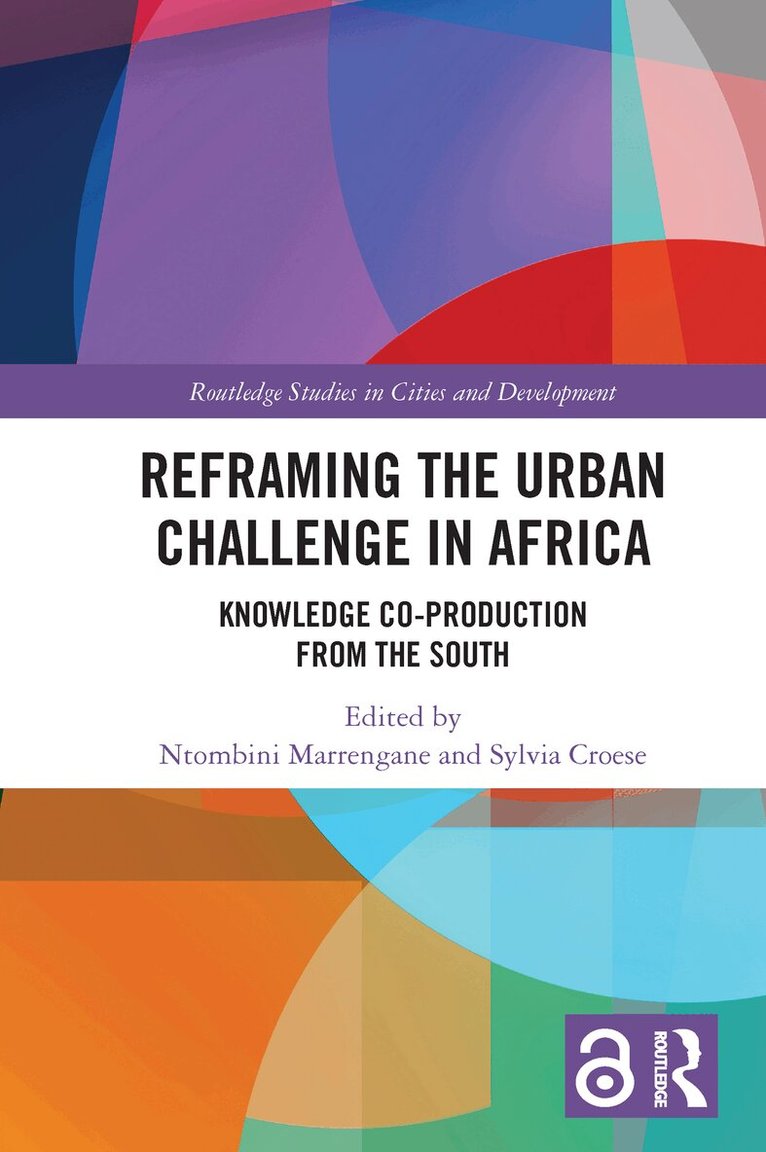
Reframing the Urban Challenge in Africa
Knowledge Co-production from the South
Inbunden, Engelska, 2020
2 130 kr
Skickas inom 10-15 vardagar
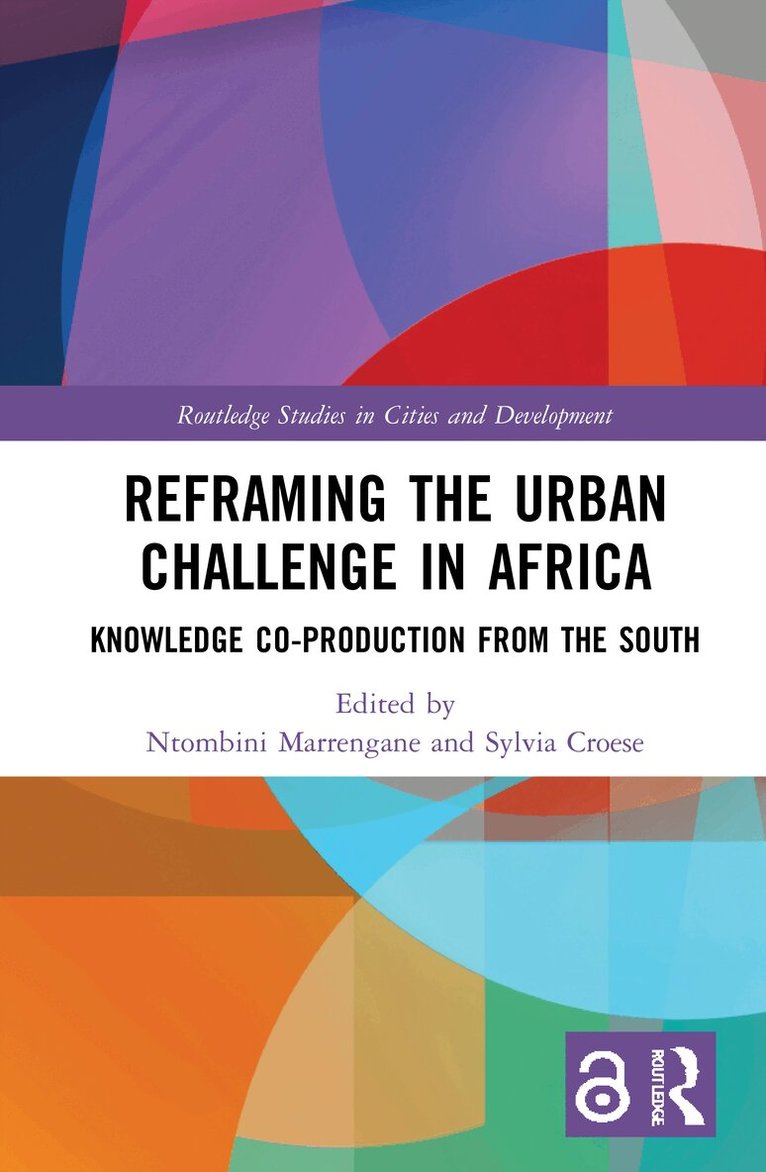
This book explores the changing dynamics and challenges behind the rapid expanse of Africa’s urban population. Africa’s urban age is underway. With the world’s fastest growing urban population, the continent is rapidly transforming from one that is largely rural, to one that is largely urban. Often facing limited budgets, those tasked with managing African cities require empirical evidence on the nature of demands for infrastructure, escalating environmental hazards, and ever-expanding informal settlements. Drawing on the work of the African Urban Research Initiative, this book brings together contributions from local researchers investigating key themes and challenges within their own contexts. An important example of urban knowledge co-production, the book demonstrates the regional diversity that can be seen as the main feature of African urbanism, with even well-accepted concepts such as informality manifesting in markedly different ways from place to place. Providing an important nuanced perspective on the heterogeneity of African cities and the challenges they face, this book will be an important resource for researchers across development studies, African studies, and urban studies.The Open Access version of this book, available athttp://www.taylorfrancis.com/books/e/9781003008385, has been made available under a Creative Commons Attribution-Non Commercial-No Derivatives 4.0 license
623 kr
Skickas inom 10-15 vardagar
This book explores the changing dynamics and challenges behind the rapid expanse of Africa’s urban population. Africa’s urban age is underway. With the world’s fastest growing urban population, the continent is rapidly transforming from one that is largely rural, to one that is largely urban. Often facing limited budgets, those tasked with managing African cities require empirical evidence on the nature of demands for infrastructure, escalating environmental hazards, and ever-expanding informal settlements. Drawing on the work of the African Urban Research Initiative, this book brings together contributions from local researchers investigating key themes and challenges within their own contexts. An important example of urban knowledge co-production, the book demonstrates the regional diversity that can be seen as the main feature of African urbanism, with even well-accepted concepts such as informality manifesting in markedly different ways from place to place. Providing an important nuanced perspective on the heterogeneity of African cities and the challenges they face, this book will be an important resource for researchers across development studies, African studies, and urban studies.The Open Access version of this book, available athttp://www.taylorfrancis.com/books/e/9781003008385, has been made available under a Creative Commons Attribution-Non Commercial-No Derivatives 4.0 license
625 kr
Skickas inom 5-8 vardagar
1 280 kr
Skickas inom 10-15 vardagar
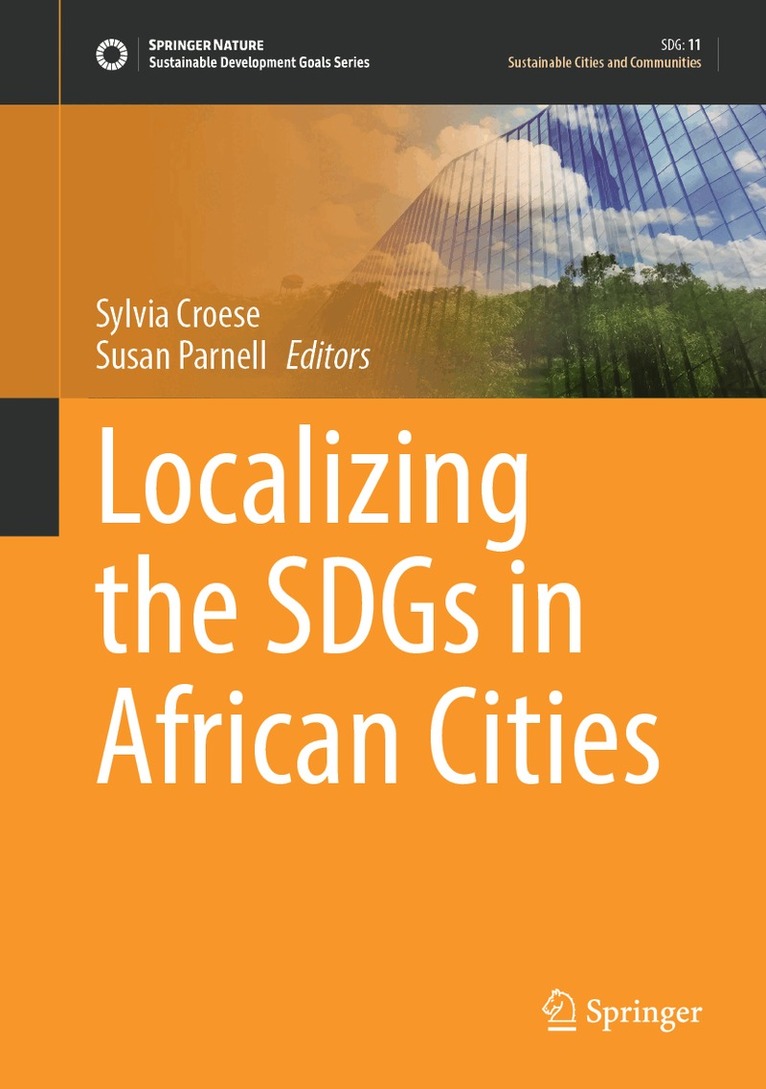
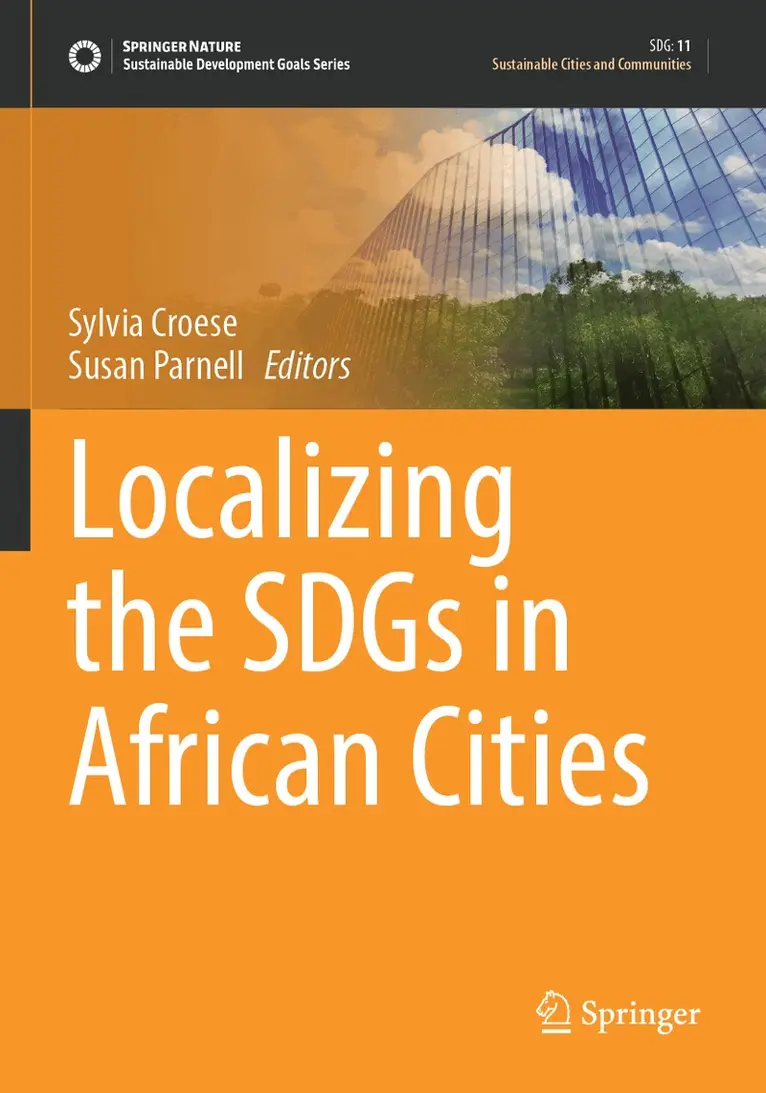
This volume brings together a unique set of interventions from a variety of contributors to bridge the gap between research and policy with a distinct focus on Africa, drawing on work conducted as part of multiple interconnected research projects and networks on the Sustainable Development Goals (SDGs) and global policy implementation in African cities. Through the framework of the SDGs, and in particular Goal 11, the book aims to contribute to generating new knowledge about approaches to SDG localization that are grounded in complex and diverse local contexts, needs and realities, integrated perspectives and collaborative research. The volume draws together contributions from urban experts from different professional and disciplinary backgrounds, ranging from the fields of governance, planning, data, sustainability, health and finance, to provide critical insight into the current dynamics, actors, blind spots, constraints and also good practices and opportunities for realizing the SDGs in Africa. Readers will gain detailed and informed insight into the African experience of SDG localization, monitoring and implementation based on multiple case studies, and will learn of the practices needed to accelerate action towards achieving the SDGs in urban contexts. This book will be of interest to researchers and planners focusing on SDGs implementation in Africa, as well as government organizations, development practitioners and students committed to long-term, inclusive sustainable and participatory development.This is an open access book.Chapters 1, 3, 6, 8, 11 and 14 are available open access under a Creative Commons Attribution 4.0 International License via link.springer.com.
1 280 kr
Skickas inom 10-15 vardagar
This volume brings together a unique set of interventions from a variety of contributors to bridge the gap between research and policy with a distinct focus on Africa, drawing on work conducted as part of multiple interconnected research projects and networks on the Sustainable Development Goals (SDGs) and global policy implementation in African cities. Through the framework of the SDGs, and in particular Goal 11, the book aims to contribute to generating new knowledge about approaches to SDG localization that are grounded in complex and diverse local contexts, needs and realities, integrated perspectives and collaborative research. The volume draws together contributions from urban experts from different professional and disciplinary backgrounds, ranging from the fields of governance, planning, data, sustainability, health and finance, to provide critical insight into the current dynamics, actors, blind spots, constraints and also good practices and opportunities for realizing the SDGs in Africa. Readers will gain detailed and informed insight into the African experience of SDG localization, monitoring and implementation based on multiple case studies, and will learn of the practices needed to accelerate action towards achieving the SDGs in urban contexts. This book will be of interest to researchers and planners focusing on SDGs implementation in Africa, as well as government organizations, development practitioners and students committed to long-term, inclusive sustainable and participatory development.This is an open access book.Chapters 1, 3, 6, 8, 11 and 14 are available open access under a Creative Commons Attribution 4.0 International License via link.springer.com.