T. Rüedi – författare
Visar alla böcker från författaren T. Rüedi. Handla med fri frakt och snabb leverans.
12 produkter
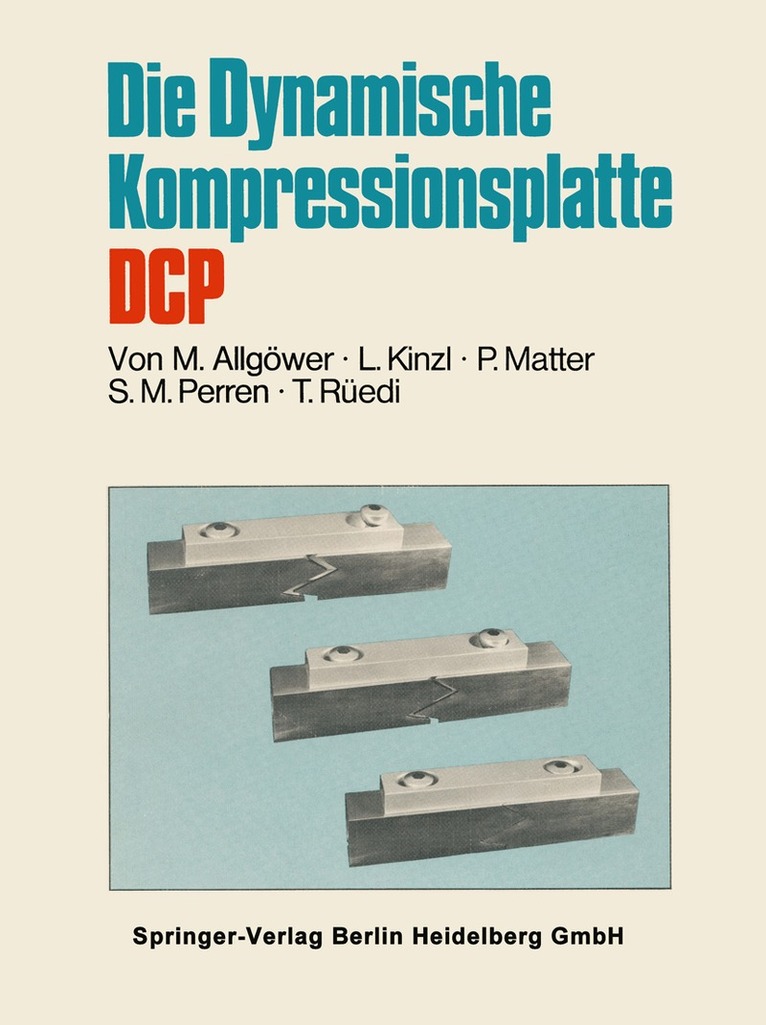
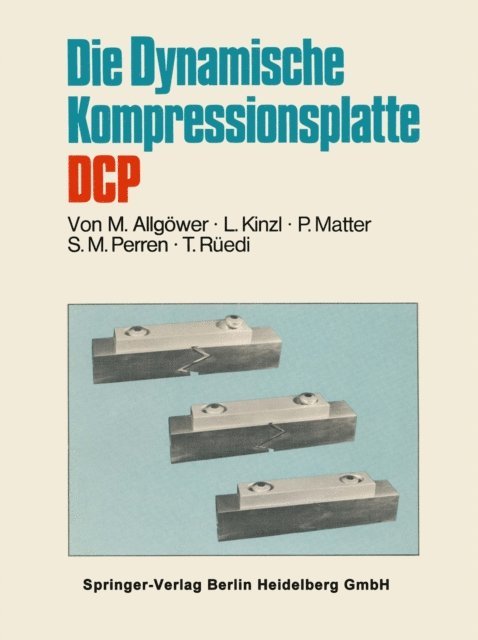
Die Dynamische Kompressionsplatte DCP
Av Martin Allgöwer, L. Kinzl m. fl.
Häftad, 1973
582 kr
Lägg i varukorg
Les Osteosyntheses Des Fractures de l'Avant-Bras. 16 MM LT
Av T. Rüedi, M. Allgöwer
Inbunden
7287 kr
Kommande
Les Osteosyntheses Des Fractures Des l'Avant-Bras. 16 MM MT
Av T. Rüedi, M. Allgöwer
Inbunden
7287 kr
Kommande
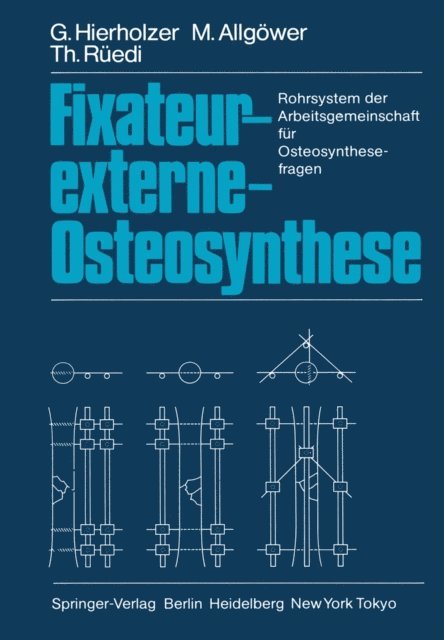
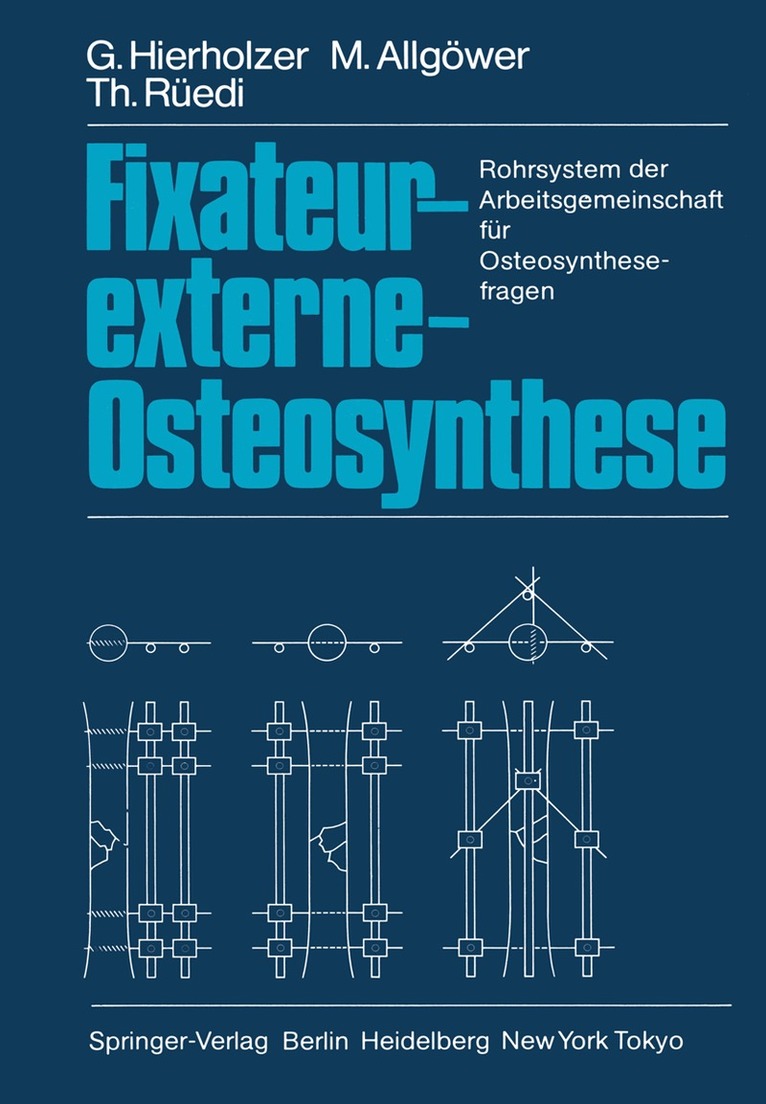
Fixateur-externe-Osteosynthese
Rohrsystem der Arbeitsgemeinschaft für Osteosynthesefragen
Av T. Ruedi, M. Allgower m. fl.
E-bok, 2013
739 kr
Lägg i varukorg
Fixateur-externe-Osteosynthese
Rohrsystem der Arbeitsgemeinschaft für Osteosynthesefragen
Av G. Hierholzer, M. Allgöwer m. fl.
Häftad, 2011
741 kr
Lägg i varukorg
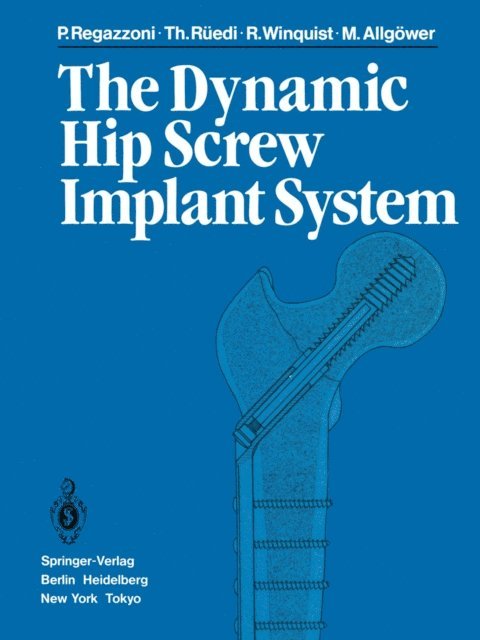
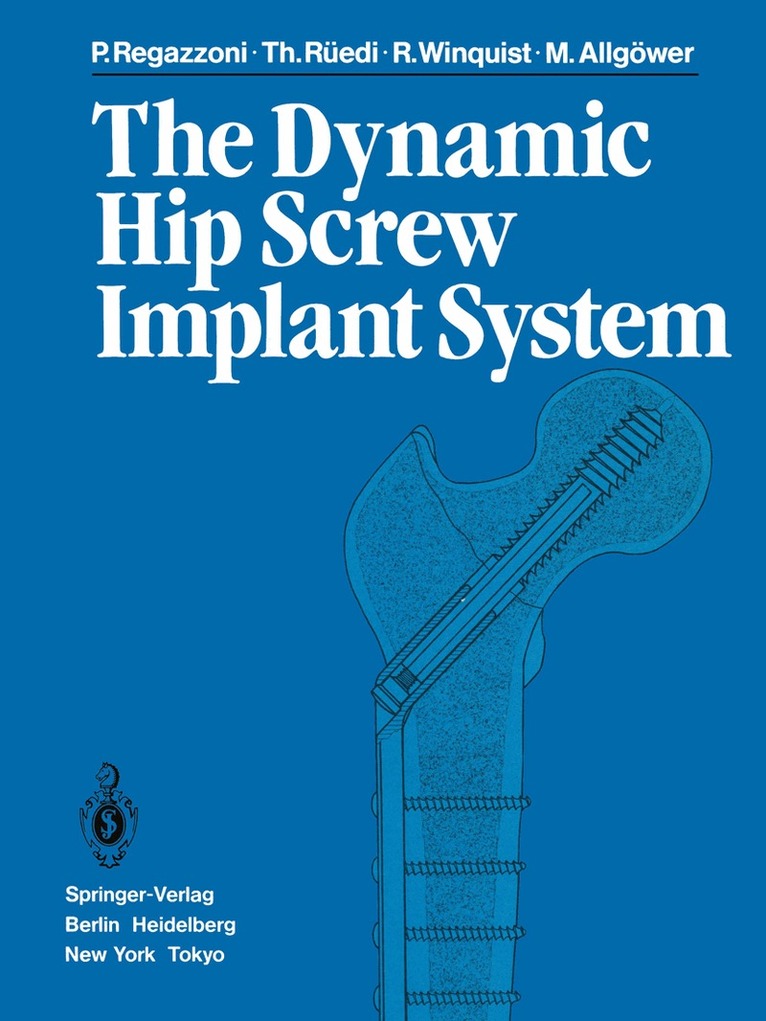
Dynamic Hip Screw Implant System
Av M. Allgower, R. Winquist m. fl.
E-bok, 2012
739 kr
Lägg i varukorg
The AOjASIF* dynamic hip screw (DRS) has been designed primarily to stabilize trochanteric fractures of the hip. Selected fractures of the femoral neck and some subtrochanteric fractures are further indications for the DRS [40, 46]. The dynam ic condylar screw (DCS) has been developed for …
Dynamic Hip Screw Implant System
Av P. Regazzoni, T. Rüedi m. fl.
Häftad, 2011
568 kr
Lägg i varukorg
The AOjASIF* dynamic hip screw (DRS) has been designed primarily to stabilize trochanteric fractures of the hip. Selected fractures of the femoral neck and some subtrochanteric fractures are further indications for the DRS [40, 46]. The dynam ic condylar screw (DCS) has been developed for …
Die Dynamische Kompressionsplatte DCP
Av T. Ruedi, S.N. Perren m. fl.
E-bok, 2013
604 kr
Lägg i varukorg
Manual on the AO/ASIF Tubular External Fixator
Av J. Schatzker, M. Allgower m. fl.
E-bok, 2013
755 kr
Lägg i varukorg
Manual on the AO/ASIF Tubular External Fixator
Av G. Hierholzer, T. Rüedi m. fl.
Häftad, 2014
567 kr
Lägg i varukorg