T. X. Yu - Böcker
Visar alla böcker från författaren T. X. Yu. Handla med fri frakt och snabb leverans.
3 produkter
3 produkter
2 243 kr
Skickas inom 11-20 vardagar
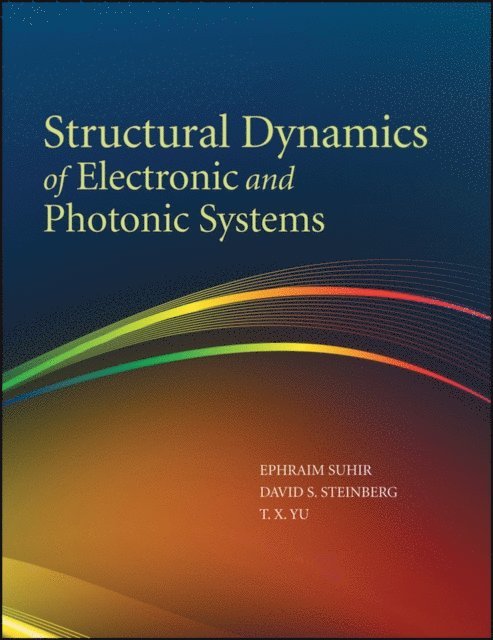
The proposed book will offer comprehensive and versatile methodologies and recommendations on how to determine dynamic characteristics of typical micro- and opto-electronic structural elements (printed circuit boards, solder joints, heavy devices, etc.) and how to design a viable and reliable structure that would be able to withstand high-level dynamic loading. Particular attention will be given to portable devices and systems designed for operation in harsh environments (such as automotive, aerospace, military, etc.) In-depth discussion from a mechanical engineer's viewpoint will be conducted to the key components’ level as well as the whole device level. Both theoretical (analytical and computer-aided) and experimental methods of analysis will be addressed. The authors will identify how the failure control parameters (e.g. displacement, strain and stress) of the vulnerable components may be affected by the external vibration or shock loading, as well as by the internal parameters of the infrastructure of the device. Guidelines for material selection, effective protection and test methods will be developed for engineering practice.
1 348 kr
Skickas inom 11-20 vardagar
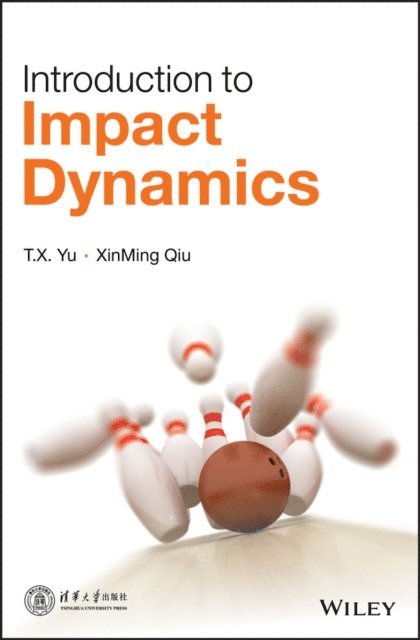
Fundamental guidance—including concepts, models, and methodology—for better understanding the dynamic behavior of materials and for designing for objects and structures under impact or intensive dynamic loadingThis book introduces readers to the dynamic response of structures with important emphasis on the material behavior under dynamic loadings. It utilizes theoretical modelling and analytical methods in order to provide readers with insight into the various phenomena. The content of the book is an introduction to the fundamental aspects, which underpin many important industrial areas. These areas include the safety of various transportation systems and a range of different structures when subjected to various impact and dynamic loadings, including terrorist attacks.Presented in three parts—Stress Waves in Solids, Dynamic Behaviors of Materials Under High Strain Rate, and Dynamic Response of Structures to Impact and Pulse Loading—Introduction to Impact Dynamics covers elastic waves, rate dependent behaviors of materials, effects of tensile force, inertial effects, and more. The book also features numerous case studies to aid in facilitating learning. The strength of the book is its clarity, balanced coverage, and practical examples, which allow students to learn the overall knowledge of impact dynamics in a limited time whilst directing them to explore more advanced technical knowledge and skills. Considers both the dynamic behavior of materials and stress waves, and the dynamic structural response and energy absorption, emphasizing the interaction between material behavior and the structural responseProvides a comprehensive description of the phenomenon of impact of structures, containing both fundamental issues of wave propagation and constitutive relation of materials, and the dynamic response of structures under impact loadsBased on the authors’ research and teaching experience as well as updated developments in the fieldIntroduction to Impact Dynamics is the perfect textbook for graduate and postgraduate students, and will work as a reference for engineers in the fields of solid mechanics, automotive design, aerospace, mechanical, nuclear, marine, and defense.
Del 2 - Series On Engineering Mechanics
Plastic Bending : Theory And Applications
Inbunden, Engelska, 1996
2 789 kr
Tillfälligt slut
From the point of view of mechanics, this monograph systematically demonstrates the theory of plastic bending and its engineering applications; most of the contents of the book are based on the authors' research in the past decade. The monograph not only expounds the contributions of the authors to the fundamental theory of plastic bending, but also presents various applications of the theory in sheet metal forming, particularly in the analysis and prediction of springback and wrinkling of strips and plates subjected to bending or stamping. In addition to theoretical modelling, attention has also been paid to the development of related numerical methods; comparisons with experimental results are also presented.