Tahir Ahmad Wani – författare
Visar alla böcker från författaren Tahir Ahmad Wani. Handla med fri frakt och snabb leverans.
3 produkter
3 produkter
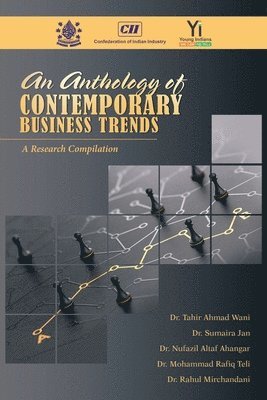
Häftad, Engelska, 2022
187 kr
Skickas inom 5-8 vardagar
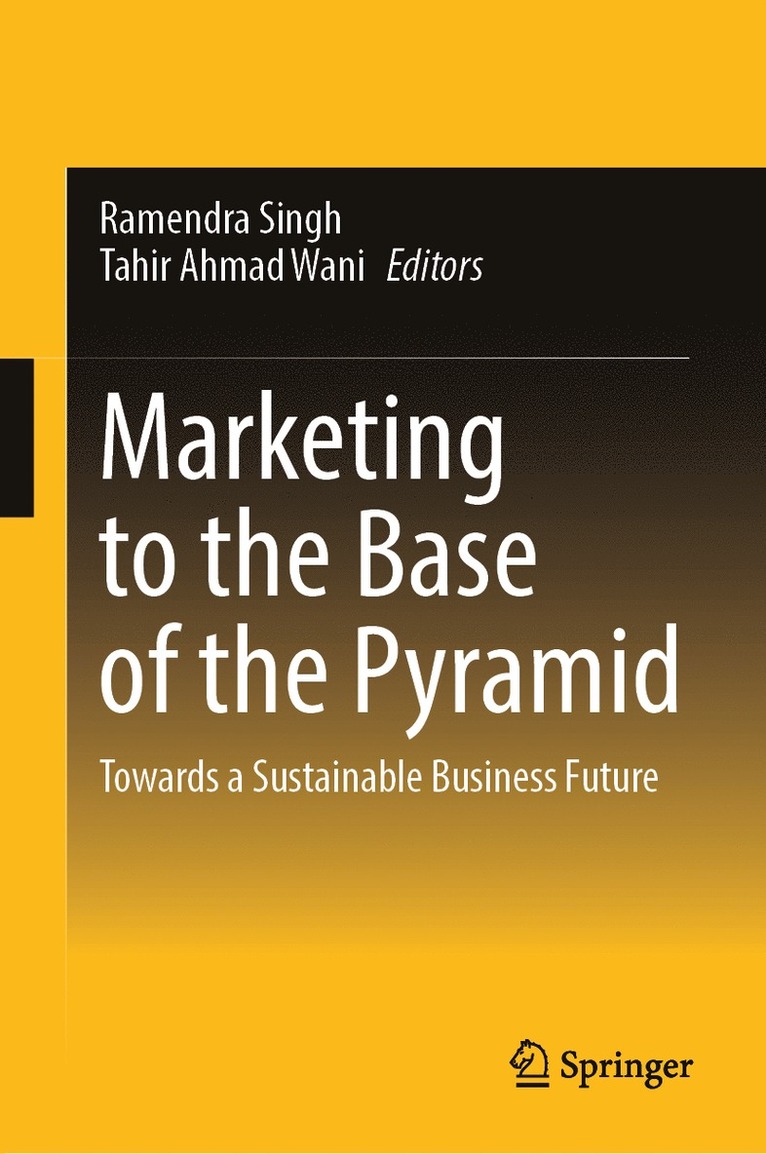
Inbunden, Engelska, 2025
1 692 kr
Skickas inom 10-15 vardagar
This book is a collection of nine chapters discussing the impact of sustainable marketing and business practices on the stakeholders at the base of the pyramid (BoP). It explores multifaceted dimensions related to sustainable practices such as sustainable consumer behavior, marketplace literacy for low-income and low-literate consumers, innovation and BoP and emerging markets, bridging vulnerability and sustainability, inclusive marketing practices, and how to bridge the economic, social and environmental aspects of sustainability. These chapters have been authored by the best marketing scholars working in the domain of marketing at the base of the pyramid, including scholars who actively promote bottoms up approach to enhance well-being and prosperity of subsistence marketplaces. Primarily aimed at marketing scholars, another important objective of this edited book is to reach out to organizations looking for deeper insights on how they can successfully position their products and services to poor consumers, or even how they can purchase/source products and services from poor producers. Professional associations such as ASSOCHAM, CII, FICCI, AIMA, AMA would also find many relevant takeaways in the book, as would academicians and policymakers of developing nations in Asia, Americas and Africa.
E-bok
Engelska, 20252 070 kr
Läs direkt efter köp
This book is a collection of nine chapters discussing the impact of sustainable marketing and business practices on the stakeholders at the base of the pyramid (BoP). It explores multifaceted dimensions related to sustainable practices such as sustainable consumer behavior, marketplace literacy for low-income and low-literate consumers, innovation and BoP and emerging markets, bridging vulnerability and sustainability, inclusive marketing practices, and how to bridge the economic, social and environmental aspects of sustainability. These chapters have been authored by the best marketing scholars working in the domain of marketing at the base of the pyramid, including scholars who actively promote bottoms up approach to enhance well-being and prosperity of subsistence marketplaces. Primarily aimed at marketing scholars, another important objective of this edited book is to reach out to organizations looking for deeper insights on how they can successfully position their products and services to poor consumers, or even how they can purchase/source products and services from poor producers. Professional associations such as ASSOCHAM, CII, FICCI, AIMA, AMA would also find many relevant takeaways in the book, as would academicians and policymakers of developing nations in Asia, Americas and Africa.