Takeo Kanade - Böcker
Visar alla böcker från författaren Takeo Kanade. Handla med fri frakt och snabb leverans.
9 produkter
9 produkter
1 578 kr
Skickas inom 10-15 vardagar
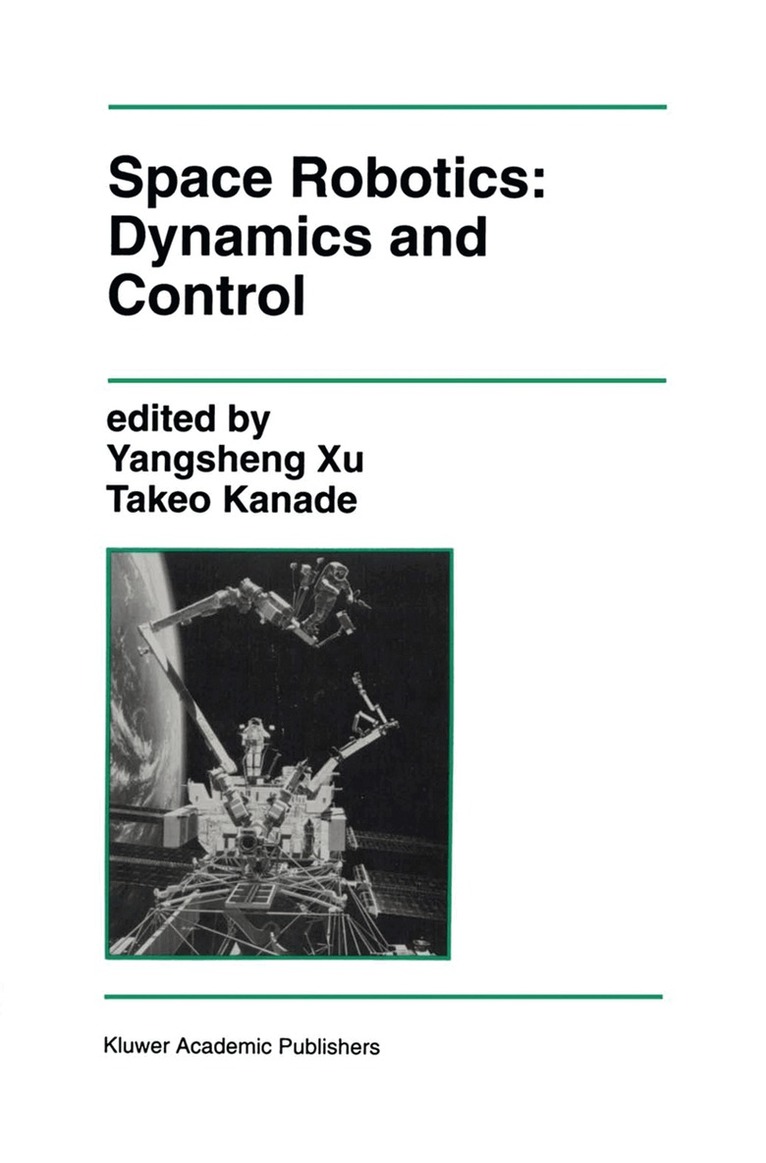
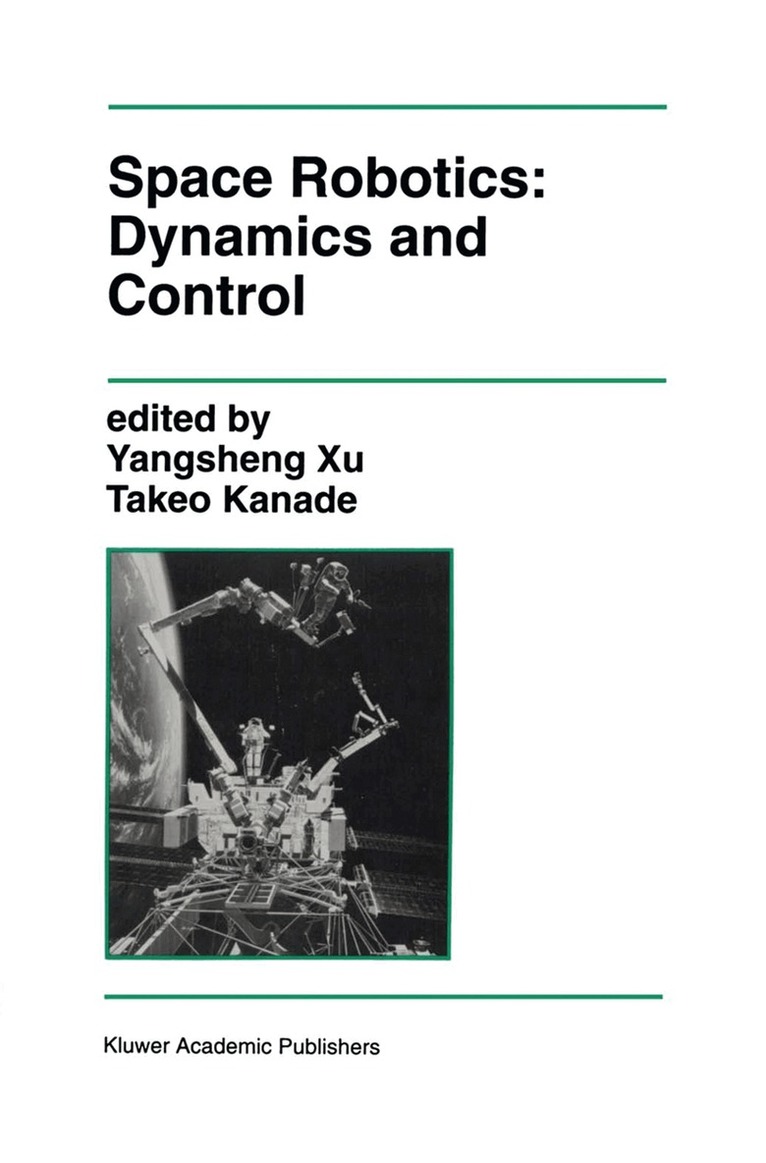
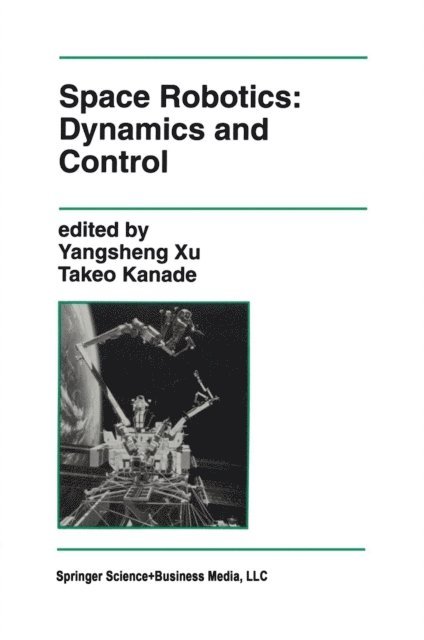
Robotic technology offers two potential benefits for future space exploration. One benefit is minimizing the risk that astronauts face; the other is increasing their productivity. Realizing the benefits of robotic technology in space will require solving several problems which are unique and are now becoming active research topics. One of the most important research areas is dynamics, control, motion and planning for space robots by considering the dynamic interaction between the robot and the base (space station, space shuttle or satellite). Any inefficiency in the planning and control can considerable risk the success of the space mission. "Space Robotics: Dynamics and Control" presents a collection of papers concerning fundamental problems in dynamics and control of space robots, focusing on issues relevant to dynamic base/robot interaction. The authors are all pioneers in theoretical analysis and experimental systems development of space robot technology. The chapters are organized within three problem areas: dynamics problems, nonholonomic nature problems, and control problems.This collection provides a solid reference for researchers in robotics, mechanics, control and astronautical science.
3 149 kr
Skickas inom 10-15 vardagar
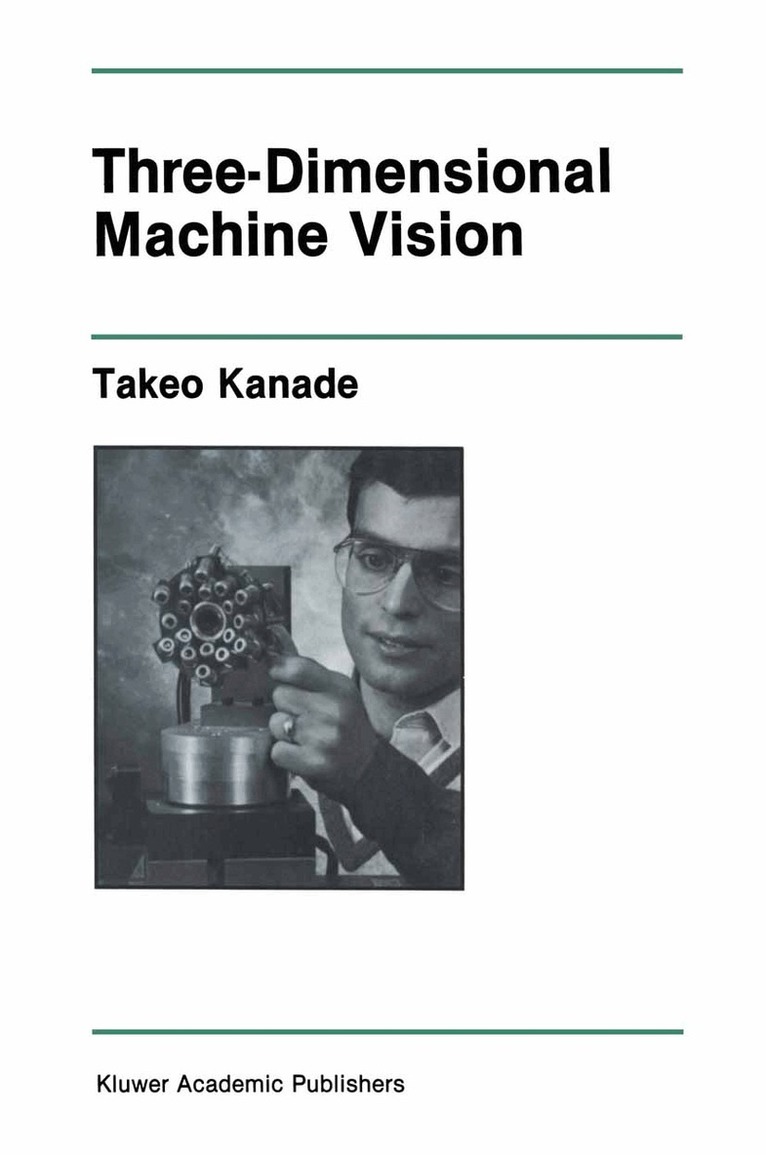
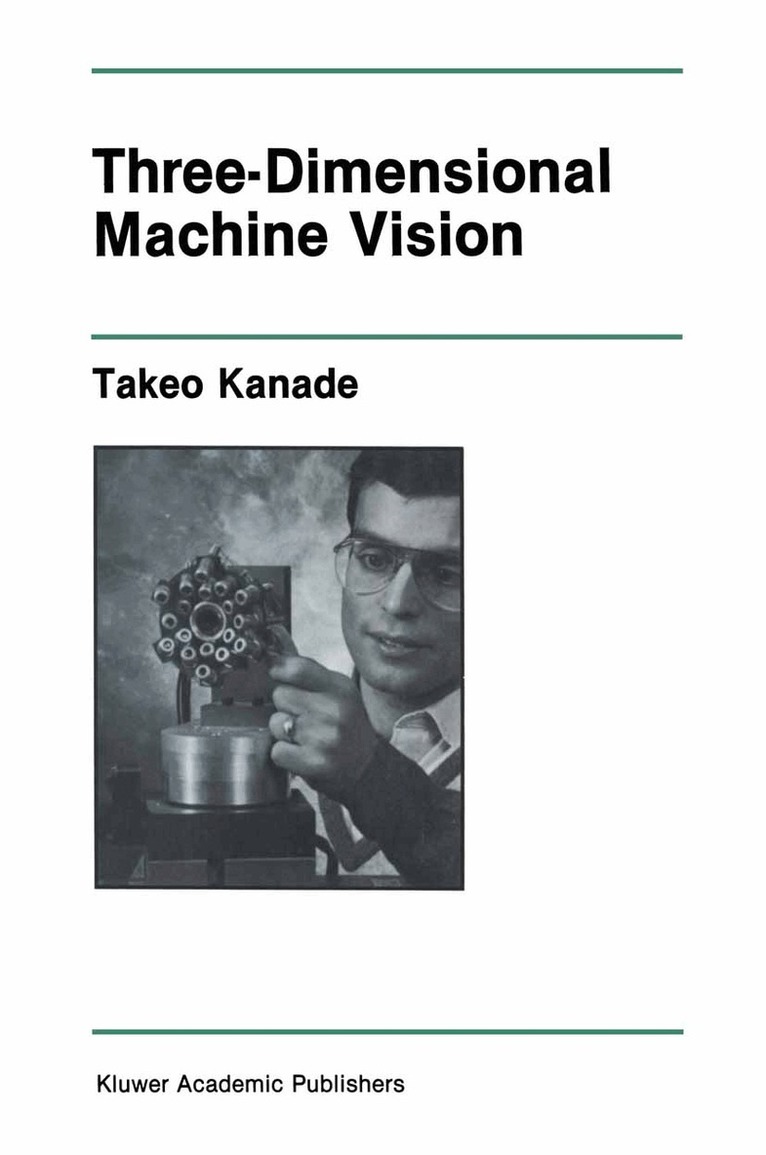
Arobotmustperceivethethree-dimensionalworldifitistobeeffective there. Yet recovering 3-D information from projected images is difficult, and still remains thesubjectofbasic research. Alternatively, onecan use sensorsthatcanprovidethree-dimensionalrangeinformationdirectly. The technique ofprojecting light-stripesstartedto be used in industrialobject recognition systems asearly asthe 1970s,andtime-of-flight laser-scanning range finders became available for outdoor mobile robotnavigation in the mid-eighties. Once range data are obtained, a vision system must still describe the scene in terms of 3-D primitives such as edges, surfaces, and volumes, and recognize objeCts of interest. Today, the art of sensing, extractingfeatures, and recognizing objectsbymeans ofthree-dimensional rangedataisoneofthemostexcitingresearchareasincomputervision. Three-Dimensional Machine Vision is a collection of papers dealing withthree-dimensionalrangedata. Theauthorsarepioneeringresearchers: some are founders and others are bringingnew excitements in thefield. I have tried to select milestone papers, and my goalhas beento make this bookareferenceworkforresearchersinthree-dimensionalvision.The book is organized into four parts: 3-D Sensors, 3-D Feature Extractions,ObjectRecognitionAlgorithms,andSystemsandApplications. Part I includes four papers which describe the development of unique, capable 3-D range sensors, as well as discussions of optical, geometrical, electronic, and computational issues. Mundy and Porter describe asensor systembasedonstructuredilluminationforinspectingmetalliccastings. In order to achieve high-speed data acquisition, it uses multiple lightstripes withwavelength multiplexing. Case, Jalkio,andKim alsopresentamulti- stripe system and discuss various design issues in range sensing by triangulation. ThenumericalstereocameradevelopedbyAltschuler, Bae, Altschuler, Dijak, Tamburino, and Woolford projects space-coded grid patterns which are generated by an electro-optical programmable spatial viii PREFACE light modulator. Kanade and Fuhrman present a proximity sensor using multipleLEDswhich areconically arranged. Itcan measurebothdistance andorientationofanobject'ssurface.
1 096 kr
Skickas inom 10-15 vardagar
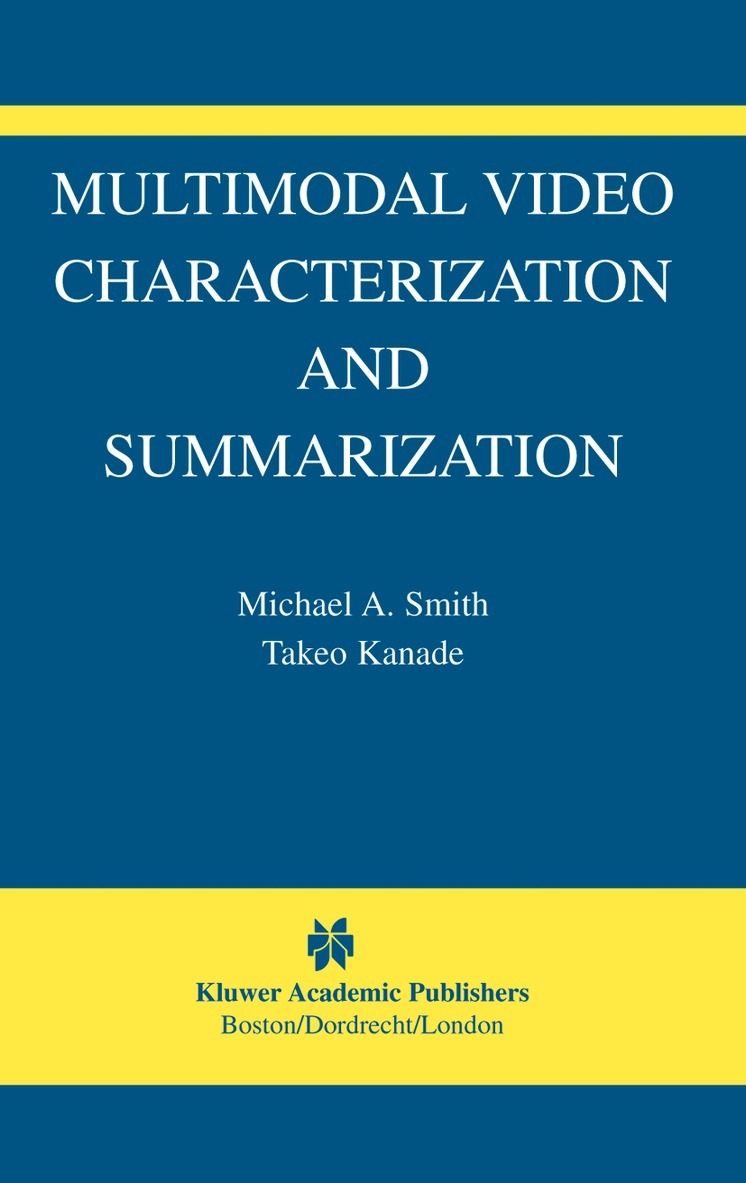
Multimodal Video Characterization and Summarization is a valuable research tool for both professionals and academicians working in the video field.This book describes the methodology for using multimodal audio, image, and text technology to characterize video content. This new and groundbreaking science has led to many advances in video understanding, such as the development of a video summary. Applications and methodology for creating video summaries are described, as well as user-studies for evaluation and testing.
1 096 kr
Skickas inom 10-15 vardagar
Multimodal Video Characterization and Summarization is a valuable research tool for both professionals and academicians working in the video field.This book describes the methodology for using multimodal audio, image, and text technology to characterize video content. This new and groundbreaking science has led to many advances in video understanding, such as the development of a video summary. Applications and methodology for creating video summaries are described, as well as user-studies for evaluation and testing.
3 149 kr
Skickas inom 10-15 vardagar
Arobotmustperceivethethree-dimensionalworldifitistobeeffective there. Yet recovering 3-D information from projected images is difficult, and still remains thesubjectofbasic research. Alternatively, onecan use sensorsthatcanprovidethree-dimensionalrangeinformationdirectly. The technique ofprojecting light-stripesstartedto be used in industrialobject recognition systems asearly asthe 1970s,andtime-of-flight laser-scanning range finders became available for outdoor mobile robotnavigation in the mid-eighties. Once range data are obtained, a vision system must still describe the scene in terms of 3-D primitives such as edges, surfaces, and volumes, and recognize objeCts of interest. Today, the art of sensing, extractingfeatures, and recognizing objectsbymeans ofthree-dimensional rangedataisoneofthemostexcitingresearchareasincomputervision. Three-Dimensional Machine Vision is a collection of papers dealing withthree-dimensionalrangedata. Theauthorsarepioneeringresearchers: some are founders and others are bringingnew excitements in thefield. I have tried to select milestone papers, and my goalhas beento make this bookareferenceworkforresearchersinthree-dimensionalvision.The book is organized into four parts: 3-D Sensors, 3-D Feature Extractions,ObjectRecognitionAlgorithms,andSystemsandApplications. Part I includes four papers which describe the development of unique, capable 3-D range sensors, as well as discussions of optical, geometrical, electronic, and computational issues. Mundy and Porter describe asensor systembasedonstructuredilluminationforinspectingmetalliccastings. In order to achieve high-speed data acquisition, it uses multiple lightstripes withwavelength multiplexing. Case, Jalkio,andKim alsopresentamulti- stripe system and discuss various design issues in range sensing by triangulation. ThenumericalstereocameradevelopedbyAltschuler, Bae, Altschuler, Dijak, Tamburino, and Woolford projects space-coded grid patterns which are generated by an electro-optical programmable spatial viii PREFACE light modulator. Kanade and Fuhrman present a proximity sensor using multipleLEDswhich areconically arranged. Itcan measurebothdistance andorientationofanobject'ssurface.
1 578 kr
Skickas inom 10-15 vardagar
Robotic technology offers two potential benefits for future space exploration. One benefit is minimizing the risk that astronauts face. The other benefit is increasing their productivity. Realizing the benefits of robotic technology in space will require solving several problems which are unique and now becoming active research topics. One of the most important research areas is dynamics, control, motion and planning for space robots by considering the dynamic interaction between the robot and the base (space station, space shuttle, or satellite). Any inefficiency in the planning and control can considerably risk by success of the space mission. Space Robotics: Dynamics and Control presents a collection of papers concerning fundamental problems in dynamics and control of space robots, focussing on issues relevant to dynamic base/robot interaction. The authors are all pioneers in theoretical analysis and experimental systems development of space robot technology. The chapters are organized within three problem areas: dynamics problems, nonholonomic nature problems, and control problems. This collection provides a solid reference for researchers in robotics, mechanics, control, and astronautical science.
Programming Language Ada. Reference Manual
American National Standards Institute, Inc. ANSI/MIL-STD-1815A-1983. Approved 17 February 1983
Häftad, Engelska, 1983
878 kr
Skickas inom 10-15 vardagar
Audio- and Video-Based Biometric Person Authentication
5th International Conference, AVBPA 2005, Hilton Rye Town, NY, USA, July 20-22, 2005, Proceedings
Häftad, Engelska, 2005
1 096 kr
Skickas inom 10-15 vardagar
This book constitutes the refereed proceedings of the 5th International Conference on Audio- and Video-Based Biometric Person Authentication, AVBPA 2005, held in Hilton Rye Town, NY, USA, in July 2005. The 66 revised oral papers and 50 revised poster papers presented were carefully reviewed and selected from numerous submissions. The papers discuss all aspects of biometrics including iris, fingerprint, face, palm print, gait, gesture, speaker, and signature; theoretical and algorithmic issues are dealt with as well as systems issues. The industrial side of biometrics is evident from presentations on smart cards, wireless devices, and architectural and implementation aspects.
Del 21 - Series In Machine Perception And Artificial Intelligence
Modelling And Planning For Sensor Based Intelligent Robot Systems
Inbunden, Engelska, 1995
2 772 kr
Tillfälligt slut
This edited and reviewed volume consists of papers that were originally presented at a workshop in the Scientific Center at Schloss Dagstuhl, Germany. It gives an overview of the field and presents the latest developments in the areas of modeling and planning for sensor based robots. The particular topics addressed include active vision, sensor fusion, environment modeling, motion planning, robot navigation, distributed control architectures, reactive behavior, and others.