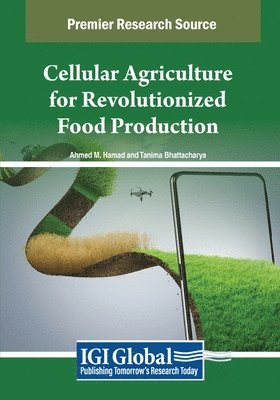
3 142 kr
Kommande
3 142 kr
Kommande
1 056 kr
Läs direkt efter köp
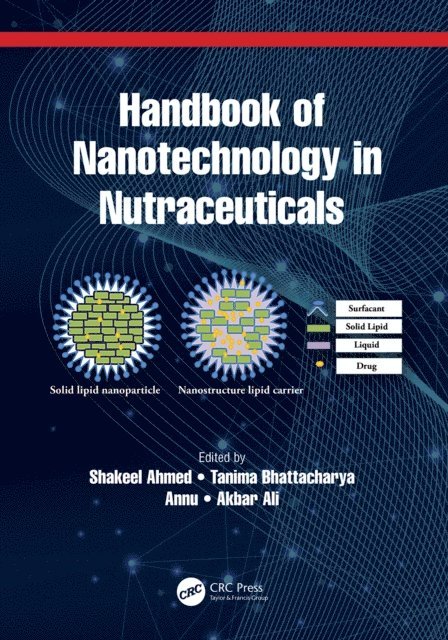
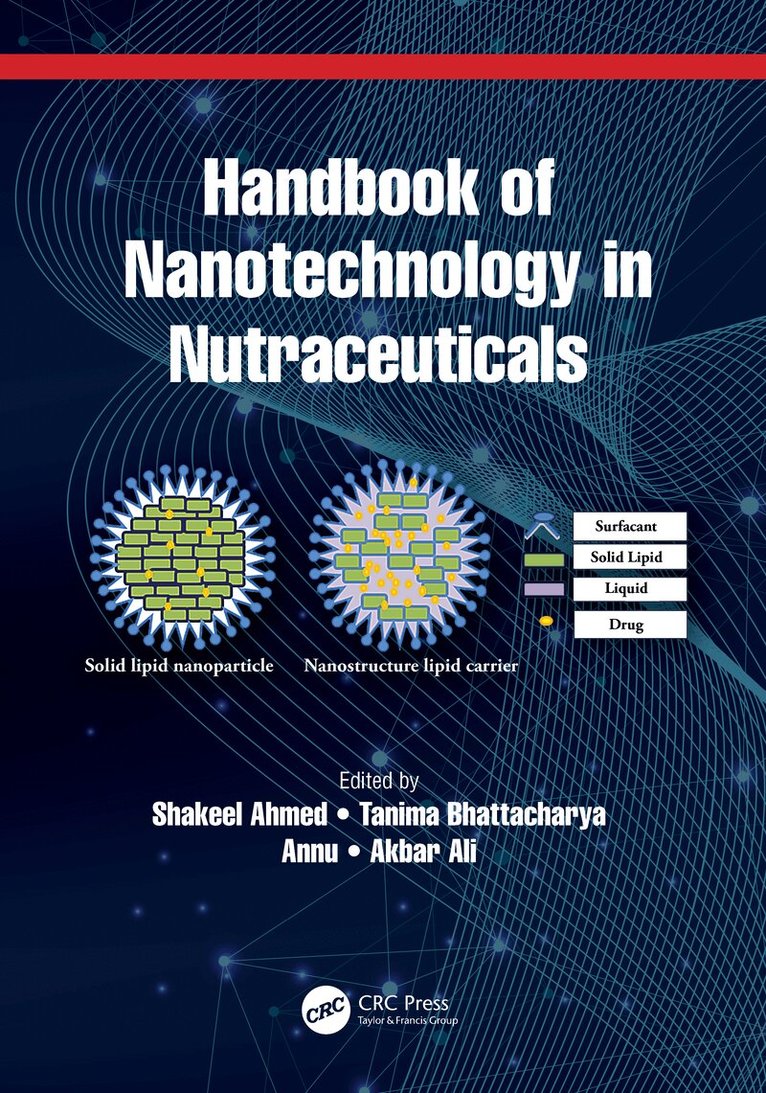
Nanotechnology has been emerging as an important tool in the nutraceutical and food industries to improve the overall quality of life. Nanotechnology has established a new horizon by bestowing modified properties on nanomaterials and applying them to the production of nanoformulations, nutritional supplements, and the food industry. The Handbook of Nanotechnology in Nutraceuticals highlights the impact of nanotechnology on the food industries.
The book focuses on the application of nanotechnology in nutraceuticals and the food industry to improve the overall quality of life. The book also addresses some important applications of nano-nutraceuticals in the treatment of different diseases, such as oxidative stress, cancer, neurodegenerative disorders, cardiovascular diseases, and so on.
Features
• Presents a scientometric approach to analyze the emergence of nano-nutraceuticals in cancer prevention and treatment
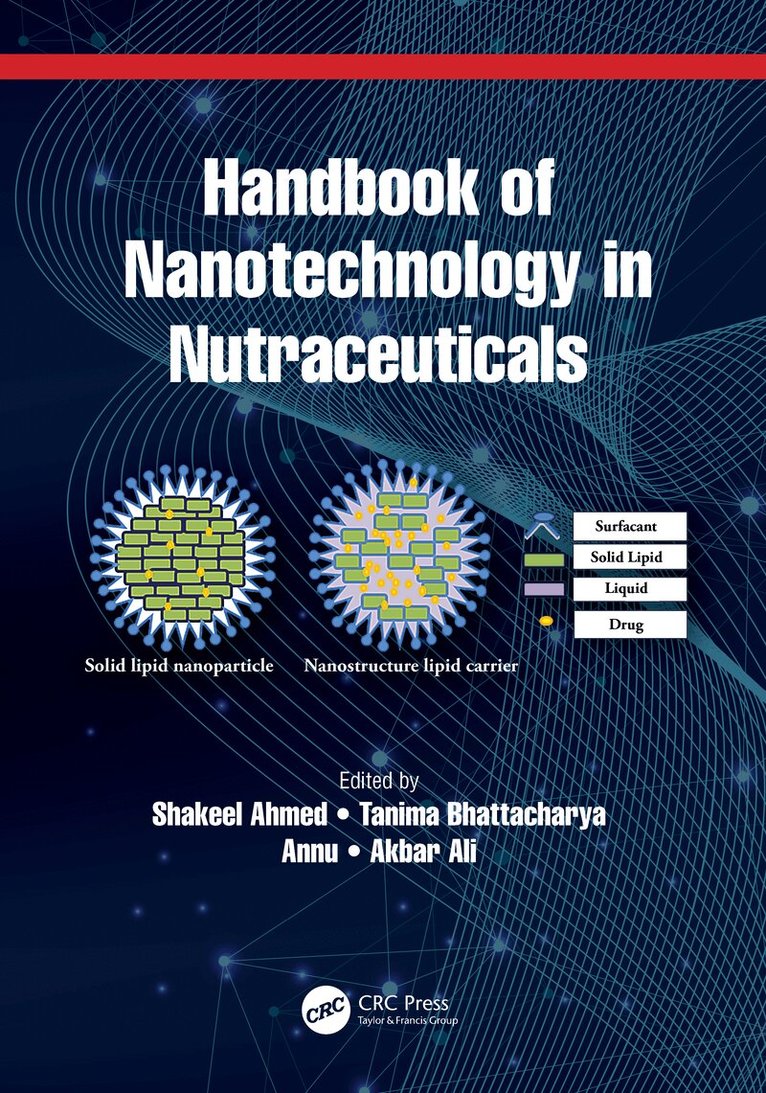
• Examines various strategies employed to prepare nanocarrier systems, such as nanoparticles, nanostructure lipids, phospholipid-based nanocarriers, polysaccharide-based nanostructures, and metal nanoparticles
• Discusses various regulatory issues related to nanotechnology and their application in different fields
This book is a valuable reference for nanotechnologists, scientists, and researchers working in the field of food technology, food science, pharmaceuticals, and nutraceuticals.
1 056 kr
Läs direkt efter köp
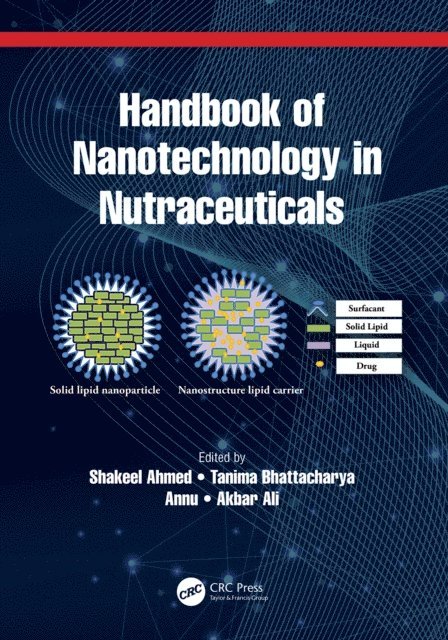
Nanotechnology has been emerging as an important tool in the nutraceutical and food industries to improve the overall quality of life. Nanotechnology has established a new horizon by bestowing modified properties on nanomaterials and applying them to the production of nanoformulations, nutritional supplements, and the food industry. The Handbook of Nanotechnology in Nutraceuticals highlights the impact of nanotechnology on the food industries.
The book focuses on the application of nanotechnology in nutraceuticals and the food industry to improve the overall quality of life. The book also addresses some important applications of nano-nutraceuticals in the treatment of different diseases, such as oxidative stress, cancer, neurodegenerative disorders, cardiovascular diseases, and so on.
Features
• Presents a scientometric approach to analyze the emergence of nano-nutraceuticals in cancer prevention and treatment
• Examines various strategies employed to prepare nanocarrier systems, such as nanoparticles, nanostructure lipids, phospholipid-based nanocarriers, polysaccharide-based nanostructures, and metal nanoparticles
• Discusses various regulatory issues related to nanotechnology and their application in different fields
This book is a valuable reference for nanotechnologists, scientists, and researchers working in the field of food technology, food science, pharmaceuticals, and nutraceuticals.
2 425 kr
Skickas inom 10-15 vardagar
893 kr
Skickas inom 10-15 vardagar
2 729 kr
Skickas inom 10-15 vardagar
3 142 kr
Läs direkt efter köp
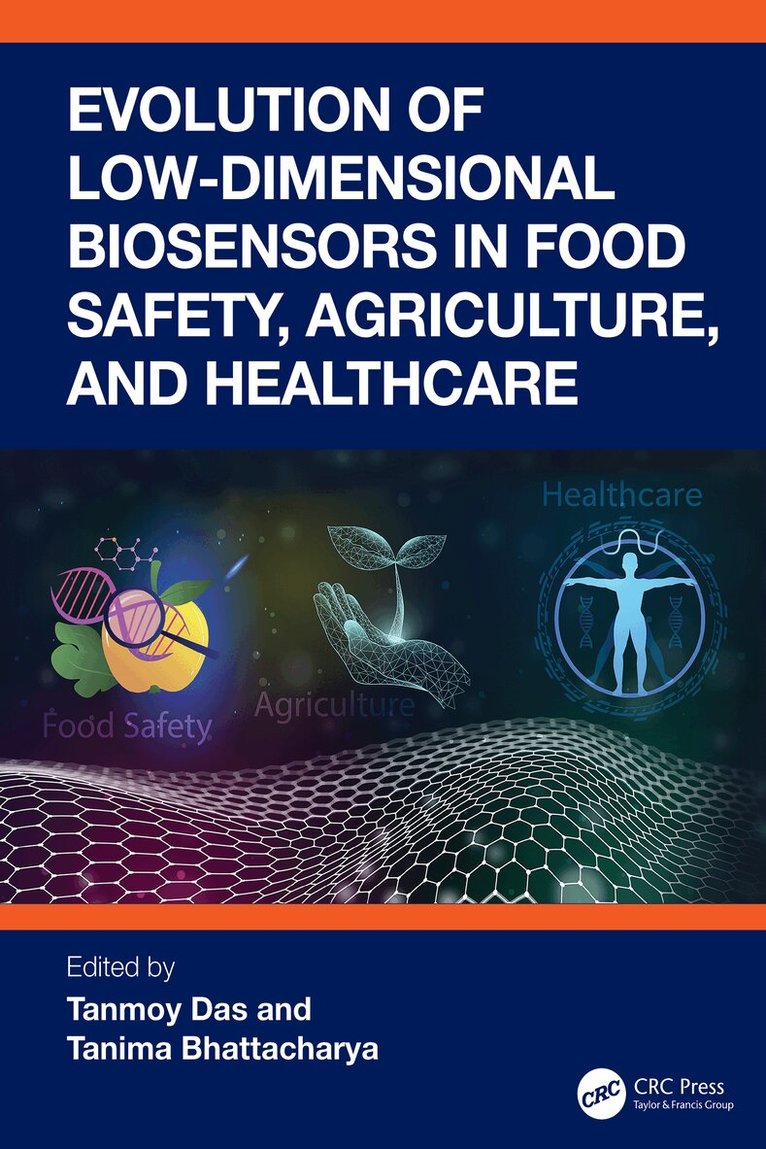
This book provides the principles of nanomaterial-based biosensors, including methods of transduction, molecular recognition, and amplification; fabrication techniques; and development of point-of-care devices for environmental, food, and medical diagnostics. It also examines future trends, difficulties, and prospects for disposable sensing devices. It focuses on sensors and sensing networks for strain, pressure, surface bio-potential, and direction. It underlines the selection of low-dimensional carbon materials, matrix and substrate materials, their interactions, and structural designs.
Key features:
Covers the design, manufacture, applications, problems, and future of low-dimensional biosensors Focuses specifically on different uses of low-dimensional materials in food, agriculture, and biomedical domains Discusses the sustainable industrial and resource efficiency of low-dimensional materials Addresses the influence of low-dimensional materials on human health, environmental, and agricultural aspects Offers a comprehensive assessment of material properties for various 2D systemsThis book is aimed at researchers and graduate students in materials science, nanotechnology, and biosensors.
3 051 kr
Läs direkt efter köp
This book provides the principles of nanomaterial-based biosensors, including methods of transduction, molecular recognition, and amplification; fabrication techniques; and development of point-of-care devices for environmental, food, and medical diagnostics. It also examines future trends, difficulties, and prospects for disposable sensing devices. It focuses on sensors and sensing networks for strain, pressure, surface bio-potential, and direction. It underlines the selection of low-dimensional carbon materials, matrix and substrate materials, their interactions, and structural designs.
Key features:
Covers the design, manufacture, applications, problems, and future of low-dimensional biosensors Focuses specifically on different uses of low-dimensional materials in food, agriculture, and biomedical domains Discusses the sustainable industrial and resource efficiency of low-dimensional materials Addresses the influence of low-dimensional materials on human health, environmental, and agricultural aspects Offers a comprehensive assessment of material properties for various 2D systemsThis book is aimed at researchers and graduate students in materials science, nanotechnology, and biosensors.
1 918 kr
Skickas
2 824 kr
Läs direkt efter köp
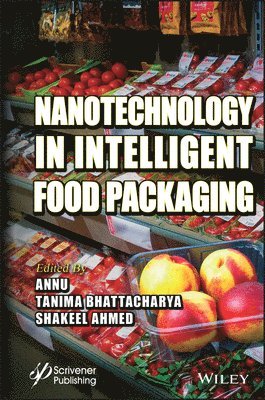
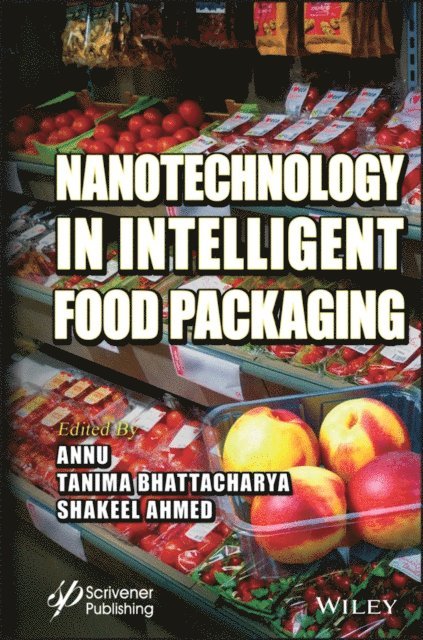
This book is a state-of-the-art exposition of nanotechnology and food packaging which is undergoing rapid advancement.
This book is specially designed with an emphasis on the state-of-the-art in nanotechnology and food packaging. It offers fascinating techniques for producing smart and active food packaging and also discusses its toxicity and the role that nanosensors play in detecting different pathogens in food packaging. The concluding chapters also explain recent developments concerning the incorporation of health supplements in food packaging and their future role in producing intelligent food packaging.
The 16 chapters of this book were contributed by academic and industry experts working in their respective areas of research and are thoughtfully arranged in a systematic fashion that preserves the flow of knowledge. An attempt has been made to include all the information in a single monograph to better understand the topics and technologies involved in the application of nanotechnology in intelligent food packaging.
Audience
The book is aimed at researchers, industry scientists such as chemists, biologists, polymer technologists, food packaging industrialists, biotechnologists, health experts, quality/food safety officials, and policymakers. It will also be helpful to graduate students in the fields of materials science, polymer science, and biotechnology to better understand the fundamental concepts involved in food packaging in relation to extending shelf life.
2 824 kr
Läs direkt efter köp
This book is a state-of-the-art exposition of nanotechnology and food packaging which is undergoing rapid advancement.
This book is specially designed with an emphasis on the state-of-the-art in nanotechnology and food packaging. It offers fascinating techniques for producing smart and active food packaging and also discusses its toxicity and the role that nanosensors play in detecting different pathogens in food packaging. The concluding chapters also explain recent developments concerning the incorporation of health supplements in food packaging and their future role in producing intelligent food packaging.
The 16 chapters of this book were contributed by academic and industry experts working in their respective areas of research and are thoughtfully arranged in a systematic fashion that preserves the flow of knowledge. An attempt has been made to include all the information in a single monograph to better understand the topics and technologies involved in the application of nanotechnology in intelligent food packaging.
Audience
The book is aimed at researchers, industry scientists such as chemists, biologists, polymer technologists, food packaging industrialists, biotechnologists, health experts, quality/food safety officials, and policymakers. It will also be helpful to graduate students in the fields of materials science, polymer science, and biotechnology to better understand the fundamental concepts involved in food packaging in relation to extending shelf life.
2 387 kr
Skickas inom 5-8 vardagar
2 824 kr
Läs direkt efter köp
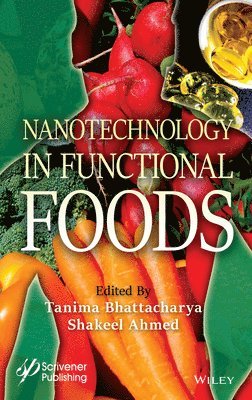
The broad applicability of bioactive delivery systems for improving food quality, safety, and human health will make this book a valuable resource for a wide range of readers in industry, research, and academia.
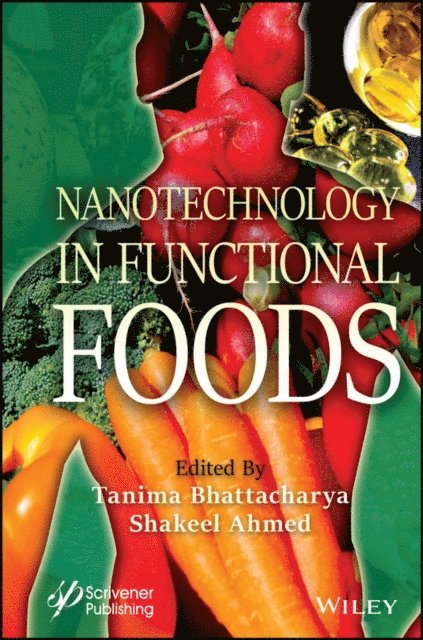
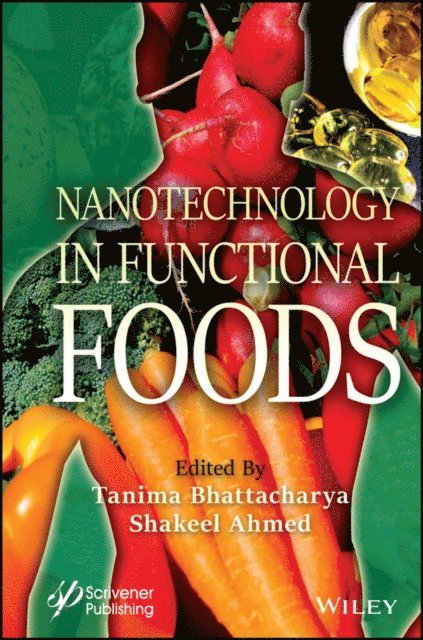
Functional foods is an emerging trend in the food industry, whose potential value is determined by whether they are safe with respect to consumer health. Nanotechnology in Functional Foods was written to help the reader better understand the benefits and concerns associated with these foods. In addition to giving an overview of the current state-of-the-art in functional foods, different aspects of the advanced research being conducted on their extraction, synthesis, analysis, and biological effects are presented. Besides focusing on several synthesis techniques, the book also discusses the application of nanoparticles in nutrient delivery and pharmaceuticals, such as nano-emulsions, solid lipid nanoparticles, and polymeric nanoparticles; their properties and interactions with other food components and their impact on the human body; the consumer acceptance and diversification of these nutrients. Moreover, new trends are discussed concerning the application of artificial intelligence in screening various components of functional foods.
Audience The book will be central to food scientists, materials scientists, biotechnologists, medicinal chemists, pharmacists, and medical professionals.
Tanima Bhattacharya, PhD, is a formulation scientist, who completed her Doctoral degree in Food Processing & Nutrition Science from the Indian Institute of Engineering Science and Technology, Shibpur, West Bengal, India and gained overseas post-doctoral experience from the College of Chemistry and Chemical Engineering Hubei University of China. She has published several scientific research articles in international peer-reviewed journals, and her research interests include the fabrication of biocompatible nanostructures and studying their properties and applications in the area of food science, technology, and biomedical sciences.
Shakeel Ahmed, PhD, is an assistant professor of Chemistry at the Higher Education Department, Government of Jammu and Kashmir, India. His PhD degree in Chemistry is from Jamia Millia Islamia, A Central University, New Delhi. He has published several research publications in the area of green nanomaterials and biopolymers for various applications including biomedical, packaging, and water treatment. He has published more than 20 books in the area of nanomaterials and green materials.
2 824 kr
Läs direkt efter köp
The broad applicability of bioactive delivery systems for improving food quality, safety, and human health will make this book a valuable resource for a wide range of readers in industry, research, and academia.
Functional foods is an emerging trend in the food industry, whose potential value is determined by whether they are safe with respect to consumer health. Nanotechnology in Functional Foods was written to help the reader better understand the benefits and concerns associated with these foods. In addition to giving an overview of the current state-of-the-art in functional foods, different aspects of the advanced research being conducted on their extraction, synthesis, analysis, and biological effects are presented. Besides focusing on several synthesis techniques, the book also discusses the application of nanoparticles in nutrient delivery and pharmaceuticals, such as nano-emulsions, solid lipid nanoparticles, and polymeric nanoparticles; their properties and interactions with other food components and their impact on the human body; the consumer acceptance and diversification of these nutrients. Moreover, new trends are discussed concerning the application of artificial intelligence in screening various components of functional foods.
Audience The book will be central to food scientists, materials scientists, biotechnologists, medicinal chemists, pharmacists, and medical professionals.
Tanima Bhattacharya, PhD, is a formulation scientist, who completed her Doctoral degree in Food Processing & Nutrition Science from the Indian Institute of Engineering Science and Technology, Shibpur, West Bengal, India and gained overseas post-doctoral experience from the College of Chemistry and Chemical Engineering Hubei University of China. She has published several scientific research articles in international peer-reviewed journals, and her research interests include the fabrication of biocompatible nanostructures and studying their properties and applications in the area of food science, technology, and biomedical sciences.
Shakeel Ahmed, PhD, is an assistant professor of Chemistry at the Higher Education Department, Government of Jammu and Kashmir, India. His PhD degree in Chemistry is from Jamia Millia Islamia, A Central University, New Delhi. He has published several research publications in the area of green nanomaterials and biopolymers for various applications including biomedical, packaging, and water treatment. He has published more than 20 books in the area of nanomaterials and green materials.
2 492 kr
Kommande
2 388 kr
Kommande
4 212 kr
Skickas inom 5-8 vardagar
3 732 kr
Skickas inom 5-8 vardagar