Tanmoy Kundu - Böcker
Visar alla böcker från författaren Tanmoy Kundu. Handla med fri frakt och snabb leverans.
5 produkter
5 produkter
2 419 kr
Skickas inom 10-15 vardagar
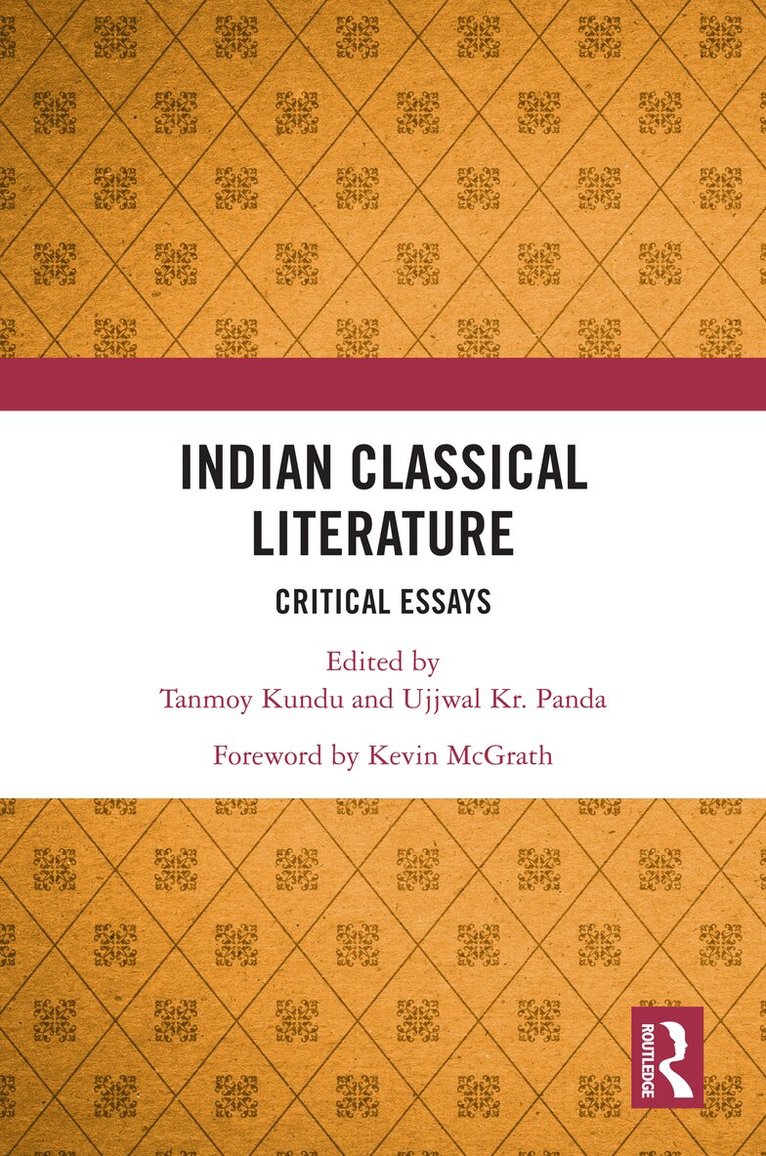
This book critically analyses classical Indian literature and explores the philosophical, literary, and cultural landscapes which have emerged in response to ancient Indian texts. It highlights the relevance of these texts and studies and how they have come to influence modern Indian literature in various ways. The authors look at classical literature both as a theoretical premise that primarily seeks to develop new knowledge and as a sphere of serious modern/postmodern critical attention. The volume features essays on key texts including Abhijnanasakuntalam, The Cilappatikaram: A Tale of An Anklet, Mrichchakatika, Panchatantra, and Mahabharata.A useful guide to ancient Indian texts, the book will be indispensable for students and researchers of mythology and classical literature, literary and critical theory, Indian literature, Sanskrit studies, and South Asian studies.
723 kr
Skickas inom 10-15 vardagar
This book critically analyses classical Indian literature and explores the philosophical, literary, and cultural landscapes which have emerged in response to ancient Indian texts. It highlights the relevance of these texts and studies and how they have come to influence modern Indian literature in various ways. The authors look at classical literature both as a theoretical premise that primarily seeks to develop new knowledge and as a sphere of serious modern/postmodern critical attention. The volume features essays on key texts including Abhijnanasakuntalam, The Cilappatikaram: A Tale of An Anklet, Mrichchakatika, Panchatantra, and Mahabharata.A useful guide to ancient Indian texts, the book will be indispensable for students and researchers of mythology and classical literature, literary and critical theory, Indian literature, Sanskrit studies, and South Asian studies.
2 419 kr
Skickas inom 10-15 vardagar
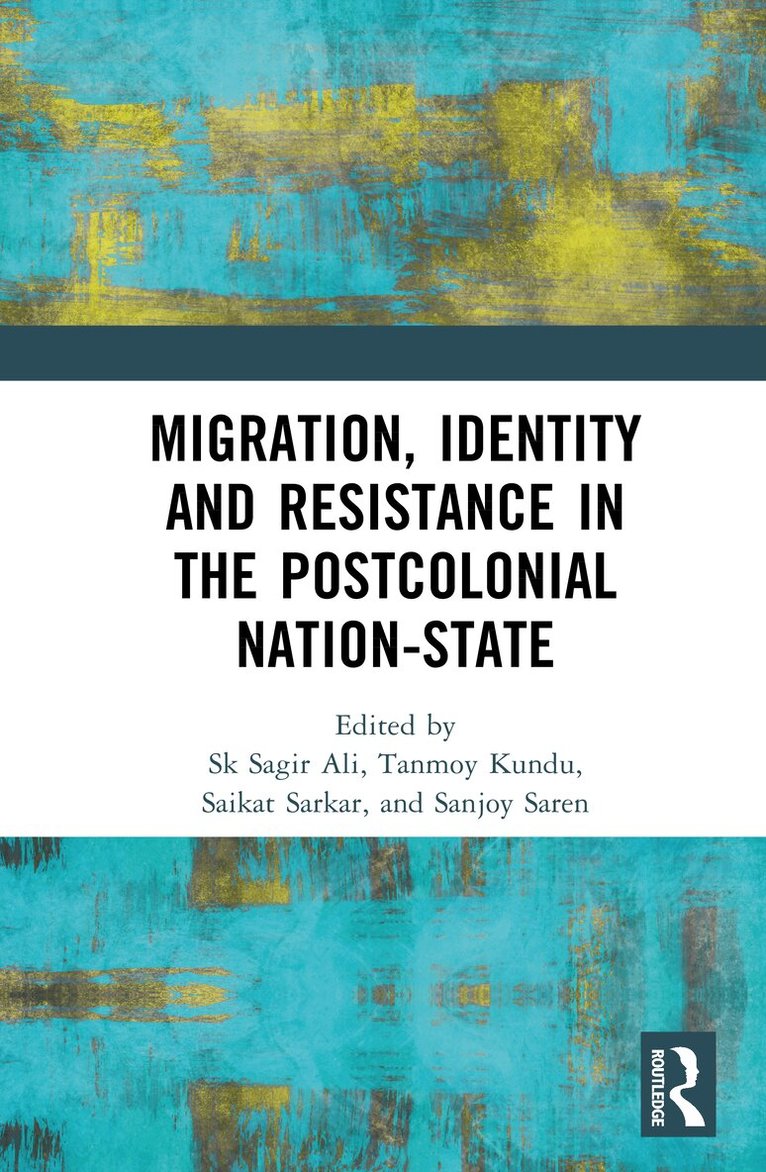
This volume represents a significant contribution to the fields of migration studies, postcolonial theory, and critical geography. It critically engages with the intersections of power, space, and identity to deepen our understanding of the challenges and possibilities of negotiating citizenship and belonging in an increasingly interconnected and precarious world. The book interrogates the construction of nationalist narratives and their role in perpetuating exclusionary paradigms, which marginalize certain demographic segments and reinforce hierarchical notions of belonging. Further, it examines the bio-political mechanisms that engender conditions of precarity, reshaping conceptions of citizenship and nationhood in response to environmental degradation, population control policies, and state surveillance. The essays in the volume delve into the diverse factors driving displacement, encompassing both state-driven policies of engineered displacement and environmental factors such as climate change, resource depletion, and natural disasters. They also focus on the marginalized spaces of displacement and explore how these sites become loci of resistance and incubators of alternative forms of belonging.Interdisciplinary in its approach and rigorous in its empirical analysis, the volume will stimulate further research, provoke new questions, and inspire transformative interventions in the fields of migration and diaspora studies, literary and cultural studies, politics and political processes, and sustainability studies.
776 kr
Kommande
This volume represents a significant contribution to the fields of migration studies, postcolonial theory, and critical geography. It critically engages with the intersections of power, space, and identity to deepen our understanding of the challenges and possibilities of negotiating citizenship and belonging in an increasingly interconnected and precarious world. The book interrogates the construction of nationalist narratives and their role in perpetuating exclusionary paradigms, which marginalize certain demographic segments and reinforce hierarchical notions of belonging. Further, it examines the bio-political mechanisms that engender conditions of precarity, reshaping conceptions of citizenship and nationhood in response to environmental degradation, population control policies, and state surveillance. The essays in the volume delve into the diverse factors driving displacement, encompassing both state-driven policies of engineered displacement and environmental factors such as climate change, resource depletion, and natural disasters. They also focus on the marginalized spaces of displacement and explore how these sites become loci of resistance and incubators of alternative forms of belonging.Interdisciplinary in its approach and rigorous in its empirical analysis, the volume will stimulate further research, provoke new questions, and inspire transformative interventions in the fields of migration and diaspora studies, literary and cultural studies, politics and political processes, and sustainability studies.
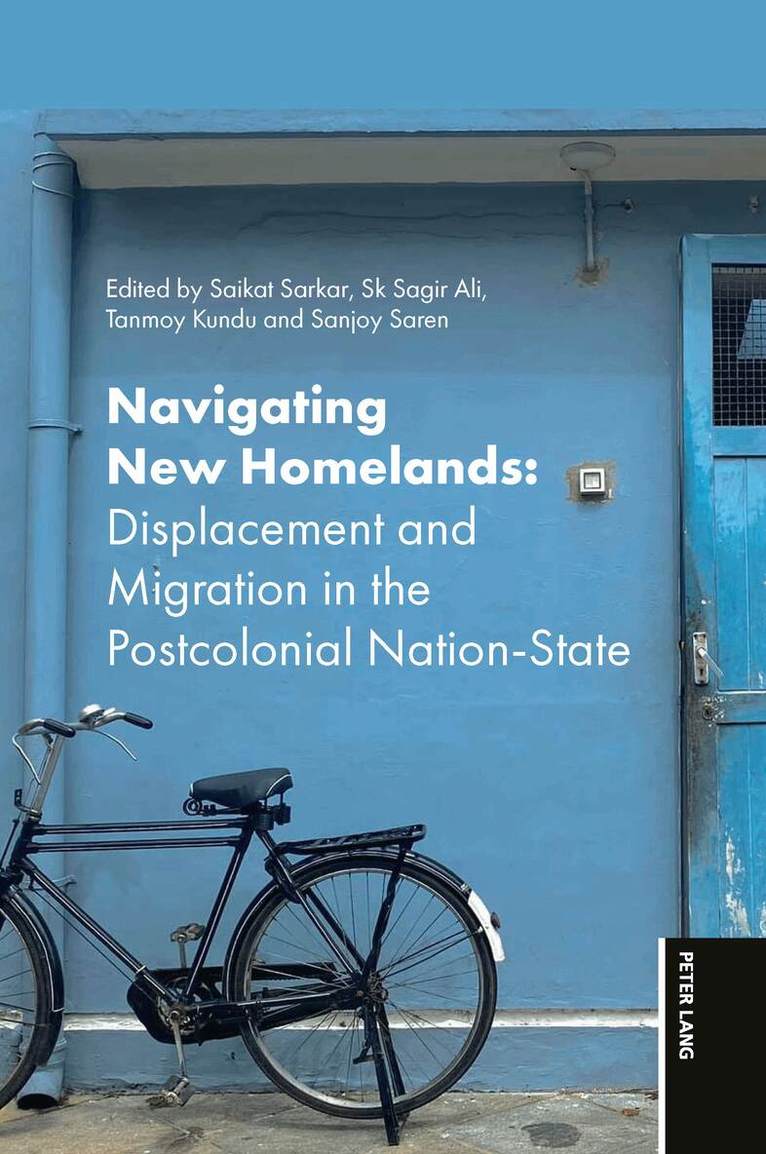
Navigating New Homelands
Displacement and Migration in the Post Colonial Nation-State
Häftad, Engelska, 2025
640 kr
Skickas inom 5-8 vardagar
This study undertakes a systematic exploration of the intricate interconnections among power, spatial dynamics, and geopolitical identity, and aims to deepen our comprehension of the multifaceted challenges and nuanced opportunities inherent in negotiating citizenship and the contours of belonging within the complexities of an unpredictable global milieu. The book analyzes the development of nationalist narratives and their role in perpetuating exclusionary frameworks that marginalize certain demographic groups and uphold hierarchical notions of belonging. Using an interdisciplinary approach, the chapters examine the various reasons contributing to displacement, including state-driven programs of engineered displacement and environmental influences such as climate change, resource depletion, and natural disasters. Their research emphasizes upon marginalized areas of displacement, examining how these locations serve as centers of resistance and foster alternative forms of belonging.