Tanveer Bilal Pirzadah – författare
Visar alla böcker från författaren Tanveer Bilal Pirzadah. Handla med fri frakt och snabb leverans.
6 produkter
6 produkter
Inbunden, Engelska, 2021
1 674 kr
Skickas inom 10-15 vardagar
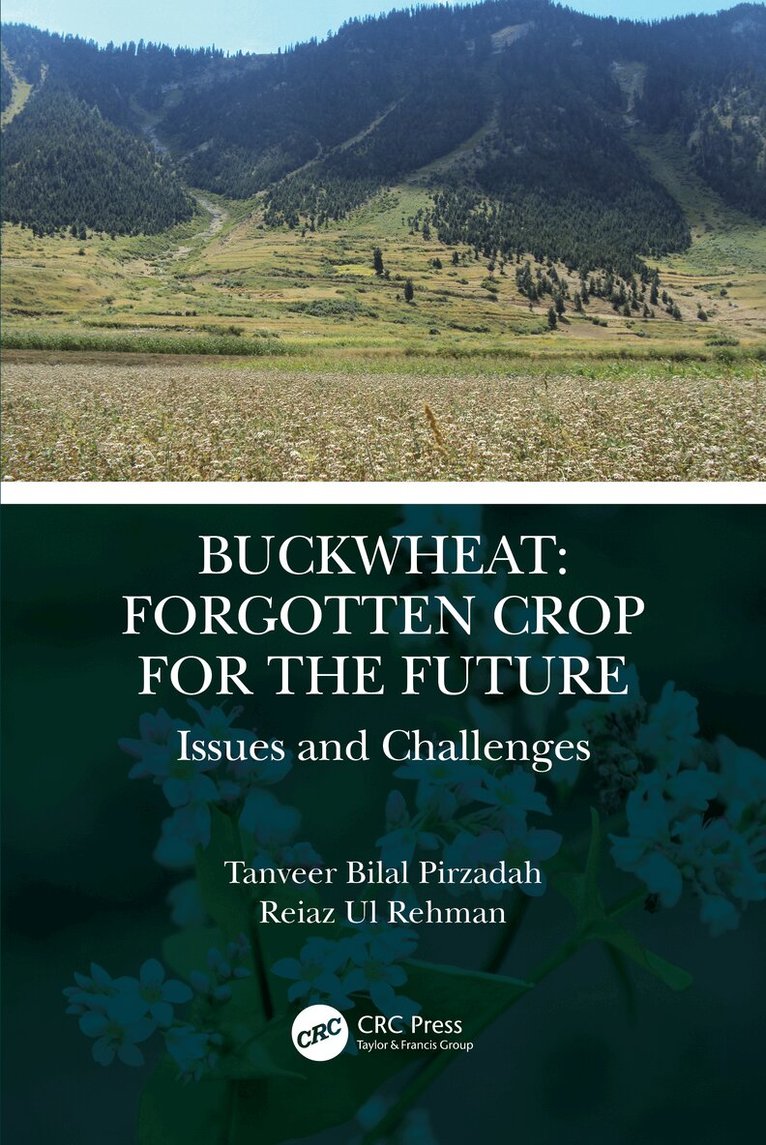
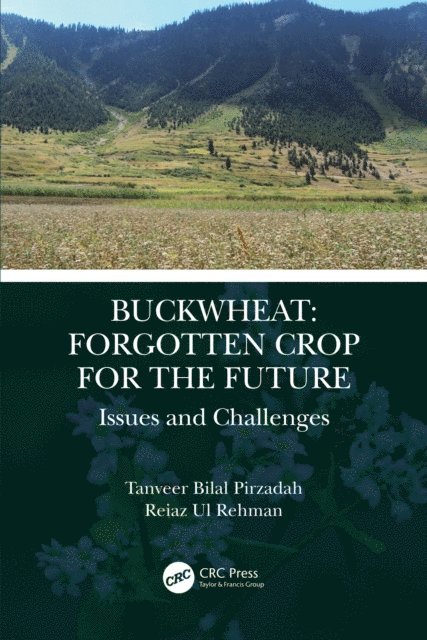
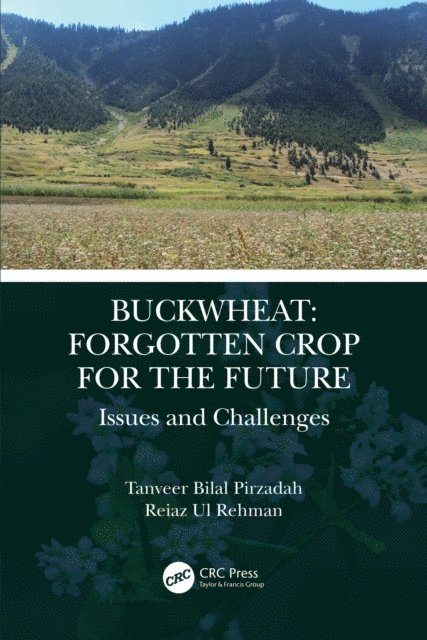
Buckwheat: Forgotten crop for the Future offers an overview of this globally important crop, including its history, origin and its importance to functional food sector. Due to its short growth span, ability to grow at higher altitudes and superior quality of its protein, buckwheat is considered as an important crop for addressing global food requirements. The book also provides upto date information on the abiotic stress tolerance properties of the crop including its hyperaccumulating potential. The book talks about the issues and challenges being faced for adopting this crop and the ways to address and overcome these limitations. The book guides the readers through different varietal adaptations and provides information on appropriate research directions. This book would serve as an ideal guide for researchers and advanced-level students seeking better understanding of the buckwheat crop. Introduces the buckwheat’s origin, history and diversity Summarizes the distribution of buckwheat species around the world Presents agro-techniques and cultivation practices of buckwheat Explores the nutraceutical potential of buckwheat Includes adaptation of buckwheat towards different environmental factors affecting growth and production Discusses the reasons for declining buckwheat production Addresses the strategies for buckwheat crop improvement
Inbunden, Engelska, 2021
2 577 kr
Skickas inom 10-15 vardagar
Plants and microbes have co-evolved and interacted with each other in nature. Understanding the complex nature of the plant-microbe interface can pave the way for novel strategies to improve plant productivity in an eco-friendly manner. The microbes associated with plants, often called plant microbiota, are an integral part of plant life. The significance of the plant microbiome is a reliable approach toward sustainability to meet future food crises and rejuvenate soil health. Profiling plant-associate microbiomes (genome assemblies of all microbes) is an emerging concept in understanding plant-microbe interactions. Microbiota extends the plant capacity to acclimatize fluctuating environmental conditions through several mechanisms. Thus, unraveling the mystery of plant-microbe dynamics through latest technologies to better understand the role of metabolites and signal pathway mechanisms is very important.This book shares the latest insight on omics technologies to unravel plant-microbe dynamic interactions and other novel phytotechnologies for cleaning contaminated soils. Besides, it also provides brief insight on the recently discovered clustered regularly interspaced short palindromic repeats CRISPR-Cas9, which is a genome editing tool to explore plant-microbe interactions and how this genome editing tool helps to improve the ability of microbes/plants to combat abiotic/biotic stresses.
Häftad, Engelska, 2027
1 963 kr
Kommande
A comprehensive guide for researchers working and collaborating with food and agriculture industry professionals, Genetic, Botanic, and Functional Advances in Allium Research highlights the latest insights on different endemic allium species such as onions, garlic, shallots and leeks for a better understanding of their bioactive potential and sustainable properties. Exploring the chemical compounds responsible for distinct flavors and aromas and the phytochemical and bioactive properties that aid in health, nutrition, and functional foods, authors provide in-depth coverage of the allium genus, from their botanical details to genetic makeup. Genetic, Botanic, and Functional Advances in Allium Research discusses how genomics, transcriptomics, proteomics and metabolomics are combined to provide comprehensive insight into the complex biology of certain alliums that is significant to their nutritional, medicinal and culinary attributes. The book also highlights the role of alliums in the ecosystem and their environmental impact on sustainable agriculture, waste valorization of specific allium species, the effect climate has on the nutritional value of certain species, and climate change adaptation and its impact on allium cultivation and nutritional profiles.Provides in-depth coverage of the allium genus, from botanical details and genetic insights to health and functional propertiesExplores the chemical compounds of alliums responsible for their distinct flavors, aromas and contribution to nutrition and healthDetails the phytochemical properties and pharmacological potential of allium compoundsDiscusses how genomics, transcriptomics, proteomics and metabolomics are combined to provide comprehensive insight into the complex biology of alliumsHighlights the environmental impact and ecosystem roles alliums have on sustainable agriculture
Inbunden, Engelska, 2022
2 325 kr
Skickas inom 5-8 vardagar
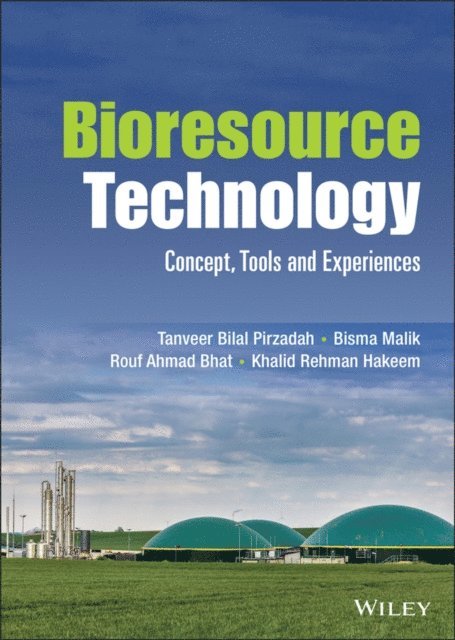
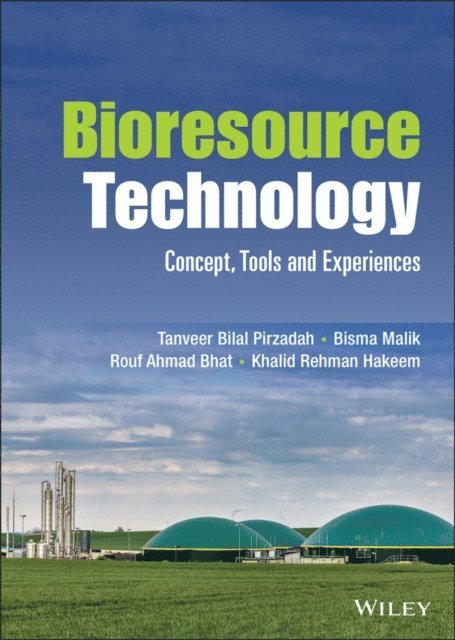
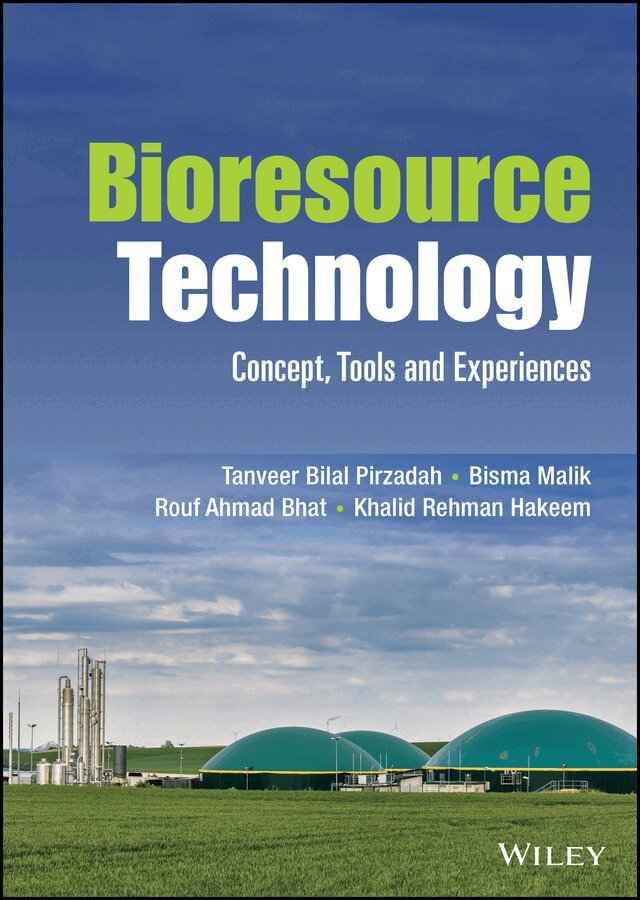
Bioresource Technology Discover the latest developments in the field of bioresource technology with this practical handbook The management and cultivation of bioresources are critical components of the economic survival of nations. Significantly underexplored, recent advances in bioresource technologies have breathed new life into the research and development of new bioresource techniques and capabilities. In Bioresource Technology: Concept, Tools, and Experiences, a team of distinguished researchers delivers a comprehensive work intended to bridge the gap between field-oriented taxonomists and ecologists and lab-oriented functional and molecular biologists. The book is divided into three sections: food, environment, and energy. In the first part, the authors explore the functional food sector, from green and smart food packaging to nanosensors as diagnostic tools in the food industry. The second part is concerned with the achievement of future energy security through the use of bioresources as energy sources. Finally, the third section discusses sustainable environmental management policies via bioresource use. Readers will also benefit from the inclusion of: A thorough introduction on the recent advances in the technology pertaining to functional food industry to overcome the future food challengesComprehensive explorations of the art and science of growing microgreens, including their historical background, cultivation practices, quality, and shelf lifeIn-depth examinations of the bioprospecting of bioresources, including bioprospecting in agriculture, chemical industries, and diagnostic applicationsProvides state-of-the art technologies in the green energy sector to cater for the energy demand of the people, reducing greenhouse gases (GHG) and the reliance on fossil fuelsIn-depth understanding on the recent advances in the bioresource management policies and sustainable environmentPerfect for postgraduate students, research scholars, faculty, and scientists involved in agriculture, plant sciences, environmental sciences, bioenergy, biofuels, molecular biology, and microbiology, Bioresource Technology: Concept, Tools, and Experiences is also an indispensable resource for those working in biochemistry, biotechnology, and food technology.
Inbunden, Engelska, 2020
1 943 kr
Skickas inom 10-15 vardagar
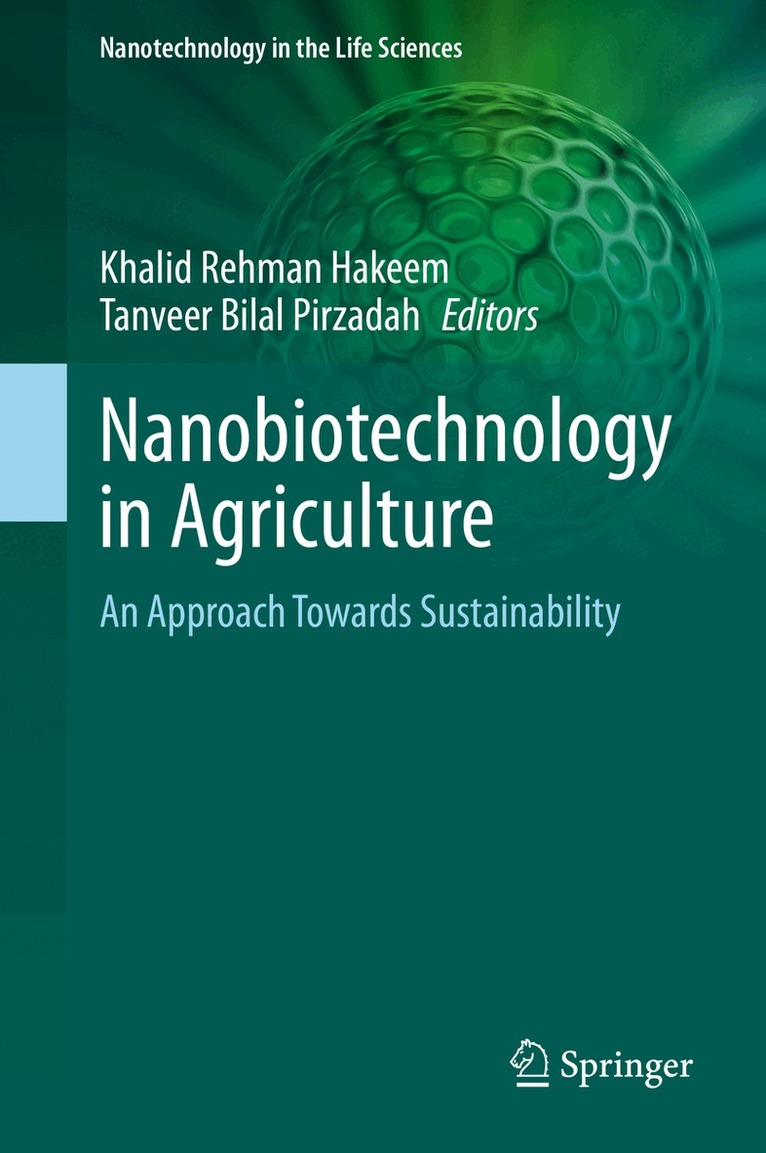
Agriculture is considered as a backbone of developing nations as it caters the needs of the people, directly or indirectly. The global agriculture currently faces enormous challenges like land degradation and reduced soil fertility, shrinking of land, low production yield, water accessibility and a dearth of labor due to evacuation of individuals from farming. Besides, the global population increases at an exponential rate and it is predicted that the global population will be 9 billion by 2050 that in turn leads to food crisis in near future. Although, green revolution revolutionizes the agriculture sector by enhancing the yield but it was not considered as a sustainable approach. Exorbitant use of chemical fertilizers and pesticides to boost the crop yield is definitely not a convenient approach for agriculture sustainability in the light of the fact that these chemical fertilizers are considered as double-edged sword, which on one hand enhance the crop yield but at the same timepossess deleterious effect on the soil microflora and thus declines its fertility. Besides, it cause irreversible damage to the soil texture and disrupts the equilibrium in the food chain across ecosystem, which might in turn lead to genetic mutations in future generations of consumers. Thus, the increased dependence on fabricated agricultural additives during and post green revolution has generated serious issues pertaining to sustainability, environmental impact and health hazards. Therefore, nano-biotechnology has emerged as a promising tool to tackle the above problems especially in the agriculture sector. Nano-agribusiness is an emerged field to enhance crop yield, rejuvenate soil health, provide precision farming and stimulate plant growth. Nano-biotechnology is an essential tool in modern agriculture and is considered as a primary economic driver in near future. It is evaluated that joining of cutting edge nanotechnology in agribusiness would push the worldwide monetary development to approximately US$ 3.4 trillion by 2020 which clearly indicates that how agri-nanobiotechnology plays a pivotal role in the agricultural sector, without any negative impact on the environment and other regulatory issues of biosafety. Agri-nanobiotechnology is an innovative green technology, which provides the solution to global food security, sustainability and climate change. The current book is presenting the role of nano-biotechnology in modern agriculture and how it plays a pivotal role to boost the agri-business.
Häftad, Engelska, 2021
1 943 kr
Skickas inom 10-15 vardagar
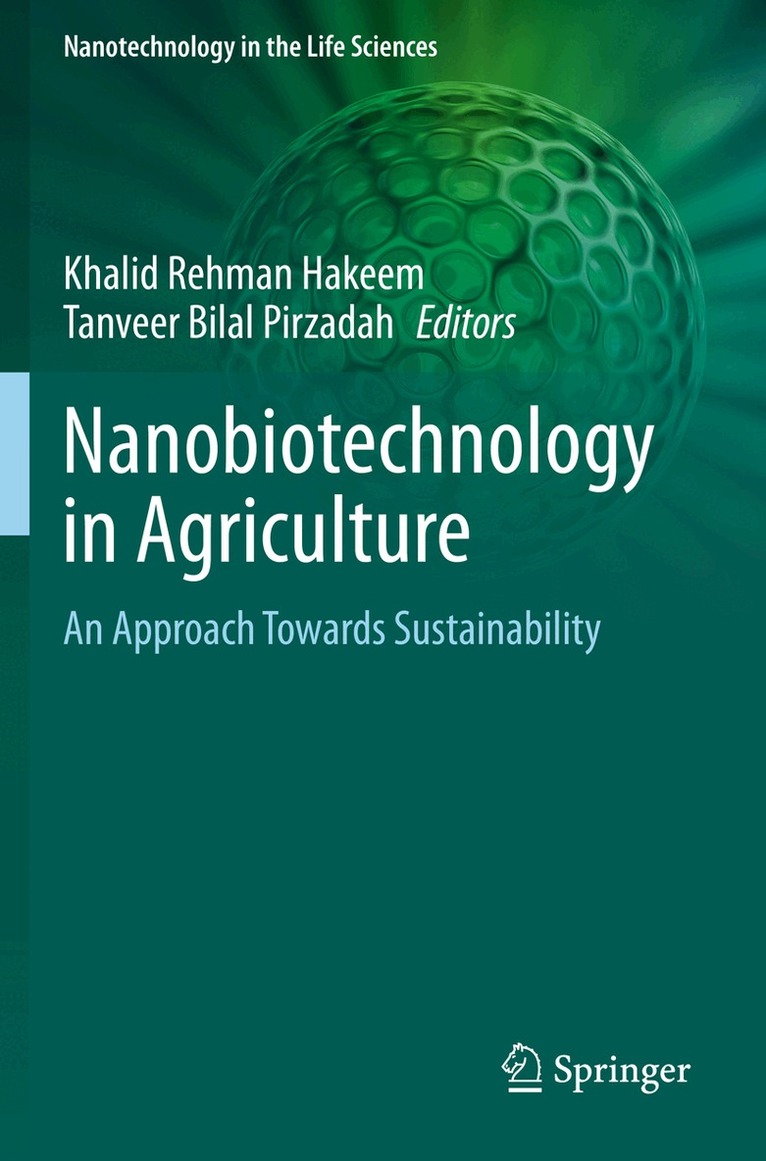
Agriculture is considered as a backbone of developing nations as it caters the needs of the people, directly or indirectly. The global agriculture currently faces enormous challenges like land degradation and reduced soil fertility, shrinking of land, low production yield, water accessibility and a dearth of labor due to evacuation of individuals from farming. Besides, the global population increases at an exponential rate and it is predicted that the global population will be 9 billion by 2050 that in turn leads to food crisis in near future. Although, green revolution revolutionizes the agriculture sector by enhancing the yield but it was not considered as a sustainable approach. Exorbitant use of chemical fertilizers and pesticides to boost the crop yield is definitely not a convenient approach for agriculture sustainability in the light of the fact that these chemical fertilizers are considered as double-edged sword, which on one hand enhance the crop yield but at the same timepossess deleterious effect on the soil microflora and thus declines its fertility. Besides, it cause irreversible damage to the soil texture and disrupts the equilibrium in the food chain across ecosystem, which might in turn lead to genetic mutations in future generations of consumers. Thus, the increased dependence on fabricated agricultural additives during and post green revolution has generated serious issues pertaining to sustainability, environmental impact and health hazards. Therefore, nano-biotechnology has emerged as a promising tool to tackle the above problems especially in the agriculture sector. Nano-agribusiness is an emerged field to enhance crop yield, rejuvenate soil health, provide precision farming and stimulate plant growth. Nano-biotechnology is an essential tool in modern agriculture and is considered as a primary economic driver in near future. It is evaluated that joining of cutting edge nanotechnology in agribusiness would push the worldwide monetary development to approximately US$ 3.4 trillion by 2020 which clearly indicates that how agri-nanobiotechnology plays a pivotal role in the agricultural sector, without any negative impact on the environment and other regulatory issues of biosafety. Agri-nanobiotechnology is an innovative green technology, which provides the solution to global food security, sustainability and climate change. The current book is presenting the role of nano-biotechnology in modern agriculture and how it plays a pivotal role to boost the agri-business.