Rouf Ahmad Bhat – författare
2 437 kr
Skickas inom 10-15 vardagar
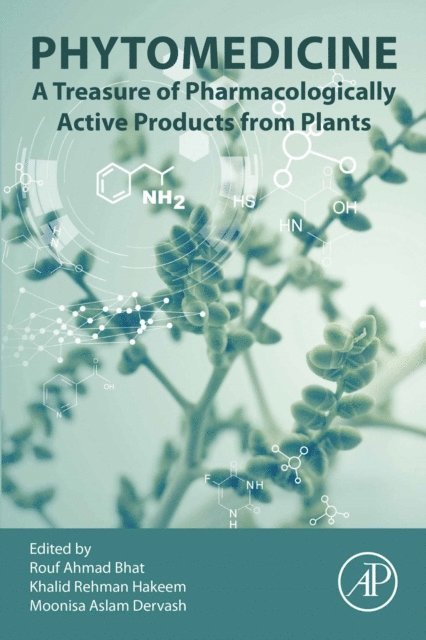
Phytomedicine: A Treasure of Pharmacologically Active Products from Plants aims to present updated knowledge of plant-based medicines in terms of their research and development, production, and utilization, from the viewpoint of sustainability and by using the latest technologies. The book explores different phytometabolites on a mass scale, coupled with the efficacy, performance and applicability on target organisms to treat curable and fatal diseases.
Readers will find a coherent package of phytotherapeutic information regarding inclusive assortment of research based, scientific amplitude of metabolites from the plant world encompassing various action plans. Information is presented sequentially regarding phytochemistry, biological activity and the serviceable aspects of bioactive compounds. The book also addresses various advancements and achievements of novel drugs from plants using molecular and enzymatic activities, and various technological tools in an ecofriendly fashion.
Discusses phytotherapeutic properties for a wide range of medical conditions, including anti-pyretic, anti-infective, anti-malarial, Anti-AIDS, anti-diabetic, anti-cancerous, immune-modulatory applications Includes a discussion of synergistic effects of formulations and antagonistic drug interactions Addresses advancements and achievements of novel plant-based drugs using molecular, enzymatic activities and various technological tools in an eco-friendly fashion3 349 kr
Läs direkt efter köp
1 440 kr
Skickas inom 10-15 vardagar
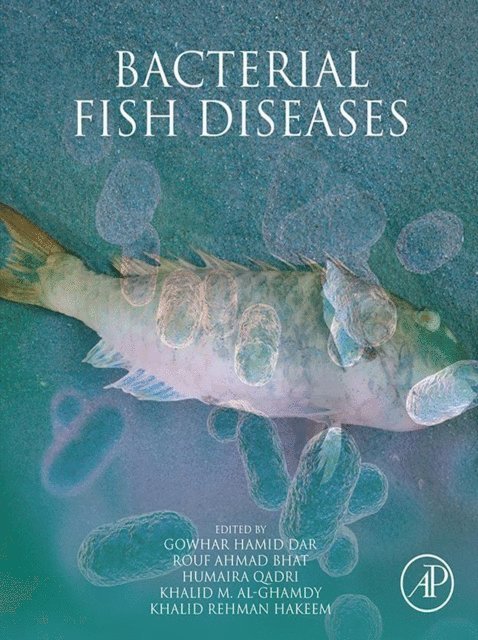
Bacterial Fish Diseases: Environmental and Economic Constraints will be useful for researchers and academics who need to understand the nature and consequences of bacteria-related disease in fishes. It has in-depth information on the complete genome of various bacterial species and identifies an essential number of virulence genes that affect the pathogenic potential of the bacteria in fish. Users will find the most relevant information derived from the available bacterial genomes concerning virulence and the diverse virulence factors that actively participate in host adherence, colonization and infection, including structural components, extracellular factors, secretion systems, iron acquisition and quorum sensing mechanisms.
This reference is beneficial for understanding economic losses due to bacterial pathogens in fish fauna and its impact on the economy. It addition, it provides information on good aquaculture practices and how to scientifically manage aquaculture and fishery sectors.
Presents bacteria-related diseases in fish species, highlighting problems associated with the culturing of fish Discusses pollution contamination in freshwater ecosystems to provide insights into the sustainable management of fish species Provides fundamental research concepts of fish health, along with practical research methods2 047 kr
Läs direkt efter köp
1 895 kr
Skickas inom 10-15 vardagar
Phytoremediation: Biotechnological Strategies for Promoting Invigorating Environs focuses on phytoremediation's history, present and future potential, discussing mechanisms of remediation, different types of pollutant and polluted environs, cell signaling, biotechnology, and molecular biology, including site-directed DNA and the omics related to plant sciences. Sections focus on phytoremediation as an economically feasible and environmentally safe strategy, including its mechanisms from macroscopic to microscopic level, strategies of assisted phytoremediation, the role of omics on innovations on the field, the development of genetically modified plants (GMPs) to deal with pollutants, the future prospects of targeted genetic engineering in phytoremediation and remediation advantages and disadvantages.
Other sections in the book explore the phytoremediation of specific environs (water and soil) and specific contaminants that are of major worldwide concern.
Presents phytoremediation mechanisms at a microscopic level (molecular mechanisms) Covers remediation in different environs and in different kinds of pollutants Conveys the economic aspects relating to phytoremediation2 317 kr
Skickas inom 10-15 vardagar
Synthesis of Bionanomaterials for Biomedical Applications summarizes a range of procedures, including green synthesis of metal nanoparticles, metal oxide nanoparticles, and other types of nanoparticles while also exploring the appropriate use of these nanoparticles in various therapeutic applications such as anticancer, antibacterial, antifungal, drug delivery, and more. The book provides important information for materials scientists and pharmaceutical scientists on the synthesis of various nanoparticles using a variety of eco-friendly bionanomaterials. As concern has arisen regarding the environmental impact caused by some of nanomaterials, as well as their possible toxicity to cells, this book presents information on a new generation of eco-friendly materials.
In addition, the green synthesis of nanoparticles shows how environmentally-friendly nanoparticles can be synthesized from different biological sources, such as microbes, fungi, algae and plants.
Provides information on the synthesis and application of eco-friendly bionanomaterials Offers coverage of nanomaterials generated through green synthesis Assesses the challenges of manufacturing eco-friendly nanomaterials on an industrial scale2 759 kr
Läs direkt efter köp
1 871 kr
Skickas inom 10-15 vardagar
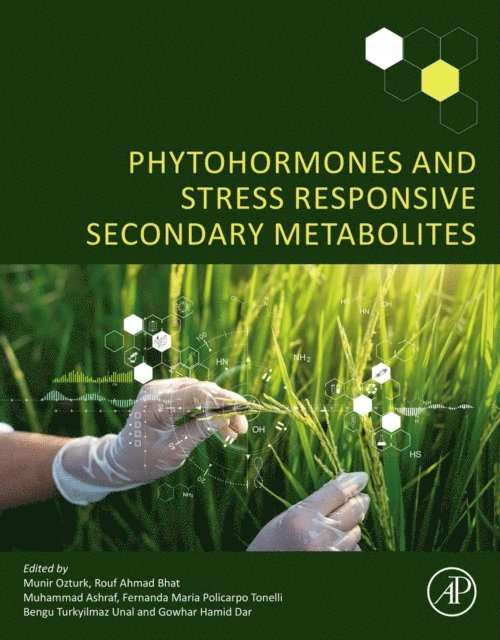
Phytohormones and Stress Responsive Secondary Metabolites provides a deep dive into the signaling pathways associated with phytohormones and phytometabolites. With a strong focus on plant stress responses and DNA technology, the book highlights plant biotechnology and metabolic engineering principles. Biotechnology, by using DNA editing technologies, allows the expression of plant genes into other plant species with desirable modulation on plant behavior. Beginning with an overview of phytohormone signaling, growth and abiotic and biotic stresses, subsequent chapters explore DNA modification strategies, epigenetic and epigenomic regulation, and miRNA regulation.
This book will be an essential resource for students, researchers and agriculturalists interested in plant physiology, plant genetics and plant biotechnology.
Provides a comprehensive review of phytohormone and phytometabolite signaling pathways Highlights recombinant DNA technology and therapeutic potential Analyzes plant stress responses under both abiotic and biotic stresses1 871 kr
Skickas inom 10-15 vardagar
Microbial Consortium and Biotransformation for Pollution Decontamination presents techniques for the decontamination of polluted environs through potential microbes, particularly examining the benefits of its broad applicability, sustainability and eco-friendly nature. Utilizing global case studies to describe practical applications of the technology, the book offers insights into the latest research on advanced microbiological tools and techniques for the remediation of severe pollutants from the environment. Environmental researchers and environmental managers focusing on pollution and decontamination will find both key contextual information and practical details that are essential in understanding the use of microbial technology for combatting pollutants.
Recent advancements in the field of NGS (next-generation sequencing) have allowed more detailed genomic, bioinformatics and metagenomic analyses of potential environmentally important microbes that have led to significant breakthroughs into key bio-degradative pathways. With the increase in human activities around the globe, toxic pollutants from multiple sources have contaminated the earth on a large number scale.
Explores advanced microbiological tools and techniques for the remediation of severe pollutants from the environment Presents practical case studies and examples of the use of microbial technology for decontamination from across the globe Provides insights into key elements of microbiological consortia and their role in decontamination, particularly the impact of these techniques on sustainability, ecology and economy2 759 kr
Läs direkt efter köp
3 204 kr
Läs direkt efter köp
2 034 kr
Kommande
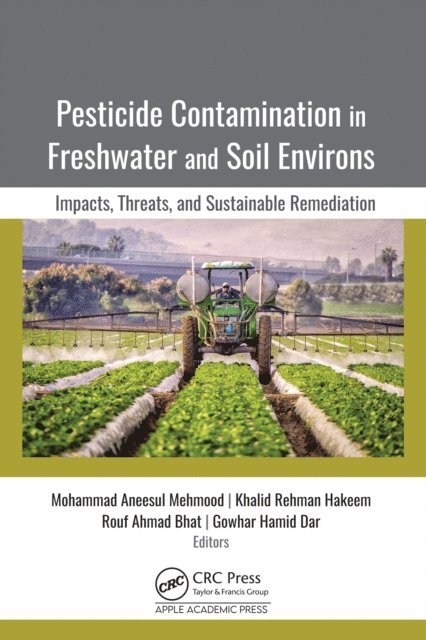
Pesticide Contamination in Freshwater and Soil Environs
Impacts, Threats, and Sustainable Remediation
2 471 kr
Läs direkt efter köp
Taking into consideration that the agricultural industry is greatly dependent on pesticide chemicals to deal with the damage caused due to pests, this new volume details the challenges along with the bioremediation and remediation measures, such as the use of beneficial microorganisms, polymeric nanocomposites for nanoremediation, phytoremediation, and more.
It looks at pesticide contamination from agricultural activities in a variety of different environs and a selection of sustainable and eco-friendly remediation approaches. It provides a spectrum of concepts, ideas, and knowledge related to the detrimental actions of pesticides on the environment directly and on human beings indirectly and provides insight into sustainable and advanced pesticide remediation technology.
It fills a gap in the available literature in this field and will provide valuable for academicians, researchers, agriculturists, and students.
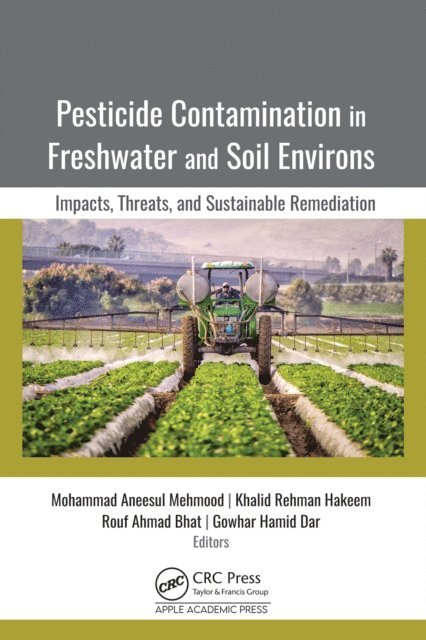
Pesticide Contamination in Freshwater and Soil Environs
Impacts, Threats, and Sustainable Remediation
2 471 kr
Läs direkt efter köp
Taking into consideration that the agricultural industry is greatly dependent on pesticide chemicals to deal with the damage caused due to pests, this new volume details the challenges along with the bioremediation and remediation measures, such as the use of beneficial microorganisms, polymeric nanocomposites for nanoremediation, phytoremediation, and more.
It looks at pesticide contamination from agricultural activities in a variety of different environs and a selection of sustainable and eco-friendly remediation approaches. It provides a spectrum of concepts, ideas, and knowledge related to the detrimental actions of pesticides on the environment directly and on human beings indirectly and provides insight into sustainable and advanced pesticide remediation technology.
It fills a gap in the available literature in this field and will provide valuable for academicians, researchers, agriculturists, and students.
2 255 kr
Läs direkt efter köp
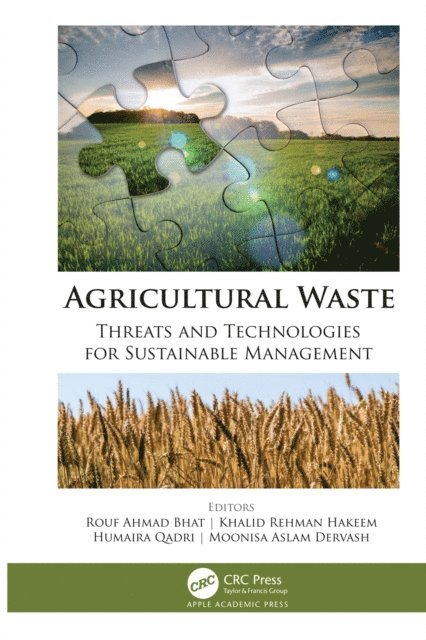
This volume focuses on tackling the harmful impact of agricultural waste with the use of sustainable practices, bio-techniques, and new technologies that either make use of the waste as a raw material or convert the waste into a useful resource that can help achieve environmental sustainability.
The agriculture sector is one of the major producers of waste around the world. These wastes are produced at various stages of the various processes in the agricultural industry. Agricultural practices such as mechanical tillage, mono-cropping, application of agro-chemicals, irrigation with waste and industrial waters affect soil health and productivity. The resulting agricultural wastes can have a deleterious impact on the different components of the environment, resulting in harmful problems that pose a huge risk to ecological stability.
The book investigates the sources and impacts of agri-waste on the environment and goes on to offer effective techniques, processes, and sustainable practices that can be implemented for effective agricultural waste management. Chapters also discuss a selection of innovative engineering-based technologies. The volume includes discussions of many remediation techniques, such as the use of biofertilizers, biocontrol agents, vermicomposting, green chemistry, microbial interventions, and more. The book explores the various uses of agri-waste with special emphasis on their applications in the plant-soil system.
This book is a valuable reference source for academicians, professionals, researchers, students, and policymakers who are interested in the innovative management of the agricultural waste.
2 337 kr
Läs direkt efter köp
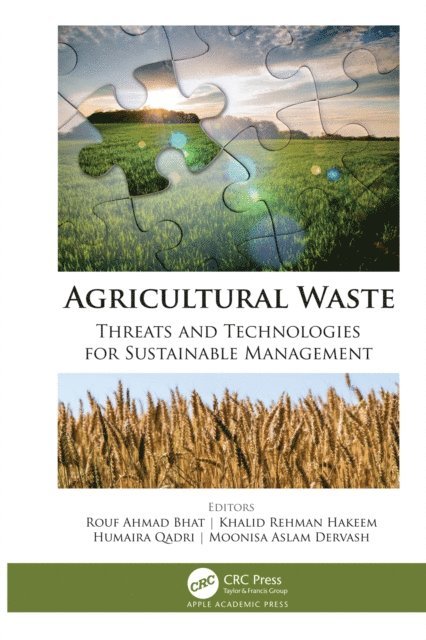
This volume focuses on tackling the harmful impact of agricultural waste with the use of sustainable practices, bio-techniques, and new technologies that either make use of the waste as a raw material or convert the waste into a useful resource that can help achieve environmental sustainability.
The agriculture sector is one of the major producers of waste around the world. These wastes are produced at various stages of the various processes in the agricultural industry. Agricultural practices such as mechanical tillage, mono-cropping, application of agro-chemicals, irrigation with waste and industrial waters affect soil health and productivity. The resulting agricultural wastes can have a deleterious impact on the different components of the environment, resulting in harmful problems that pose a huge risk to ecological stability.
The book investigates the sources and impacts of agri-waste on the environment and goes on to offer effective techniques, processes, and sustainable practices that can be implemented for effective agricultural waste management. Chapters also discuss a selection of innovative engineering-based technologies. The volume includes discussions of many remediation techniques, such as the use of biofertilizers, biocontrol agents, vermicomposting, green chemistry, microbial interventions, and more. The book explores the various uses of agri-waste with special emphasis on their applications in the plant-soil system.
This book is a valuable reference source for academicians, professionals, researchers, students, and policymakers who are interested in the innovative management of the agricultural waste.
2 085 kr
Läs direkt efter köp
This book provides a review of innovative and novel biotechnological techniques that can be implemented to assess, analyze, and mitigate harmful pollutants and wastes that result from agricultural and industrial operations. It helps to meet the much-needed demand for improvement of low-cost technologies that tackle pollution problems scientifically for the safeguard of the environment, focusing on bioremediation solutions that also create useful and renewable forms of energy.
The biotechnological interventions discussed in the volume include approaches involving genomics, proteomics, transcriptomics, metabolomics, and fluxomics. In addition, biological agents such as microalgae, bacteria, fungi, and bacteriophage, which can also prove to be helpful in the elimination of wastes, are explored. Topics in Environmental Biotechnology: Sustainable Remediation of Contamination in Different Environs include the associated consequences and hazards from agricultural and industrial waste and a variety of bioremediation measures, including the use of bioaugmentation, biosensors, challenges of biofuel production, and more.
The book is directed to researchers, scientists, industrialists, farmers, agricultural waste management authorities, as well as to faculty and students, and aims to help implement these novel technologies for environmental stability.
2 085 kr
Läs direkt efter köp
This book provides a review of innovative and novel biotechnological techniques that can be implemented to assess, analyze, and mitigate harmful pollutants and wastes that result from agricultural and industrial operations. It helps to meet the much-needed demand for improvement of low-cost technologies that tackle pollution problems scientifically for the safeguard of the environment, focusing on bioremediation solutions that also create useful and renewable forms of energy.
The biotechnological interventions discussed in the volume include approaches involving genomics, proteomics, transcriptomics, metabolomics, and fluxomics. In addition, biological agents such as microalgae, bacteria, fungi, and bacteriophage, which can also prove to be helpful in the elimination of wastes, are explored. Topics in Environmental Biotechnology: Sustainable Remediation of Contamination in Different Environs include the associated consequences and hazards from agricultural and industrial waste and a variety of bioremediation measures, including the use of bioaugmentation, biosensors, challenges of biofuel production, and more.
The book is directed to researchers, scientists, industrialists, farmers, agricultural waste management authorities, as well as to faculty and students, and aims to help implement these novel technologies for environmental stability.
2 385 kr
Läs direkt efter köp
This new volume presents informative research on the different aspects of employing nanotechnology for environmental pollution decontamination, highlighting the main tools, methods, and approaches for contaminants detection and remediation.
The book takes a biotechnological point of view that considers the main environmental pollutants; the safety and economic aspects of nanoremediation, nanosensors and nanobiosensors for the detection of pollutants; and strategies to promote nanoremediation and nanobioremediation. The chapters offer a comprehensive overview of nanotechnologic strategies as essential tools to restore polluted environments and to make more feasible and harmonic the pathway to sustainable development. The volume also discusses the use of sensors to detect pollutants and to monitor the quality of environmental restoration.
Topics include nanozymes; organic and inorganic pollutants threatening human health; different types of carbon-based and non-carbon-based nanomaterials in nanosensors and nanobiosensors to detect environmental pollution; nanomaterials that specifically deal with water, soil, or air pollution; and assisted nanoremediation promoted by plants (nanophytoremediation) or microorganisms (for example, mycorrhizal fungus) that promote in situ nano-phyto-mycorrhizo-remediation. Also addressed are aspects related to a macroperspective of nanoremediation that highlight the economic aspects related to nanotechnology, the safety aspects of the use of nanomaterials, and the sustainability aspects related to the use of nanomaterials in strategies of environmental restoration.
Nanotechnology for Environmental Pollution Decontamination: Tools, Methods, and Approaches for Detection and Remediation offers extensive and comprehensive knowledge on nanotechnology applied to pollution detection and remediation, assisted or not by biological strategies.
2 471 kr
Läs direkt efter köp
This new volume presents informative research on the different aspects of employing nanotechnology for environmental pollution decontamination, highlighting the main tools, methods, and approaches for contaminants detection and remediation.
The book takes a biotechnological point of view that considers the main environmental pollutants; the safety and economic aspects of nanoremediation, nanosensors and nanobiosensors for the detection of pollutants; and strategies to promote nanoremediation and nanobioremediation. The chapters offer a comprehensive overview of nanotechnologic strategies as essential tools to restore polluted environments and to make more feasible and harmonic the pathway to sustainable development. The volume also discusses the use of sensors to detect pollutants and to monitor the quality of environmental restoration.
Topics include nanozymes; organic and inorganic pollutants threatening human health; different types of carbon-based and non-carbon-based nanomaterials in nanosensors and nanobiosensors to detect environmental pollution; nanomaterials that specifically deal with water, soil, or air pollution; and assisted nanoremediation promoted by plants (nanophytoremediation) or microorganisms (for example, mycorrhizal fungus) that promote in situ nano-phyto-mycorrhizo-remediation. Also addressed are aspects related to a macroperspective of nanoremediation that highlight the economic aspects related to nanotechnology, the safety aspects of the use of nanomaterials, and the sustainability aspects related to the use of nanomaterials in strategies of environmental restoration.
Nanotechnology for Environmental Pollution Decontamination: Tools, Methods, and Approaches for Detection and Remediation offers extensive and comprehensive knowledge on nanotechnology applied to pollution detection and remediation, assisted or not by biological strategies.
2 407 kr
Läs direkt efter köp
Highlighting cutting-edge research on human exposure to endocrine toxicants and the related harmful effects, this book focuses on the challenges of dealing with increasing pollution levels, increased use of synthetic chemicals, and environmental endocrine disruptors that endanger the human endocrine system and its hormones. Found in manmade and natural substances and materials, these toxicants include pesticides, herbicides, industrial chemicals, solvents and byproducts, phytoestrogens, nanomaterials, and chemicals used in personal care products. They may mimic or interfere with the body’s hormones and are linked with developmental, reproductive, brain, immune, and other problems. The volume discusses the chemical nature and mechanisms of endocrine disruptors, their sources, the impact of endocrine toxicants on a sustainable environment, and the effect of endocrine toxicants on human health, such as on thyroid glands, on human reproduction, etc. The volume also looks at the therapeutic effects of medicinal plants on endocrine disorders in humans.
2 407 kr
Läs direkt efter köp
Highlighting cutting-edge research on human exposure to endocrine toxicants and the related harmful effects, this book focuses on the challenges of dealing with increasing pollution levels, increased use of synthetic chemicals, and environmental endocrine disruptors that endanger the human endocrine system and its hormones. Found in manmade and natural substances and materials, these toxicants include pesticides, herbicides, industrial chemicals, solvents and byproducts, phytoestrogens, nanomaterials, and chemicals used in personal care products. They may mimic or interfere with the body’s hormones and are linked with developmental, reproductive, brain, immune, and other problems. The volume discusses the chemical nature and mechanisms of endocrine disruptors, their sources, the impact of endocrine toxicants on a sustainable environment, and the effect of endocrine toxicants on human health, such as on thyroid glands, on human reproduction, etc. The volume also looks at the therapeutic effects of medicinal plants on endocrine disorders in humans.
1 488 kr
Skickas inom 10-15 vardagar
2 056 kr
Skickas inom 10-15 vardagar
838 kr
Kommande
2 522 kr
Läs direkt efter köp
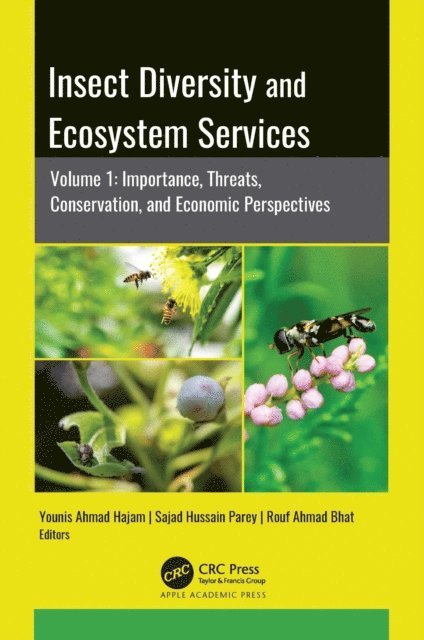
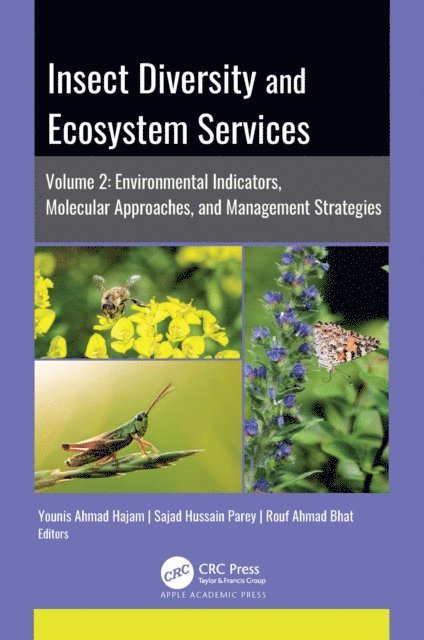
This new innovative work on insects and their impact on the ecosystem covers the role of insects in environmental pollution, their use in sustainable agricultural services, and the industrial, forensic, and medical applications of insects and their pure products. The book also covers the entomological and molecular aspects of insects, identifies the gaps in the research, and looks at integrated management strategies for pests.
Volume 1: Importance, Threats, Conservation, and Economic Perspectives, reviews the different insect orders regarding their diversity and importance in providing free ecological services and discusses the diversity patterns of world biogeographic zones and how insects contribute to maintaining ecological diversity.
Volume 2: Environmental Indicators, Molecular Approaches, and Management Strategies discusses the role of insects as environmental indicators, the effect of pesticides on insect diversity, strategies to control the diversity of insects, medical and forensic importance of insects, exploring new insect species through DNA barcoding, integrated pest management, the role of insect population in agriculture, and eco-friendly pest management approaches.
Some topics covered in the book include:
Role of insects for the sustainable agricultural development Commercial importance of insects and their products Food additive roles of insects and formulation of remedies for the reduction of disease pathogenesis Management strategies for pest controlSome specific topics include colony collapse disorder of managed honey bee (Apis mellifera l.) populations, insects as strong crime indicator tools in forensic sciences, insect-based value-added products, and more.
Together, these two volumes offer important information for researchers, academicians, scientists, industrialists, teachers, entomologists, and students for understanding the contribution of insects towards the sustainability of the ecosystem.
2 522 kr
Läs direkt efter köp
This new innovative work on insects and their impact on the ecosystem covers the role of insects in environmental pollution, their use in sustainable agricultural services, and the industrial, forensic, and medical applications of insects and their pure products. The book also covers the entomological and molecular aspects of insects, identifies the gaps in the research, and looks at integrated management strategies for pests.
Volume 1: Importance, Threats, Conservation, and Economic Perspectives, reviews the different insect orders regarding their diversity and importance in providing free ecological services and discusses the diversity patterns of world biogeographic zones and how insects contribute to maintaining ecological diversity.
Volume 2: Environmental Indicators, Molecular Approaches, and Management Strategies discusses the role of insects as environmental indicators, the effect of pesticides on insect diversity, strategies to control the diversity of insects, medical and forensic importance of insects, exploring new insect species through DNA barcoding, integrated pest management, the role of insect population in agriculture, and eco-friendly pest management approaches.
Some topics covered in the book include:
Role of insects for the sustainable agricultural development Commercial importance of insects and their products Food additive roles of insects and formulation of remedies for the reduction of disease pathogenesis Management strategies for pest controlSome specific topics include colony collapse disorder of managed honey bee (Apis mellifera l.) populations, insects as strong crime indicator tools in forensic sciences, insect-based value-added products, and more.
Together, these two volumes offer important information for researchers, academicians, scientists, industrialists, teachers, entomologists, and students for understanding the contribution of insects towards the sustainability of the ecosystem.
2 522 kr
Läs direkt efter köp
This new innovative work on insects and their impact on the ecosystem covers the role of insects in environmental pollution, their use in sustainable agricultural services, and the industrial, forensic, and medical applications of insects and their pure products. The book also covers the entomological and molecular aspects of insects, identifies the gaps in the research, and looks at integrated management strategies for pests.
Volume 1: Importance, Threats, Conservation, and Economic Perspectives, reviews the different insect orders regarding their diversity and importance in providing free ecological services and discusses the diversity patterns of world biogeographic zones and how insects contribute to maintaining ecological diversity.
Volume 2: Environmental Indicators, Molecular Approaches, and Management Strategies discusses the roleof insects environmental indicators, the effect of pesticides on insect diversity, strategies to control the diversity of insects, medical and forensic importance of insects, exploring new insect species through DNA barcoding, integrated pest management, the role of insect population in agriculture, and eco-friendly pest management approaches, etc.
Some topics covered in the book include:
Role of insects for the sustainable agricultural development Commercial importance of insects and their products Food additive roles of insects and formulation of remedies for the reduction of disease pathogenesis Management strategies for pest controlSome specific topics include colony collapse disorder of managed honey bee (Apis mellifera l.) populations, insects as strong crime indicator tools in forensic sciences, insect-based value-added products, and more.
Together, these two volumes offer important information for researchers, academicians, scientists, industrialists, teachers, entomologists, and students for understanding the contribution of insects towards the sustainability of the ecosystem.
2 522 kr
Läs direkt efter köp
This new innovative work on insects and their impact on the ecosystem covers the role of insects in environmental pollution, their use in sustainable agricultural services, and the industrial, forensic, and medical applications of insects and their pure products. The book also covers the entomological and molecular aspects of insects, identifies the gaps in the research, and looks at integrated management strategies for pests.
Volume 1: Importance, Threats, Conservation, and Economic Perspectives, reviews the different insect orders regarding their diversity and importance in providing free ecological services and discusses the diversity patterns of world biogeographic zones and how insects contribute to maintaining ecological diversity.
Volume 2: Environmental Indicators, Molecular Approaches, and Management Strategies discusses the roleof insects environmental indicators, the effect of pesticides on insect diversity, strategies to control the diversity of insects, medical and forensic importance of insects, exploring new insect species through DNA barcoding, integrated pest management, the role of insect population in agriculture, and eco-friendly pest management approaches, etc.
Some topics covered in the book include:
Role of insects for the sustainable agricultural development Commercial importance of insects and their products Food additive roles of insects and formulation of remedies for the reduction of disease pathogenesis Management strategies for pest controlSome specific topics include colony collapse disorder of managed honey bee (Apis mellifera l.) populations, insects as strong crime indicator tools in forensic sciences, insect-based value-added products, and more.
Together, these two volumes offer important information for researchers, academicians, scientists, industrialists, teachers, entomologists, and students for understanding the contribution of insects towards the sustainability of the ecosystem.
3 026 kr
Läs direkt efter köp
Synthetic dyes, especially those used in the textile industry, are huge contributors to the damaging effects on ecosystems worldwide due to their toxic and non-biodegradable nature. Natural dyes, on the other hand, are interesting eco-friendly alternatives to synthetic ones. This new volume discusses the environmental pollution caused by dyes, presents advances in natural dyes, considers their advantages over synthetic dyes, and offers solutions to the difficulties related to the use of natural dyes. The volume also offers effective remediation strategies for the management of both natural and harmful synthetic dyes in the environment.
Biotechnological tools and bioremediation strategies play a key role in dealing in eco-friendly manner with persistent pollutants such as dyes. This book discusses dyes derived from plant, animal, and microbial sources; conventional and non-conventional dyeing technology for textiles; and eco-friendly technology for dyeing processes. The book also goes into detail regarding the global market and challenges natural dyes face and why they are not being adopted on a large scale. The limitations of physical and chemical methods to treat polluted wastewater from dyes are also explored. Along the same line, the book proposes innovative management strategies and sustainable eco-friendly technologies to remediate dye pollution.
This book details the holistic and multidisciplinary efforts being focused on trying to surpass the difficulties related to use of natural dyes while also addressing dye-pollution mitigation strategies. The book provides a plethora of useful information for academicians as well as researchers and students and industry professionals in the textile sector as well as in other manufacturing industries.