Gowhar Hamid Dar – författare
1 440 kr
Skickas inom 10-15 vardagar
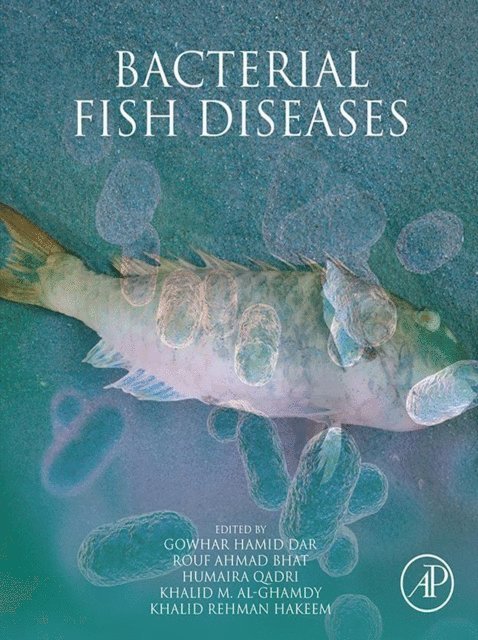
Bacterial Fish Diseases: Environmental and Economic Constraints will be useful for researchers and academics who need to understand the nature and consequences of bacteria-related disease in fishes. It has in-depth information on the complete genome of various bacterial species and identifies an essential number of virulence genes that affect the pathogenic potential of the bacteria in fish. Users will find the most relevant information derived from the available bacterial genomes concerning virulence and the diverse virulence factors that actively participate in host adherence, colonization and infection, including structural components, extracellular factors, secretion systems, iron acquisition and quorum sensing mechanisms.
This reference is beneficial for understanding economic losses due to bacterial pathogens in fish fauna and its impact on the economy. It addition, it provides information on good aquaculture practices and how to scientifically manage aquaculture and fishery sectors.
Presents bacteria-related diseases in fish species, highlighting problems associated with the culturing of fish Discusses pollution contamination in freshwater ecosystems to provide insights into the sustainable management of fish species Provides fundamental research concepts of fish health, along with practical research methods2 047 kr
Läs direkt efter köp
1 895 kr
Skickas inom 10-15 vardagar
Phytoremediation: Biotechnological Strategies for Promoting Invigorating Environs focuses on phytoremediation's history, present and future potential, discussing mechanisms of remediation, different types of pollutant and polluted environs, cell signaling, biotechnology, and molecular biology, including site-directed DNA and the omics related to plant sciences. Sections focus on phytoremediation as an economically feasible and environmentally safe strategy, including its mechanisms from macroscopic to microscopic level, strategies of assisted phytoremediation, the role of omics on innovations on the field, the development of genetically modified plants (GMPs) to deal with pollutants, the future prospects of targeted genetic engineering in phytoremediation and remediation advantages and disadvantages.
Other sections in the book explore the phytoremediation of specific environs (water and soil) and specific contaminants that are of major worldwide concern.
Presents phytoremediation mechanisms at a microscopic level (molecular mechanisms) Covers remediation in different environs and in different kinds of pollutants Conveys the economic aspects relating to phytoremediation2 759 kr
Läs direkt efter köp
1 871 kr
Skickas inom 10-15 vardagar
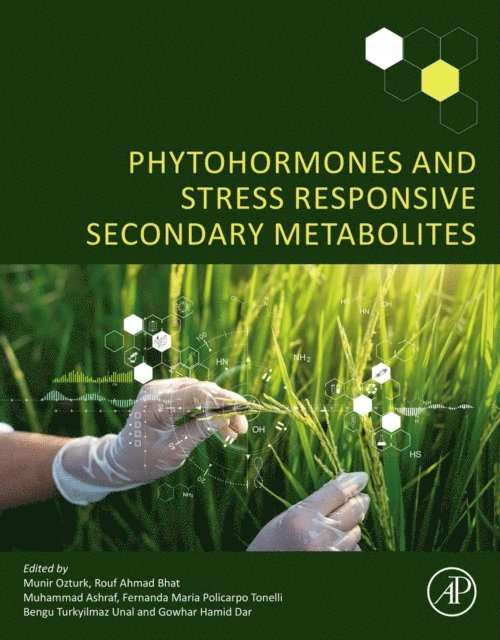
Phytohormones and Stress Responsive Secondary Metabolites provides a deep dive into the signaling pathways associated with phytohormones and phytometabolites. With a strong focus on plant stress responses and DNA technology, the book highlights plant biotechnology and metabolic engineering principles. Biotechnology, by using DNA editing technologies, allows the expression of plant genes into other plant species with desirable modulation on plant behavior. Beginning with an overview of phytohormone signaling, growth and abiotic and biotic stresses, subsequent chapters explore DNA modification strategies, epigenetic and epigenomic regulation, and miRNA regulation.
This book will be an essential resource for students, researchers and agriculturalists interested in plant physiology, plant genetics and plant biotechnology.
Provides a comprehensive review of phytohormone and phytometabolite signaling pathways Highlights recombinant DNA technology and therapeutic potential Analyzes plant stress responses under both abiotic and biotic stresses1 938 kr
Skickas inom 10-15 vardagar
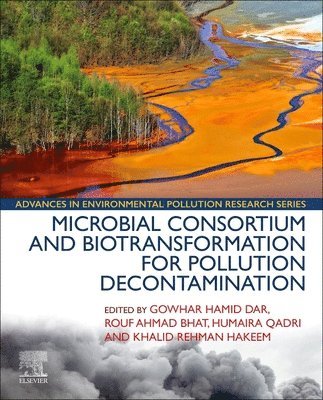
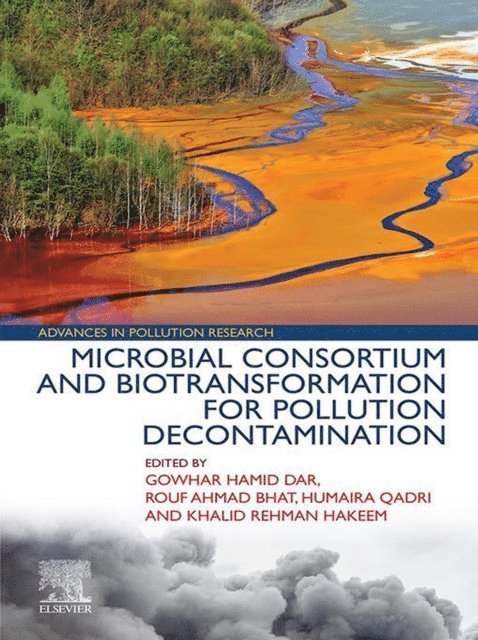
Microbial Consortium and Biotransformation for Pollution Decontamination presents techniques for the decontamination of polluted environs through potential microbes, particularly examining the benefits of its broad applicability, sustainability and eco-friendly nature. Utilizing global case studies to describe practical applications of the technology, the book offers insights into the latest research on advanced microbiological tools and techniques for the remediation of severe pollutants from the environment. Environmental researchers and environmental managers focusing on pollution and decontamination will find both key contextual information and practical details that are essential in understanding the use of microbial technology for combatting pollutants.
Recent advancements in the field of NGS (next-generation sequencing) have allowed more detailed genomic, bioinformatics and metagenomic analyses of potential environmentally important microbes that have led to significant breakthroughs into key bio-degradative pathways. With the increase in human activities around the globe, toxic pollutants from multiple sources have contaminated the earth on a large number scale.
Explores advanced microbiological tools and techniques for the remediation of severe pollutants from the environment Presents practical case studies and examples of the use of microbial technology for decontamination from across the globe Provides insights into key elements of microbiological consortia and their role in decontamination, particularly the impact of these techniques on sustainability, ecology and economy2 759 kr
Läs direkt efter köp
2 034 kr
Kommande
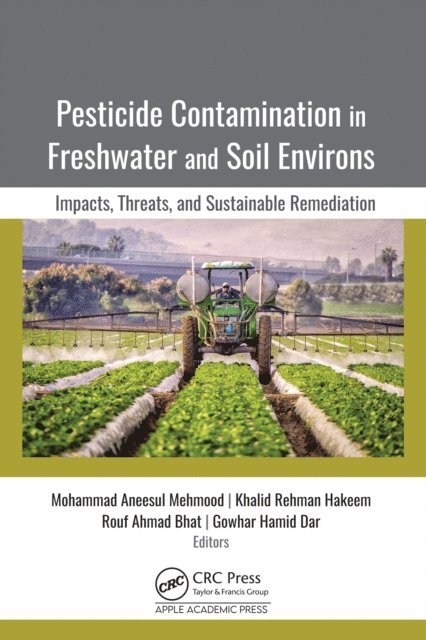
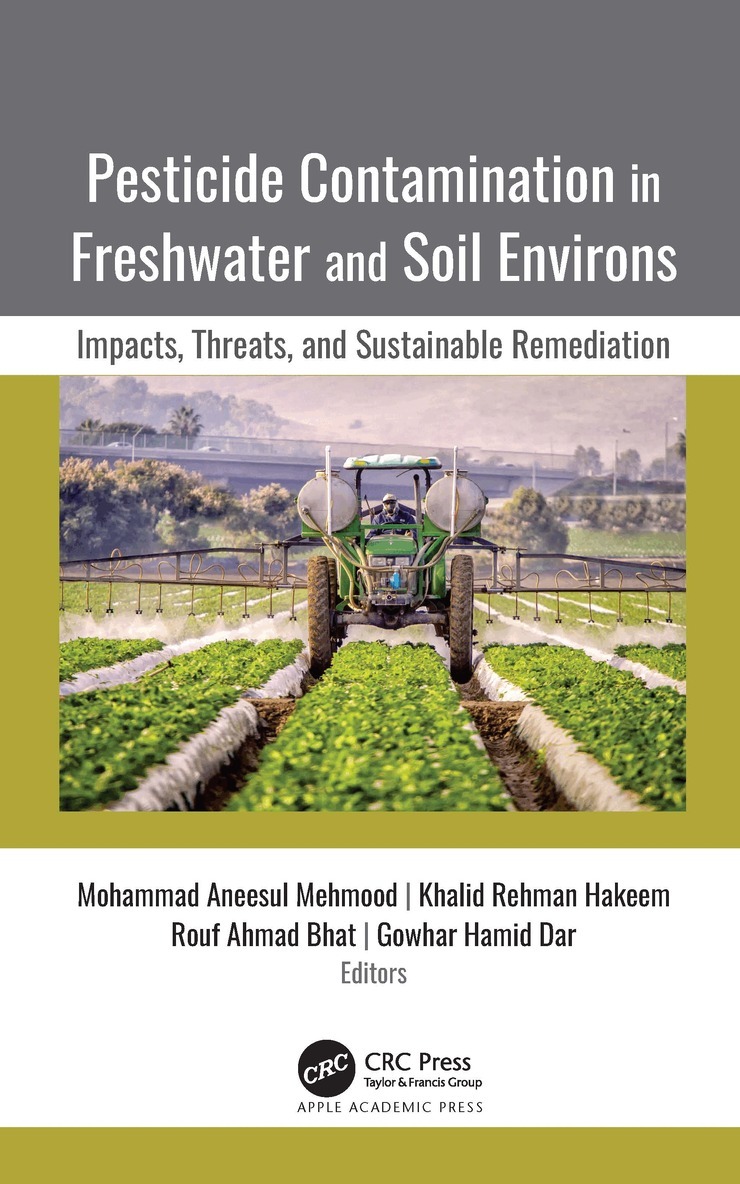
Pesticide Contamination in Freshwater and Soil Environs
Impacts, Threats, and Sustainable Remediation
2 471 kr
Läs direkt efter köp
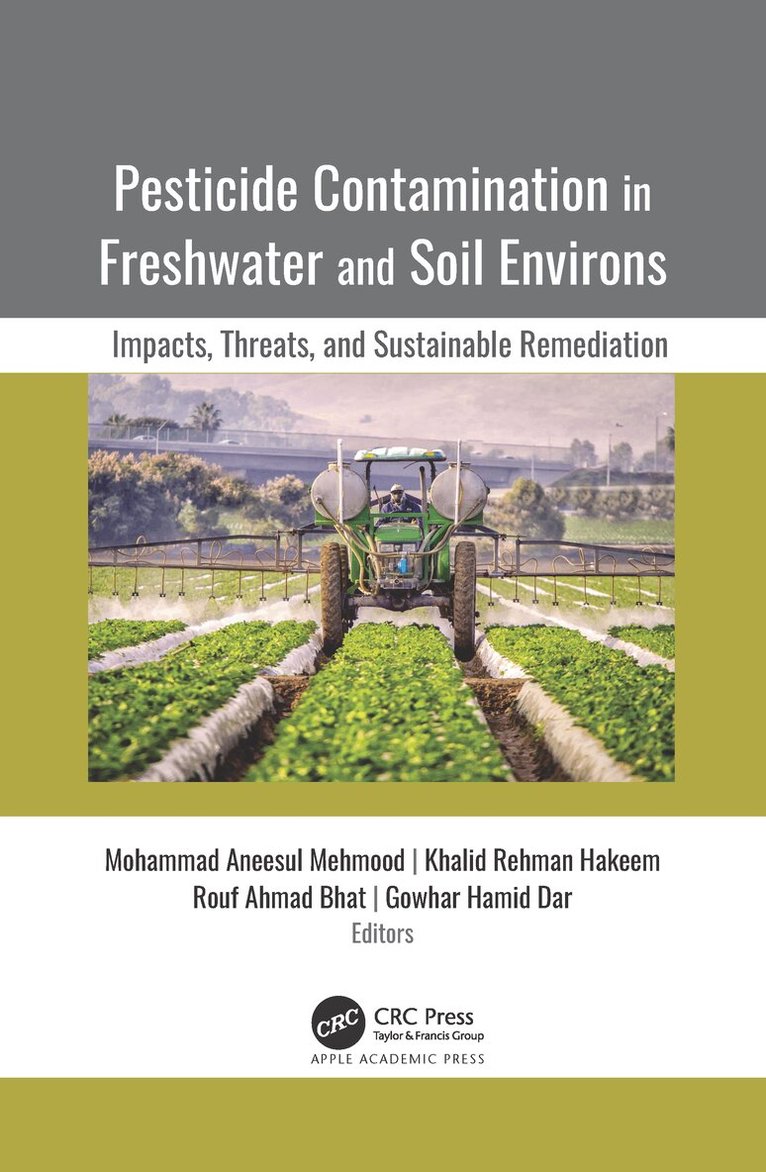
Taking into consideration that the agricultural industry is greatly dependent on pesticide chemicals to deal with the damage caused due to pests, this new volume details the challenges along with the bioremediation and remediation measures, such as the use of beneficial microorganisms, polymeric nanocomposites for nanoremediation, phytoremediation, and more.
It looks at pesticide contamination from agricultural activities in a variety of different environs and a selection of sustainable and eco-friendly remediation approaches. It provides a spectrum of concepts, ideas, and knowledge related to the detrimental actions of pesticides on the environment directly and on human beings indirectly and provides insight into sustainable and advanced pesticide remediation technology.
It fills a gap in the available literature in this field and will provide valuable for academicians, researchers, agriculturists, and students.
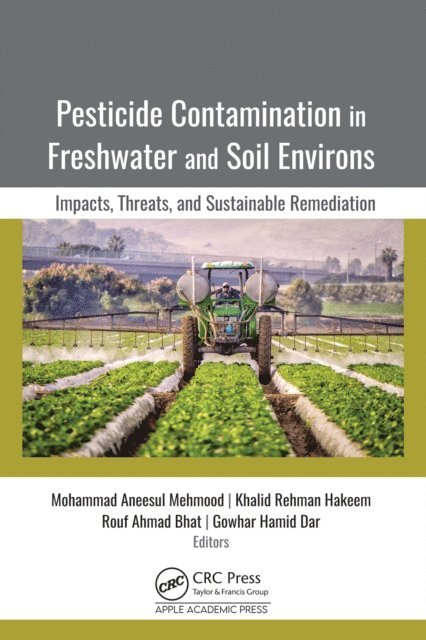
Pesticide Contamination in Freshwater and Soil Environs
Impacts, Threats, and Sustainable Remediation
2 471 kr
Läs direkt efter köp
Taking into consideration that the agricultural industry is greatly dependent on pesticide chemicals to deal with the damage caused due to pests, this new volume details the challenges along with the bioremediation and remediation measures, such as the use of beneficial microorganisms, polymeric nanocomposites for nanoremediation, phytoremediation, and more.
It looks at pesticide contamination from agricultural activities in a variety of different environs and a selection of sustainable and eco-friendly remediation approaches. It provides a spectrum of concepts, ideas, and knowledge related to the detrimental actions of pesticides on the environment directly and on human beings indirectly and provides insight into sustainable and advanced pesticide remediation technology.
It fills a gap in the available literature in this field and will provide valuable for academicians, researchers, agriculturists, and students.
2 337 kr
Läs direkt efter köp
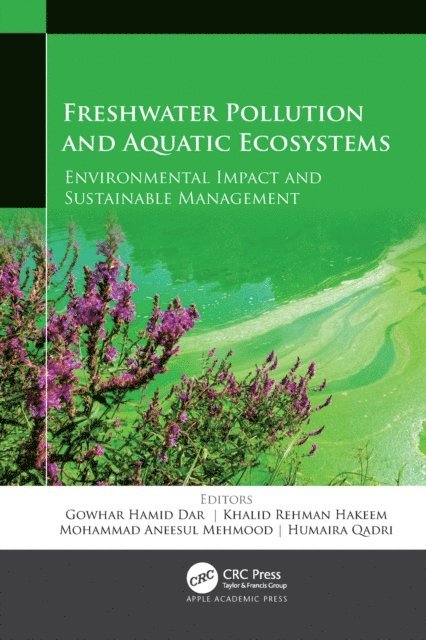
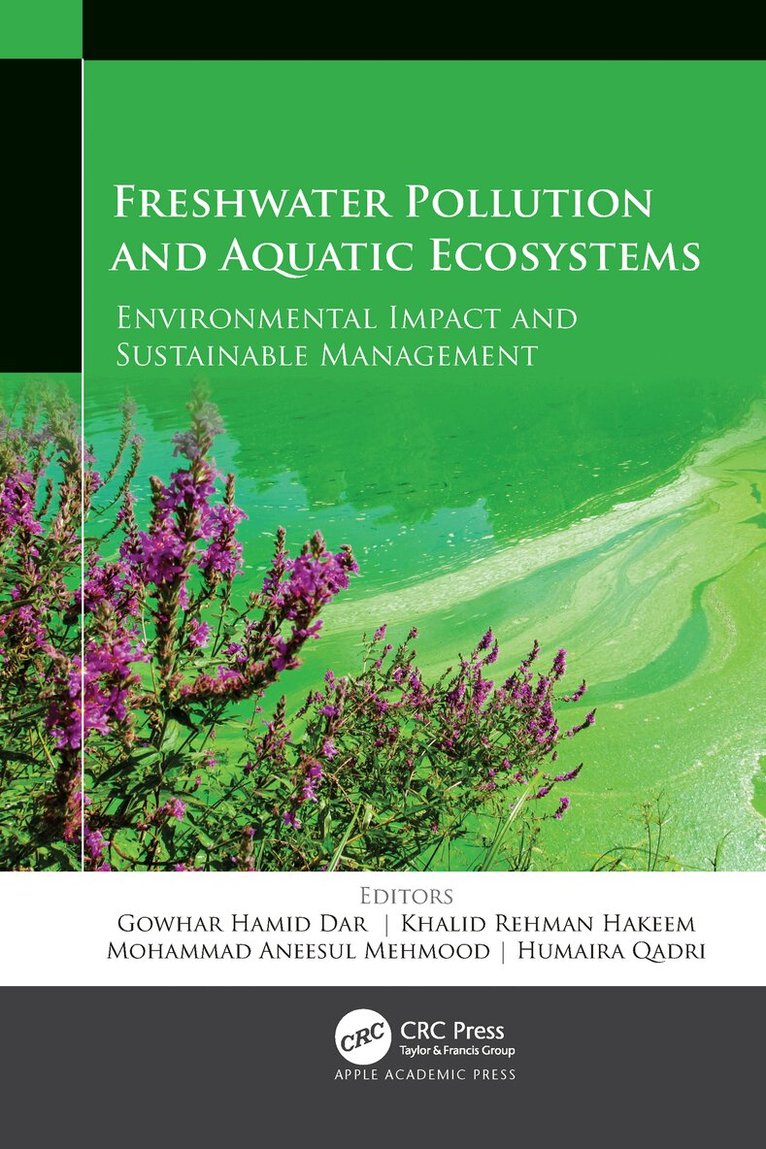
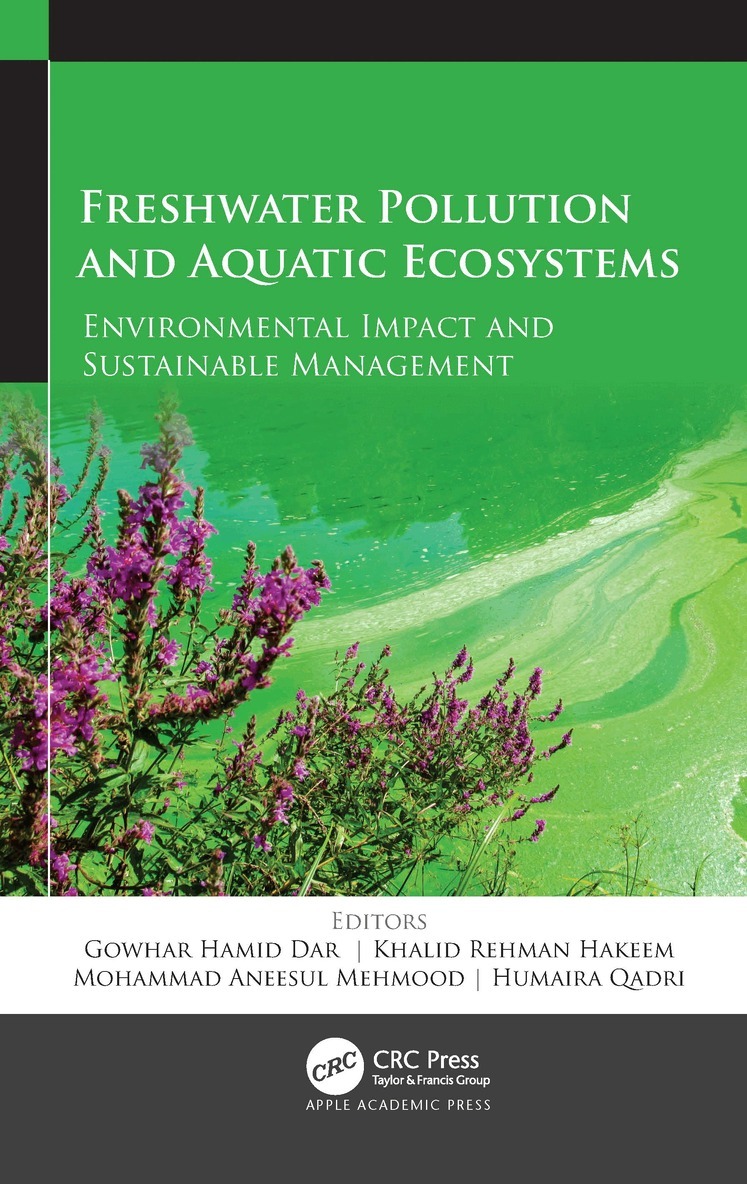
This new volume addresses the environmental impacts of pollution on freshwater aquatic ecosystems and presents sustainable management and remediation practices and advanced technology help to address the different types of pollutants.
Freshwater Pollution and Aquatic Ecosystems: Environmental Impact and Sustainable Management considers the need for sustainable, efficient, and cost-effective tools and technologies to assess, monitor, and properly manage the increasing issues of aquatic pollution. It provides detailed accounts of the phenomena and mechanisms related to aquatic pollution and highlights the problems and threats associated with pollution contamination in freshwater. It provides useful insight into the sustainable and advanced pollution remediation technology adopted by different countries for the monitoring, assessment, and sustainable management of pollution.
The chapters in the volume evaluate the sources of harmful pollutants, which include industrial effluents, sewage, and runoff from agricultural industries, which result in toxic microbes, organic waste, oils, and high load of nutrients. Unsustainable management practices of domestic sewage and indiscriminate use of chemical pesticides lead to the technological disturbance of aquatic biota. In addition to harming aquatic biota, these pollutants find their way into the human body through inhalation, ingestion, or absorption and finally tend to bio-accumulate in trophic levels of the food chain, which poses a major risk to human beings.
This book will be a valuable resource for ecologists, environmentalists, scientists, and many others for their work in understanding and management of aquatic pollutants in freshwater biospheres.
2 337 kr
Läs direkt efter köp
This new volume addresses the environmental impacts of pollution on freshwater aquatic ecosystems and presents sustainable management and remediation practices and advanced technology help to address the different types of pollutants.
Freshwater Pollution and Aquatic Ecosystems: Environmental Impact and Sustainable Management considers the need for sustainable, efficient, and cost-effective tools and technologies to assess, monitor, and properly manage the increasing issues of aquatic pollution. It provides detailed accounts of the phenomena and mechanisms related to aquatic pollution and highlights the problems and threats associated with pollution contamination in freshwater. It provides useful insight into the sustainable and advanced pollution remediation technology adopted by different countries for the monitoring, assessment, and sustainable management of pollution.
The chapters in the volume evaluate the sources of harmful pollutants, which include industrial effluents, sewage, and runoff from agricultural industries, which result in toxic microbes, organic waste, oils, and high load of nutrients. Unsustainable management practices of domestic sewage and indiscriminate use of chemical pesticides lead to the technological disturbance of aquatic biota. In addition to harming aquatic biota, these pollutants find their way into the human body through inhalation, ingestion, or absorption and finally tend to bio-accumulate in trophic levels of the food chain, which poses a major risk to human beings.
This book will be a valuable resource for ecologists, environmentalists, scientists, and many others for their work in understanding and management of aquatic pollutants in freshwater biospheres.
2 385 kr
Läs direkt efter köp
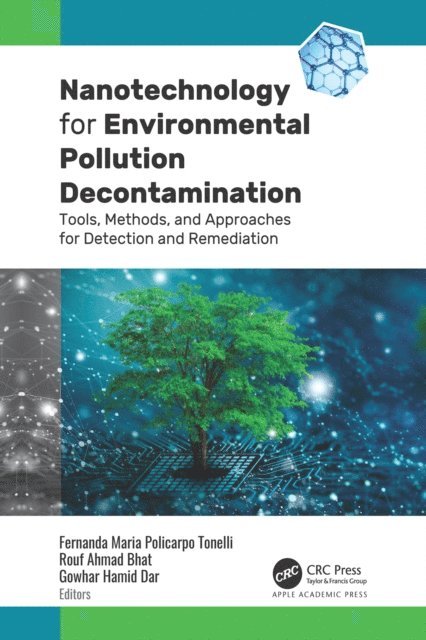
This new volume presents informative research on the different aspects of employing nanotechnology for environmental pollution decontamination, highlighting the main tools, methods, and approaches for contaminants detection and remediation.
The book takes a biotechnological point of view that considers the main environmental pollutants; the safety and economic aspects of nanoremediation, nanosensors and nanobiosensors for the detection of pollutants; and strategies to promote nanoremediation and nanobioremediation. The chapters offer a comprehensive overview of nanotechnologic strategies as essential tools to restore polluted environments and to make more feasible and harmonic the pathway to sustainable development. The volume also discusses the use of sensors to detect pollutants and to monitor the quality of environmental restoration.
Topics include nanozymes; organic and inorganic pollutants threatening human health; different types of carbon-based and non-carbon-based nanomaterials in nanosensors and nanobiosensors to detect environmental pollution; nanomaterials that specifically deal with water, soil, or air pollution; and assisted nanoremediation promoted by plants (nanophytoremediation) or microorganisms (for example, mycorrhizal fungus) that promote in situ nano-phyto-mycorrhizo-remediation. Also addressed are aspects related to a macroperspective of nanoremediation that highlight the economic aspects related to nanotechnology, the safety aspects of the use of nanomaterials, and the sustainability aspects related to the use of nanomaterials in strategies of environmental restoration.
Nanotechnology for Environmental Pollution Decontamination: Tools, Methods, and Approaches for Detection and Remediation offers extensive and comprehensive knowledge on nanotechnology applied to pollution detection and remediation, assisted or not by biological strategies.
2 471 kr
Läs direkt efter köp
This new volume presents informative research on the different aspects of employing nanotechnology for environmental pollution decontamination, highlighting the main tools, methods, and approaches for contaminants detection and remediation.
The book takes a biotechnological point of view that considers the main environmental pollutants; the safety and economic aspects of nanoremediation, nanosensors and nanobiosensors for the detection of pollutants; and strategies to promote nanoremediation and nanobioremediation. The chapters offer a comprehensive overview of nanotechnologic strategies as essential tools to restore polluted environments and to make more feasible and harmonic the pathway to sustainable development. The volume also discusses the use of sensors to detect pollutants and to monitor the quality of environmental restoration.
Topics include nanozymes; organic and inorganic pollutants threatening human health; different types of carbon-based and non-carbon-based nanomaterials in nanosensors and nanobiosensors to detect environmental pollution; nanomaterials that specifically deal with water, soil, or air pollution; and assisted nanoremediation promoted by plants (nanophytoremediation) or microorganisms (for example, mycorrhizal fungus) that promote in situ nano-phyto-mycorrhizo-remediation. Also addressed are aspects related to a macroperspective of nanoremediation that highlight the economic aspects related to nanotechnology, the safety aspects of the use of nanomaterials, and the sustainability aspects related to the use of nanomaterials in strategies of environmental restoration.
Nanotechnology for Environmental Pollution Decontamination: Tools, Methods, and Approaches for Detection and Remediation offers extensive and comprehensive knowledge on nanotechnology applied to pollution detection and remediation, assisted or not by biological strategies.
1 488 kr
Skickas inom 10-15 vardagar
2 011 kr
Kommande
942 kr
Läs direkt efter köp
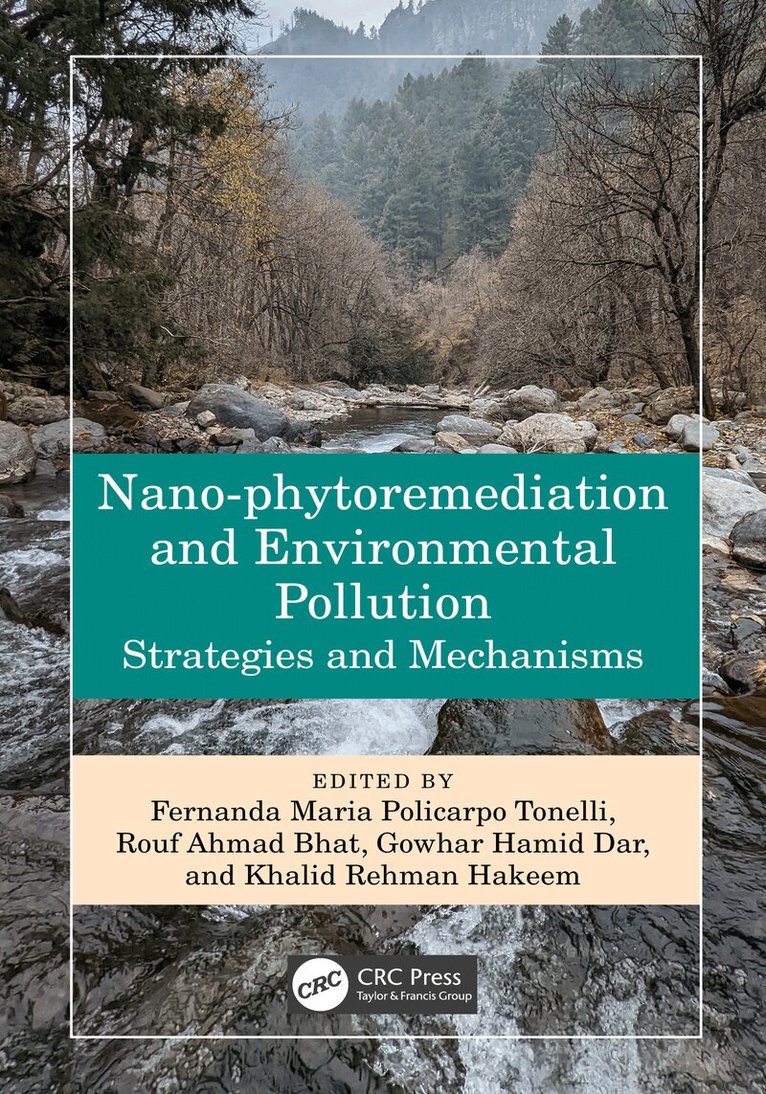
The book discusses nano-phytoremediation: the use of nanotechnology in combination with phytoremediation to restore polluted environs. The potentiality of plants in association with nanomaterials to effectively remediate polluted areas is elaborated meritoriously in this book. New strategies are necessary because anthropogenic actions represent a serious threat to life on Earth. This book has given enough space for a discussion of innovative and efficient technologies to restore damaged environs primarily focused on nano-phytoremediation. The first part of the book is dedicated to exploring organic and inorganic pollution and the threats they pose to living forms. The second part explores the joint use of plants and nanomaterials and the nano-phytoremediation of water and soil ecosystems. The book offers readers extensive knowledge on nano-phytoremediation as a feasible strategy to clean environmental pollution. The key features of the book are as follows:
Nano-phytoremediation strategies to remediate soil and water ecosystems. Special chapters dedicated to different kinds of pollutants and methods of phytoremediation. Strategies to evaluate the success of nano-phytoremediation strategies, cost-effectiveness, and nano informatics to safe nanotechnology.The book can be used as a primary or supplementary text in undergraduate, graduate, and post-graduate courses such as biotechnology, biochemistry, and environmental engineering. It is an interesting edition for instructors, researchers, and scientists working on environmental management and pollution control.
942 kr
Läs direkt efter köp
The book discusses nano-phytoremediation: the use of nanotechnology in combination with phytoremediation to restore polluted environs. The potentiality of plants in association with nanomaterials to effectively remediate polluted areas is elaborated meritoriously in this book. New strategies are necessary because anthropogenic actions represent a serious threat to life on Earth. This book has given enough space for a discussion of innovative and efficient technologies to restore damaged environs primarily focused on nano-phytoremediation. The first part of the book is dedicated to exploring organic and inorganic pollution and the threats they pose to living forms. The second part explores the joint use of plants and nanomaterials and the nano-phytoremediation of water and soil ecosystems. The book offers readers extensive knowledge on nano-phytoremediation as a feasible strategy to clean environmental pollution. The key features of the book are as follows:
Nano-phytoremediation strategies to remediate soil and water ecosystems. Special chapters dedicated to different kinds of pollutants and methods of phytoremediation. Strategies to evaluate the success of nano-phytoremediation strategies, cost-effectiveness, and nano informatics to safe nanotechnology.The book can be used as a primary or supplementary text in undergraduate, graduate, and post-graduate courses such as biotechnology, biochemistry, and environmental engineering. It is an interesting edition for instructors, researchers, and scientists working on environmental management and pollution control.
1 676 kr
Skickas inom 5-8 vardagar
1 961 kr
Läs direkt efter köp
Discover the importance of remediation efforts for aquatic ecosystems
Most contamination of water bodies stem from human activity, and the pollution in our water is one of the most important environmental concerns facing future generations. The most significant of these pollutants are halogenated organic compounds, petroleum hydrocarbons, radionuclides, metal and metalloids, pharmaceutical drugs, microbial toxins, and flame retardants. With such a vast array of potential contaminants and dangerously cumulating contamination levels in fragile marine environments, reparative action is more essential than ever.
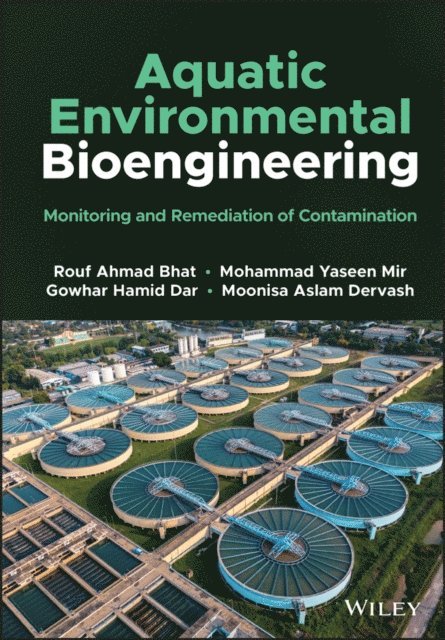
Aquatic Environmental Bioengineering: Monitoring and Remediation of Contamination provides the reader with a map towards environmentally safe and economically feasible technologies to intervene in polluted aquatic ecosystems. The authors suggest a phased approach consisting of site classification and risk assessment, followed by remediation technology selection and implementation. Effective methods for surveying bodies of water are particularly emphasized, and advancements in the development of novel transgenic plants and microbial fuel cells are put forward as effective tools against environmental contamination and industrial wastewater pollution.
Readers will also find:
A focus on the most recent and cutting-edge research on the topic: photocatalysis, the use of genetically modified organisms, and the use of nanomaterials A simple compendium of fundamental concepts in environmental engineering of aquatic ecosystems A detailed discussion of the advancement in remote sensing and geographic information (GIS), methodologies that make it possible to conduct large-scale water remediation studies at reasonable costThe ideal resource for researchers and students of environmental science, plant biotechnology, agricultural science, environmental engineering, and plant sciences, Aquatic Environmental Bioengineering will be a crucial resource for the remediation of contaminants in our aquatic ecosystems.
1 893 kr
Läs direkt efter köp
Discover the importance of remediation efforts for aquatic ecosystems
Most contamination of water bodies stem from human activity, and the pollution in our water is one of the most important environmental concerns facing future generations. The most significant of these pollutants are halogenated organic compounds, petroleum hydrocarbons, radionuclides, metal and metalloids, pharmaceutical drugs, microbial toxins, and flame retardants. With such a vast array of potential contaminants and dangerously cumulating contamination levels in fragile marine environments, reparative action is more essential than ever.
Aquatic Environmental Bioengineering: Monitoring and Remediation of Contamination provides the reader with a map towards environmentally safe and economically feasible technologies to intervene in polluted aquatic ecosystems. The authors suggest a phased approach consisting of site classification and risk assessment, followed by remediation technology selection and implementation. Effective methods for surveying bodies of water are particularly emphasized, and advancements in the development of novel transgenic plants and microbial fuel cells are put forward as effective tools against environmental contamination and industrial wastewater pollution.
Readers will also find:
A focus on the most recent and cutting-edge research on the topic: photocatalysis, the use of genetically modified organisms, and the use of nanomaterials A simple compendium of fundamental concepts in environmental engineering of aquatic ecosystems A detailed discussion of the advancement in remote sensing and geographic information (GIS), methodologies that make it possible to conduct large-scale water remediation studies at reasonable costThe ideal resource for researchers and students of environmental science, plant biotechnology, agricultural science, environmental engineering, and plant sciences, Aquatic Environmental Bioengineering will be a crucial resource for the remediation of contaminants in our aquatic ecosystems.
2 022 kr
Skickas inom 5-8 vardagar
2 357 kr
Läs direkt efter köp
Authoritative resource presenting techniques and technologies to sustainably neutralize environmental contamination in aquatic plants, microorganisms, and more
Two thirds of the Earth is covered with aquatic habitats that play a key role in stabilizing the global environment and providing a wide variety of services to increasing human needs. Nevertheless, anthropogenic activities are rapidly destroying the quality of both fresh and marine waters globally, due to excessive use of chemicals, fertilizers and pollution from suburban and industrial areas eventually making their way into the aquatic world.
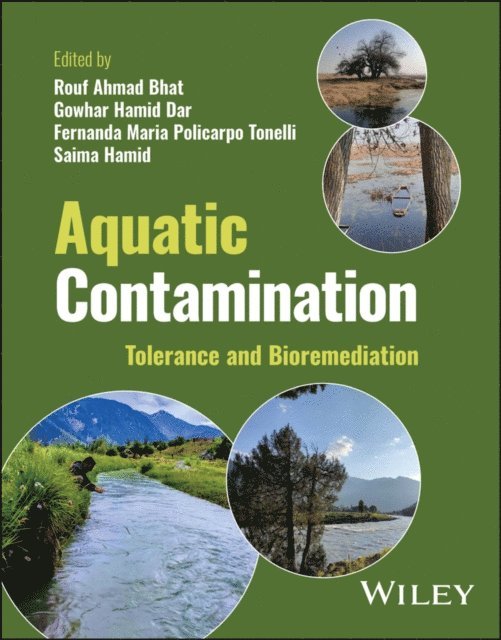
Aquatic Contamination: Tolerance and Bioremediation presents the broader spectrum of biological applicability of microbes with better understanding of cellular mechanisms for remediation of aquatic contaminants. The book also focuses on practices involved in molecular and genetic approaches, necessary to achieve targets of bioremediation and phytoremediation to solve global water contamination problems. Such approaches pave the way for the utilization of biological assets to design new, efficient, and environmentally sound remediation strategies by inculcating genomic techniques at cellular and molecular levels with model assessment.
Aquatic Contamination provides a comprehensive background for readers interested in all perspectives of the contamination of aquatic environs. It covers various research aspects which are being carried out globally to understand simulation models in the assessment of xenobiotics, role of genomics, transgenic plants, and microbial enzymes for degradation and removal of toxic substances in aquatic environs.
Key features include:
Extensive coverage of interactions between plants, metals and microbes including the influence of biotic and abiotic factors Comprehensive discussion of the details of molecular mechanisms from assimilation to detoxification levels Exploration of the enzymatic approaches of potential plants acting as hyper-accumulators for contaminants in aquatic environs Details of sustainable tools such as transgenic plants for the manipulation of important functional microbial genes to achieve higher certainty of bioremediation Details of advances in tools and models like micro-arrays and simulation models for the complete assessment of xenobiotic compounds from cellular to degradation hierarchiesAquatic Contamination: Tolerance and Bioremediation will be substantially helpful to environmentalists, microbiologists, biotechnologists and scientists, providing essential information on various modern technologies for the remediation of contaminants in aquatic ecosystems.
2 274 kr
Läs direkt efter köp
Authoritative resource presenting techniques and technologies to sustainably neutralize environmental contamination in aquatic plants, microorganisms, and more
Two thirds of the Earth is covered with aquatic habitats that play a key role in stabilizing the global environment and providing a wide variety of services to increasing human needs. Nevertheless, anthropogenic activities are rapidly destroying the quality of both fresh and marine waters globally, due to excessive use of chemicals, fertilizers and pollution from suburban and industrial areas eventually making their way into the aquatic world.
Aquatic Contamination: Tolerance and Bioremediation presents the broader spectrum of biological applicability of microbes with better understanding of cellular mechanisms for remediation of aquatic contaminants. The book also focuses on practices involved in molecular and genetic approaches, necessary to achieve targets of bioremediation and phytoremediation to solve global water contamination problems. Such approaches pave the way for the utilization of biological assets to design new, efficient, and environmentally sound remediation strategies by inculcating genomic techniques at cellular and molecular levels with model assessment.
Aquatic Contamination provides a comprehensive background for readers interested in all perspectives of the contamination of aquatic environs. It covers various research aspects which are being carried out globally to understand simulation models in the assessment of xenobiotics, role of genomics, transgenic plants, and microbial enzymes for degradation and removal of toxic substances in aquatic environs.
Key features include:
Extensive coverage of interactions between plants, metals and microbes including the influence of biotic and abiotic factors Comprehensive discussion of the details of molecular mechanisms from assimilation to detoxification levels Exploration of the enzymatic approaches of potential plants acting as hyper-accumulators for contaminants in aquatic environs Details of sustainable tools such as transgenic plants for the manipulation of important functional microbial genes to achieve higher certainty of bioremediation Details of advances in tools and models like micro-arrays and simulation models for the complete assessment of xenobiotic compounds from cellular to degradation hierarchiesAquatic Contamination: Tolerance and Bioremediation will be substantially helpful to environmentalists, microbiologists, biotechnologists and scientists, providing essential information on various modern technologies for the remediation of contaminants in aquatic ecosystems.
Pesticide Contamination in Freshwater and Soil Environs
Impacts, Threats, and Sustainable Remediation
2 071 kr
Skickas inom 10-15 vardagar
1 958 kr
Skickas inom 10-15 vardagar
Pesticide Contamination in Freshwater and Soil Environs
Impacts, Threats, and Sustainable Remediation
1 172 kr
Skickas inom 10-15 vardagar
1 172 kr
Skickas inom 10-15 vardagar
2 071 kr
Skickas inom 10-15 vardagar
2 736 kr
Skickas inom 5-8 vardagar