Fernanda Maria Policarpo Tonelli – författare
1 895 kr
Skickas inom 10-15 vardagar
Phytoremediation: Biotechnological Strategies for Promoting Invigorating Environs focuses on phytoremediation's history, present and future potential, discussing mechanisms of remediation, different types of pollutant and polluted environs, cell signaling, biotechnology, and molecular biology, including site-directed DNA and the omics related to plant sciences. Sections focus on phytoremediation as an economically feasible and environmentally safe strategy, including its mechanisms from macroscopic to microscopic level, strategies of assisted phytoremediation, the role of omics on innovations on the field, the development of genetically modified plants (GMPs) to deal with pollutants, the future prospects of targeted genetic engineering in phytoremediation and remediation advantages and disadvantages.
Other sections in the book explore the phytoremediation of specific environs (water and soil) and specific contaminants that are of major worldwide concern.
Presents phytoremediation mechanisms at a microscopic level (molecular mechanisms) Covers remediation in different environs and in different kinds of pollutants Conveys the economic aspects relating to phytoremediation2 236 kr
Skickas inom 10-15 vardagar
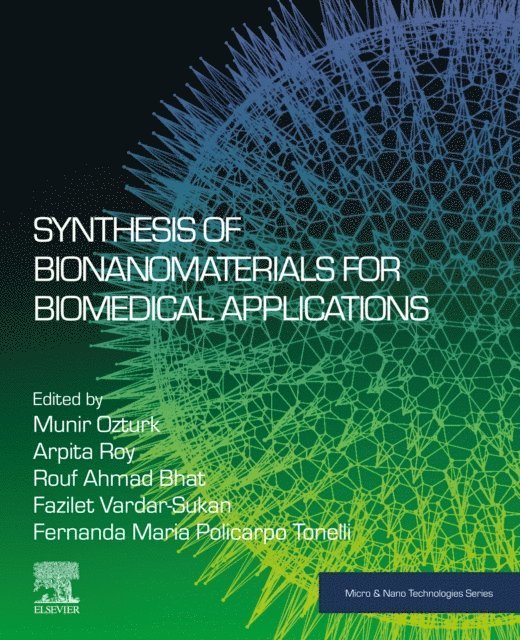
Synthesis of Bionanomaterials for Biomedical Applications summarizes a range of procedures, including green synthesis of metal nanoparticles, metal oxide nanoparticles, and other types of nanoparticles while also exploring the appropriate use of these nanoparticles in various therapeutic applications such as anticancer, antibacterial, antifungal, drug delivery, and more. The book provides important information for materials scientists and pharmaceutical scientists on the synthesis of various nanoparticles using a variety of eco-friendly bionanomaterials. As concern has arisen regarding the environmental impact caused by some of nanomaterials, as well as their possible toxicity to cells, this book presents information on a new generation of eco-friendly materials.
In addition, the green synthesis of nanoparticles shows how environmentally-friendly nanoparticles can be synthesized from different biological sources, such as microbes, fungi, algae and plants.
Provides information on the synthesis and application of eco-friendly bionanomaterials Offers coverage of nanomaterials generated through green synthesis Assesses the challenges of manufacturing eco-friendly nanomaterials on an industrial scale2 662 kr
Läs direkt efter köp
1 871 kr
Skickas inom 10-15 vardagar
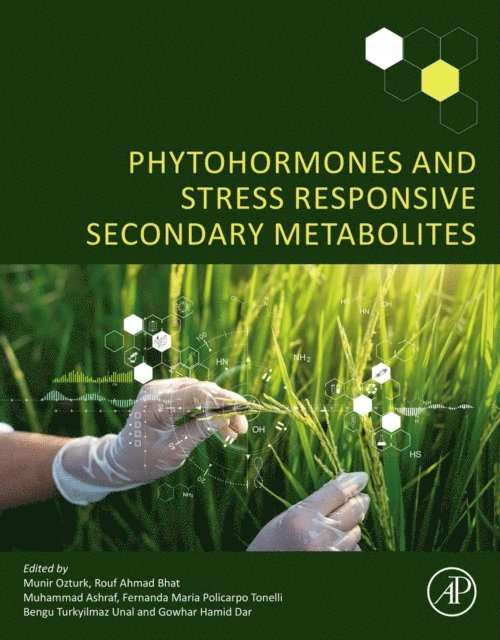
Phytohormones and Stress Responsive Secondary Metabolites provides a deep dive into the signaling pathways associated with phytohormones and phytometabolites. With a strong focus on plant stress responses and DNA technology, the book highlights plant biotechnology and metabolic engineering principles. Biotechnology, by using DNA editing technologies, allows the expression of plant genes into other plant species with desirable modulation on plant behavior. Beginning with an overview of phytohormone signaling, growth and abiotic and biotic stresses, subsequent chapters explore DNA modification strategies, epigenetic and epigenomic regulation, and miRNA regulation.
This book will be an essential resource for students, researchers and agriculturalists interested in plant physiology, plant genetics and plant biotechnology.
Provides a comprehensive review of phytohormone and phytometabolite signaling pathways Highlights recombinant DNA technology and therapeutic potential Analyzes plant stress responses under both abiotic and biotic stresses3 092 kr
Läs direkt efter köp
1 390 kr
Skickas inom 10-15 vardagar
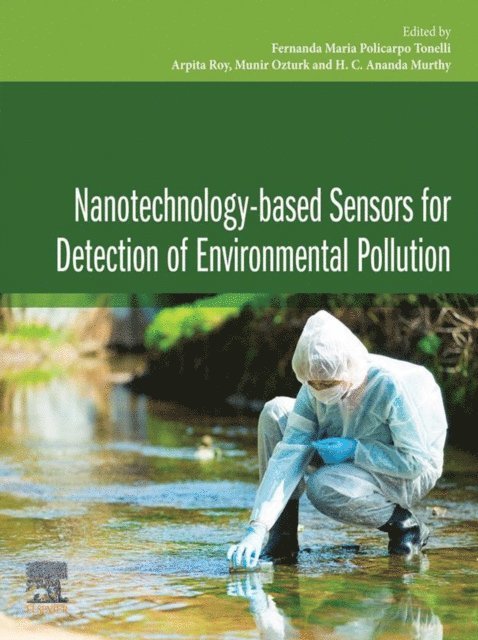
Nanotechnology-Based Sensors for Detection of Environmental Pollution discusses the use of nanotechnology to generate sensors capable of performing efficient detection of different types of environmental pollutants. Sections explore environmental pollution as a threat to life on Earth, the main contaminants (inorganic, organic or pathogens), and the risk they represent to living beings. Others are dedicated to nanotechnology, allowing pollutants' detection, a brief history of nanotechnology-based sensors, different types of nanotechnology-based sensor (optical, electrochemical, and magnetic), nanotechnology-based sensors' design and fabrication, nano biosensors, and more.Additional sections focus on important specific pollutants (pesticides, heavy metal, dyes, toxic gas, pharmaceutical waste, petroleum hydrocarbons, and pathogenic microbes) and their detection by nanotechnology-based sensors and important nanomaterials in nanotechnology-based sensors, exploring carbon-based and non-carbon-based material in nanoscale (graphene, carbon nanotubes, quantum dots, magnetic nanomaterials, non-magnetic nanoparticles) and also point-of-care sensors and functionalization to generate optimized nanotechnology-based sensors to pollutants' detection.
Provides a comprehensive, multidisciplinary review of nanotechnology-based sensorsSupplies readers extensive knowledge on detecting harmful pollutants in different environments using nanotechnology-based sensorsPresents chapters dedicated to the detection of pollutants different from toxic gas and pharmaceutical products, such as pesticides, heavy metals, dyes, pathogens, and petroleum hydrocarbonsIntroduces information on pollutants and the threats they represent to living beings, nanotechnology-based sensor's design and fabrication, a brief history of the field, and practical issues related to the field, such as economics, safety, and challenges1 975 kr
Läs direkt efter köp
1 618 kr
Skickas inom 10-15 vardagar
2 046 kr
Läs direkt efter köp
2 385 kr
Läs direkt efter köp
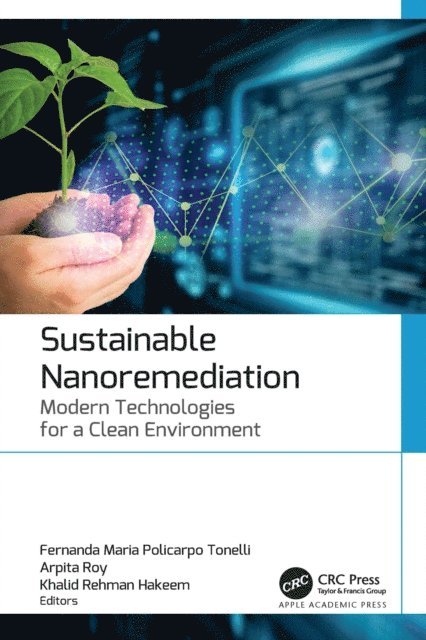
This new volume presents informative research on the different aspects of employing nanotechnology for environmental pollution decontamination, highlighting the main tools, methods, and approaches for contaminants detection and remediation.
The book takes a biotechnological point of view that considers the main environmental pollutants; the safety and economic aspects of nanoremediation, nanosensors and nanobiosensors for the detection of pollutants; and strategies to promote nanoremediation and nanobioremediation. The chapters offer a comprehensive overview of nanotechnologic strategies as essential tools to restore polluted environments and to make more feasible and harmonic the pathway to sustainable development. The volume also discusses the use of sensors to detect pollutants and to monitor the quality of environmental restoration.
Topics include nanozymes; organic and inorganic pollutants threatening human health; different types of carbon-based and non-carbon-based nanomaterials in nanosensors and nanobiosensors to detect environmental pollution; nanomaterials that specifically deal with water, soil, or air pollution; and assisted nanoremediation promoted by plants (nanophytoremediation) or microorganisms (for example, mycorrhizal fungus) that promote in situ nano-phyto-mycorrhizo-remediation. Also addressed are aspects related to a macroperspective of nanoremediation that highlight the economic aspects related to nanotechnology, the safety aspects of the use of nanomaterials, and the sustainability aspects related to the use of nanomaterials in strategies of environmental restoration.
Nanotechnology for Environmental Pollution Decontamination: Tools, Methods, and Approaches for Detection and Remediation offers extensive and comprehensive knowledge on nanotechnology applied to pollution detection and remediation, assisted or not by biological strategies.
2 406 kr
Läs direkt efter köp
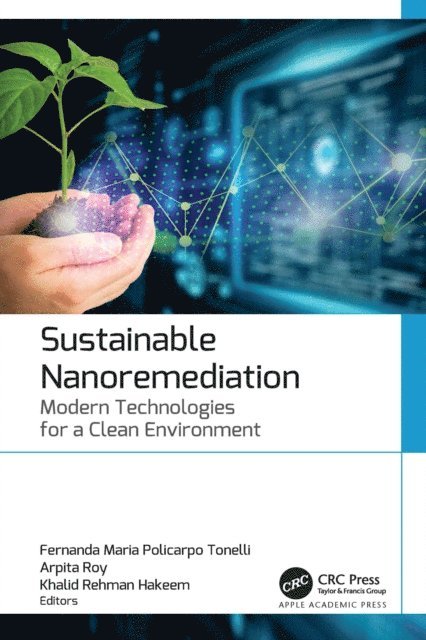
This new volume presents informative research on the different aspects of employing nanotechnology for environmental pollution decontamination, highlighting the main tools, methods, and approaches for contaminants detection and remediation.
The book takes a biotechnological point of view that considers the main environmental pollutants; the safety and economic aspects of nanoremediation, nanosensors and nanobiosensors for the detection of pollutants; and strategies to promote nanoremediation and nanobioremediation. The chapters offer a comprehensive overview of nanotechnologic strategies as essential tools to restore polluted environments and to make more feasible and harmonic the pathway to sustainable development. The volume also discusses the use of sensors to detect pollutants and to monitor the quality of environmental restoration.
Topics include nanozymes; organic and inorganic pollutants threatening human health; different types of carbon-based and non-carbon-based nanomaterials in nanosensors and nanobiosensors to detect environmental pollution; nanomaterials that specifically deal with water, soil, or air pollution; and assisted nanoremediation promoted by plants (nanophytoremediation) or microorganisms (for example, mycorrhizal fungus) that promote in situ nano-phyto-mycorrhizo-remediation. Also addressed are aspects related to a macroperspective of nanoremediation that highlight the economic aspects related to nanotechnology, the safety aspects of the use of nanomaterials, and the sustainability aspects related to the use of nanomaterials in strategies of environmental restoration.
Nanotechnology for Environmental Pollution Decontamination: Tools, Methods, and Approaches for Detection and Remediation offers extensive and comprehensive knowledge on nanotechnology applied to pollution detection and remediation, assisted or not by biological strategies.
1 480 kr
Skickas inom 10-15 vardagar
2 920 kr
Läs direkt efter köp
The use of nanomaterials for remediation efforts has been overlooked even though they present interesting characteristics as remediators. This new book provides a valuable overview of low-cost and eco-friendly green synthesized nanomaterials as advantageous technology that promotes efficient nanoremediation of environmental pollution for the restoration of polluted areas. It discusses the potential of nanomaterials, specifically green synthesized nanomaterials, as a practical and efficient solution toward sustainability. The book details the advantages of green nanomaterials when compared to conventional physicochemical methods, such as avoiding the use of harmful reagents and reducing toxic waste production. The book addresses themes such as contaminants associated with environmental pollution and the threats to humans; nanoremediation strategies that use microbes, plants, or amendments; and nanoparticles as tools for nanoremediation and their advantageous characteristics.
2 920 kr
Läs direkt efter köp
The use of nanomaterials for remediation efforts has been overlooked even though they present interesting characteristics as remediators. This new book provides a valuable overview of low-cost and eco-friendly green synthesized nanomaterials as advantageous technology that promotes efficient nanoremediation of environmental pollution for the restoration of polluted areas. It discusses the potential of nanomaterials, specifically green synthesized nanomaterials, as a practical and efficient solution toward sustainability. The book details the advantages of green nanomaterials when compared to conventional physicochemical methods, such as avoiding the use of harmful reagents and reducing toxic waste production. The book addresses themes such as contaminants associated with environmental pollution and the threats to humans; nanoremediation strategies that use microbes, plants, or amendments; and nanoparticles as tools for nanoremediation and their advantageous characteristics.
2 920 kr
Läs direkt efter köp
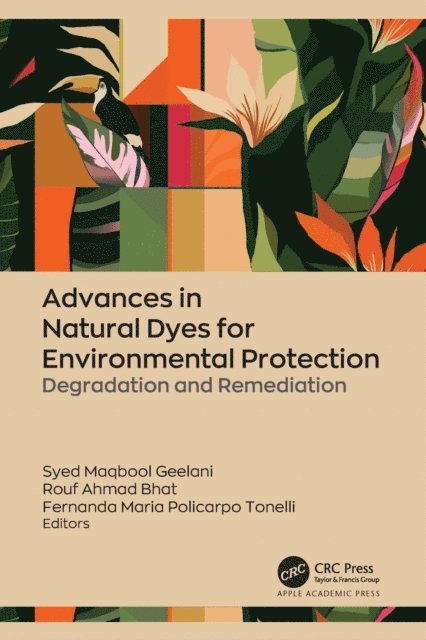
Synthetic dyes, especially those used in the textile industry, are huge contributors to the damaging effects on ecosystems worldwide due to their toxic and non-biodegradable nature. Natural dyes, on the other hand, are interesting eco-friendly alternatives to synthetic ones. This new volume discusses the environmental pollution caused by dyes, presents advances in natural dyes, considers their advantages over synthetic dyes, and offers solutions to the difficulties related to the use of natural dyes. The volume also offers effective remediation strategies for the management of both natural and harmful synthetic dyes in the environment.
Biotechnological tools and bioremediation strategies play a key role in dealing in eco-friendly manner with persistent pollutants such as dyes. This book discusses dyes derived from plant, animal, and microbial sources; conventional and non-conventional dyeing technology for textiles; and eco-friendly technology for dyeing processes. The book also goes into detail regarding the global market and challenges natural dyes face and why they are not being adopted on a large scale. The limitations of physical and chemical methods to treat polluted wastewater from dyes are also explored. Along the same line, the book proposes innovative management strategies and sustainable eco-friendly technologies to remediate dye pollution.
This book details the holistic and multidisciplinary efforts being focused on trying to surpass the difficulties related to use of natural dyes while also addressing dye-pollution mitigation strategies. The book provides a plethora of useful information for academicians as well as researchers and students and industry professionals in the textile sector as well as in other manufacturing industries.
2 920 kr
Läs direkt efter köp
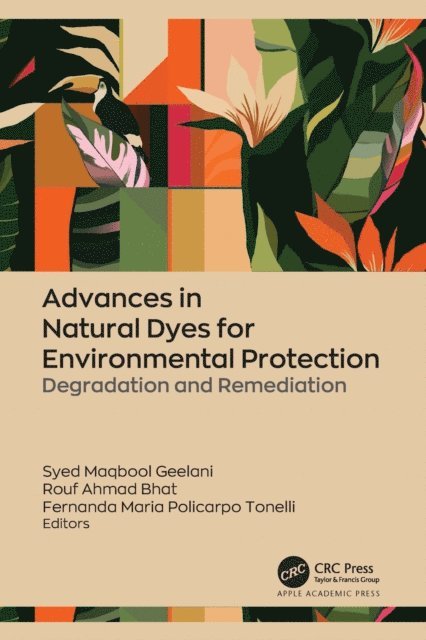
Synthetic dyes, especially those used in the textile industry, are huge contributors to the damaging effects on ecosystems worldwide due to their toxic and non-biodegradable nature. Natural dyes, on the other hand, are interesting eco-friendly alternatives to synthetic ones. This new volume discusses the environmental pollution caused by dyes, presents advances in natural dyes, considers their advantages over synthetic dyes, and offers solutions to the difficulties related to the use of natural dyes. The volume also offers effective remediation strategies for the management of both natural and harmful synthetic dyes in the environment.
Biotechnological tools and bioremediation strategies play a key role in dealing in eco-friendly manner with persistent pollutants such as dyes. This book discusses dyes derived from plant, animal, and microbial sources; conventional and non-conventional dyeing technology for textiles; and eco-friendly technology for dyeing processes. The book also goes into detail regarding the global market and challenges natural dyes face and why they are not being adopted on a large scale. The limitations of physical and chemical methods to treat polluted wastewater from dyes are also explored. Along the same line, the book proposes innovative management strategies and sustainable eco-friendly technologies to remediate dye pollution.
This book details the holistic and multidisciplinary efforts being focused on trying to surpass the difficulties related to use of natural dyes while also addressing dye-pollution mitigation strategies. The book provides a plethora of useful information for academicians as well as researchers and students and industry professionals in the textile sector as well as in other manufacturing industries.
909 kr
Läs direkt efter köp
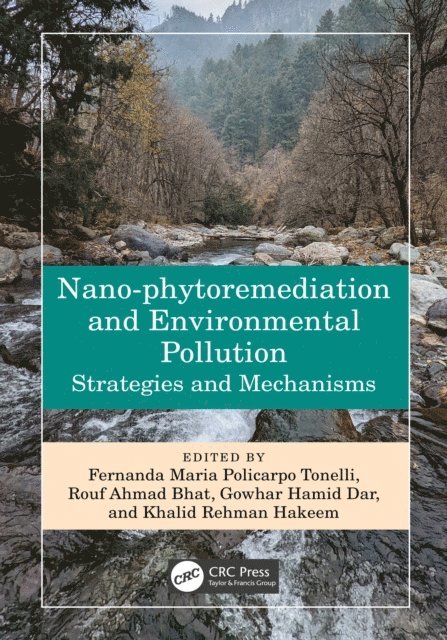
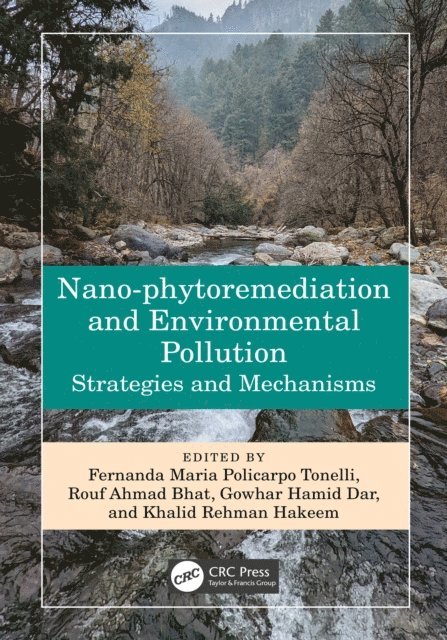
The book discusses nano-phytoremediation: the use of nanotechnology in combination with phytoremediation to restore polluted environs. The potentiality of plants in association with nanomaterials to effectively remediate polluted areas is elaborated meritoriously in this book. New strategies are necessary because anthropogenic actions represent a serious threat to life on Earth. This book has given enough space for a discussion of innovative and efficient technologies to restore damaged environs primarily focused on nano-phytoremediation. The first part of the book is dedicated to exploring organic and inorganic pollution and the threats they pose to living forms. The second part explores the joint use of plants and nanomaterials and the nano-phytoremediation of water and soil ecosystems. The book offers readers extensive knowledge on nano-phytoremediation as a feasible strategy to clean environmental pollution. The key features of the book are as follows:
Nano-phytoremediation strategies to remediate soil and water ecosystems. Special chapters dedicated to different kinds of pollutants and methods of phytoremediation. Strategies to evaluate the success of nano-phytoremediation strategies, cost-effectiveness, and nano informatics to safe nanotechnology.The book can be used as a primary or supplementary text in undergraduate, graduate, and post-graduate courses such as biotechnology, biochemistry, and environmental engineering. It is an interesting edition for instructors, researchers, and scientists working on environmental management and pollution control.
909 kr
Läs direkt efter köp
The book discusses nano-phytoremediation: the use of nanotechnology in combination with phytoremediation to restore polluted environs. The potentiality of plants in association with nanomaterials to effectively remediate polluted areas is elaborated meritoriously in this book. New strategies are necessary because anthropogenic actions represent a serious threat to life on Earth. This book has given enough space for a discussion of innovative and efficient technologies to restore damaged environs primarily focused on nano-phytoremediation. The first part of the book is dedicated to exploring organic and inorganic pollution and the threats they pose to living forms. The second part explores the joint use of plants and nanomaterials and the nano-phytoremediation of water and soil ecosystems. The book offers readers extensive knowledge on nano-phytoremediation as a feasible strategy to clean environmental pollution. The key features of the book are as follows:
Nano-phytoremediation strategies to remediate soil and water ecosystems. Special chapters dedicated to different kinds of pollutants and methods of phytoremediation. Strategies to evaluate the success of nano-phytoremediation strategies, cost-effectiveness, and nano informatics to safe nanotechnology.The book can be used as a primary or supplementary text in undergraduate, graduate, and post-graduate courses such as biotechnology, biochemistry, and environmental engineering. It is an interesting edition for instructors, researchers, and scientists working on environmental management and pollution control.
2 920 kr
Läs direkt efter köp
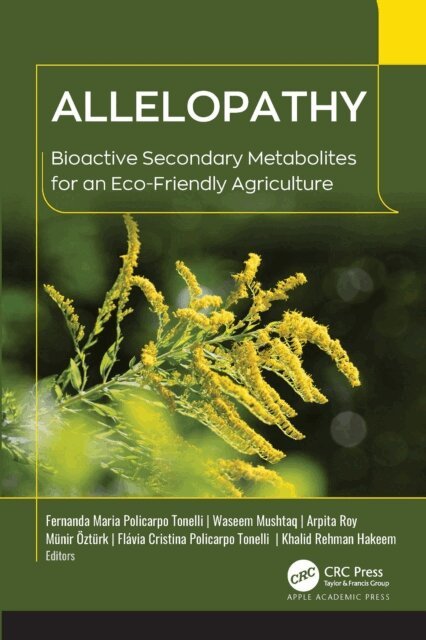
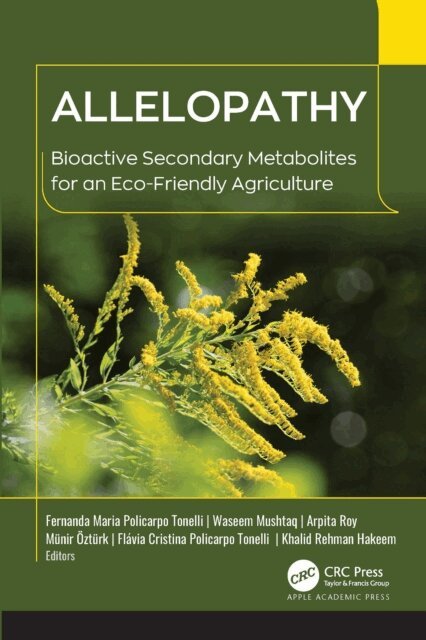
Allelopathy is a field that can play a major role in containing environmental pollution through providing viable alternatives to synthetic pesticides and contributing to sustainable agriculture. Allelochemicals have the ability to contribute to inhibiting pest damage to crops, to promote weed control, and to help in creating a desirable plant-microbes interaction in soil that improves soil nutrition systems. This new volume provides a brief history of allelopathy and goes on to explore its importance in environmental health and sustainable agriculture, discussing allelopathy from a biotechnological point of view.
A combination of review and research chapters written by experts from around the globe, this volume reviews synthetic pesticides and the environmental pollution associated with them and also looks at allelochemicals as useful bioactive secondary metabolites. It discusses allelopathy induction in crops by natural selection, the main pathways involved in allelochemical production, and plant breeding in allelopathy. The volume also considers the theme of allelopathy and agricultural sustainability, covering plant-based anthelmintic as a new trend to combat helminth infections, the role of microorganisms, the application of allelochemicals against phytopathogens, the role of nanoparticles on fenugreek growth, biotic and salinity stress alleviation in fenugreek, and more. It also reviews genetic engineering approaches to allelopathy. Several chapters discuss the allelopathic potential of specific crops, such as Leucaena leucocephala, Smilax brasiliensis Sprengel (Smilacaceae), and Solanum lycocarpum A. St. -Hil. (Solanaceae).
Offering a valuable overview of allelochemicals as important eco-friendly tools for sustainable agriculture, this volume provides useful information for research scientists, agricultural and botany professionals, as well as faculty and students in the fields of allelopathy, environmental sciences, agriculture, and biotechnology.
2 920 kr
Läs direkt efter köp
Allelopathy is a field that can play a major role in containing environmental pollution through providing viable alternatives to synthetic pesticides and contributing to sustainable agriculture. Allelochemicals have the ability to contribute to inhibiting pest damage to crops, to promote weed control, and to help in creating a desirable plant-microbes interaction in soil that improves soil nutrition systems. This new volume provides a brief history of allelopathy and goes on to explore its importance in environmental health and sustainable agriculture, discussing allelopathy from a biotechnological point of view.
A combination of review and research chapters written by experts from around the globe, this volume reviews synthetic pesticides and the environmental pollution associated with them and also looks at allelochemicals as useful bioactive secondary metabolites. It discusses allelopathy induction in crops by natural selection, the main pathways involved in allelochemical production, and plant breeding in allelopathy. The volume also considers the theme of allelopathy and agricultural sustainability, covering plant-based anthelmintic as a new trend to combat helminth infections, the role of microorganisms, the application of allelochemicals against phytopathogens, the role of nanoparticles on fenugreek growth, biotic and salinity stress alleviation in fenugreek, and more. It also reviews genetic engineering approaches to allelopathy. Several chapters discuss the allelopathic potential of specific crops, such as Leucaena leucocephala, Smilax brasiliensis Sprengel (Smilacaceae), and Solanum lycocarpum A. St. -Hil. (Solanaceae).
Offering a valuable overview of allelochemicals as important eco-friendly tools for sustainable agriculture, this volume provides useful information for research scientists, agricultural and botany professionals, as well as faculty and students in the fields of allelopathy, environmental sciences, agriculture, and biotechnology.
917 kr
Läs direkt efter köp
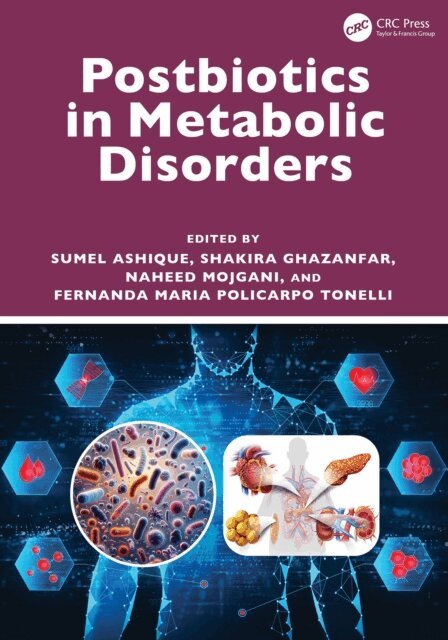
This book discusses the role of postbiotics in human health. The initial chapter highlights the potential of postbiotics beyond traditional prebiotics and probiotics. Subsequent chapters present the beneficial effects on various health conditions, including cardiovascular disorders, cancer, diabetes, gestational diabetes, obesity, and mitochondrial disorders.
The book covers the role of postbiotics in immune system modulation and inflammation-mediated metabolic disorders. It also explores the interaction of postbiotics with gut microbiota, detailing molecular mechanisms and signaling pathways. In addition, it offers current and future perspectives on postbiotics in human health, addressing their role in managing insulin resistance, glucose metabolism, metabolic endotoxemia, and inflammation in type 2 diabetes. The text provides an in-depth analysis of the impact of postbiotics on non-alcoholic fatty liver disease (NAFLD), lipid profiles, and hypertension. In addition, the chapters:
1) Explore the promising concept of postbiotics and their potential beyond prebiotics and probiotics.
2) Examine the beneficial effects of postbiotics on cardiovascular health, cancer, diabetes, and other conditions.
3) Discuss the role of postbiotics in immune system modulation and inflammation-mediated metabolic disorders.
4) Cover the interaction of postbiotics with gut microbiota, highlighting molecular mechanisms and signaling pathways.
5) Analyze the current and future perspectives on postbiotics, including their impact on various metabolic disorders.
This book is a useful resource for researchers and students of pharmacology and biotechnology.
909 kr
Läs direkt efter köp
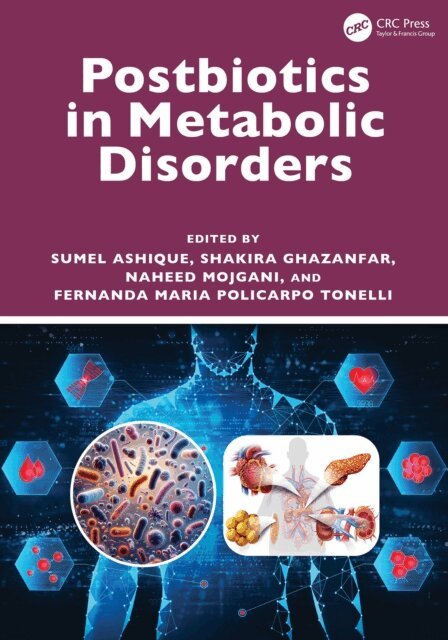
This book discusses the role of postbiotics in human health. The initial chapter highlights the potential of postbiotics beyond traditional prebiotics and probiotics. Subsequent chapters present the beneficial effects on various health conditions, including cardiovascular disorders, cancer, diabetes, gestational diabetes, obesity, and mitochondrial disorders.
The book covers the role of postbiotics in immune system modulation and inflammation-mediated metabolic disorders. It also explores the interaction of postbiotics with gut microbiota, detailing molecular mechanisms and signaling pathways. In addition, it offers current and future perspectives on postbiotics in human health, addressing their role in managing insulin resistance, glucose metabolism, metabolic endotoxemia, and inflammation in type 2 diabetes. The text provides an in-depth analysis of the impact of postbiotics on non-alcoholic fatty liver disease (NAFLD), lipid profiles, and hypertension. In addition, the chapters:
1) Explore the promising concept of postbiotics and their potential beyond prebiotics and probiotics.
2) Examine the beneficial effects of postbiotics on cardiovascular health, cancer, diabetes, and other conditions.
3) Discuss the role of postbiotics in immune system modulation and inflammation-mediated metabolic disorders.
4) Cover the interaction of postbiotics with gut microbiota, highlighting molecular mechanisms and signaling pathways.
5) Analyze the current and future perspectives on postbiotics, including their impact on various metabolic disorders.
This book is a useful resource for researchers and students of pharmacology and biotechnology.
2 758 kr
Läs direkt efter köp
2 782 kr
Läs direkt efter köp
2 920 kr
Läs direkt efter köp
2 920 kr
Läs direkt efter köp
1 690 kr
Skickas inom 10-15 vardagar
1 952 kr
Skickas inom 5-8 vardagar
2 274 kr
Läs direkt efter köp
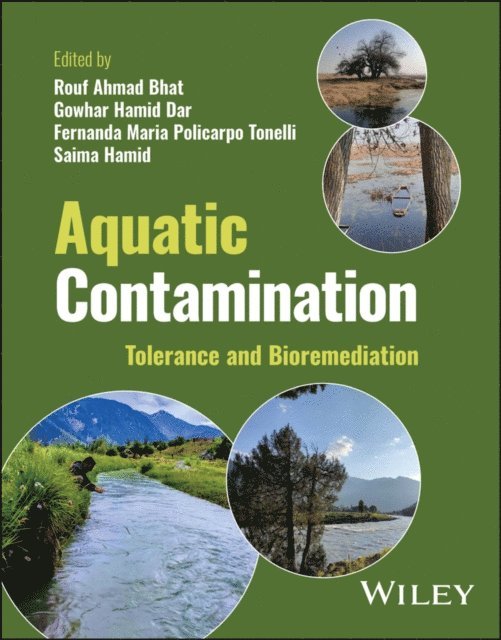
Authoritative resource presenting techniques and technologies to sustainably neutralize environmental contamination in aquatic plants, microorganisms, and more
Two thirds of the Earth is covered with aquatic habitats that play a key role in stabilizing the global environment and providing a wide variety of services to increasing human needs. Nevertheless, anthropogenic activities are rapidly destroying the quality of both fresh and marine waters globally, due to excessive use of chemicals, fertilizers and pollution from suburban and industrial areas eventually making their way into the aquatic world.
Aquatic Contamination: Tolerance and Bioremediation presents the broader spectrum of biological applicability of microbes with better understanding of cellular mechanisms for remediation of aquatic contaminants. The book also focuses on practices involved in molecular and genetic approaches, necessary to achieve targets of bioremediation and phytoremediation to solve global water contamination problems. Such approaches pave the way for the utilization of biological assets to design new, efficient, and environmentally sound remediation strategies by inculcating genomic techniques at cellular and molecular levels with model assessment.
Aquatic Contamination provides a comprehensive background for readers interested in all perspectives of the contamination of aquatic environs. It covers various research aspects which are being carried out globally to understand simulation models in the assessment of xenobiotics, role of genomics, transgenic plants, and microbial enzymes for degradation and removal of toxic substances in aquatic environs.
Key features include:
Extensive coverage of interactions between plants, metals and microbes including the influence of biotic and abiotic factors Comprehensive discussion of the details of molecular mechanisms from assimilation to detoxification levels Exploration of the enzymatic approaches of potential plants acting as hyper-accumulators for contaminants in aquatic environs Details of sustainable tools such as transgenic plants for the manipulation of important functional microbial genes to achieve higher certainty of bioremediation Details of advances in tools and models like micro-arrays and simulation models for the complete assessment of xenobiotic compounds from cellular to degradation hierarchiesAquatic Contamination: Tolerance and Bioremediation will be substantially helpful to environmentalists, microbiologists, biotechnologists and scientists, providing essential information on various modern technologies for the remediation of contaminants in aquatic ecosystems.
2 274 kr
Läs direkt efter köp
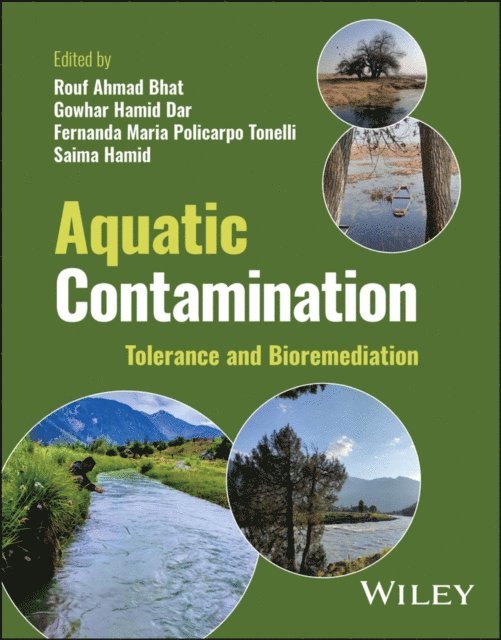
Authoritative resource presenting techniques and technologies to sustainably neutralize environmental contamination in aquatic plants, microorganisms, and more
Two thirds of the Earth is covered with aquatic habitats that play a key role in stabilizing the global environment and providing a wide variety of services to increasing human needs. Nevertheless, anthropogenic activities are rapidly destroying the quality of both fresh and marine waters globally, due to excessive use of chemicals, fertilizers and pollution from suburban and industrial areas eventually making their way into the aquatic world.
Aquatic Contamination: Tolerance and Bioremediation presents the broader spectrum of biological applicability of microbes with better understanding of cellular mechanisms for remediation of aquatic contaminants. The book also focuses on practices involved in molecular and genetic approaches, necessary to achieve targets of bioremediation and phytoremediation to solve global water contamination problems. Such approaches pave the way for the utilization of biological assets to design new, efficient, and environmentally sound remediation strategies by inculcating genomic techniques at cellular and molecular levels with model assessment.
Aquatic Contamination provides a comprehensive background for readers interested in all perspectives of the contamination of aquatic environs. It covers various research aspects which are being carried out globally to understand simulation models in the assessment of xenobiotics, role of genomics, transgenic plants, and microbial enzymes for degradation and removal of toxic substances in aquatic environs.
Key features include:
Extensive coverage of interactions between plants, metals and microbes including the influence of biotic and abiotic factors Comprehensive discussion of the details of molecular mechanisms from assimilation to detoxification levels Exploration of the enzymatic approaches of potential plants acting as hyper-accumulators for contaminants in aquatic environs Details of sustainable tools such as transgenic plants for the manipulation of important functional microbial genes to achieve higher certainty of bioremediation Details of advances in tools and models like micro-arrays and simulation models for the complete assessment of xenobiotic compounds from cellular to degradation hierarchiesAquatic Contamination: Tolerance and Bioremediation will be substantially helpful to environmentalists, microbiologists, biotechnologists and scientists, providing essential information on various modern technologies for the remediation of contaminants in aquatic ecosystems.