Taylor C. Sherman – författare
Visar alla böcker från författaren Taylor C. Sherman. Handla med fri frakt och snabb leverans.
10 produkter
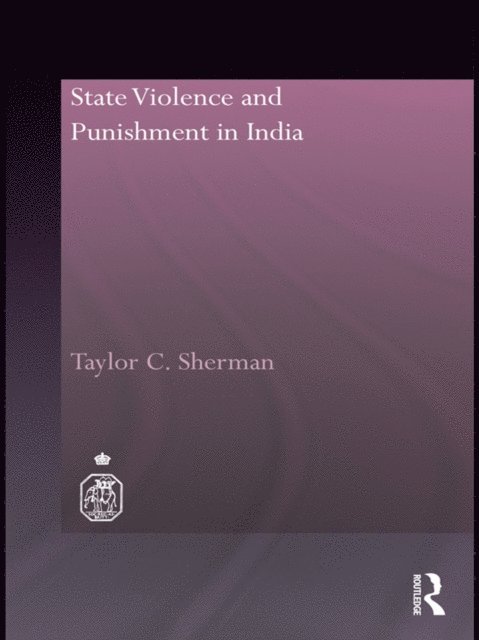
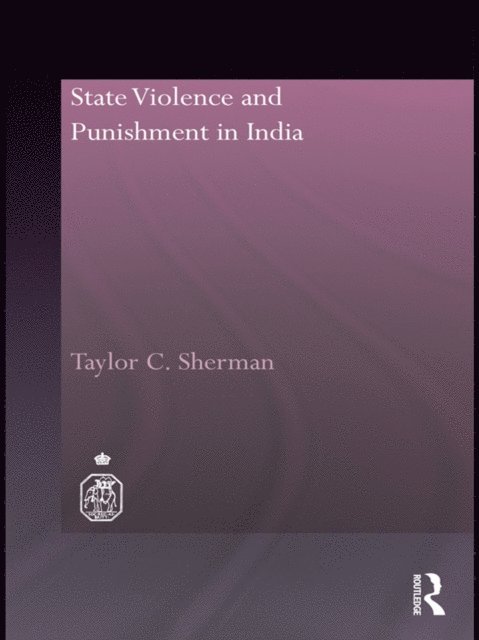
State Violence and Punishment in India
Inbunden, 2009
2826 kr
Lägg i varukorg
Exploring violent confrontation between the state and the population in colonial and postcolonial India, this book is both a study of the many techniques of colonial coercion and state violence and a cultural history of the different ways in which Indians imbued practices of punishment with their …
State Violence and Punishment in India
Häftad, 2012
772 kr
Lägg i varukorg
Exploring violent confrontation between the state and the population in colonial and postcolonial India, this book is both a study of the many techniques of colonial coercion and state violence and a cultural history of the different ways in which Indians imbued practices of punishment with their …
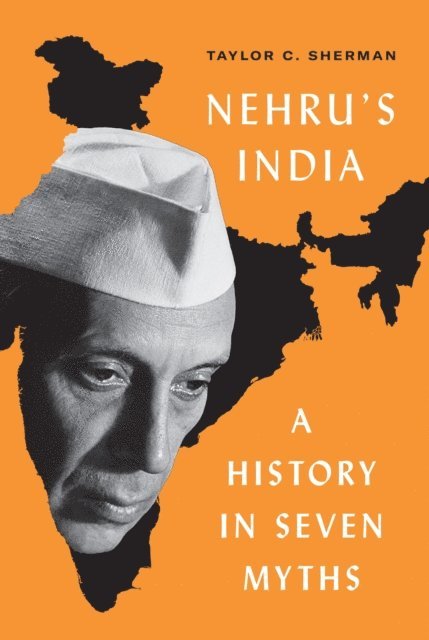
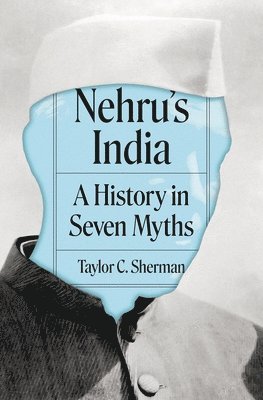
Nehru's India
A History in Seven Myths
Inbunden, 2022
405 kr
Lägg i varukorg
An iconoclastic history of the first two decades after independence in IndiaNehru’s India brings a provocative but nuanced set of new interpretations to the history of early independent India. Drawing from her extensive research over the past two decades, Taylor Sherman reevaluates the role of …
Nehru's India
A History in Seven Myths
E-bok, 2022
279 kr
Lägg i varukorg
An iconoclastic history of the first two decades after independence in India Nehru’s India brings a provocative but nuanced set of new interpretations to the history of early independent India. Drawing from her extensive research over the past two decades, Taylor Sherman reevaluates the role of …
Nehru's India
A History in Seven Myths
Häftad, 2025
210 kr
Lägg i varukorg
An iconoclastic history of the first two decades after independence in IndiaNehru’s India brings a provocative but nuanced set of new interpretations to the history of early independent India. Drawing from her extensive research over the past two decades, Taylor Sherman reevaluates the role of …
From Subjects to Citizens
Society and the Everyday State in India and Pakistan, 1947-1970
Av Taylor C. Sherman, William Gould m. fl.
Inbunden, 2014
1329 kr
Lägg i varukorg
This book explores the shift from colonial rule to independence in India and Pakistan, with the aim of unravelling the explicit meaning and relevance of 'independence' for the new citizens of India and Pakistan during the two decades post 1947. While the study of postcolonial South Asia has …
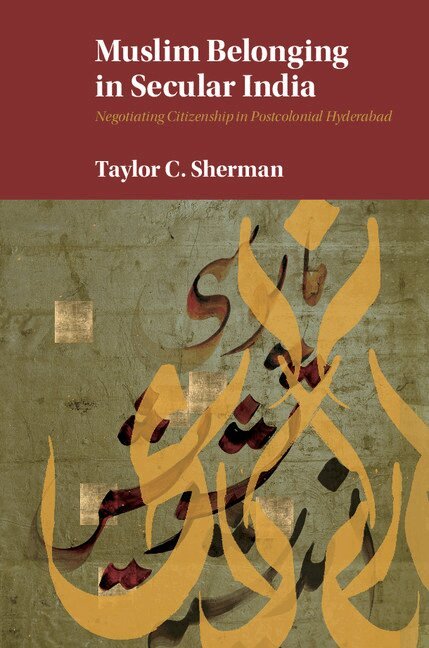
Muslim Belonging in Secular India
Negotiating Citizenship in Postcolonial Hyderabad
Inbunden, 2015
1082 kr
Lägg i varukorg
Muslim Belonging in Secular India surveys the experience of some of India's most prominent Muslim communities in the early postcolonial period. Muslims who remained in India after the Partition of 1947 faced distrust and discrimination, and were consequently compelled to seek new ways of defining …
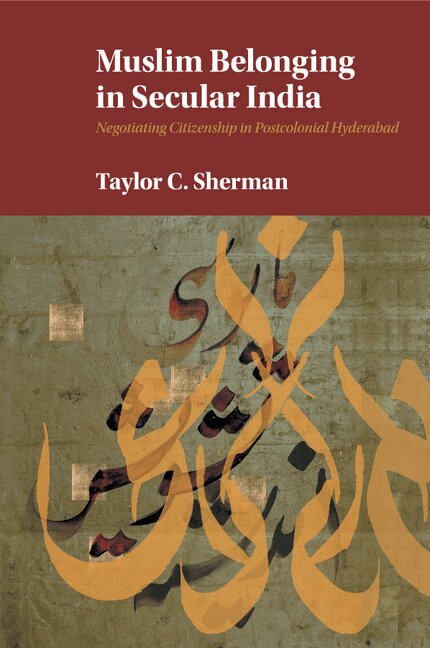
Muslim Belonging in Secular India
Negotiating Citizenship in Postcolonial Hyderabad
Häftad, 2018
574 kr
Lägg i varukorg
Muslim Belonging in Secular India surveys the experience of some of India's most prominent Muslim communities in the early postcolonial period. Muslims who remained in India after the Partition of 1947 faced distrust and discrimination, and were consequently compelled to seek new ways of defining …
State Violence and Punishment in India
E-bok, 2010
910 kr
Lägg i varukorg
Exploring violent confrontation between the state and the population in colonial and postcolonial India, this book is both a study of the many techniques of colonial coercion and state violence and a cultural history of the different ways in which Indians imbued practices of punishment with their …
State Violence and Punishment in India
E-bok, 2010
910 kr
Lägg i varukorg
Exploring violent confrontation between the state and the population in colonial and postcolonial India, this book is both a study of the many techniques of colonial coercion and state violence and a cultural history of the different ways in which Indians imbued practices of punishment with their …