Thomas Graedel - Böcker
Visar alla böcker från författaren Thomas Graedel. Handla med fri frakt och snabb leverans.
3 produkter
3 produkter
1 064 kr
Skickas inom 10-15 vardagar
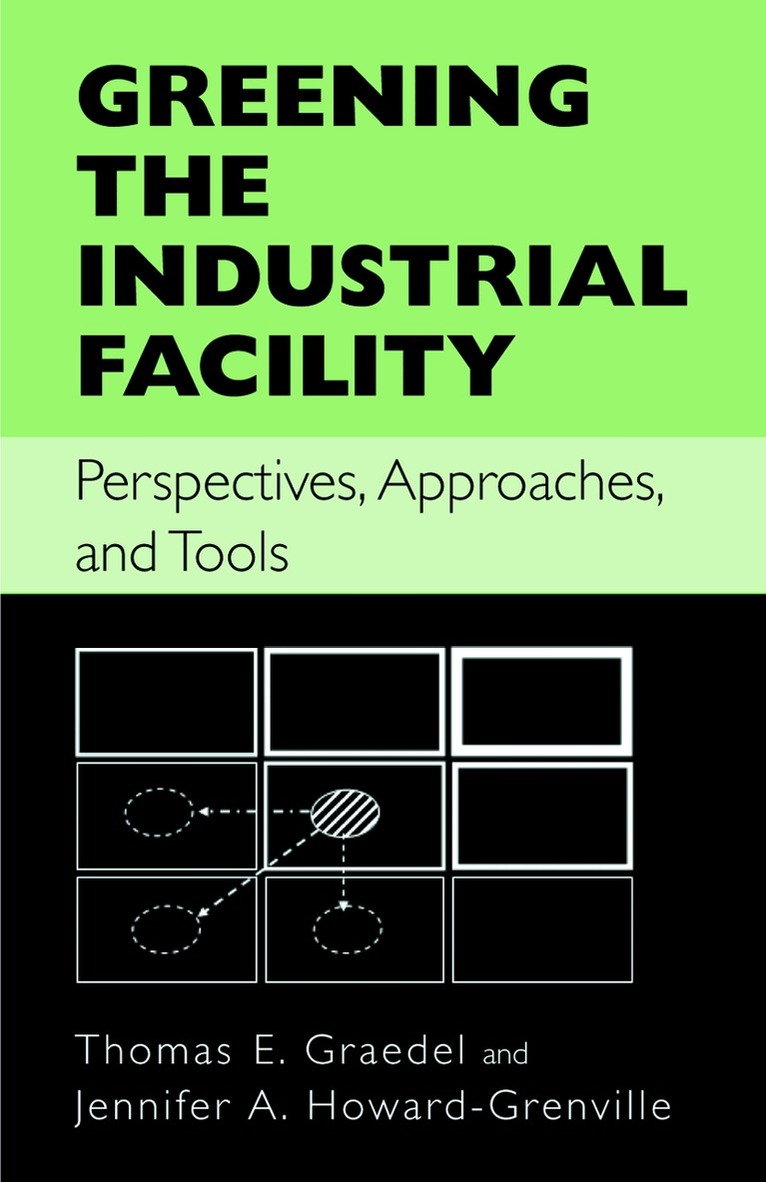
This book fills a critical gap as a textbook and reference book on the comprehensive environmental impacts of industrial organizations. It is intended for both upper-level undergraduate and beginning graduate students in environmental studies or engineering, and, more broadly, for practicing managers and engineers seeking to improve industrial processes. Nineteen chapters, each focusing on an industrial sector, from resource extraction through fabrication and manufacturing to recycling, evaluate the sector’s inherent "potential to pollute" by providing an overview of typical sector operations and their environmental implications. Beyond outlining and providing frameworks for assessing industrial facilities’ contemporary interactions with the environment (energy and water use, material throughput and hazard, and pollution potential), the book provides forward-looking analyses concerning how new technologies and practices can transform environmentally degrading effects of industry. It also addresses how managers can navigate these changes and move their industrial organizations towards environmental sustainability over the long term. The pedagogical approach emphasizes facility visits and subsequent reports that make use of the book’s analytical tools.Topics in the book include the following: -Key topics in greening the industrial facility -Regulatory compliance -Pollution prevention -Life-cycle assessment of products, processes, and facilities -Sustainability assessments -Industrial sector analysis (19 sector-specific chapters from Agriculture to Textiles) -The future of industry and environmental issues
1 478 kr
Skickas inom 5-8 vardagar
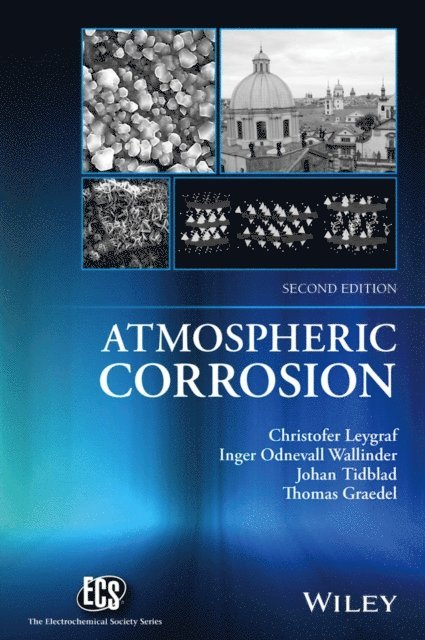
ATMOSPHERIC CORROSION Presents a comprehensive look at atmospheric corrosion, combining expertise in corrosion science and atmospheric chemistry Atmospheric corrosion has been a subject of engineering study, largely empirical, for nearly a century. Scientists came to the field rather later on and had considerable difficulty bringing their arsenal of tools to bear on the problem. Atmospheric corrosion was traditionally studied by specialists in corrosion having little knowledge of atmospheric chemistry, history, or prospects. Atmospheric Corrosion provides a combined approach bringing together experimental corrosion and atmospheric chemistry. The second edition expands on this approach by including environmental aspects of corrosion, atmospheric corrosion modeling, and international corrosion exposure programs. The combination of specialties provides a more comprehensive coverage of the topic. These scientific insights into the corrosion process and its amelioration are the focus of this book. Key topics include the following: Basic principles of atmospheric corrosion chemistryCorrosion mechanisms in controlled and uncontrolled environments Degradation of materials in architectural, transport, and structural applications; electronic devices; and cultural artifacts Protection of existing materials and choosing new ones that resist corrosionPrediction of how and where atmospheric corrosion may evolve in the future Complete with appendices discussing experimental techniques, computer models, and the degradation of specific metals, Atmospheric Corrosion, Second Edition continues to be an invaluable resource for corrosion scientists, corrosion engineers, conservators, environmental scientists, and anyone interested in the theory and application of this evolving field. The book concerns primarily the atmospheric corrosion of metals and is written at a level suitable for advanced undergraduates or beginning graduate students in any of the physical or engineering sciences.
896 kr
Skickas inom 10-15 vardagar
This book fills a critical gap as a textbook and reference book on the comprehensive environmental impacts of industrial organizations. It is intended for both upper-level undergraduate and beginning graduate students in environmental studies or engineering, and, more broadly, for practicing managers and engineers seeking to improve industrial processes. Nineteen chapters, each focusing on an industrial sector, from resource extraction through fabrication and manufacturing to recycling, evaluate the sector’s inherent "potential to pollute" by providing an overview of typical sector operations and their environmental implications. Beyond outlining and providing frameworks for assessing industrial facilities’ contemporary interactions with the environment (energy and water use, material throughput and hazard, and pollution potential), the book provides forward-looking analyses concerning how new technologies and practices can transform environmentally degrading effects of industry. It also addresses how managers can navigate these changes and move their industrial organizations towards environmental sustainability over the long term. The pedagogical approach emphasizes facility visits and subsequent reports that make use of the book’s analytical tools.Topics in the book include the following: -Key topics in greening the industrial facility -Regulatory compliance -Pollution prevention -Life-cycle assessment of products, processes, and facilities -Sustainability assessments -Industrial sector analysis (19 sector-specific chapters from Agriculture to Textiles) -The future of industry and environmental issues