Thomas P. Mackey – författare
Visar alla böcker från författaren Thomas P. Mackey. Handla med fri frakt och snabb leverans.
10 produkter
10 produkter
751 kr
Skickas inom 11-20 vardagar
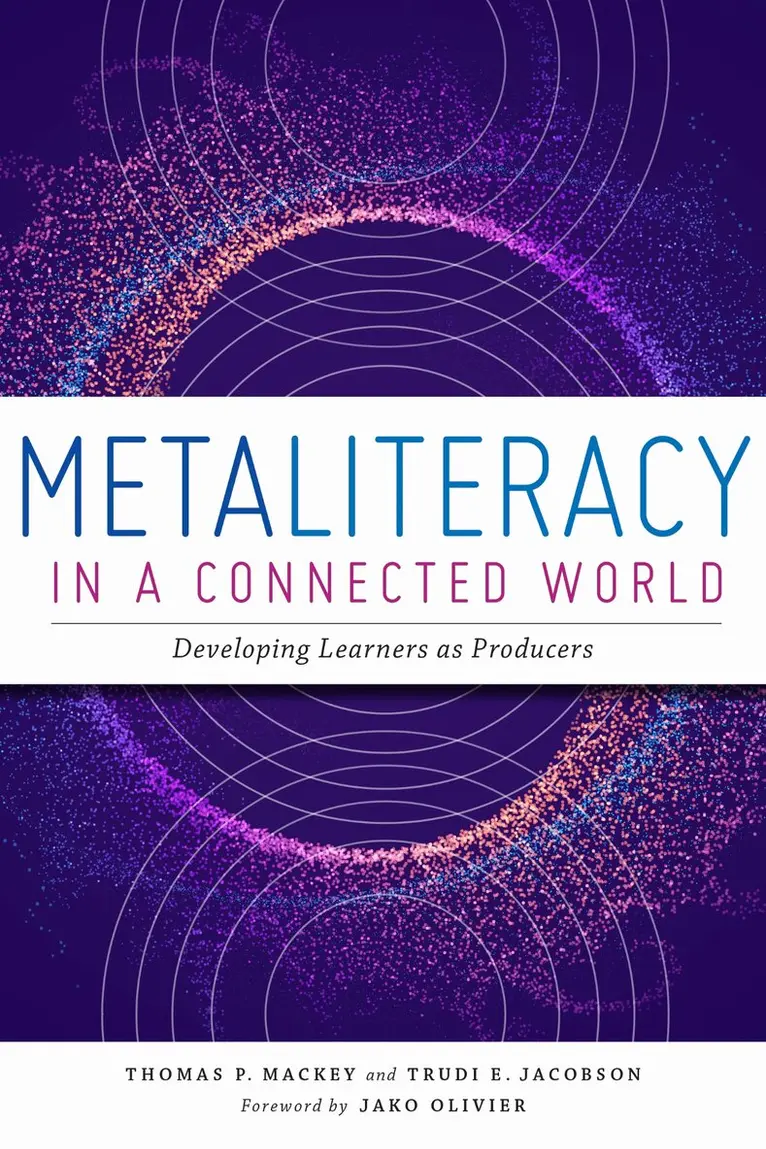
In this newest book in their series, the authors carefully examine the central role of learners as producers of information, a foundational idea for the metaliteracy framework and one that's more important than ever in our current media and information environment. They emphasize the active role today's learners play as individual and collaborative metaliterate producers of information in various forms, including writing, digital stories, digital artifacts, and multimedia productions. The authors explore a range of connected social settings from online courses to social media to open learning environments. Featuring a new metaliteracy diagram that defines the core components of metaliteracy as well as several illustrative case studies, this bookoffers an overview of the development of the metaliterate producer through metaliteracy's goals, learning objectives, learning domains, active learner roles, and associated characteristics;examines the ethical responsibilities of creating information and building connected communities of trust;explores the ways in which metaliteracy provides scaffolding for open pedagogical settings, encouraging students to understand and embrace their active roles;analyzes the conjunctions of metaliteracy and open pedagogy in courses with disparate permutations pertinent to the courses' learning objectives;shows how to embed metaliteracy learning activities in blended and online learning environments, illustrated through descriptive examples from several courses; andprovides customizable learning activities designed to advance dispositions important to metaliterate producers, such as an open mindset, critical thinking, and embracing digital citizenship.
1 528 kr
Skickas inom 10-15 vardagar
Everyone has a story to tell, and this book will inspire and guide readers to teach and learn through the production of digital narratives. This book presents the stories of educators who through digital storytelling inspire students from diverse communities to construct their empowering digital narratives. Educators from a wide range of disciplines present innovative case studies of teaching digital storytelling through the lens of personal narratives, metaliteracy, and information literacy. They describe how teaching students to tell their personal digital stories prepares them as learners who are reflective while playing active learner roles such as producer, publisher, and collaborator. As an innovative resource for teaching and learning with digital media, this book:Combines the theory and practice of digital storytelling with metaliteracy and the ACRL Framework for Information Literacy for Higher EducationExplores how to inspire learners to share their original digital narrativesOffers the opportunity to explore and address issues of race, class, and gender to give voice to these issues as part of the storytelling processInvestigates the role of diversity, equity, and inclusion in writing and producing original digital narrativesExamines novel approaches to collaborative digital storytelling and peer reviewPresents pioneering models for global digital storytelling among international learners onlineDescribes empowering digital narratives constructed by students who found and shared their voices through this creative processProvides inventive models for teaching effective planning through well-written scripts and visual storyboardsOffers openly-available resources such as rubrics, assignment descriptions, and digital technologiesShowcases the application of metaliteracy OER in digital storytelling learning activities and coursesThrough this book, faculty, librarians, school library media specialists, and instructional designers will learn how to teach the theory and practice of digital storytelling. This innovative resource will also empower students to reflect on their roles as digital storytellers and metaliterate learners in today’s dynamic and evolving information environment.
721 kr
Skickas inom 10-15 vardagar
Everyone has a story to tell, and this book will inspire and guide readers to teach and learn through the production of digital narratives. This book presents the stories of educators who through digital storytelling inspire students from diverse communities to construct their empowering digital narratives. Educators from a wide range of disciplines present innovative case studies of teaching digital storytelling through the lens of personal narratives, metaliteracy, and information literacy. They describe how teaching students to tell their personal digital stories prepares them as learners who are reflective while playing active learner roles such as producer, publisher, and collaborator. As an innovative resource for teaching and learning with digital media, this book:Combines the theory and practice of digital storytelling with metaliteracy and the ACRL Framework for Information Literacy for Higher EducationExplores how to inspire learners to share their original digital narrativesOffers the opportunity to explore and address issues of race, class, and gender to give voice to these issues as part of the storytelling processInvestigates the role of diversity, equity, and inclusion in writing and producing original digital narrativesExamines novel approaches to collaborative digital storytelling and peer reviewPresents pioneering models for global digital storytelling among international learners onlineDescribes empowering digital narratives constructed by students who found and shared their voices through this creative processProvides inventive models for teaching effective planning through well-written scripts and visual storyboardsOffers openly-available resources such as rubrics, assignment descriptions, and digital technologiesShowcases the application of metaliteracy OER in digital storytelling learning activities and coursesThrough this book, faculty, librarians, school library media specialists, and instructional designers will learn how to teach the theory and practice of digital storytelling. This innovative resource will also empower students to reflect on their roles as digital storytellers and metaliterate learners in today’s dynamic and evolving information environment.
1 215 kr
Skickas inom 3-6 vardagar
This book provides innovative, and collaborative tools for teaching with technology that work!Why teach information literacy, technology literacy, and discipline-specific research skills separately when teaching them together fires students' imaginations, improves learning, visibly demonstrates the value of your library's unique services and expertise to faculty, and lets you reach students who might never otherwise walk through the library's doors? The first book on teaching information literacy with technology across the curriculum is full of case studies and lesson plans that will help you put together a cutting-edge, technology-based course for your institution.Each chapter is co-written by a librarian-faculty member team involved in a collaborative teaching-with-technology project. An overview of the literature will help you explain the value of this dynamic approach to faculty and administration. Chapter authors represent a wide range of institutions and disciplines; they give you course goals and organization, the hows and whys of the technologies used, and pitfalls to avoid. Featured technologies include collaborative web tools, presentation software, video and other multimedia, podcasts, blogs, wikis, and more. Every academic library will want to have a copy of this book, as will any faculty member involved in teaching information literacy.
1 438 kr
Skickas inom 3-6 vardagar
1 185 kr
Skickas inom 3-6 vardagar
1 104 kr
Tillfälligt slut
This new book presents a comprehensive structure for information literacy theory that will help your students grasp an understanding of the critical thinking and reflection required to engage in technology spaces as savvy producers, collaborators, and sharers. Today’s learners communicate, create, and share information using a range of information technologies such as social media, blogs, microblogs, wikis, mobile devices and apps, virtual worlds, and MOOCs. In their new book, respected information literacy experts Mackey and Jacobson present a comprehensive structure for information literacy theory that builds on decades of practice while recognizing the knowledge required for an expansive and interactive information environment. The concept of metaliteracy expands the scope of traditional information skills (determine, access, locate, understand, produce, and use information) to include the collaborative production and sharing of information in participatory digital environments (collaborate, produce, and share) prevalent in today’s world. Combining theory and case studies, the authors: show why media literacy, visual literacy, digital literacy, and a host of other specific literacies are critical for informed citizens in the 21st century; offer a framework for engaging in today’s information environments as active, self-reflective, and critical contributors to these collaborative spaces; and connect metaliteracy to such topics as metadata, the semantic web, metacognition, open education, distance learning, and digital storytelling. Readership: Any librarian involved in teaching information literacy, LIS students, academics and researchers.
1 073 kr
Skickas inom 3-6 vardagar
Metaliteracy in Practice will provide inspiration for librarians and educators in need of up-to-date and thought-provoking information literacy curricula and instructional approaches. Editors Trudi E. Jacobson and Thomas P. Mackey, respected leaders in distance education and library instruction, reframed information literacy in their acclaimed previous book, Metaliteracy: Reinventing information literacy to empower learners, which provided an inclusive framework that encompasses all the newer literacies such as digital, visual, cyber and media literacy. Metaliteracy in Practice follows on from this book, placing its concepts firmly in real-world practice and delivering a compilation of innovative and practical teaching ideas from some of the leading thinkers in library and information literacy instruction today. Each chapter takes readers through the process of using the metaliteracy framework in new and exciting ways that easily transfer to the classroom and to work with students. These ideas are grounded in teaching traditional information literacy competencies but brought up-to-date with the addition of methods for teaching and learning about metacognition, information creation and participation in learning communities. The case studies contained in this collection detail the hows and whys of curricular design for metaliteracy, suitable for both beginners and seasoned professionals. Readers will also benefit from the book’s practical ideas for: • teaching students about the importance of format choice • assessing user feedback • creating information as teachers • evaluating dynamic content critically and effectively • sharing information in collaborative environments. The collection has some of the most innovative teaching ideas for inspiring librarians and educators to revise lessons on critical thinking and information literacy, so that their students will graduate with the ability to formulate and ask their own questions.
685 kr
Kommande
1 739 kr
Kommande