Thomas R. Flynn – författare
Visar alla böcker från författaren Thomas R. Flynn. Handla med fri frakt och snabb leverans.
13 produkter
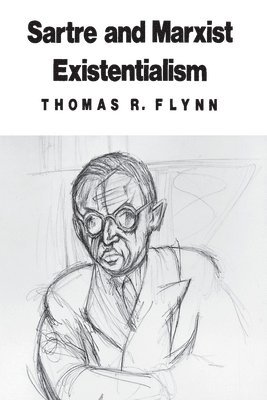
Sartre and Marxist Existentialism
The Test Case of Collective Responsibility
Häftad, 1986
296 kr
Lägg i varukorg
In this important book, Thomas R. Flynn reinterprets and evaluates Sartre's social and political philosophy, arguing that the existential ethics of Sartre's early phase is consistent with the Marxist-inspired views of his later writings. Displaying his mastery of Sartre's entire corpus, Flynn …
Sartre, Foucault, and Historical Reason, Volume One
Toward an Existentialist Theory of History
Häftad, 1997
321 kr
Lägg i varukorg
Sartre and Foucault were two of the most prominent and at times mutually antagonistic philosophical figures of the twentieth century. And nowhere are the antithetical natures of their existentialist and poststructuralist philosophies more apparent than in their disparate approaches to historical …
Sartre, Foucault, and Historical Reason, Volume One
Toward an Existentialist Theory of History
E-bok, 2008
701 kr
Lägg i varukorg
Sartre and Foucault were two of the most prominent and at times mutually antagonistic philosophical figures of the twentieth century. And nowhere are the antithetical natures of their existentialist and poststructuralist philosophies more apparent than in their disparate approaches to historical …
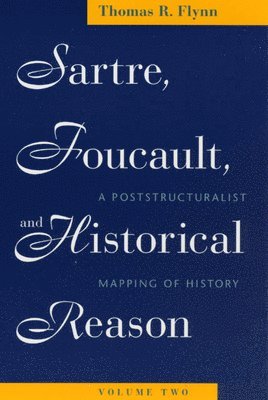
Sartre, Foucault, and Historical Reason, Volume Two
A Poststructuralist Mapping of History
Inbunden, 2005
848 kr
Lägg i varukorg
Sartre and Foucault were two of the most prominent and at times mutually antagonistic philosophical figures of the twentieth century. And nowhere are the antithetical natures of their existentialist and poststructuralist philosophies more apparent than in their disparate approaches to historical …
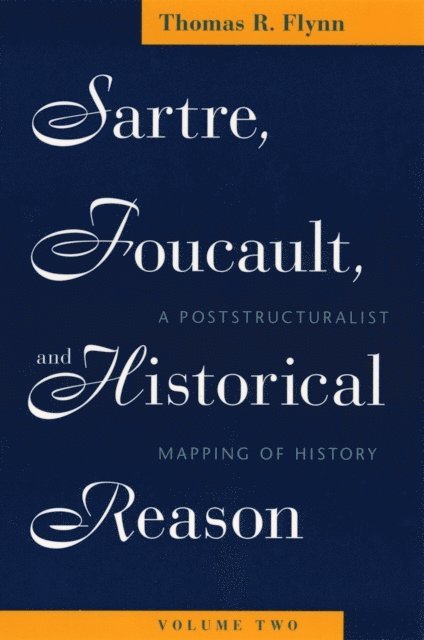
Sartre, Foucault, and Historical Reason, Volume Two
A Poststructuralist Mapping of History
Häftad, 2005
347 kr
Lägg i varukorg
Sartre and Foucault were two of the most prominent and at times mutually antagonistic philosophical figures of the twentieth century. And nowhere are the antithetical natures of their existentialist and poststructuralist philosophies more apparent than in their disparate approaches to historical …
Sartre, Foucault, and Historical Reason, Volume Two
A Poststructuralist Mapping of History
E-bok, 2010
758 kr
Lägg i varukorg
Sartre and Foucault were two of the most prominent and at times mutually antagonistic philosophical figures of the twentieth century. And nowhere are the antithetical natures of their existentialist and poststructuralist philosophies more apparent than in their disparate approaches to historical …
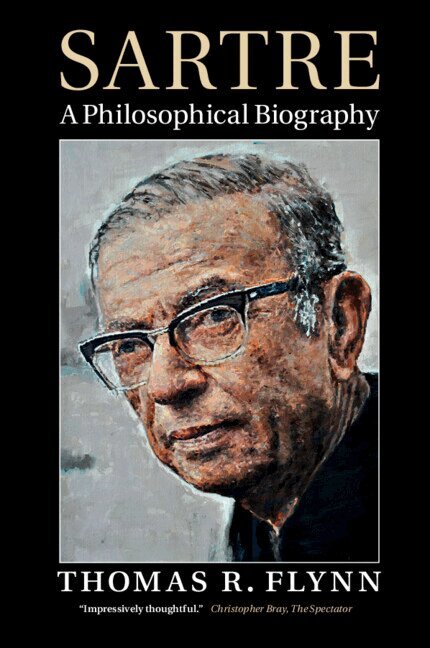
Sartre
A Philosophical Biography
Häftad, 2019
427 kr
Lägg i varukorg
Jean-Paul Sartre (1905-1980) was one of the most influential thinkers of the twentieth century. Regarded as the father of existentialist philosophy, he was also a political critic, moralist, playwright, novelist, and author of biographies and short stories. Thomas R. Flynn provides the first …
Oral and Maxillofacial Infections: 15 Unanswered Questions, An Issue of Oral and Maxillofacial Surgery Clinics
Inbunden, 2012
938 kr
Lägg i varukorg
This special issue will review the many unanswered questions regarding oral and maxillofacial infections. Questions include: Should we extract teeth in the presence of infection? Should we wait for development of an abscess before we perform incision and drainage? What are the antibiotics of choice …
Sartre, Foucault, and Historical Reason, Volume One
Toward an Existentialist Theory of History
Inbunden, 1997
865 kr
Tillfälligt slut
Sartre and Foucault were two of the most prominent and at times mutually antagonistic philosophical figures of the twentieth century. And nowhere are the antithetical natures of their existentialist and poststructuralist philosophies more apparent than in their disparate approaches to historical …
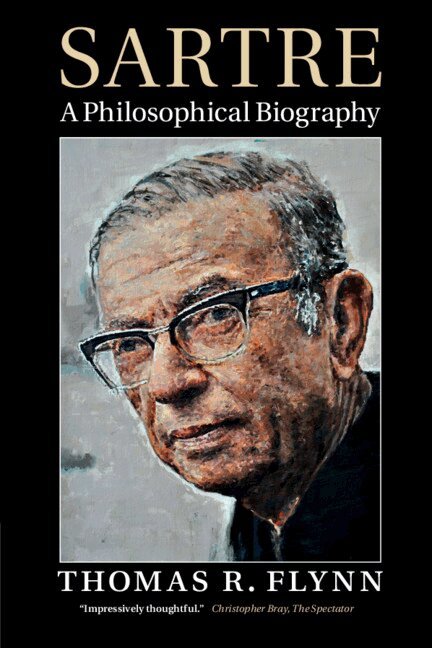
Sartre
A Philosophical Biography
Inbunden, 2014
1077 kr
Tillfälligt slut
Jean-Paul Sartre (1905-1980) was one of the most influential thinkers of the twentieth century. Regarded as the father of existentialist philosophy, he was also a political critic, moralist, playwright, novelist, and author of biographies and short stories. Thomas R. Flynn provides the first …
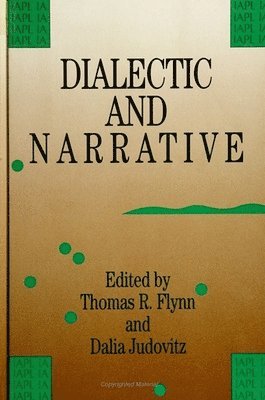
Dialectic and Narrative
Av Thomas R. Flynn, Dalia Judovitz
Häftad, 1993
486 kr
Tillfälligt slut
Dialectic and narrative reflect the respective inclinations of philosophy and literature as disciplines that fix one another in a Sartrean gaze, admixing envy with suspicion. Ever since Plato and Aristotle distinguished scientific knowledge (episteme) from opinion (doxa) and valued demonstration …
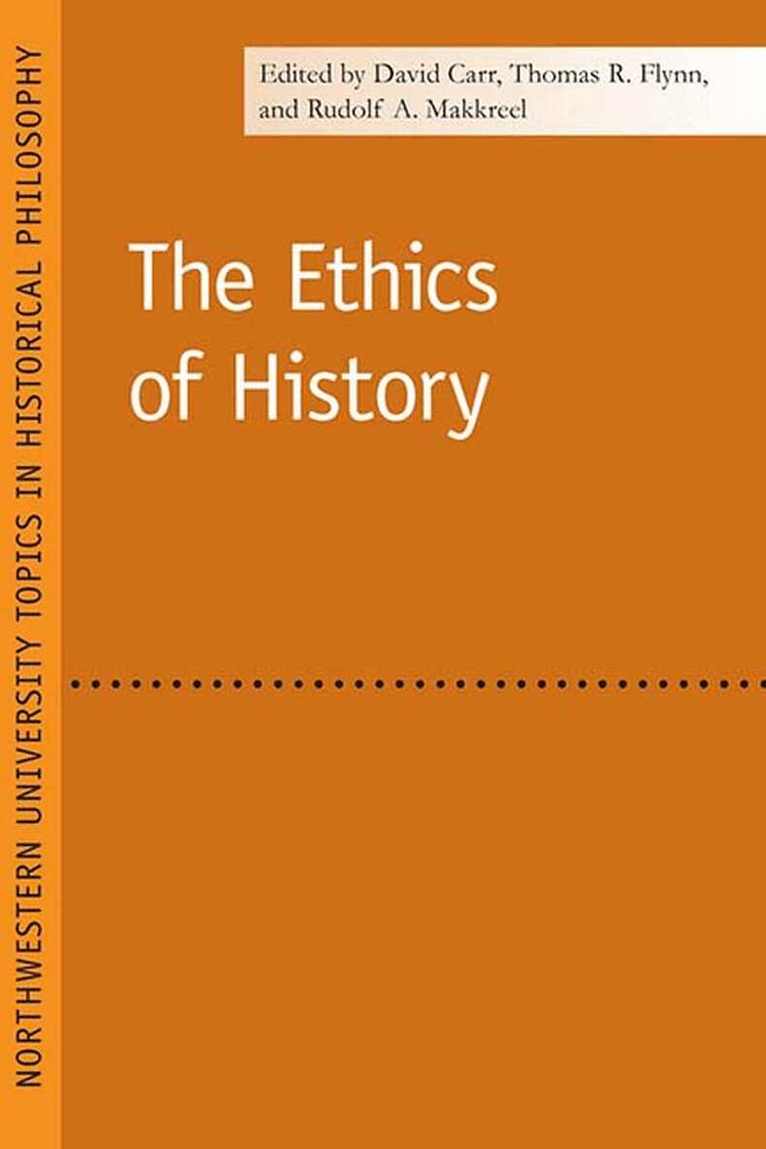
Ethics of History
Av D. Carr, Thomas R. Flynn m. fl.
Inbunden, 2004
902 kr
Tillfälligt slut
Leading thinkers from philosophy and intellectual history explore the moral dimension of the work of historians and the enterprise of history; What is implied by ""The Ethics of History""? The authors of this volume, internationally renowned philosophers and intellectual historians, come together …
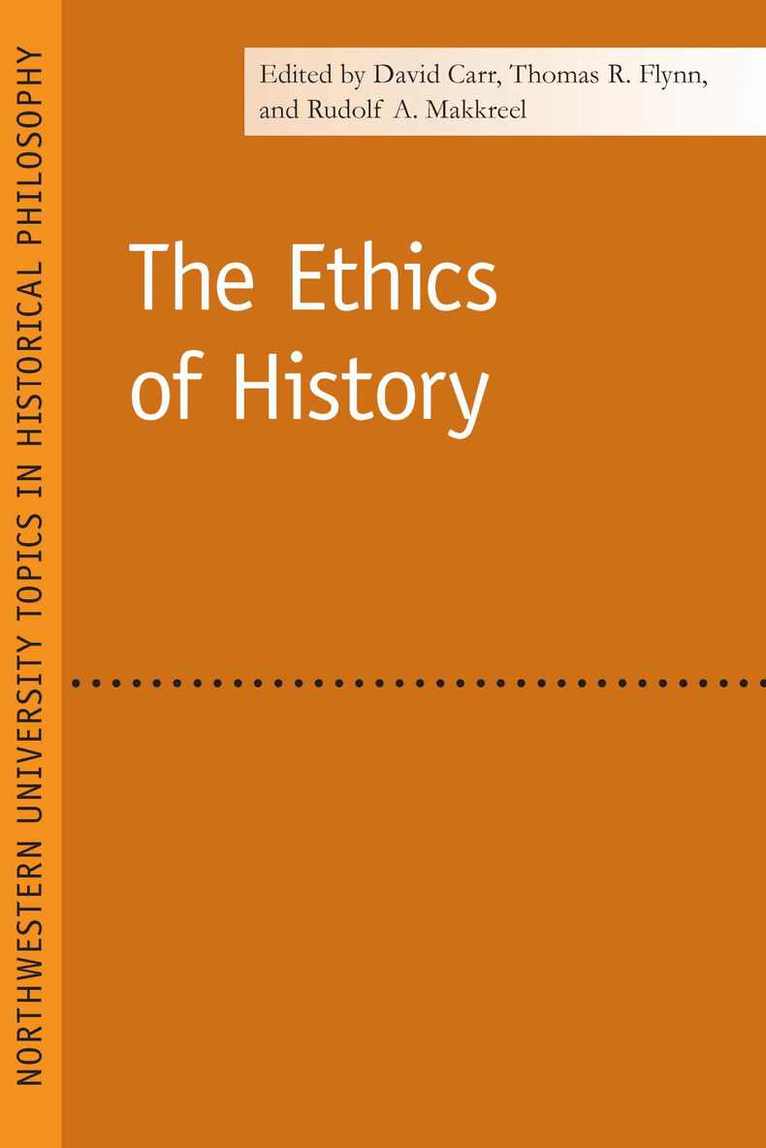
Ethics of History
Av D. Carr, Thomas R. Flynn m. fl.
Häftad, 2004
358 kr
Tillfälligt slut
Leading thinkers from philosophy and intellectual history explore the moral dimension of the work of historians and the enterprise of history; What is implied by ""The Ethics of History""? The authors of this volume, internationally renowned philosophers and intellectual historians, come together …