Thomas W. Simpson – författare
Visar alla böcker från författaren Thomas W. Simpson. Handla med fri frakt och snabb leverans.
5 produkter
5 produkter
Inbunden, Engelska, 2023
849 kr
Skickas inom 5-8 vardagar
Trust and trustworthiness are core social phenomena, at the heart of most everyday interactions. Yet they are also puzzling: while it matters to us that we place trust well, trusting people who will not let us down, both also seem to involve morally driven attitudes and behaviours. Confronted by whether I should trust another, this tension creates very practical dilemmas.In Trust, Thomas Simpson addresses the foundational question, why should I trust? Philosophical treatments of trust have tended to focus on trying to identify what the attitude of trust consists in. Simpson argues that this approach is misguided, giving rise to merely linguistic debates about how the term 'trust' is used. Instead, he focuses attention on the ways that trust is valuable. The answer defended comprises two claims, which at first seem to be in tension. One is a form of evidentialism about trust: normally, your trust should be based on the evidence you have for someone's trustworthiness. But, second, someone's word is normally enough to settle for you whether you should trust them. Social norms of trustworthiness explain why both are normal. Methodologically innovative, Trust also applies the account , addressing how cultures of trust can be sustained, and the implications of trust in God. While it is a philosophical essay, the book is written in a way that presumes no prior knowledge of philosophy, to be accessible to the scholars from the many disciplines also attracted and puzzled by trust.

Inbunden, Engelska, 2010
2 137 kr
Skickas inom 10-15 vardagar
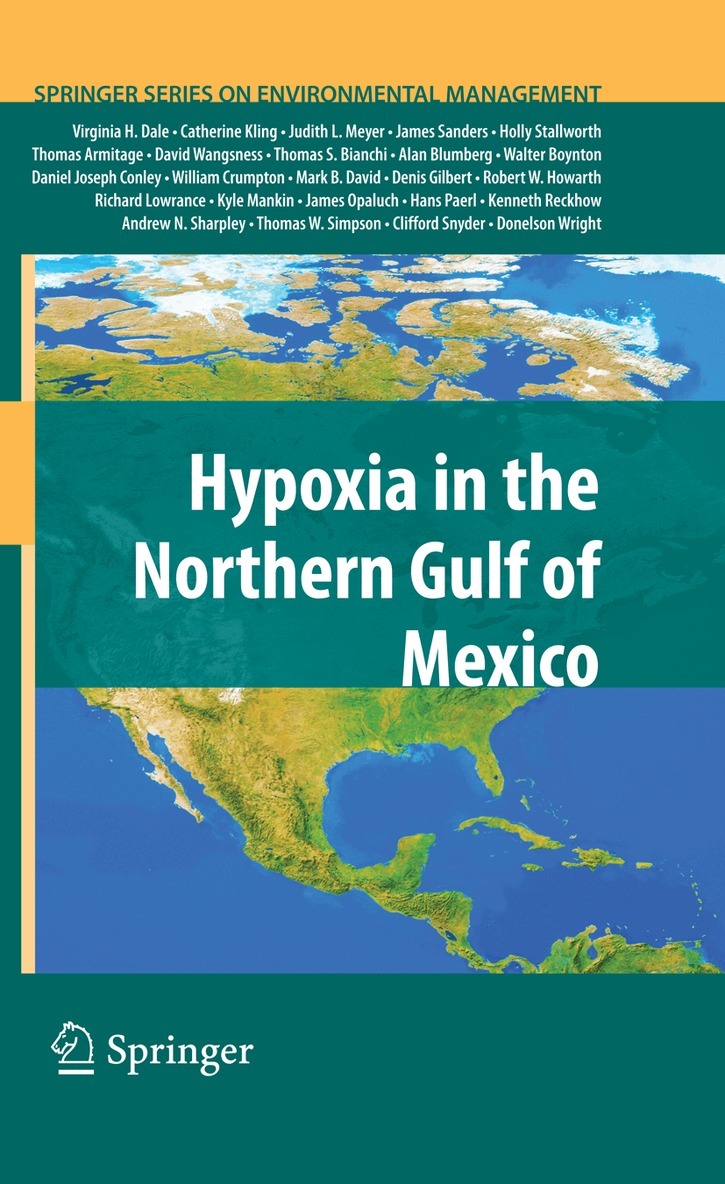
Since 1985, scientists have been documenting a hypoxic zone in the Gulf of Mexico each year. The hypoxic zone, an area of low dissolved oxygen that cannot s- port marine life, generally manifests itself in the spring. Since marine species either die or ee the hypoxic zone, the spread of hypoxia reduces the available habitat for marine species, which are important for the ecosystem as well as commercial and recreational shing in the Gulf. Since 2001, the hypoxic zone has averaged 2 1 16,500 km during its peak summer months , an area slightly larger than the state 2 2 of Connecticut, and ranged from a low of 8,500 km to a high of 22,000 km . To address the hypoxia problem, the Mississippi River/Gulf of Mexico Watershed Nutrient Task Force (or Task Force) was formed to bring together represen- tives from federal agencies, states, and tribes to consider options for responding to hypoxia. The Task Force asked the White House Of ce of Science and Technology Policy to conduct a scienti c assessment of the causes and consequences of Gulf hypoxia through its Committee on Environment and Natural Resources (CENR).
Häftad, Engelska, 2012
2 137 kr
Skickas inom 10-15 vardagar
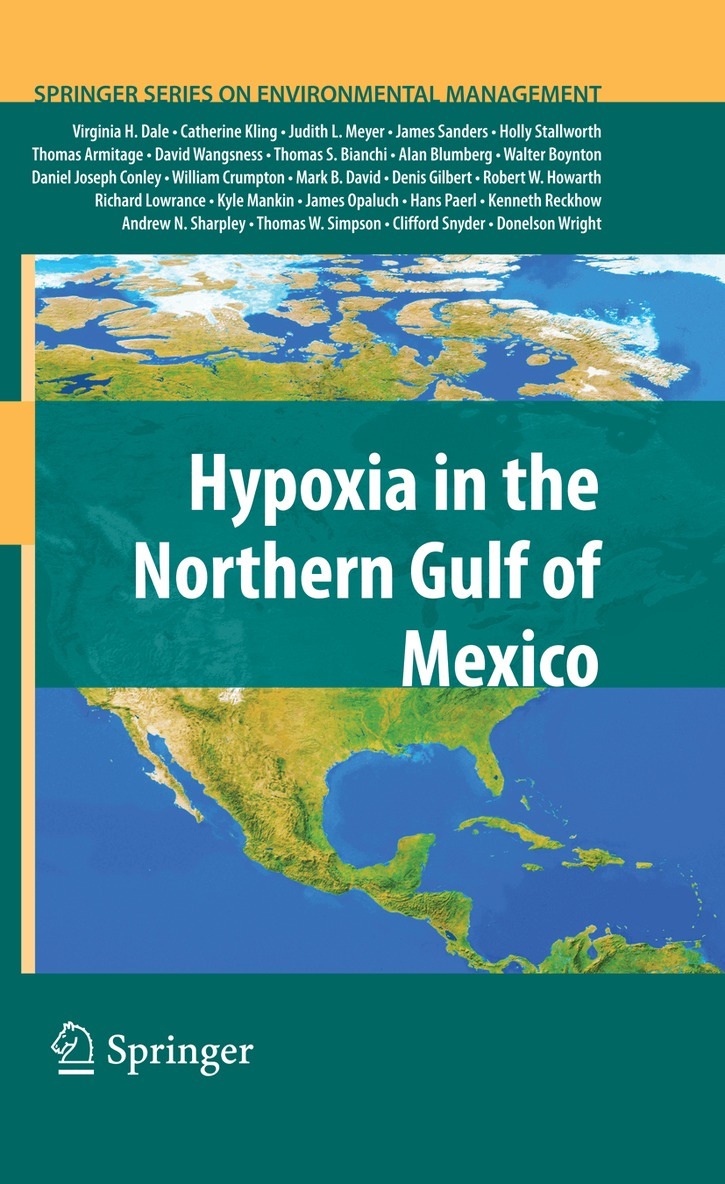
Since 1985, scientists have been documenting a hypoxic zone in the Gulf of Mexico each year. The hypoxic zone, an area of low dissolved oxygen that cannot s- port marine life, generally manifests itself in the spring. Since marine species either die or ee the hypoxic zone, the spread of hypoxia reduces the available habitat for marine species, which are important for the ecosystem as well as commercial and recreational shing in the Gulf. Since 2001, the hypoxic zone has averaged 2 1 16,500 km during its peak summer months , an area slightly larger than the state 2 2 of Connecticut, and ranged from a low of 8,500 km to a high of 22,000 km . To address the hypoxia problem, the Mississippi River/Gulf of Mexico Watershed Nutrient Task Force (or Task Force) was formed to bring together represen- tives from federal agencies, states, and tribes to consider options for responding to hypoxia. The Task Force asked the White House Of ce of Science and Technology Policy to conduct a scienti c assessment of the causes and consequences of Gulf hypoxia through its Committee on Environment and Natural Resources (CENR).
Häftad, Engelska, 2016
372 kr
Skickas inom 10-15 vardagar
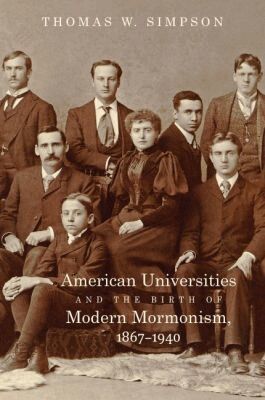
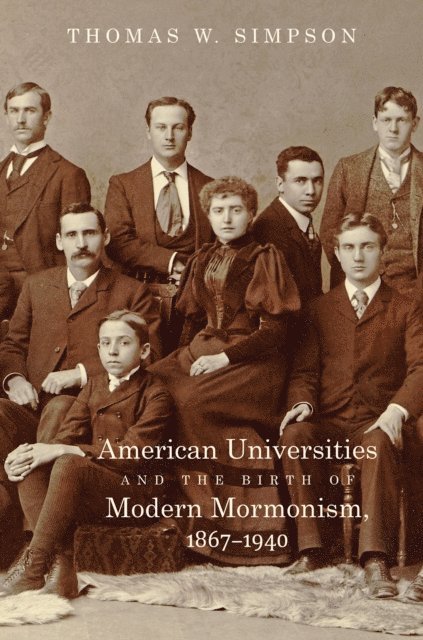
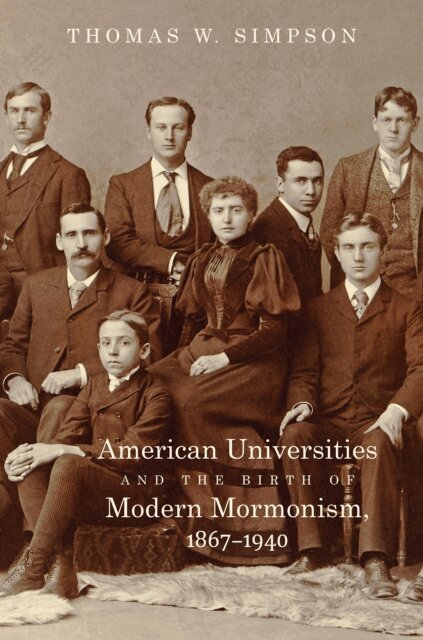
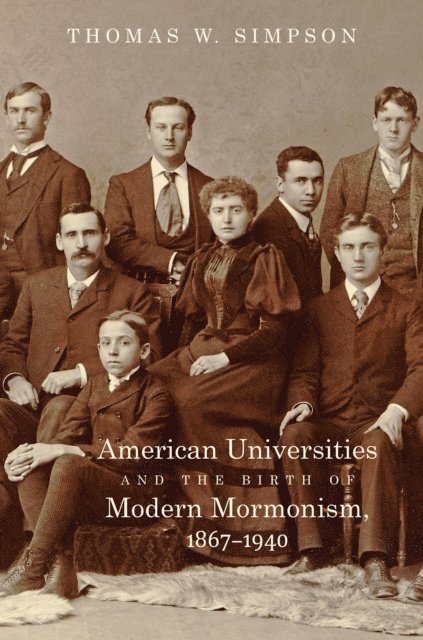
In the closing decades of the nineteenth century, college-age Latter-daySaints began undertaking a remarkable intellectual pilgrimage to the nation’selite universities, including Harvard, Columbia, Michigan, Chicago, andStanford. Thomas W. Simpson chronicles the academic migration of hundredsof LDS students from the 1860s through the late 1930s, when churchauthority J. Reuben Clark Jr., himself a product of the Columbia UniversityLaw School, gave a reactionary speech about young Mormons’ search forintellectual cultivation. Clark's leadership helped to set conservative parametersthat in large part came to characterize Mormon intellectual life.At the outset, Mormon women and men were purposefully dispatched tosuch universities to “gather the world’s knowledge to Zion.” Simpson, drawingon unpublished diaries, among other materials, shows how LDS studentscommonly described American universities as egalitarian spaces that fostereda personally transformative sense of freedom to explore provisionalreconciliations of Mormon and American identities and religious and scientificperspectives. On campus, Simpson argues, Mormon separatism diedand a new, modern Mormonism was born: a Mormonism at home in theUnited States but at odds with itself. Fierce battles among Mormon scholarsand church leaders ensued over scientific thought, progressivism, and thehistoricity of Mormonism’s sacred past. The scars and controversy, Simpsonconcludes, linger.
Inbunden, Engelska, 2016
1 076 kr
Skickas inom 10-15 vardagar
In the closing decades of the nineteenth century, college-age Latter-daySaints began undertaking a remarkable intellectual pilgrimage to the nation’selite universities, including Harvard, Columbia, Michigan, Chicago, andStanford. Thomas W. Simpson chronicles the academic migration of hundredsof LDS students from the 1860s through the late 1930s, when churchauthority J. Reuben Clark Jr., himself a product of the Columbia UniversityLaw School, gave a reactionary speech about young Mormons’ search forintellectual cultivation. Clark's leadership helped to set conservative parametersthat in large part came to characterize Mormon intellectual life.At the outset, Mormon women and men were purposefully dispatched tosuch universities to “gather the world’s knowledge to Zion.” Simpson, drawingon unpublished diaries, among other materials, shows how LDS studentscommonly described American universities as egalitarian spaces that fostereda personally transformative sense of freedom to explore provisionalreconciliations of Mormon and American identities and religious and scientificperspectives. On campus, Simpson argues, Mormon separatism diedand a new, modern Mormonism was born: a Mormonism at home in theUnited States but at odds with itself. Fierce battles among Mormon scholarsand church leaders ensued over scientific thought, progressivism, and thehistoricity of Mormonism’s sacred past. The scars and controversy, Simpsonconcludes, linger.