Tiago de Luca - Böcker
Visar alla böcker från författaren Tiago de Luca. Handla med fri frakt och snabb leverans.
7 produkter
7 produkter
390 kr
Skickas
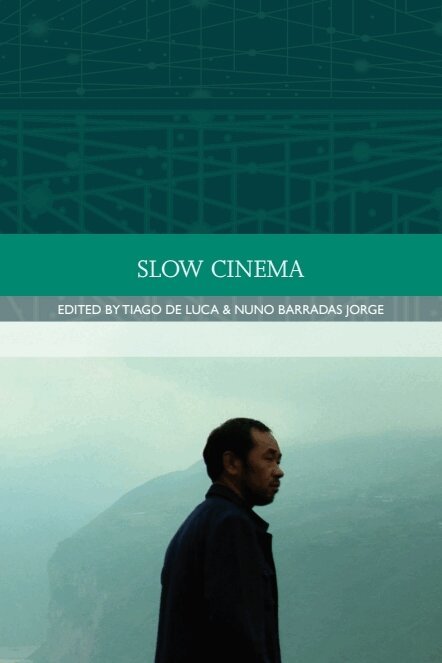
In the context of a frantic world that celebrates instantaneity and speed, a number of cinemas steeped in contemplation, silence and duration have garnered significant critical attention in recent years, thus resonating with a larger sociocultural movement whose aim is to rescue extended temporal structures from the accelerated tempo of late-capitalism. Although not part of a structured film movement, directors such as Carlos Reygadas, Tsai Ming-liang, Béla Tarr, Pedro Costa and Kelly Reichardt have been largely subsumed under the term ‘slow cinema’. But what exactly is slow cinema? Is it a strictly recent phenomenon or an overarching cinematic tradition? And how exactly do slow cinemas interrelate on an aesthetic, technical and political level?Deploying the concept of slowness as an umbrella category under which filmmakers and traditions from different historical and geographical backgrounds can fruitfully converge, this innovative collection of essays interrogates and expands the frameworks that have generally informed slow cinema debates. Repositioning the term in a broader theoretical space, the book combines an array of fine-grained studies that will provide valuable insight into the notion of slowness in the cinema, while mapping out past and contemporary slow films across the globe.
629 kr
Skickas inom 10-15 vardagar
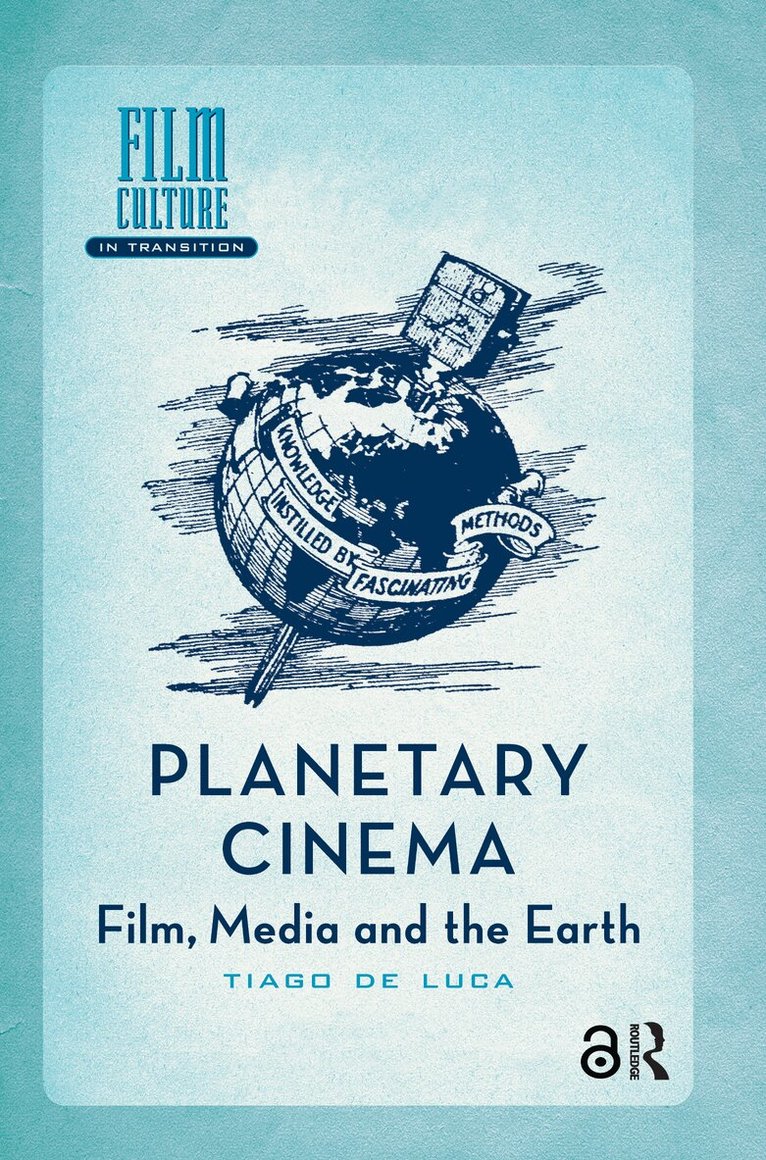
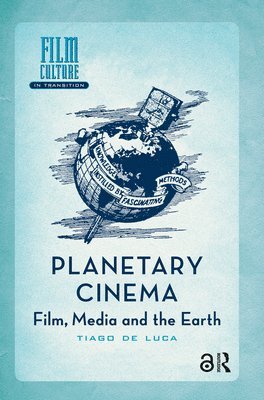
The story is now familiar. In the late 1960s humanity finally saw photographic evidence of the Earth in space for the first time. According to this narrative, the impact of such images in the consolidation of a planetary consciousness is yet to be matched. This book tells a different story. It argues that this narrative has failed to account for the vertiginous global imagination underpinning the media and film culture of the late nineteenth century and beyond. Panoramas, giant globes, world exhibitions, photography and stereography: all promoted and hinged on the idea of a world made whole and newly visible. When it emerged, cinema did not simply contribute to this effervescent globalism so much as become its most significant and enduring manifestation. Planetary Cinema proposes that an exploration of that media culture can help us understand contemporary planetary imaginaries in times of environmental collapse. Engaging with a variety of media, genres and texts, the book sits at the intersection of film/media history and theory/ philosophy, and it claims that we need this combined approach and expansive textual focus in order to understand the way we see the world.
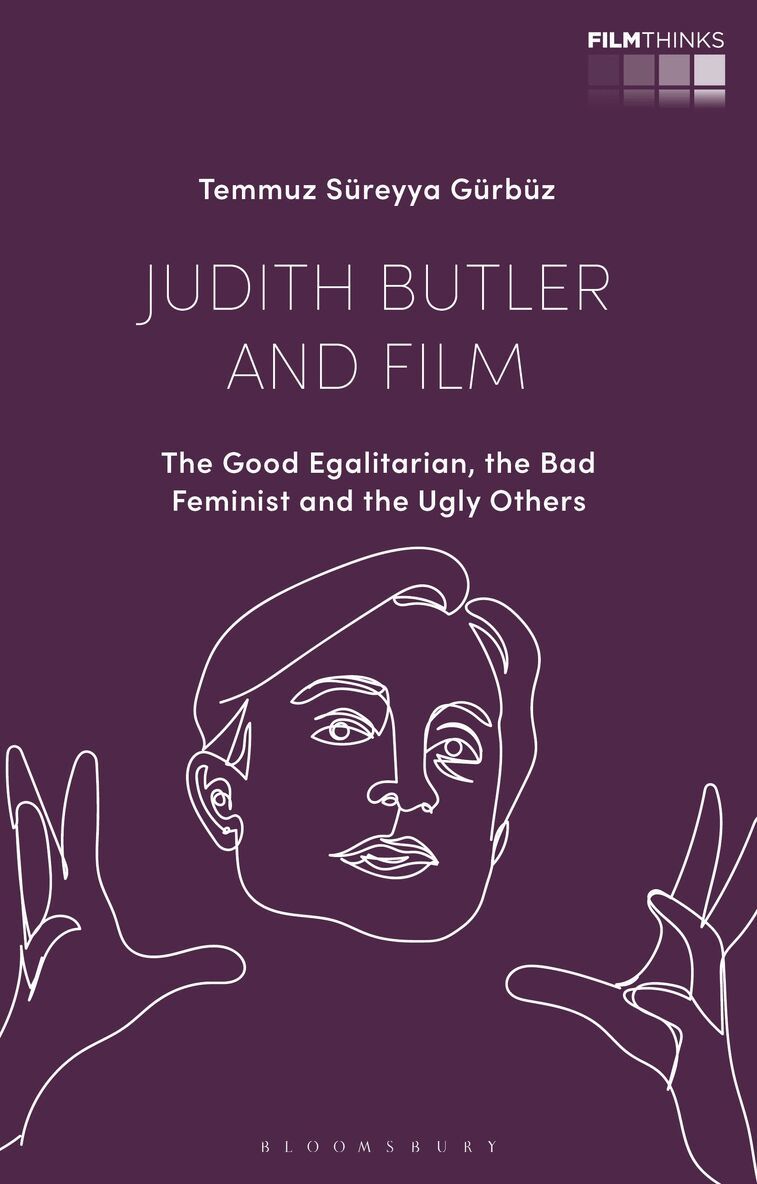
Judith Butler and Film
The Good Egalitarian, the Bad Feminist and the Ugly Others
Inbunden, Engelska, 2026
1 122 kr
Skickas inom 7-10 vardagar
At a time when the representational expansion of women and LGBTQIA+ people in media coincides with the rise of global “anti-gender” ideologies, Judith Butler’s writings on gender, precarity, and liveability hold new urgency. Judith Butler and Film is the first book to examine the reciprocal relationship between Butler’s theories and cinema, situating film within the broader context of Butler’s philosophy and its interactions with popular media. Tracing the presence of film in Butler’s work – from Paris Is Burning and Boys Don’t Cry to Divine’s queer terrorism in John Waters’ films, and from Hollywood’s star system to documentaries featuring Butler – Gürbüz reveals cinema as both object and method of inquiry into Butlerian thought. Bringing this dialogue up to the present, the book branches into Butler’s 2024 bestseller Who Is Afraid of Gender? and their recent appearances in popular online media, underscoring the immediacy of Butler’s thought in today’s cultural landscape.Moving beyond established frameworks in film theory while drawing on counter-cinema, trans* cinema discourse, and the psychic life of film, Judith Butler and Film repositions cinema as a potential site of embodied transformation and collective imagination—a medium through which egalitarian futures can be envisioned and felt.
2 150 kr
Skickas inom 3-6 vardagar
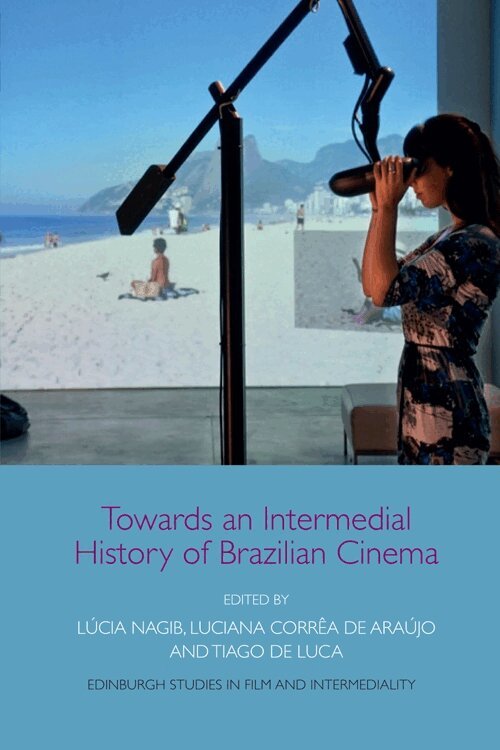
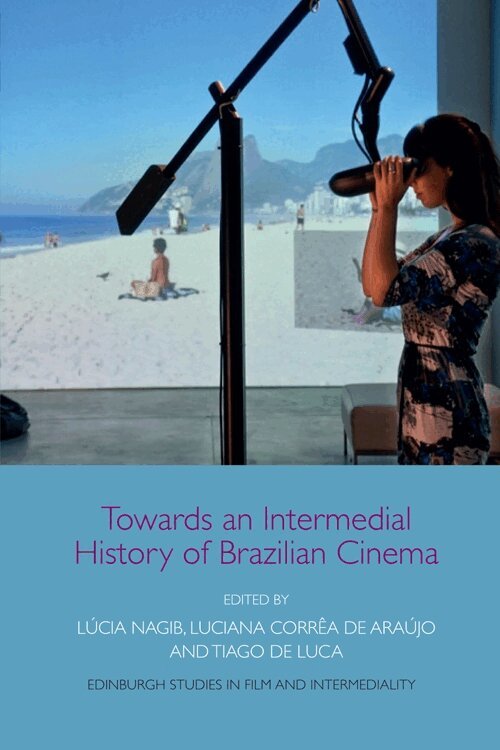
This book resorts to a new, intermedial method in order to reconstruct the history of Brazilian cinema. From its inception Brazilian cinema has combined extra-filmic artistic and medial forms, resulting in an original aesthetic blend. Theatre, dance, music, circus, radio, television and the plastic arts have left a distinctive mark on Brazilian cinema's poetics and politics, as can be observed in a host of fascinating phenomena analysed in this book, including: screen and stage interactions in the silent era; the chanchada musical comedies, inflected by vaudeville theatre and the radio; Glauber Rocha's intermedial cosmogony; the manguebeat and arido movie movements that blurred the boundaries between music and film; and contemporary multimedia installations among others. By adopting intermediality as a historiographic method, this book will bring to the public, for the first time, the polymathic cultural wealth behind filmic expressions in Brazilian cinema through the lens of its most authoritative experts.
328 kr
Skickas
From its inception, Brazilian cinema has combined extra-filmic artistic and cultural forms, both local and imported, resulting in an original aesthetic blend. Theatre, dance, music, circus, radio, television and the plastic arts left a distinctive mark on Brazilian cinema's poetics and politics, as can be observed in a host of fascinating phenomena analysed in this book, including: the film prologues that connected the screen to the stage in the 1920s; the chanchada musical comedies, inflected by vaudeville theatre and the radio; the manguebeat and arido movie movements that blurred the boundaries between music and film; and contemporary multimedia installations and other experiments. By adopting intermediality as a historiographic method, this book reconstructs the history and cultural wealth behind filmic expressions in Brazilian cinema.
1 808 kr
Skickas inom 10-15 vardagar
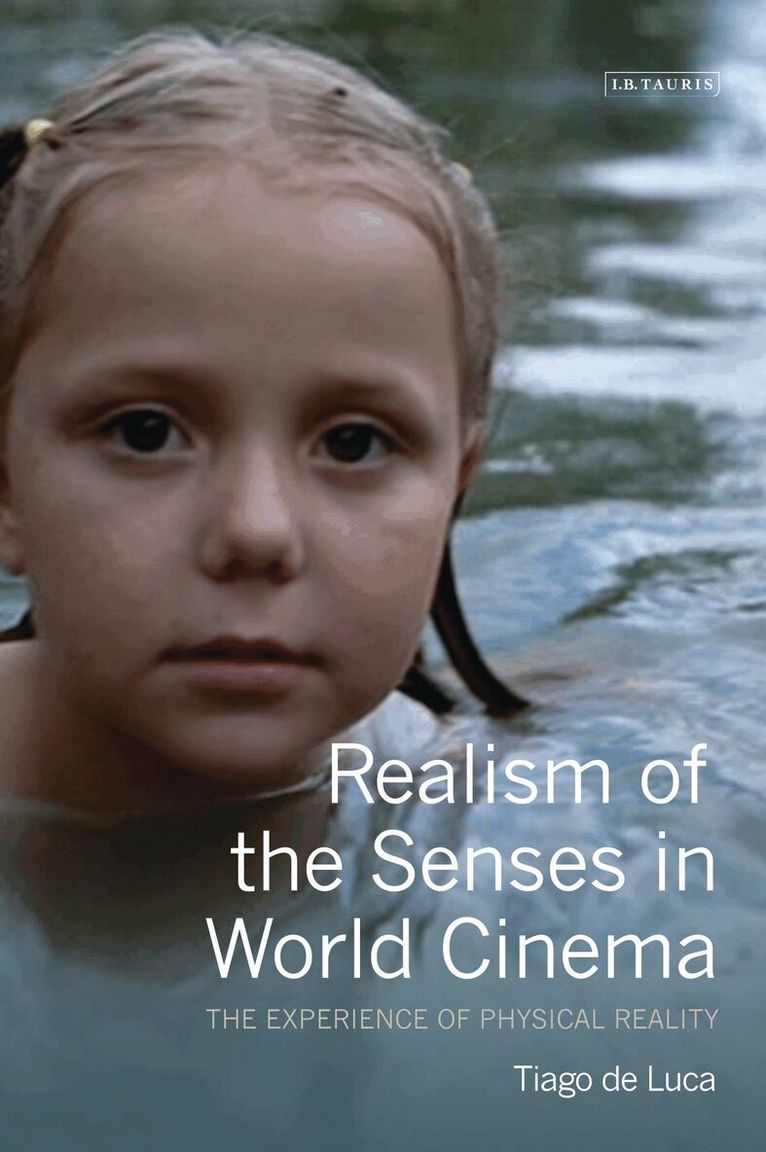
Over the last decade, a realist tendency has made its mark on the world cinema map. What are its main aesthetic and political characteristics? How does it relate to the realist canon and world cinema history? What are the different facets of this phenomenon as expressed in diverse cinemas across the globe? Drawing on foundational realist theories and recent takes on the body and the senses, this illuminating book aims to provide in-depth answers to these questions by examining the fascinating work of Carlos Reygadas (Mexico), Tsai Ming-liang (Taiwan) and Gus Van Sant (US), including award-winning films such "Japon", "Vive l'amour" and "Elephant". In their common allegiance to the long take, these are cinemas characterised by a sensory mode of address based on the protracted inspection of physical reality. Their hyperbolic focus on material phenomena, de Luca argues, translates into phenomenological film experiences that provide an antidote to a world saturated by simulation processes. The book demonstrates how these cinemas politically affirm new ways of being in the world.
1 833 kr
Skickas inom 10-15 vardagar
The story is now familiar. In the late 1960s humanity finally saw photographic evidence of the Earth in space for the first time. According to this narrative, the impact of such images in the consolidation of a planetary consciousness is yet to be matched. This book tells a different story. It argues that this narrative has failed to account for the vertiginous global imagination underpinning the media and film culture of the late nineteenth century and beyond. Panoramas, giant globes, world exhibitions, photography and stereography: all promoted and hinged on the idea of a world made whole and newly visible. When it emerged, cinema did not simply contribute to this effervescent globalism so much as become its most significant and enduring manifestation. Planetary Cinema proposes that an exploration of that media culture can help us understand contemporary planetary imaginaries in times of environmental collapse. Engaging with a variety of media, genres and texts, the book sits at the intersection of film/media history and theory/ philosophy, and it claims that we need this combined approach and expansive textual focus in order to understand the way we see the world.