Tijs Kooijmans – författare
Visar alla böcker från författaren Tijs Kooijmans. Handla med fri frakt och snabb leverans.
4 produkter
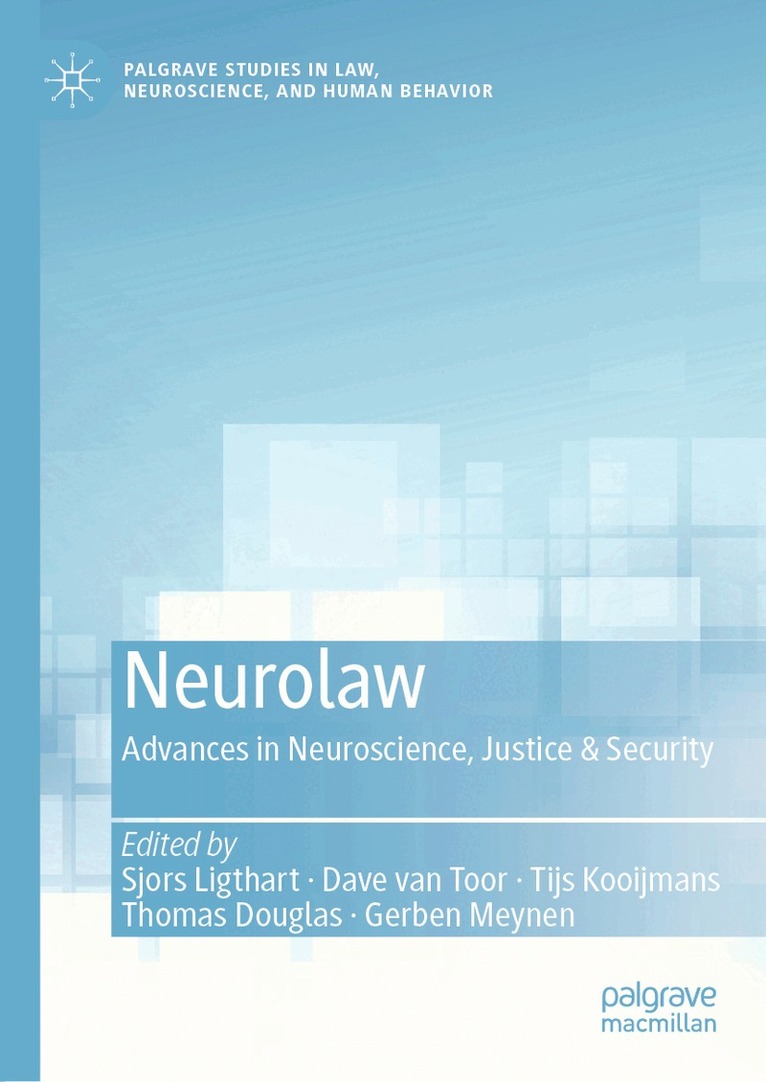
Neurolaw
Advances in Neuroscience, Justice & Security
Av Sjors Ligthart, Dave van Toor m. fl.
Inbunden, 2021
1110 kr
Lägg i varukorg
This edited book provides an in-depth examination of the implications of neuroscience for the criminal justice system. It draws together experts from across law, neuroscience, medicine, psychology, criminology, and ethics, and offers an important contribution to current debates at the intersection …
Neurolaw
Advances in Neuroscience, Justice & Security
Av Gerben Meynen, Thomas Douglas m. fl.
E-bok, 2021
1492 kr
Lägg i varukorg
This edited book provides an in-depth examination of the implications of neuroscience for the criminal justice system. It draws together experts from across law, neuroscience, medicine, psychology, criminology, and ethics, and offers an important contribution to current debates at the intersection …
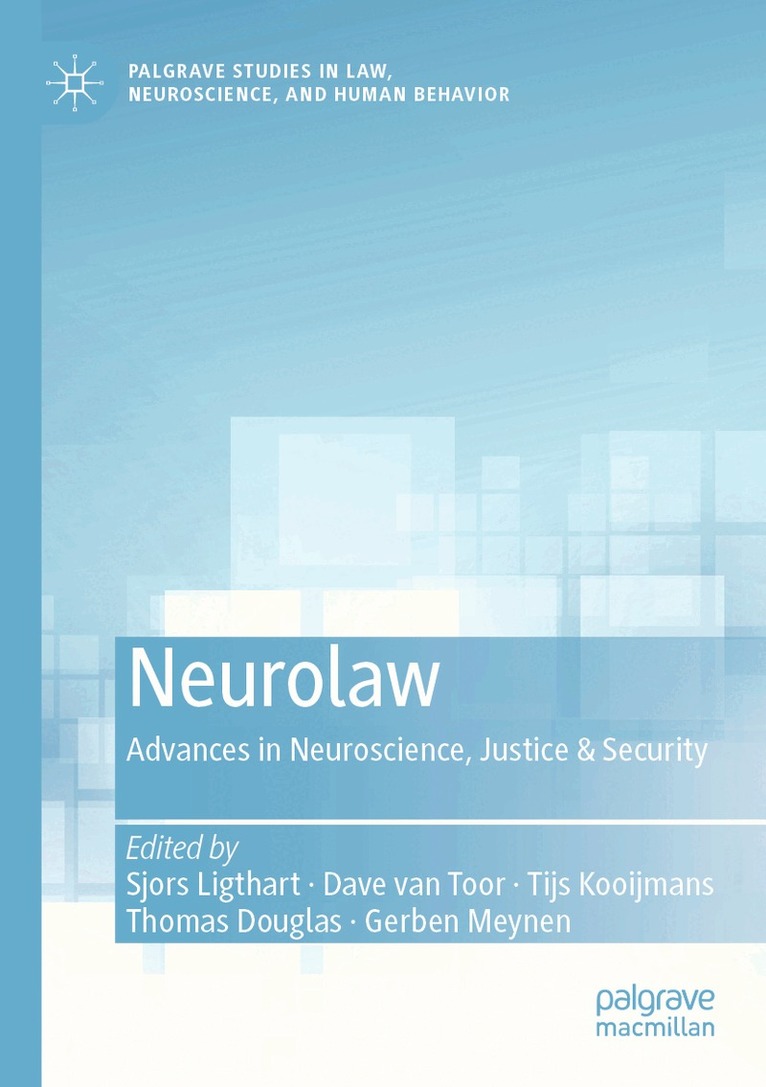
Neurolaw
Advances in Neuroscience, Justice & Security
Av Sjors Ligthart, Dave van Toor m. fl.
Häftad, 2022
1110 kr
Lägg i varukorg
This edited book provides an in-depth examination of the implications of neuroscience for the criminal justice system. It draws together experts from across law, neuroscience, medicine, psychology, criminology, and ethics, and offers an important contribution to current debates at the intersection …
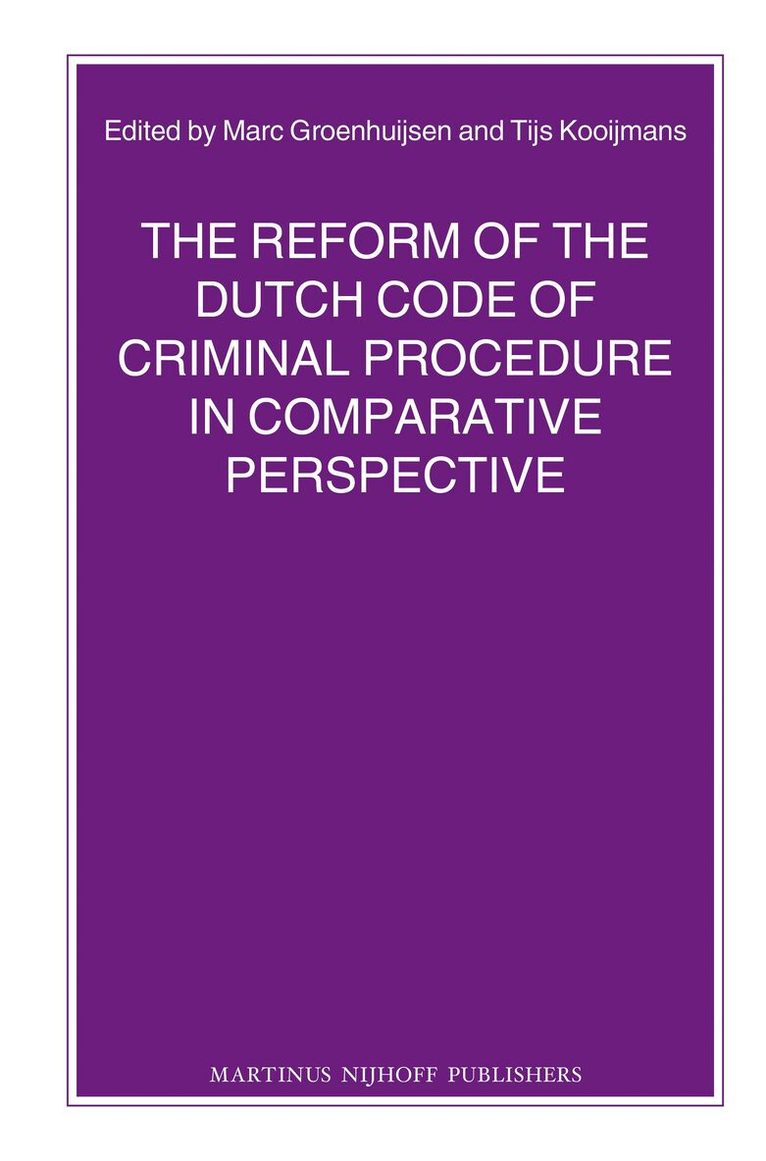
Reform of the Dutch Code of Criminal Procedure in Comparative Perspective
Av M.S. Groenhuijsen, Tijs Kooijmans
Häftad, 2012
2244 kr
Lägg i varukorg
During the last decades of the 20th century, a consensus has emerged that the Dutch Code of Criminal Procedure (CCP), which had entered into force in 1926, had become dysfunctional in connection with both main objectives of criminal procedure. The research project ‘Strafvordering 2001’ aimed at …