Tim S. Gray – författare
Visar alla böcker från författaren Tim S. Gray. Handla med fri frakt och snabb leverans.
13 produkter
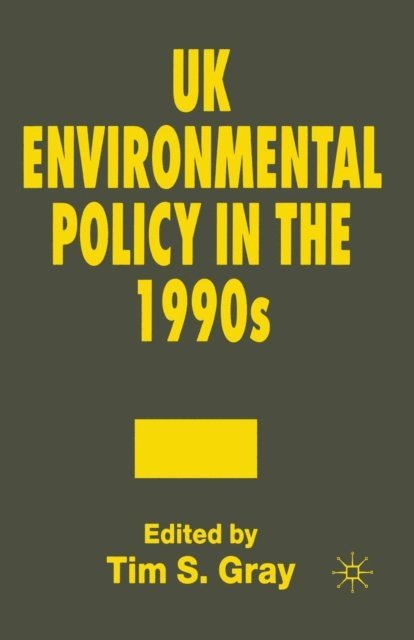
UK Environmental Policy in the 1990s
Av Dave Gray, Tim S. Gray
Inbunden, 1995
1095 kr
Lägg i varukorg
The central controversy running through this book is whether Mrs Thatcher's famous 'green' speeches of 1988 marked a fundamental shift by the Conservative Government towards environmentalism, or whether they were merely political rhetoric, designed to rule out a temporary surge of popular support …
UK Environmental Policy in the 1990s
Av Tim S. Gray
Häftad, 1995
1095 kr
Lägg i varukorg
The central controversy running through this book is whether Mrs Thatcher's famous 'green' speeches of 1988 marked a fundamental shift by the Conservative Government towards environmentalism, or whether they were merely political rhetoric, designed to rule out a temporary surge of popular support …
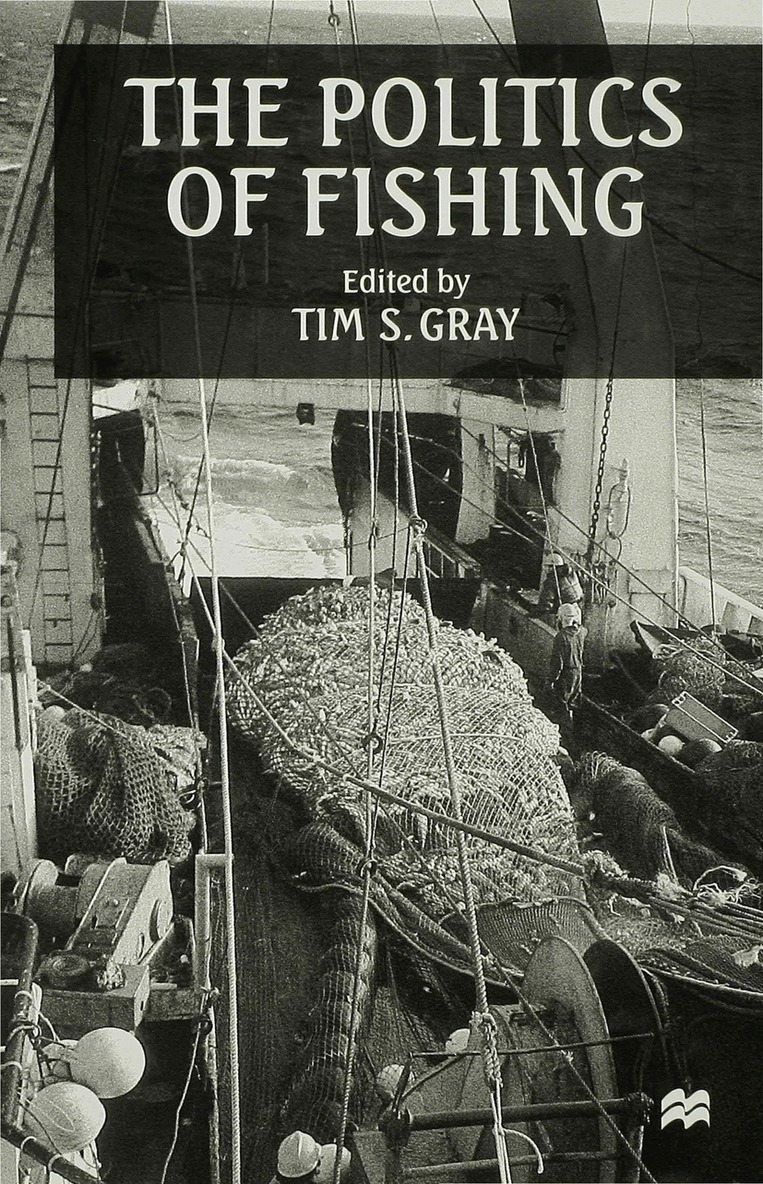
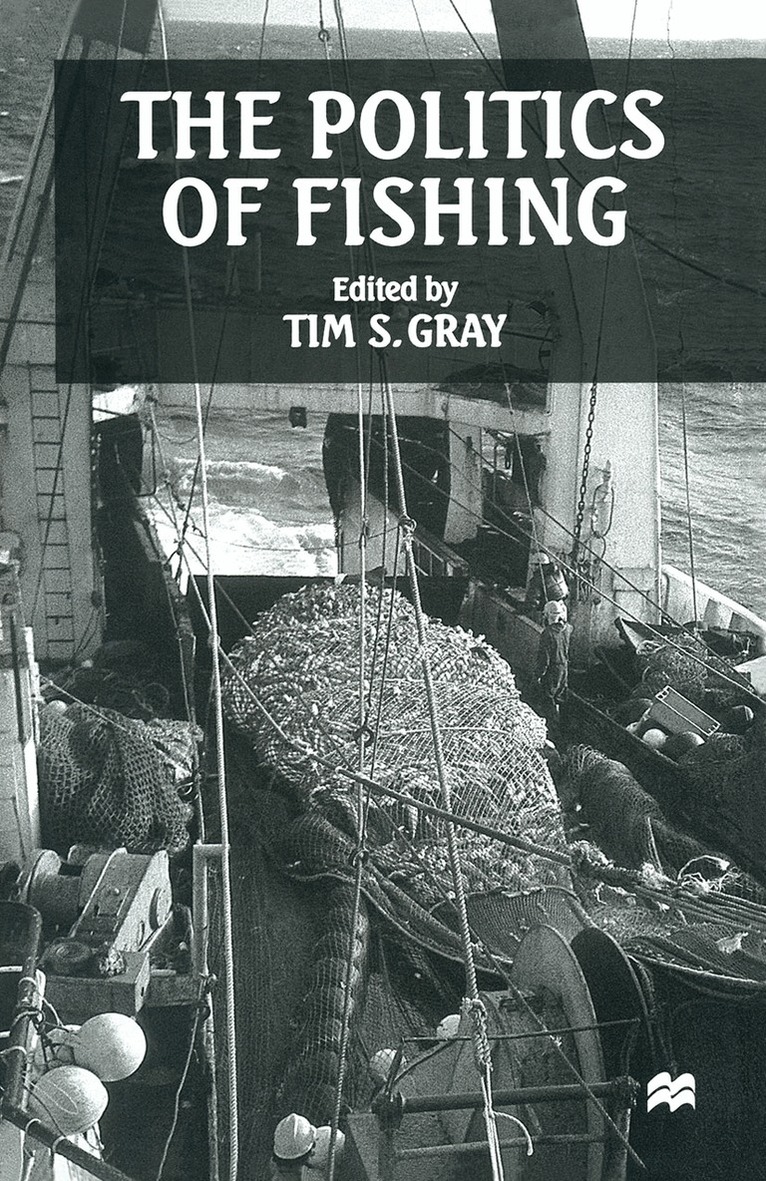
Politics of Fishing
Av Tim S. Gray
Inbunden, 1998
1095 kr
Lägg i varukorg
A topical and authoritative examination of the current crisis in the fishing industry, offering a political analysis of the reasons for the crisis and suggesting ways in which this might be overcome. The contributors include fishery officials and scientists as well as academics. The focus is mainly …
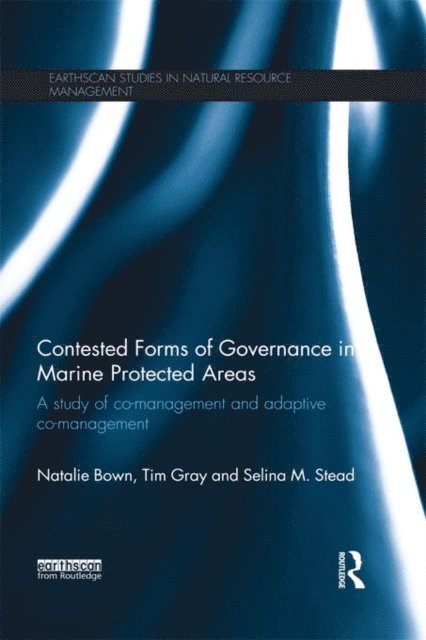
Contested Forms of Governance in Marine Protected Areas
A Study of Co-Management and Adaptive Co-Management
Av Natalie Bown, Tim S. Gray m. fl.
Inbunden, 2012
2512 kr
Lägg i varukorg
In this book, the authors examine the governance of marine protected areas (MPA), and in particular they compare two different forms of governance – co-management (CM) and adaptive co-management (ACM). CM is characterized by the decentralization of the decision-making process, incorporating the …
Contested Forms of Governance in Marine Protected Areas
A Study of Co-Management and Adaptive Co-Management
Av Selina M. Stead, Tim S. Gray m. fl.
E-bok, 2013
953 kr
Lägg i varukorg
In this book, the authors examine the governance of marine protected areas (MPA), and in particular they compare two different forms of governance – co-management (CM) and adaptive co-management (ACM). CM is characterized by the decentralization of the decision-making process, incorporating the …
Contested Forms of Governance in Marine Protected Areas
A Study of Co-Management and Adaptive Co-Management
Av Selina M. Stead, Tim S. Gray m. fl.
E-bok, 2013
922 kr
Lägg i varukorg
In this book, the authors examine the governance of marine protected areas (MPA), and in particular they compare two different forms of governance – co-management (CM) and adaptive co-management (ACM). CM is characterized by the decentralization of the decision-making process, incorporating the …
Contested Forms of Governance in Marine Protected Areas
A Study of Co-Management and Adaptive Co-Management
Av Natalie Bown, Tim S. Gray m. fl.
Häftad, 2017
805 kr
Lägg i varukorg
In this book, the authors examine the governance of marine protected areas (MPA), and in particular they compare two different forms of governance – co-management (CM) and adaptive co-management (ACM). CM is characterized by the decentralization of the decision-making process, incorporating the …
UK Environmental Policy in the 1990s
Av Tim S. Gray
E-bok, 2016
1550 kr
Lägg i varukorg
The central controversy running through this book is whether Mrs Thatcher''s famous ''green'' speeches of 1988 marked a fundamental shift by the Conservative Government towards environmentalism, or whether they were merely political rhetoric, designed to rule out a temporary surge of popular …
Politics of Fishing
Av Tim S. Gray
E-bok, 2016
1516 kr
Lägg i varukorg
A topical and authoritative examination of the current crisis in the fishing industry, offering a political analysis of the reasons for the crisis and suggesting ways in which this might be overcome. The contributors include fishery officials and scientists as well as academics. The focus is mainly …
Politics of Fishing
Av Tim S. Gray
Häftad, 1998
1095 kr
Lägg i varukorg
A topical and authoritative examination of the current crisis in the fishing industry, offering a political analysis of the reasons for the crisis and suggesting ways in which this might be overcome. The contributors include fishery officials and scientists as well as academics. The focus is mainly …
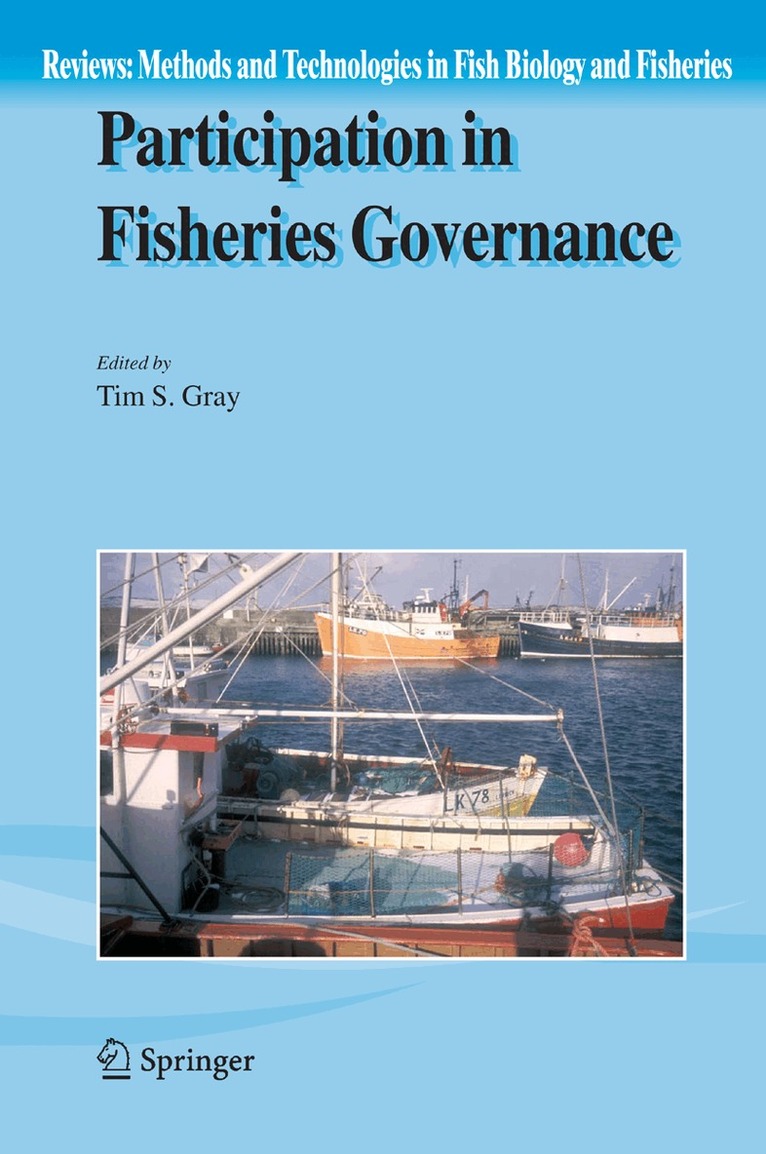
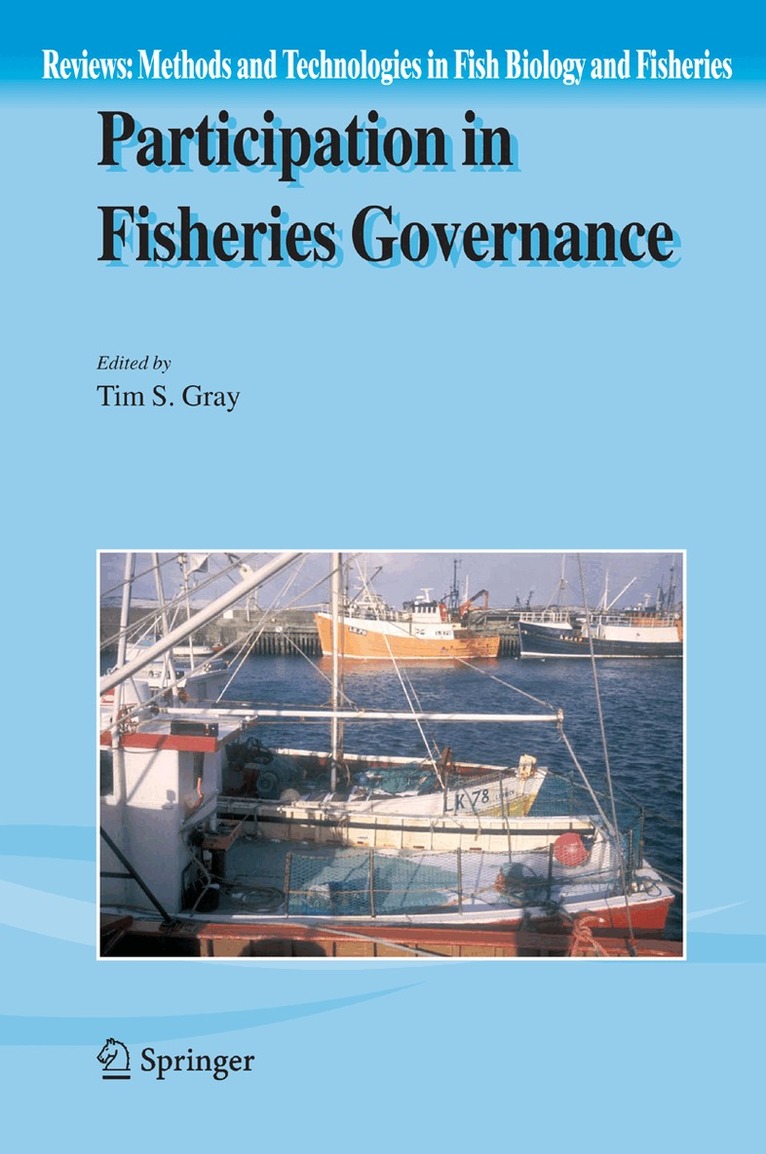
Participation in Fisheries Governance
Av Tim S. Gray
Inbunden, 2006
1639 kr
Lägg i varukorg
The chapters focus on three main themes: first, what value does stakeholder participation bring to fisheries governance? Its advocates claim that participation improves the quality of decision-making; resolves conflicts; and increases compliance with regulations. On the other hand, critics argue …
Participation in Fisheries Governance
Av Tim S. Gray
E-bok, 2006
2111 kr
Lägg i varukorg
The chapters focus on three main themes: first, what value does stakeholder participation bring to fisheries governance? Its advocates claim that participation improves the quality of decision-making; resolves conflicts; and increases compliance with regulations. On the other hand, critics argue …
Participation in Fisheries Governance
Av Tim S. Gray
Häftad, 2010
1639 kr
Lägg i varukorg
The chapters focus on three main themes: first, what value does stakeholder participation bring to fisheries governance? Its advocates claim that participation improves the quality of decision-making; resolves conflicts; and increases compliance with regulations. On the other hand, critics argue …