Timothy Kellison - Böcker
Visar alla böcker från författaren Timothy Kellison. Handla med fri frakt och snabb leverans.
6 produkter
6 produkter
3 109 kr
Skickas inom 10-15 vardagar
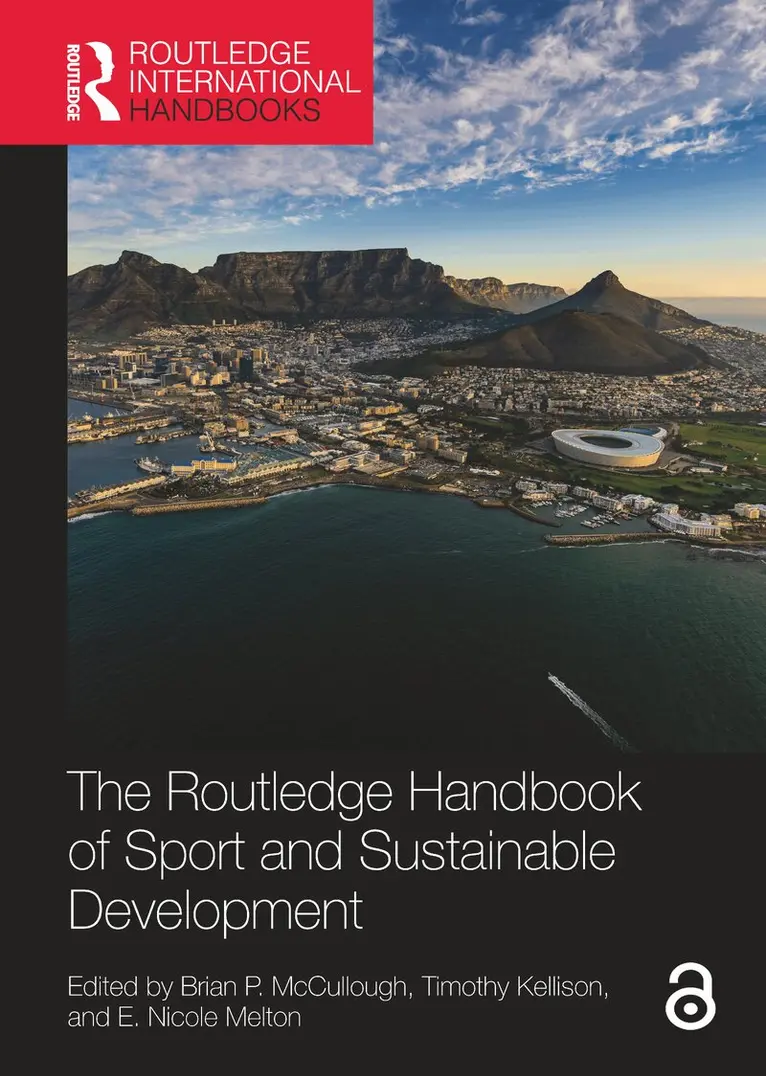
The Routledge Handbook of Sport and Sustainable Development is a comprehensive and powerful survey of the ways in which sport engages with its social, environmental, and ethical responsibilities.It considers how sport can use its unique profile and platform to influence the attitudes of sport fans and consumers to promote positive social and environmental action around the world and to contribute to sustainable development, perhaps the most important issue of our time. The book is structured around the 17 UN Sustainable Development Goals, with a section devoted to each goal that contains chapters reviewing key theory and current research, measurement and evaluation issues, and the application of current knowledge in real-world development situations. Drawing on research and expertise from management, sociology, development studies, psychology, and other disciplines, the book examines the role that sport must play in areas such as health and well-being, poverty, education, gender equality, decent work, responsible consumption, and climate action.Representing a keynote work on the wider social responsibilities of sport as both an industry and sociocultural activity, this is essential reading for any advanced student or researcher working in sport development, sport management, sport sociology, event studies, development studies, or environmental studies, and for any development practitioner or sport management professional looking to understand how to achieve positive social change in and through sport.The Open Access version of this book, available at http://www.taylorfrancis.com, has been made available under a Creative Commons Attribution-Non Commercial-No Derivatives (CC-BY-NC-ND) 4.0 license.
687 kr
Skickas inom 10-15 vardagar
The Routledge Handbook of Sport and Sustainable Development is a comprehensive and powerful survey of the ways in which sport engages with its social, environmental, and ethical responsibilities.It considers how sport can use its unique profile and platform to influence the attitudes of sport fans and consumers to promote positive social and environmental action around the world and to contribute to sustainable development, perhaps the most important issue of our time. The book is structured around the 17 UN Sustainable Development Goals, with a section devoted to each goal that contains chapters reviewing key theory and current research, measurement and evaluation issues, and the application of current knowledge in real-world development situations. Drawing on research and expertise from management, sociology, development studies, psychology, and other disciplines, the book examines the role that sport must play in areas such as health and well-being, poverty, education, gender equality, decent work, responsible consumption, and climate action.Representing a keynote work on the wider social responsibilities of sport as both an industry and sociocultural activity, this is essential reading for any advanced student or researcher working in sport development, sport management, sport sociology, event studies, development studies, or environmental studies, and for any development practitioner or sport management professional looking to understand how to achieve positive social change in and through sport.The Open Access version of this book, available at http://www.taylorfrancis.com, has been made available under a Creative Commons Attribution-Non Commercial-No Derivatives (CC-BY-NC-ND) 4.0 license.
1 895 kr
Skickas inom 10-15 vardagar
This book explores the local environmental impact of sports stadiums, and how that impact can disproportionately affect communities of color. Offering a series of review articles and global case studies, it illustrates what happens when sport organizations and other public and private stakeholders fail to factor environmental justice into their planning and operations processes.It opens with an historical account of environmental justice research and of research into sport and the natural environment. It then offers a series of case studies from around the world, including the United States, Canada, Kenya, South Africa, and Taiwan. These case studies are organized around key elements of environmental justice such as water and air pollution, displacement and gentrification, soil contamination, and transportation accessibility. They illustrate how major sports stadiums have contributed positively or negatively (or both) to the environmental health of the compact neighborhoods that surround them, to citizens’ quality of life, and in particular to communities that have historically been subjected to unjust and inequitable environmental policy. Placing the issue of environmental justice front and center leads to a more complete understanding of the relationship between stadiums, the natural environment, and urban communities.Presenting new research with important implications for practice, this book is vital reading for anybody working in sport management, venue management, mega-event planning, environmental studies, sociology, geography, and urban and regional planning.The Open Access version of this book, available at www.taylorfrancis.com, has been made available under a Creative Commons Attribution-Non Commercial-No Derivatives 4.0 license.
552 kr
Skickas inom 10-15 vardagar
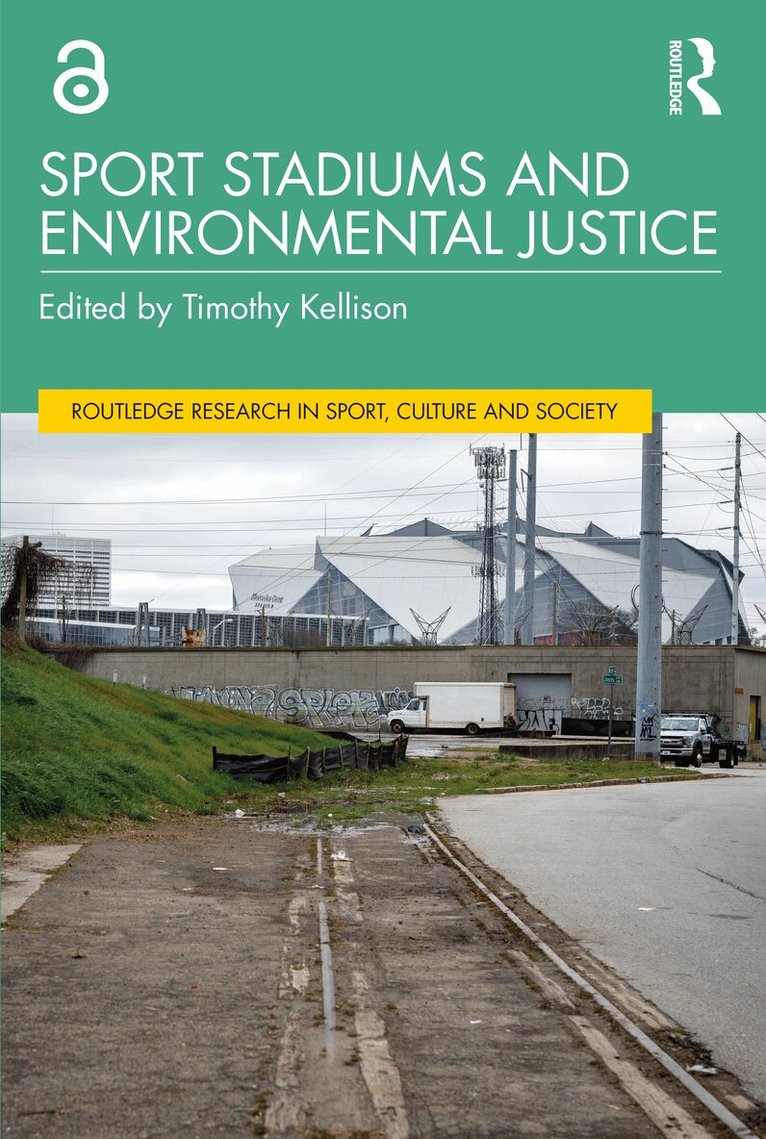
This book explores the local environmental impact of sports stadiums, and how that impact can disproportionately affect communities of color. Offering a series of review articles and global case studies, it illustrates what happens when sport organizations and other public and private stakeholders fail to factor environmental justice into their planning and operations processes.It opens with an historical account of environmental justice research and of research into sport and the natural environment. It then offers a series of case studies from around the world, including the United States, Canada, Kenya, South Africa, and Taiwan. These case studies are organized around key elements of environmental justice such as water and air pollution, displacement and gentrification, soil contamination, and transportation accessibility. They illustrate how major sports stadiums have contributed positively or negatively (or both) to the environmental health of the compact neighborhoods that surround them, to citizens’ quality of life, and in particular to communities that have historically been subjected to unjust and inequitable environmental policy. Placing the issue of environmental justice front and center leads to a more complete understanding of the relationship between stadiums, the natural environment, and urban communities.Presenting new research with important implications for practice, this book is vital reading for anybody working in sport management, venue management, mega-event planning, environmental studies, sociology, geography, and urban and regional planning.The Open Access version of this book, available at www.taylorfrancis.com, has been made available under a Creative Commons Attribution-Non Commercial-No Derivatives 4.0 license.
736 kr
Skickas inom 10-15 vardagar
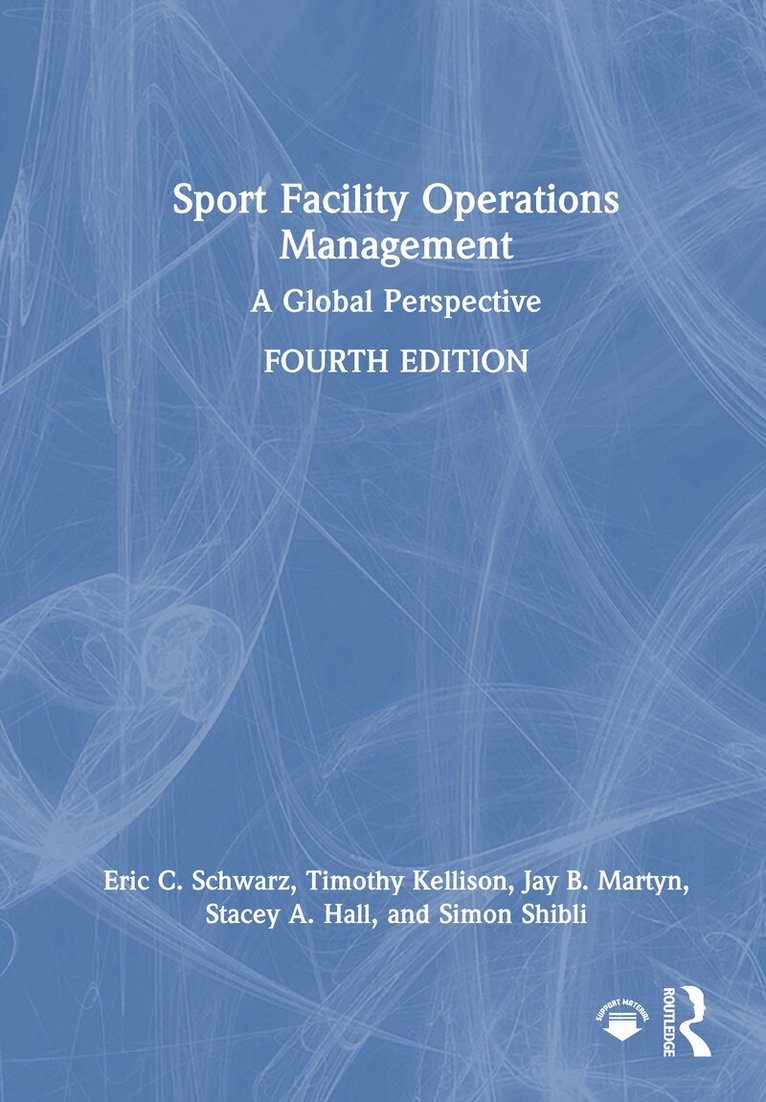
Now in a fully revised and updated fourth edition, Sport Facility Operations Management goes beyond the basic theories of sport facility management to examine the practical realities connecting facilities, people, and technology.An essential textbook for any sport facilities course, it introduces the fundamentals of facility management and presents cutting-edge, evidence-based perspectives that show the reader how to become a more effective practitioner and deliver better results for their organization. Every chapter includes in-depth case studies to illustrate best practice, as well as ‘Technology Now,’ ‘Facility Focus,’ and ‘In the Field’ features to highlight key points. This new edition includes expanded coverage of important themes in contemporary sport facilities operations management, including cybersecurity, the use of AI, data analytics, sustainability, and the politics of event bidding and facility financing, as well as a brand-new chapter on how to build and develop a career in sport facilities management.This book is an invaluable course text for sport management educators and students, especially those studying facility management. It is also useful reading for industry professionals working in sport facility management, from grassroots and community complexes to global mega stadiums and arenas.Ancillary materials accompanying this book include PowerPoint presentations for each chapter; multiple-choice and essay questions; online appendices with diagrams, schematics, manuals, and forms; a glossary; and a sample master syllabus.
2 160 kr
Skickas inom 10-15 vardagar
Now in a fully revised and updated fourth edition, Sport Facility Operations Management goes beyond the basic theories of sport facility management to examine the practical realities connecting facilities, people, and technology.An essential textbook for any sport facilities course, it introduces the fundamentals of facility management and presents cutting-edge, evidence-based perspectives that show the reader how to become a more effective practitioner and deliver better results for their organization. Every chapter includes in-depth case studies to illustrate best practice, as well as ‘Technology Now,’ ‘Facility Focus,’ and ‘In the Field’ features to highlight key points. This new edition includes expanded coverage of important themes in contemporary sport facilities operations management, including cybersecurity, the use of AI, data analytics, sustainability, and the politics of event bidding and facility financing, as well as a brand-new chapter on how to build and develop a career in sport facilities management.This book is an invaluable course text for sport management educators and students, especially those studying facility management. It is also useful reading for industry professionals working in sport facility management, from grassroots and community complexes to global mega stadiums and arenas.Ancillary materials accompanying this book include PowerPoint presentations for each chapter; multiple-choice and essay questions; online appendices with diagrams, schematics, manuals, and forms; a glossary; and a sample master syllabus.