Tinuade Adekunbi Ojo – författare
2 038 kr
Skickas inom 10-15 vardagar
651 kr
Skickas inom 10-15 vardagar
736 kr
Läs direkt efter köp
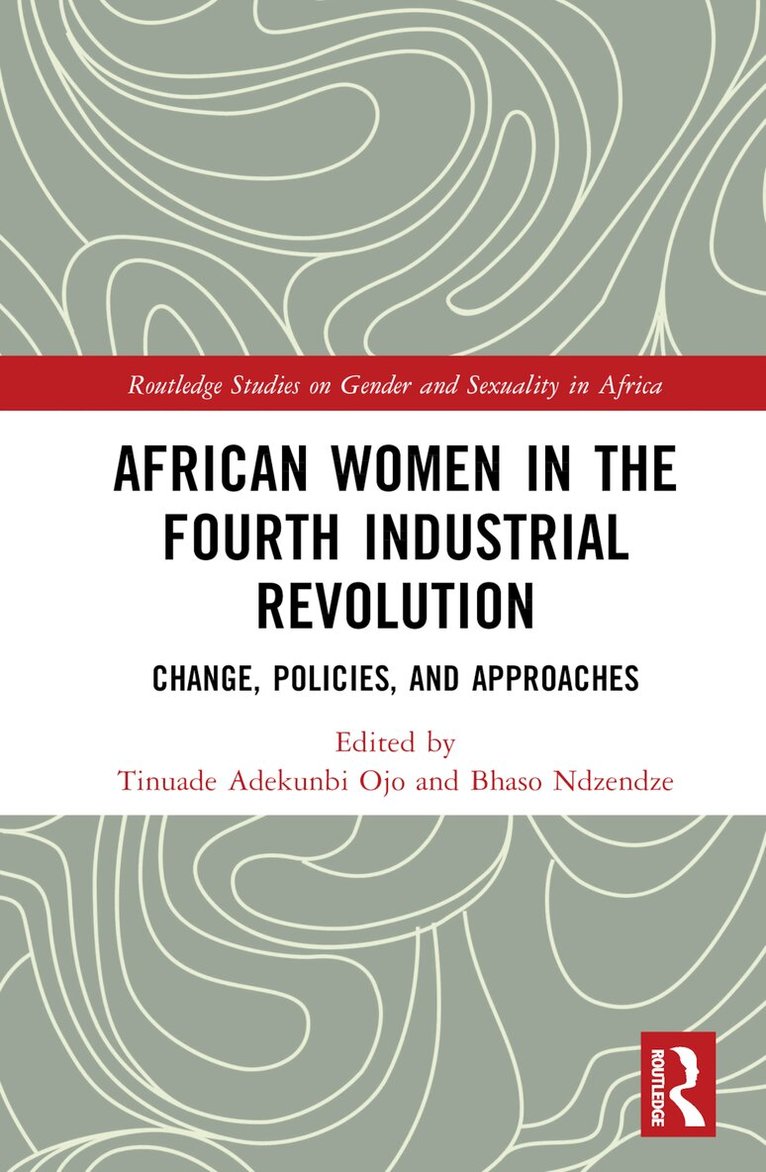
This book investigates how women in Africa are being impacted by the Fourth Industrial Revolution, which describes the twenty-first-century proliferation of mobile internet, machine learning and artificial intelligence.
The move towards digitalization brings fundamental changes in the way people work, live and generally relate to each other. However, in many areas of Africa, women face digital inclusion challenges, and their lack of access to the internet limits their social, political and economic participation in globalization. This book considers the different policy approaches taken in African countries, and their preparedness for enabling women’s participation in the Fourth Industrial Revolution, across a range of sectors.By diiscussing key topics such as artificial intelligence, technological adaptation, drones, entrepreneurship, education and financial inclusion, the book identifies positive policy approaches to ensure equitable progress towards the fourth industrial revolution at all structural levels.
Making a powerful case for the benefits of inclusive digital innovation, this book will be of interest to researchers of women and technology in Africa.
736 kr
Läs direkt efter köp
This book investigates how women in Africa are being impacted by the Fourth Industrial Revolution, which describes the twenty-first-century proliferation of mobile internet, machine learning and artificial intelligence.
The move towards digitalization brings fundamental changes in the way people work, live and generally relate to each other. However, in many areas of Africa, women face digital inclusion challenges, and their lack of access to the internet limits their social, political and economic participation in globalization. This book considers the different policy approaches taken in African countries, and their preparedness for enabling women’s participation in the Fourth Industrial Revolution, across a range of sectors.By diiscussing key topics such as artificial intelligence, technological adaptation, drones, entrepreneurship, education and financial inclusion, the book identifies positive policy approaches to ensure equitable progress towards the fourth industrial revolution at all structural levels.
Making a powerful case for the benefits of inclusive digital innovation, this book will be of interest to researchers of women and technology in Africa.
2 225 kr
Kommande
1 152 kr
Kommande
1 524 kr
Skickas inom 10-15 vardagar
1 825 kr
Läs direkt efter köp
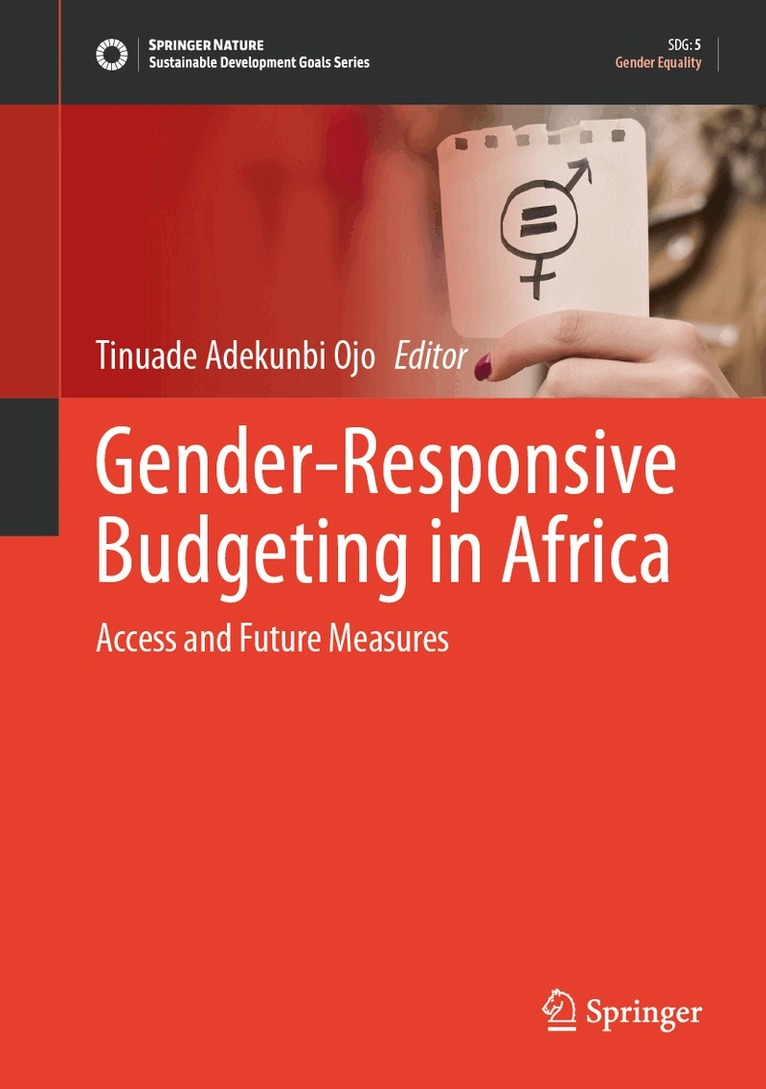
Africa is the leading region in the world in the expansion of mobile money transactions, according to Global Findex. The book presents several significant themes and African states'' efforts to address the political and economic factors influencing budget allocation to women-oriented programmes and projects in African communities. The book further investigates the impact of gender-responsive budgeting on women''s empowerment and gender equality in these communities. The findings intend to analyse the effectiveness of the countries'' approaches and share lessons that different African economies, whether currently booming or struggling, can enhance or implement toward gender budgeting response at all structural levels.
Gender budgeting is an important tool in response to the growth and development of the economy. The themes identified will guide gender budgeting response, and how gender is incorporated into these approaches (if at all). The main objective of this volumeis to understand different processes of gender budgeting in response to gender issues at a national level. And to help encourage reflection on what lessons could be learnt between states and what factors cause divergence in multilateral settings so that they can be understood and hopefully addressed.
1 524 kr
Skickas inom 10-15 vardagar
1 524 kr
Skickas inom 10-15 vardagar
1 832 kr
Läs direkt efter köp
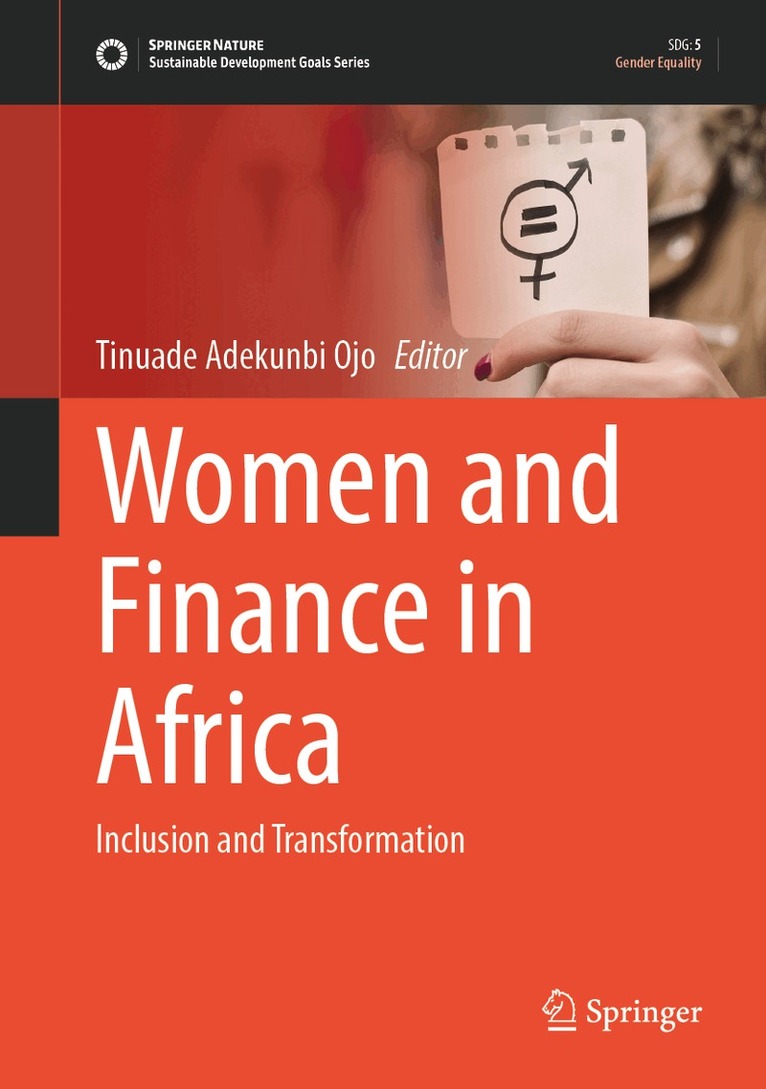
This volume presents a collection of cases that examine the status of financial inclusion for women across a variety of states in the African continent. The book uses a qualitative research method and presents both primary to secondary data to narrate the impact of gender-responsive budgeting on women''s empowerment and gender equality in these communities. The chapters present the analysis of the effectiveness of African state’ approaches and share lessons that different African economies, whether currently booming or struggling, can enhance or implement toward the financial inclusion and gender budgeting response at all structural levels. The main objectives of this volume are to understand different processes for financial inclusion to gender issues at a national level and to help encourage reflection on what lessons could be learned between states and what factors cause divergence in multilateral settings so that they can be understood and addressed.
1 524 kr
Skickas inom 10-15 vardagar
1 570 kr
Skickas inom 10-15 vardagar
1 879 kr
Läs direkt efter köp
1 684 kr
Kommande
1 416 kr
Skickas inom 10-15 vardagar
1 672 kr
Läs direkt efter köp
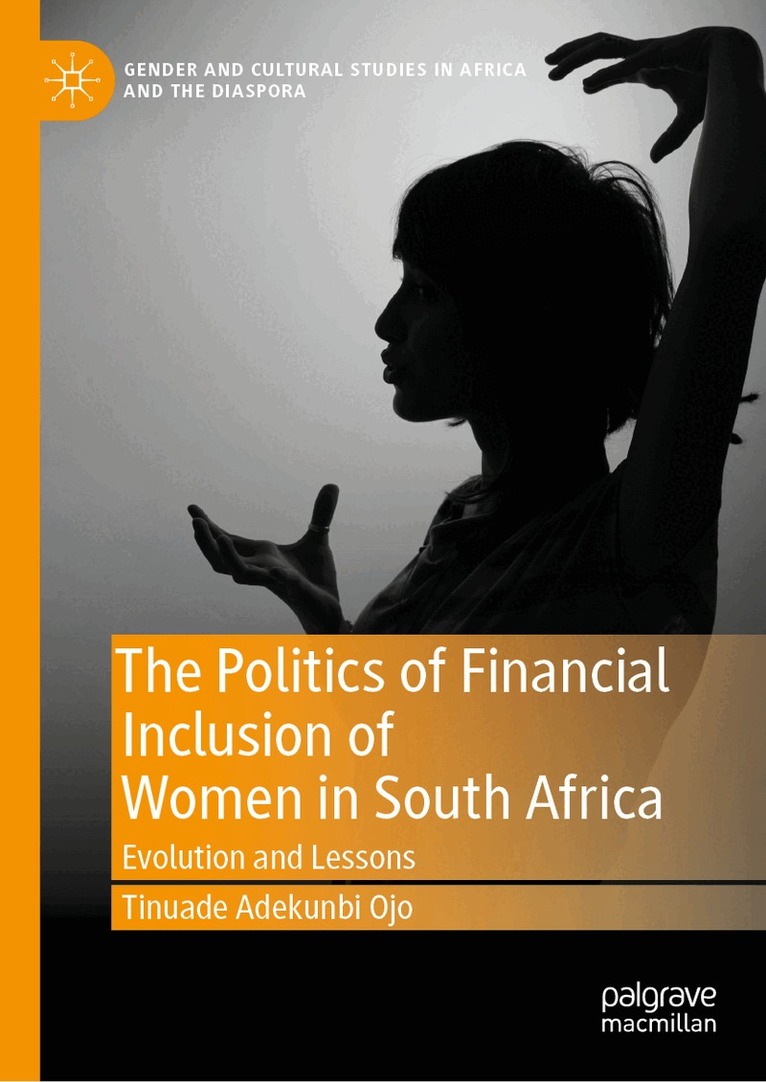
This book presents the assumptions, narratives, and institutions that underpin the key concepts and investigates the limits and potential of financial inclusion development strategy for gender equality. Using South Africa’s women entrepreneurs as a central case, the book interrogates the logic and politics of financial inclusion and gender equality globally and locally. It also examines conditions that explain financial inclusion and women’s empowerment concerning women-owned businesses in post-apartheid South Africa. Finally, it presents a debate on the socio-economic factors enabling and limiting women’s access to and using financial products to improve their socio-economic empowerment and the future suggestions, policies and recommendations on financial inclusion for women entrepreneurs in South Africa.
625 kr
Skickas inom 5-8 vardagar
1 778 kr
Kommande