Bhaso Ndzendze – författare
198 kr
Skickas inom 3-6 vardagar
2 038 kr
Skickas inom 10-15 vardagar
651 kr
Skickas inom 10-15 vardagar
736 kr
Läs direkt efter köp
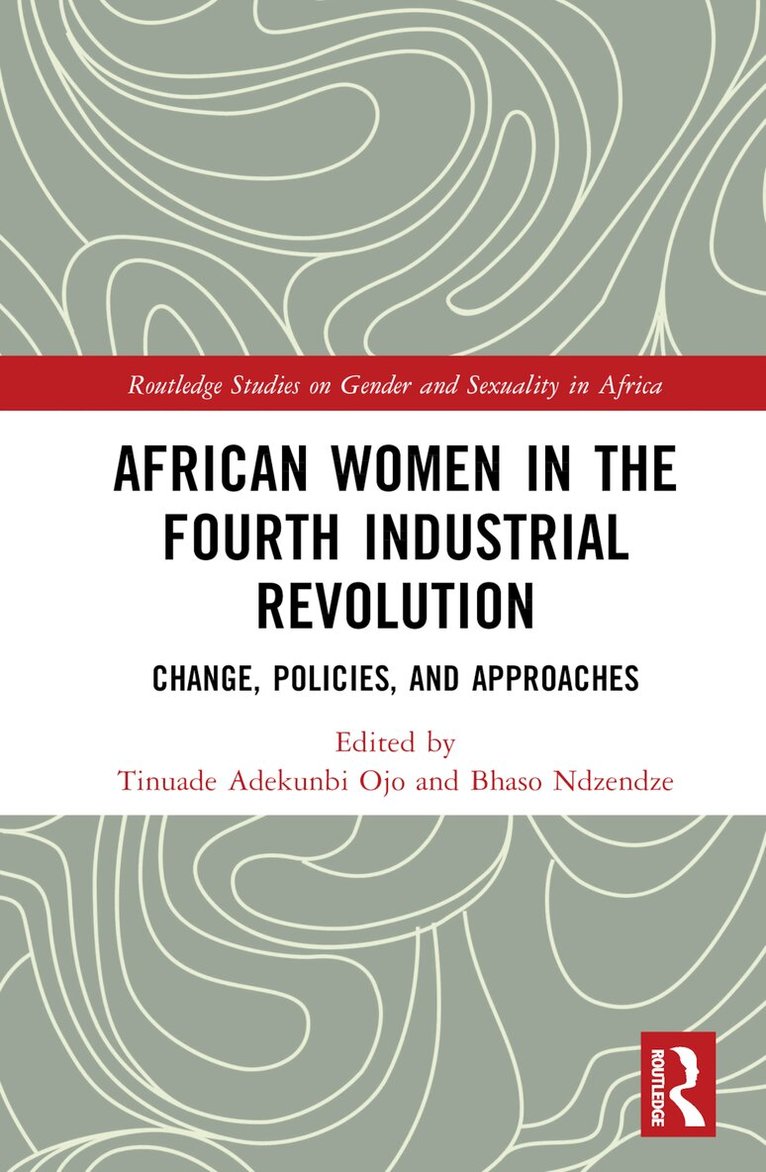
This book investigates how women in Africa are being impacted by the Fourth Industrial Revolution, which describes the twenty-first-century proliferation of mobile internet, machine learning and artificial intelligence.
The move towards digitalization brings fundamental changes in the way people work, live and generally relate to each other. However, in many areas of Africa, women face digital inclusion challenges, and their lack of access to the internet limits their social, political and economic participation in globalization. This book considers the different policy approaches taken in African countries, and their preparedness for enabling women’s participation in the Fourth Industrial Revolution, across a range of sectors.By diiscussing key topics such as artificial intelligence, technological adaptation, drones, entrepreneurship, education and financial inclusion, the book identifies positive policy approaches to ensure equitable progress towards the fourth industrial revolution at all structural levels.
Making a powerful case for the benefits of inclusive digital innovation, this book will be of interest to researchers of women and technology in Africa.
736 kr
Läs direkt efter köp
This book investigates how women in Africa are being impacted by the Fourth Industrial Revolution, which describes the twenty-first-century proliferation of mobile internet, machine learning and artificial intelligence.
The move towards digitalization brings fundamental changes in the way people work, live and generally relate to each other. However, in many areas of Africa, women face digital inclusion challenges, and their lack of access to the internet limits their social, political and economic participation in globalization. This book considers the different policy approaches taken in African countries, and their preparedness for enabling women’s participation in the Fourth Industrial Revolution, across a range of sectors.By diiscussing key topics such as artificial intelligence, technological adaptation, drones, entrepreneurship, education and financial inclusion, the book identifies positive policy approaches to ensure equitable progress towards the fourth industrial revolution at all structural levels.
Making a powerful case for the benefits of inclusive digital innovation, this book will be of interest to researchers of women and technology in Africa.
1 344 kr
Kommande
1 416 kr
Skickas inom 10-15 vardagar
1 519 kr
Läs direkt efter köp
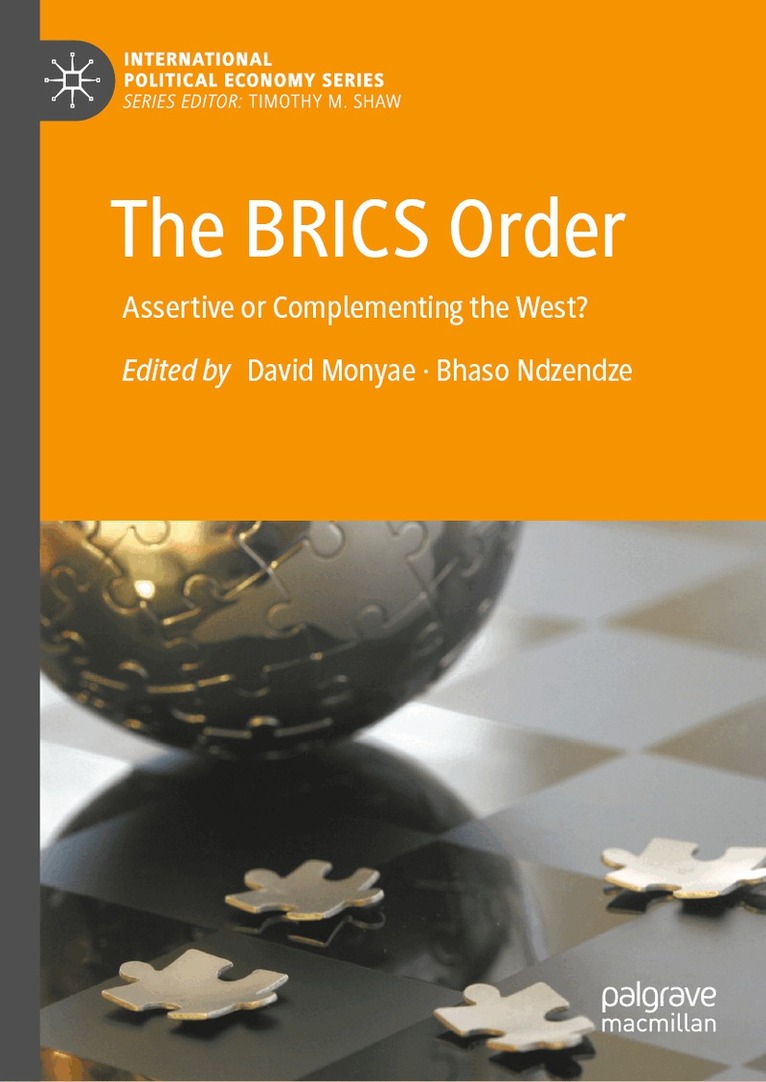
This book examines the direction of the BRICS association. Beginning with historical analyses of the broader Global South and the fundamental composition of the BRICS countries and then moving on to present trends, The BRICS Order evaluates the variables that will influence the association’s future. While the BRICS as a forum emerged as a result of the visible fragmentation of the post-1945 world order, it itself remains dogged by issues emanating from internal divergences among member states and from external factors. The contributors interrogate the extent to which this formation of “emerging economies” is indicative of a challenge to the West, or in fact a complimentary relation. Integral to these studies – which encompass examinations of such diverse areas as governance systems, issues in bilateral relations, security threats, multilateral institution building, the transnational creation and dissemination of knowledge, and technological innovation – are patterns ofconvergence and divergence which render the countries not a formal alliance, but as signifiers of a multilateral future in which the West is itself to become more heterogeneous and thus become occasionally complemented depending on the vacillating consensus within the BRICS association and on the interests of the BRICS countries at different points in time.
1 199 kr
Skickas inom 10-15 vardagar
1 307 kr
Skickas inom 10-15 vardagar
1 672 kr
Läs direkt efter köp
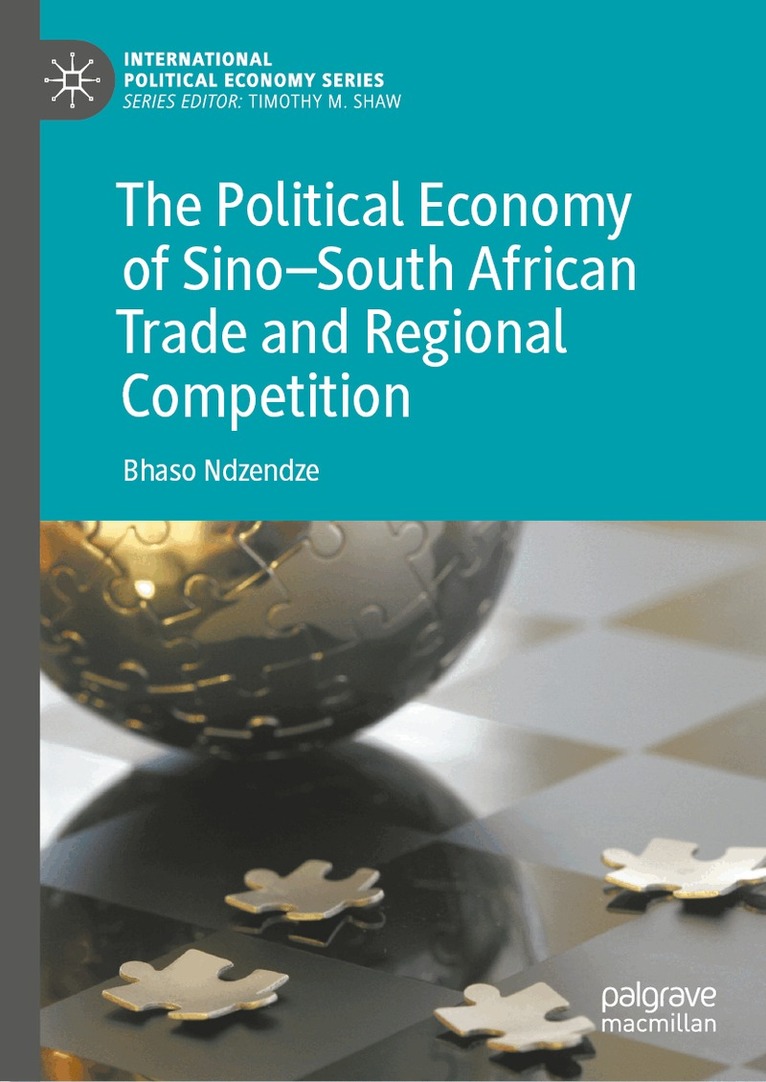
This book comparatively examines the China–South Africa trade relationship over three decades through the prism of four other relationships South Africa has with states that have been China’s most contentious neighbours in the Indo-Pacific (India, Japan, Taiwan and the USA). Asia is widely expected to be the new economic centre of gravity in international relations, particularly for trade. Yet despite the story of growth for both it and its neighbours, China ranks above all these countries in terms of trade partnership with South Africa and a majority of states across the globe. This poses a puzzle answerable only through in-depth analysis. In this way, this pathbreaking new book uses quantitative data to test commonly held assumptions about the ‘new scramble for Africa’ and shines a light on the driving forces, interests and sources of agency in South Africa’s trade and foreign policies over the past three decades. The findings allow for the deduction of general patterns applicableto South Africa and peer economies, some of whom are benchmarked throughout the book for comparative insights.
1 307 kr
Skickas inom 10-15 vardagar
1 307 kr
Skickas inom 10-15 vardagar
1 672 kr
Läs direkt efter köp
1 307 kr
Skickas inom 10-15 vardagar
1 078 kr
Skickas inom 3-6 vardagar
1 524 kr
Skickas inom 10-15 vardagar
1 841 kr
Läs direkt efter köp
This book discusses the impact of artificial intelligence (AI) on international relations theories. As a phenomenon, AI is everywhere in the real world and growing. Through its transformative nature, it is simultaneously simplifying and complicating processes. Importantly, it also overlooks and “misunderstands”. Globally, leaders, diplomats and policymakers have had to familiarise themselves and grapple with concepts such as algorithms, automation, machine learning, and neural networks. These and other features of modern AI are redefining our world, and with it, the long-held assumptions scholars of IR have relied on for their theoretical accounts of our universe.
The book takes a historic, contemporary and long-term approach to explain and anticipate AI’s impact on IR – and vice versa – through a systematic treatment of 9 theoretical paradigms and schools of thought including realism, liberalism, feminism, postcolonial theory and green theory. This book draws on original datasets, innovative empirical case studies and in-depth engagement with the core claims of the traditional and critical theoretical lenses to reignite debates on the nature and patterns of power, ethics, conflict, and systems among states and non-state actors.
625 kr
Skickas inom 5-8 vardagar