TJ Gorton – författare
Visar alla böcker från författaren TJ Gorton. Handla med fri frakt och snabb leverans.
4 produkter
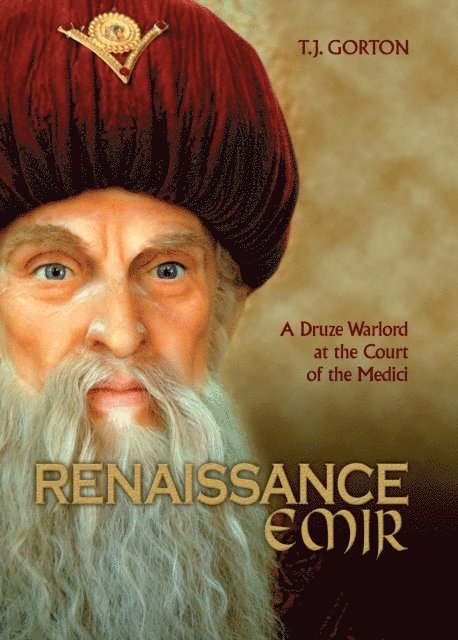
Renaissance Emir
A Druze Warlord at the Court of the Medici
Av T.J. Gorton
E-bok, 2014
199 kr
Lägg i varukorg
A groundbreaking biography of the mysterious Levantine prince Fakr ad-Din. The year is 1613: the Ottoman Empire is at its height, sprawling from Hungary to Iraq, Morocco to Yemen. One man dares to challenge it: the Prince of the mysterious Druze sect in Mount Lebanon, Fakhr ad-Din. Yielding before …
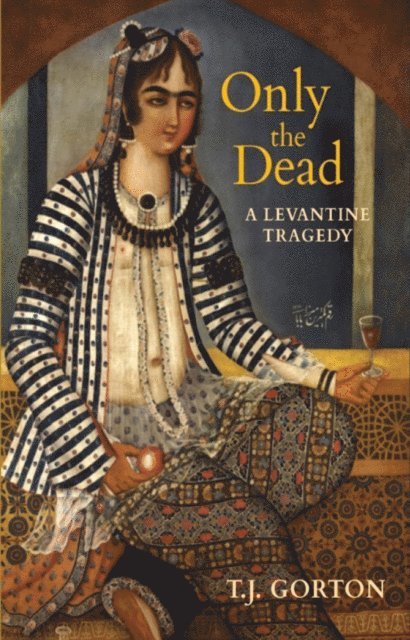
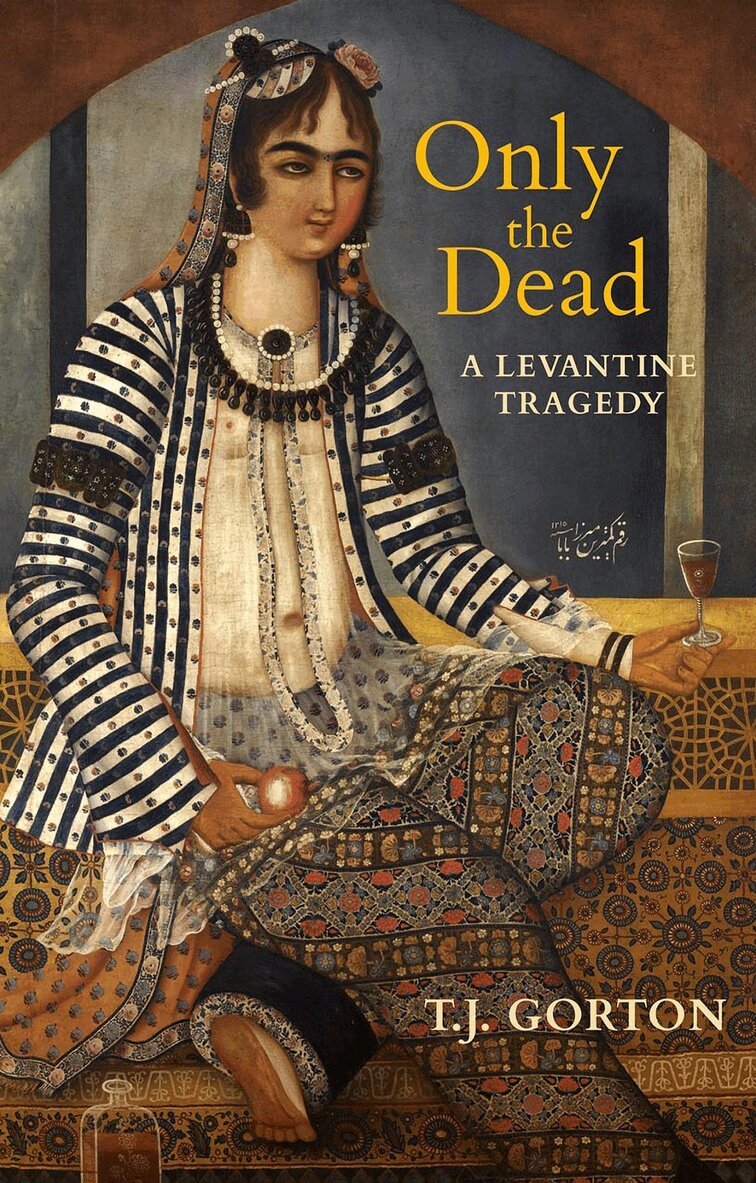
Only the Dead
A Levantine Tragedy
Av T.J. Gorton
Häftad, 2022
187 kr
Lägg i varukorg
As old Vartan sits reading mystical Persian poetry among the dust and disintegration of war-torn Beirut, the fluted pillars of his decaying house weathered in shadows, his thoughts wander back, inevitably, to another conflict, many years before... Only the Dead is the story of Vartan Nakashian, a …
Lebanon
Av Various, T. J. Gorton m. fl.
Häftad, 2009
277 kr
Lägg i varukorg
This book is a record of the people who visited Lebanon from between 1800 BC to the last summer; and of the Lebanese themselves, writing about their homeland, their religions, their joys, their wars and their sorrows. The passages have been selected and presented by Ted Gorton and Andree Feghali …