T.J Millar – författare
Visar alla böcker från författaren . Handla med fri frakt och snabb leverans.
12 produkter
12 produkter
Inbunden, Engelska, 1993
2 634 kr
Skickas inom 10-15 vardagar
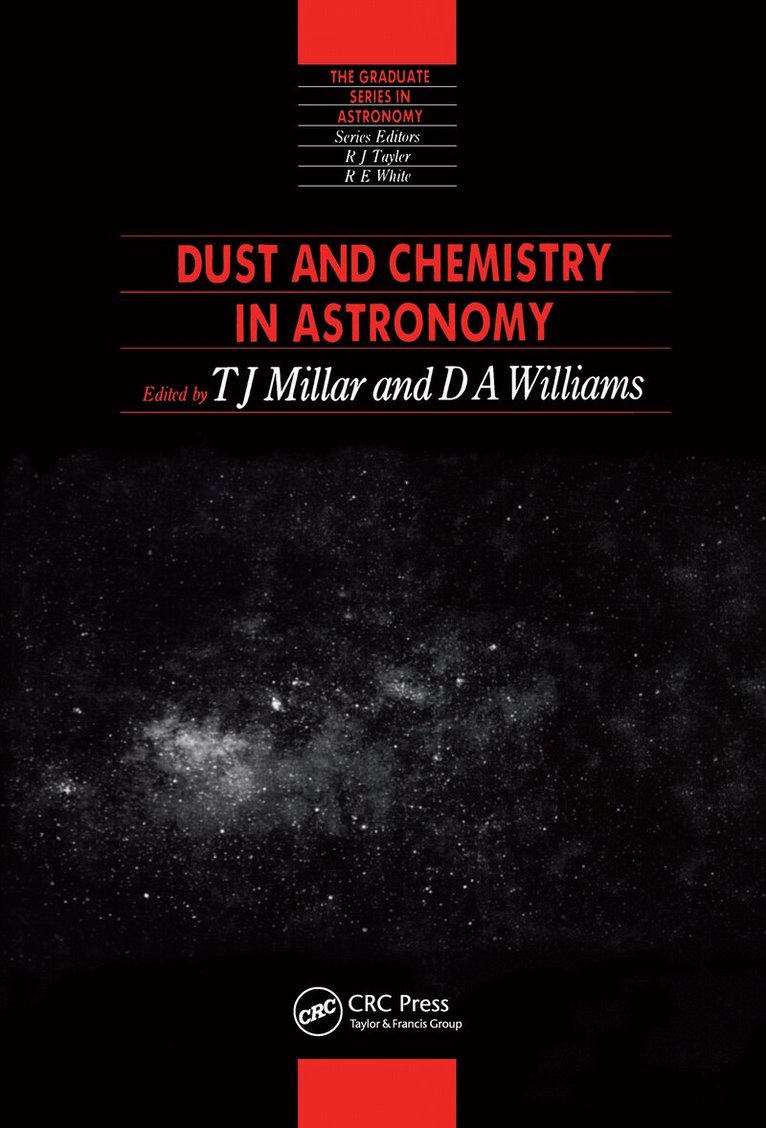
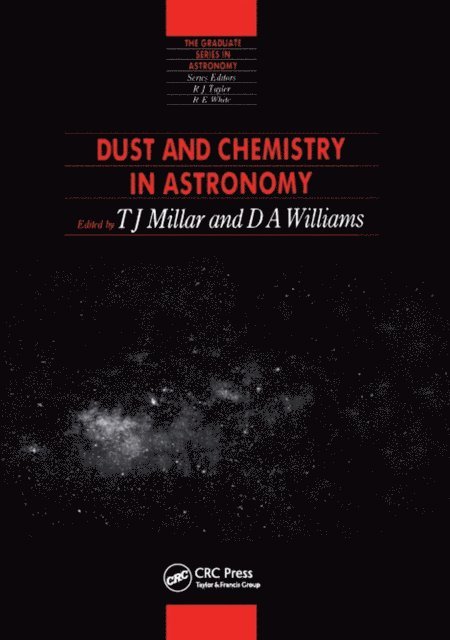
Dust is widespread in the galaxy. To astronomers studying stars it may be just an irritating fog, but it is becoming widely recognized that cosmic dust plays an active role in astrochemistry. Without dust, the galaxy would have evolved differently, and planetary systems like ours would not have occurred.To explore and consolidate this active area of research, Dust and Chemistry in Astronomy covers the role of dust in the formation of molecules in the interstellar medium, with the exception of dust in the solar system. Each chapter provides thorough coverage of our understanding of interstellar dust, particularly its interaction with interstellar gas. Aimed at postgraduate researchers, the book also serves as a thorough review of this significant area of astrophysics for practicing astronomers and graduate students.
Inbunden, Engelska, 1996
1 613 kr
Skickas inom 10-15 vardagar
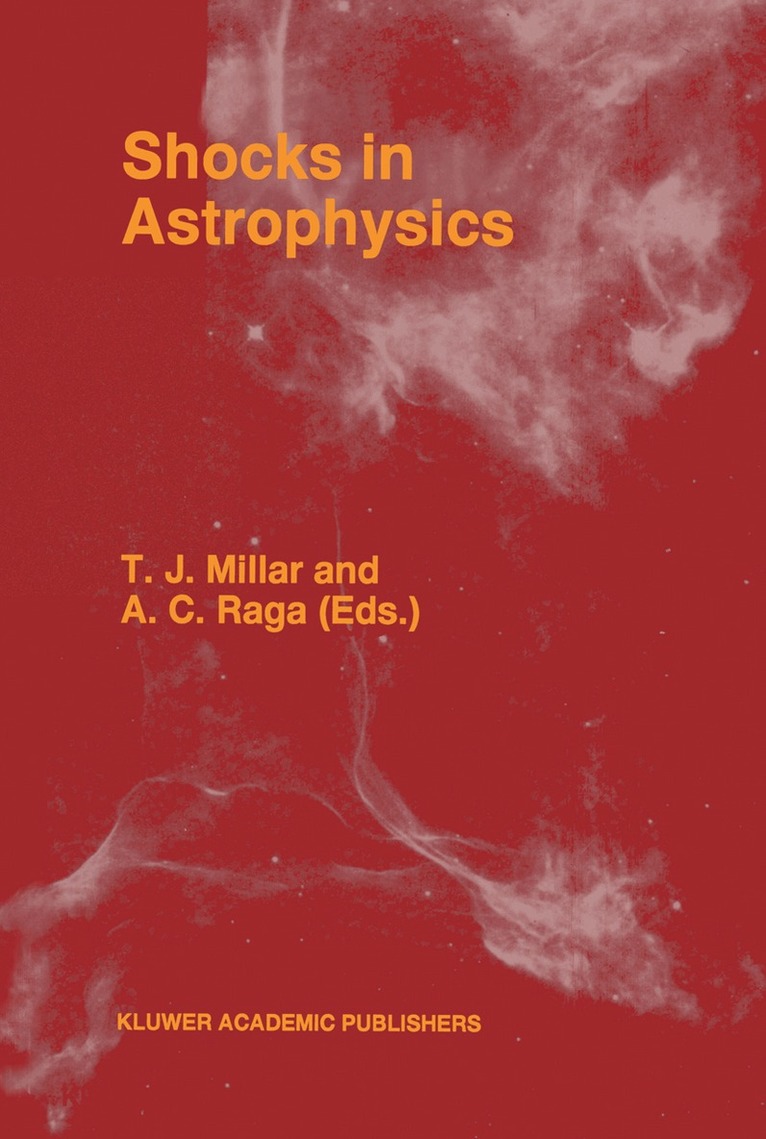
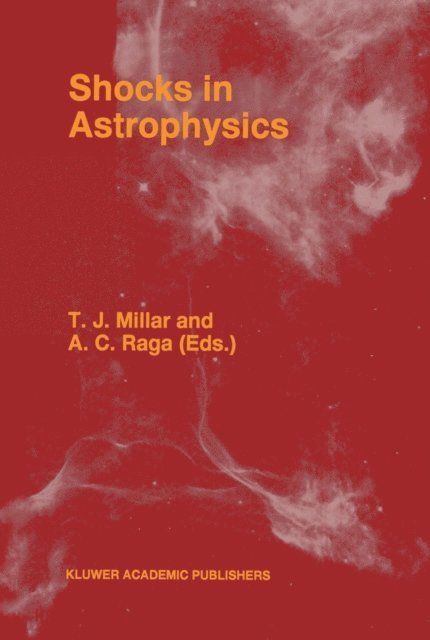
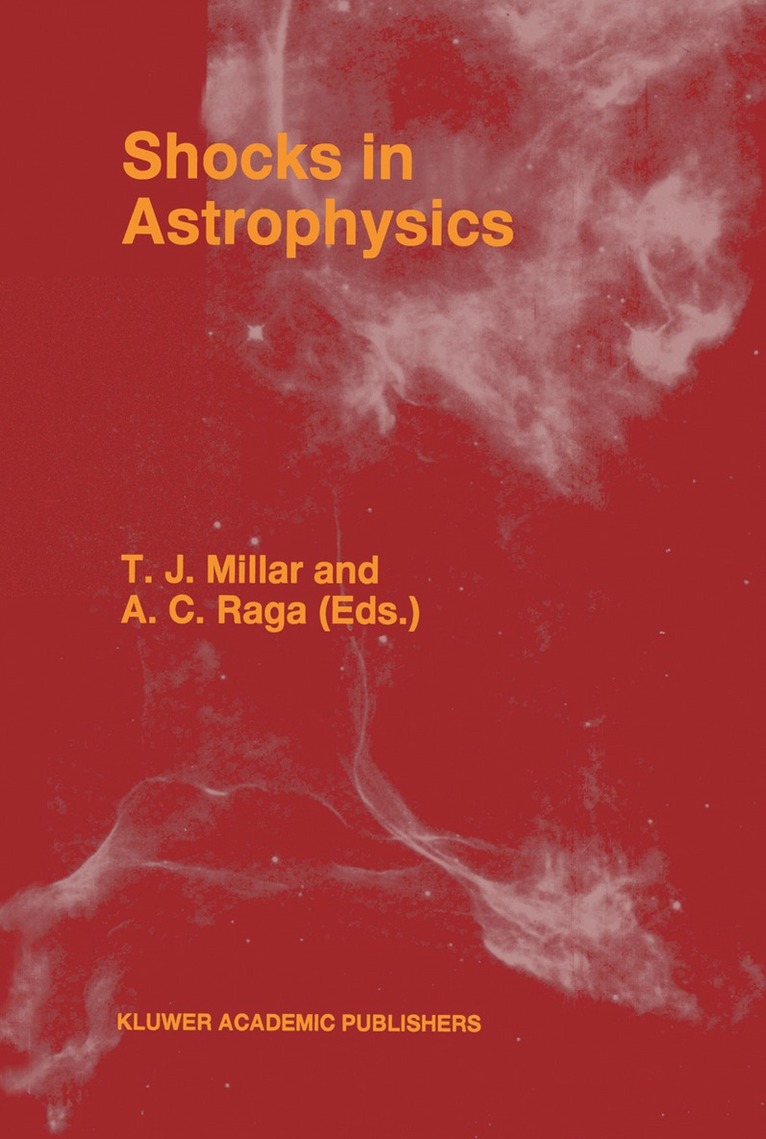
The importance of shock waves in astrophysics has long been recognized by the astrophysical community and their study has developed rapidly, driven by increasingly sensitive observations and significant advances in computer power. Shock waves affect astronomical objects on scales from that of the solar wind-terrestrial environment to stellar jets in molecular clouds, and to galactic-scale events. This volume contains reviews by many of the leading researchers in shock wave astrophysics and covers observational and theoretical studies of shocks in a variety of situations from Herbig-Haro objects to supernova remnants to active galactic nuclei. The reviews are supported by contributed oral and poster papers which discuss a wide variety of observational and theoretical results.
Inbunden, Engelska, 1998
1 613 kr
Skickas inom 10-15 vardagar
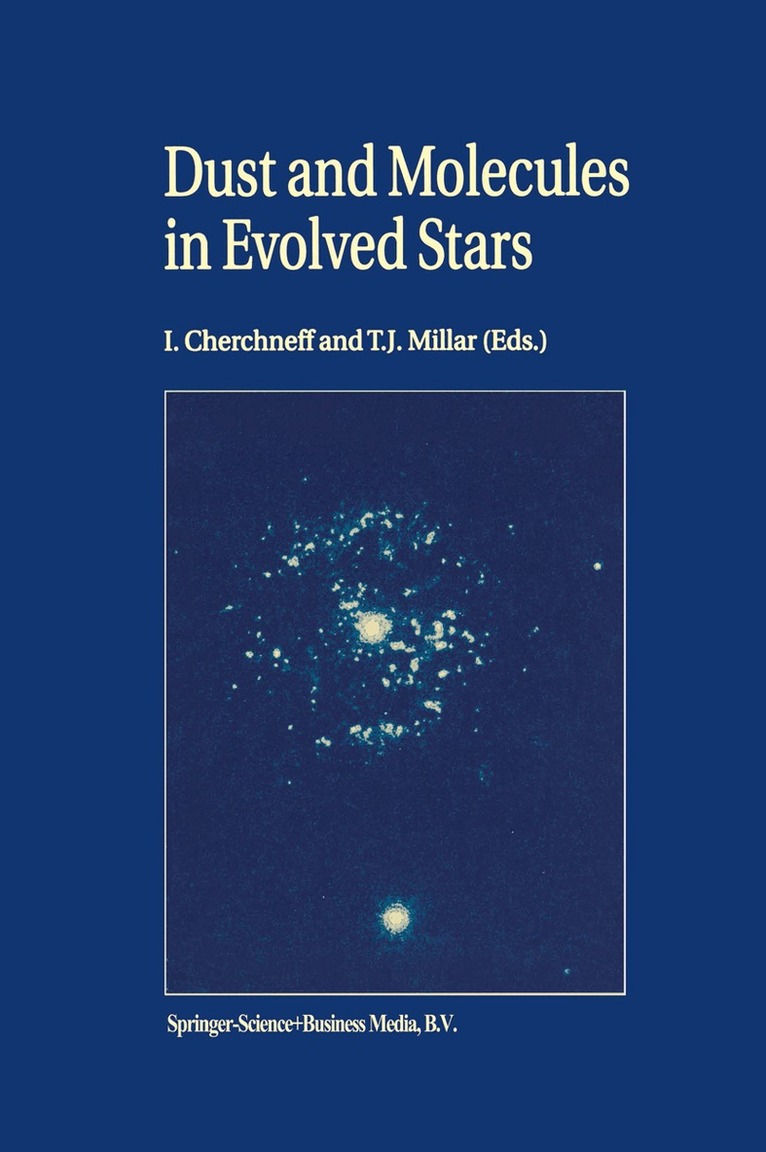
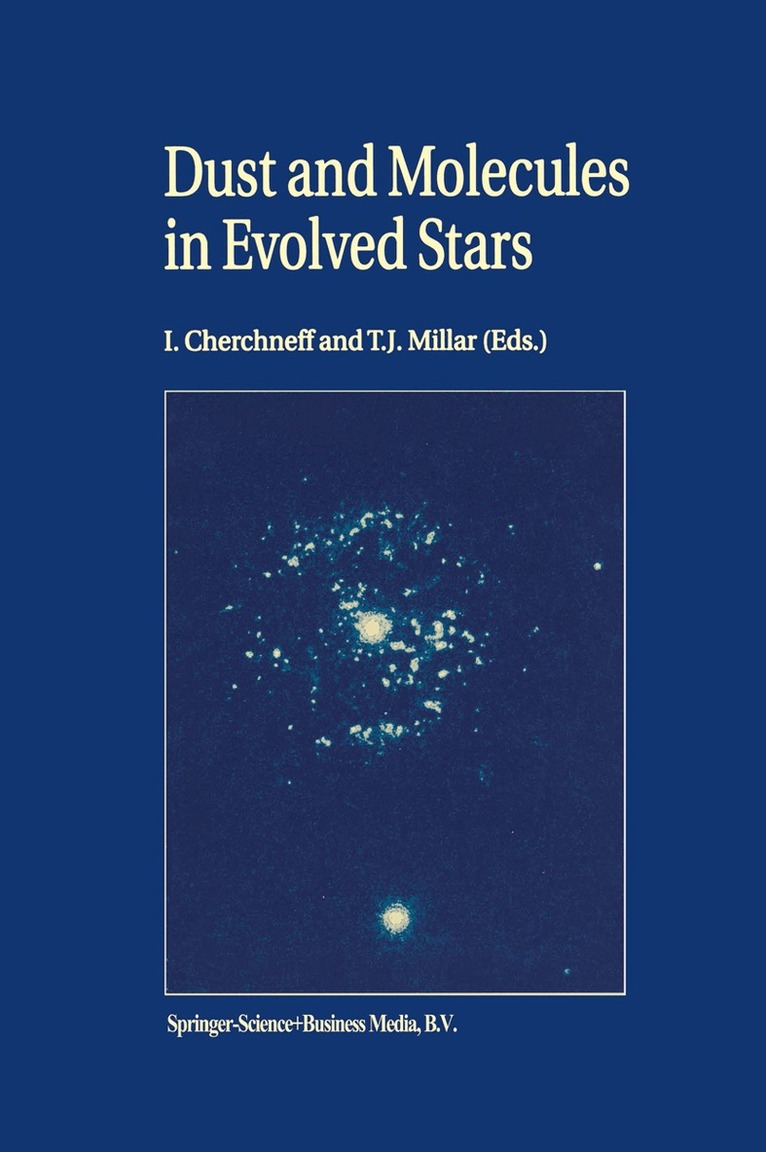
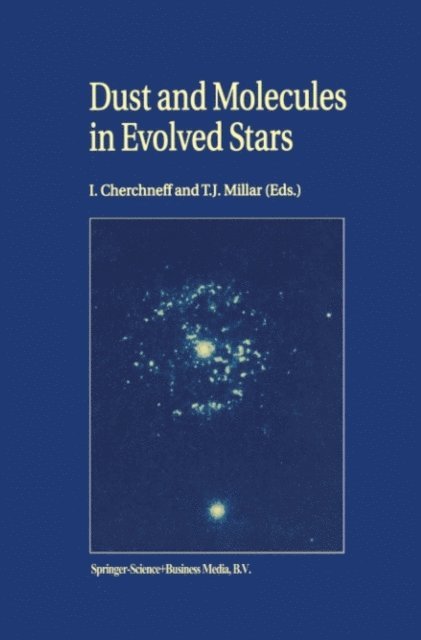
Dust and molecules are found in a large variety of astrophysical environments, in particular in the circumstellar material ejected by evolved stars. This text brings together astronomers and astrophysicists in the field of molecular astrophysics and stellar physics to discuss the important issues of dust and molecular formation, the role of solids in circumstellar environments, molecules as probes of circumstellar parameters, the stellar contribution to the enrichment of the Galaxy, and the latest observational data in various wavelength domains, in particular in the infrared with results from the Infrared Space Observatory. The astrophysical scenarios include late-type stars, novae, Wolf-Rayet stars, Luminous Blue Variables and supernovae. The book should be of interest to researchers and graduate students in the fields of stellar physics, stellar evolution and astrochemistry.
E-bok
Engelska, 20192 976 kr
Läs direkt efter köp
Dust is widespread in the galaxy. To astronomers studying stars it may be just an irritating fog, but it is becoming widely recognized that cosmic dust plays an active role in astrochemistry. Without dust, the galaxy would have evolved differently, and planetary systems like ours would not have occurred.  To explore and consolidate this active area of research, Dust and Chemistry in Astronomy covers the role of dust in the formation of molecules in the interstellar medium, with the exception of dust in the solar system. Each chapter provides thorough coverage of our understanding of interstellar dust, particularly its interaction with interstellar gas. Aimed at postgraduate researchers, the book also serves as a thorough review of this significant area of astrophysics for practicing astronomers and graduate students.
E-bok
PDF, Engelska, 20192 967 kr
Läs direkt efter köp
Dust is widespread in the galaxy. To astronomers studying stars it may be just an irritating fog, but it is becoming widely recognized that cosmic dust plays an active role in astrochemistry. Without dust, the galaxy would have evolved differently, and planetary systems like ours would not have occurred.  To explore and consolidate this active area of research, Dust and Chemistry in Astronomy covers the role of dust in the formation of molecules in the interstellar medium, with the exception of dust in the solar system. Each chapter provides thorough coverage of our understanding of interstellar dust, particularly its interaction with interstellar gas. Aimed at postgraduate researchers, the book also serves as a thorough review of this significant area of astrophysics for practicing astronomers and graduate students.
Inbunden, Engelska, 1988
2 149 kr
Skickas inom 10-15 vardagar
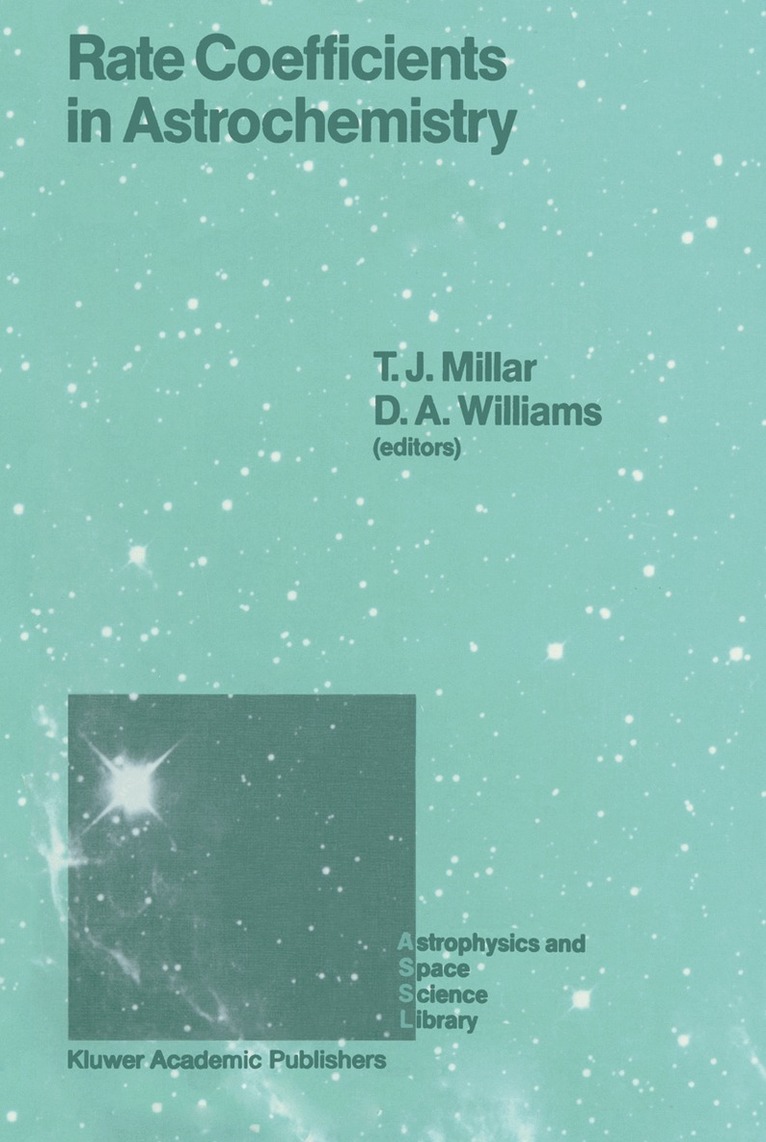
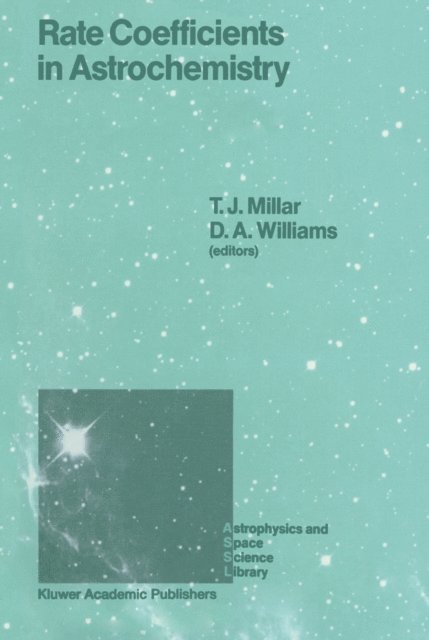
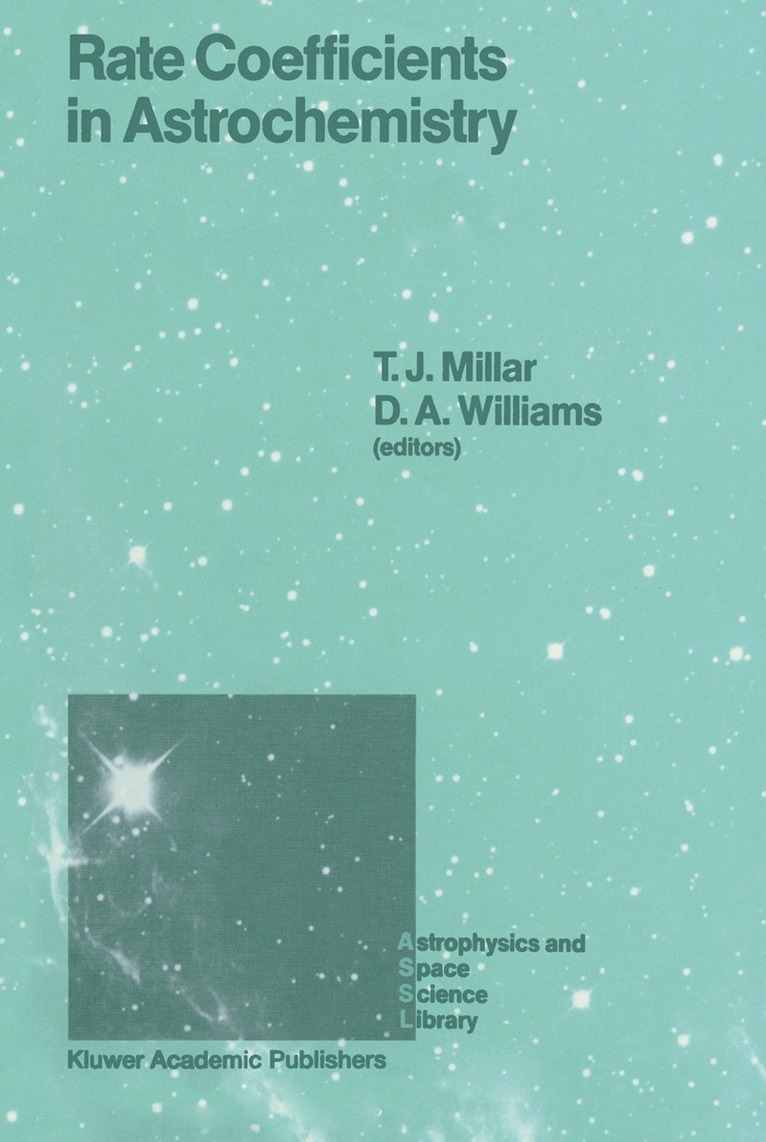
''An atteJDpt has been made to cOll1PlJte the numbers of certain JI10lecules in interstellar space , . . . . A search for the bands of CH, O/{, DR, en and C2 would appear to be proIDising" P Swings and L Rosenfeld Astrophysical Journal 86,483(1937) This may have been the first attempt at modelling interstellar chemistry. As with models today, the methods used lacked reliability, but the speculation was impressive! Mark Twain might well have said of this infant subject "One gets such wholesale returns of conjecture out of such a trifling investment of fact". The detection of unidentified lines around the period that Swings and Rosenfeld were writing provoked much interest, but even the most optimistic speculator could hardly have imagined developments which would occur during the next 50 years. By 1987 about 70 varieties of molecule had been identified in the interstellar and circumstellar regions, They range in complexity from simple diatomics such as H2 and CO to such species as ethanol C2HeDH, acetone (CHs)2CO, and the largest interstellar molecule detected so far, cyano-penta acetylene HC11N, The study of these molecules in astronomy has developed enormously, especially over the last 20 years, and is now codified in the new subject of astrochemistry, That such a variety of chemical species should exist in tenuous regions of the Galaxy is fascinating.
Häftad, Engelska, 2010
1 613 kr
Skickas inom 10-15 vardagar
Dust and molecules are found in a large variety of astrophysical environments, in particular in the circumstellar material ejected by evolved stars. This book brings together the leading astronomers and astrophysicists in the field of molecular astrophysics and stellar physics to discuss the important issues of dust and molecular formation, the role of solids in circumstellar environments, molecules as probes of circumstellar parameters, the stellar contribution to the enrichment of the Galaxy, and the latest observational data in various wavelength domains, in partiular in the infrared with results from the Infrared Space Observatory. The astrophysical senarios include late-type stars, novae, Wolf-Rayet stars, Luminous Blue Variables and supernovae. Audience: Researchers and graduate students in the fields of stellar physics, stellar evolution and astrochemistry.
E-bok
PDF, Engelska, 20122 044 kr
Läs direkt efter köp
This volume contains the proceedings of an international conference on Shocks in Astrophysics held at UMIST, Manchester, England from January 9-12, 1995. The study of interstellar and circumstellar gas dynamics has a long and distinguished history in Manchester and has been almost entirely concentrated in the school founded by Franz Kahn in the Astronomy Department, University of Manchester. In January 1993, one of us (AR) was appointed to the faculty of the Astrophysics Group in the Department of Mathematics at UMIST and astrophysical gas dynam ics became a major interest of the Group. The subject of this conference was chosen partly for the topicality of the subject matter and partly to help synthesise this expertise with the expertise in interstellar chemistry already present in the Group. The first fruits of this synthesis are contained in this volume. As it happened, this conference celebrated, not so much the beginnings of a long and fruitful collabo ration, but rather gave many of Alex''s friends the chance to say a fond farewell as he departed UMIST at the end of January 1995 to take up a chair at UNAM, Mexico City. The core of this volume consists of twelve review articles, marked (R) in the list of contents, incorporating observational and theoretical studies of shock waves in a variety of situations from Herbig-Haro objects to Supernova Remnants to Active Galactic Nuclei. We have also included the contributed (C) and poster (P) papers.
E-bok
PDF, Engelska, 20122 840 kr
Läs direkt efter köp
''''An atteJDpt has been made to cOll1PlJte the numbers of certain JI10lecules in interstellar space , . . . . A search for the bands of CH, O/{, DR, en and C2 would appear to be proIDising" P Swings and L Rosenfeld Astrophysical Journal 86,483(1937) This may have been the first attempt at modelling interstellar chemistry. As with models today, the methods used lacked reliability, but the speculation was impressive! Mark Twain might well have said of this infant subject "One gets such wholesale returns of conjecture out of such a trifling investment of fact". The detection of unidentified lines around the period that Swings and Rosenfeld were writing provoked much interest, but even the most optimistic speculator could hardly have imagined developments which would occur during the next 50 years. By 1987 about 70 varieties of molecule had been identified in the interstellar and circumstellar regions, They range in complexity from simple diatomics such as H2 and CO to such species as ethanol C2HeDH, acetone (CHs)2CO, and the largest interstellar molecule detected so far, cyano-penta acetylene HC11N, The study of these molecules in astronomy has developed enormously, especially over the last 20 years, and is now codified in the new subject of astrochemistry, That such a variety of chemical species should exist in tenuous regions of the Galaxy is fascinating.
Häftad, Engelska, 2011
1 613 kr
Skickas inom 10-15 vardagar
This volume contains the proceedings of an international conference on Shocks in Astrophysics held at UMIST, Manchester, England from January 9-12, 1995. The study of interstellar and circumstellar gas dynamics has a long and distinguished history in Manchester and has been almost entirely concentrated in the school founded by Franz Kahn in the Astronomy Department, University of Manchester. In January 1993, one of us (AR) was appointed to the faculty of the Astrophysics Group in the Department of Mathematics at UMIST and astrophysical gas dynam ics became a major interest of the Group. The subject of this conference was chosen partly for the topicality of the subject matter and partly to help synthesise this expertise with the expertise in interstellar chemistry already present in the Group. The first fruits of this synthesis are contained in this volume. As it happened, this conference celebrated, not so much the beginnings of a long and fruitful collabo ration, but rather gave many of Alex's friends the chance to say a fond farewell as he departed UMIST at the end of January 1995 to take up a chair at UNAM, Mexico City. The core of this volume consists of twelve review articles, marked (R) in the list of contents, incorporating observational and theoretical studies of shock waves in a variety of situations from Herbig-Haro objects to Supernova Remnants to Active Galactic Nuclei. We have also included the contributed (C) and poster (P) papers.
Del 146 - Astrophysics and Space Science Library
Rate Coefficients in Astrochemistry
Proceedings of a Conference held at Umis, Manchester, U.K. September 21–24, 1987
Häftad, Engelska, 2011
2 149 kr
Skickas inom 10-15 vardagar
''An atteJDpt has been made to cOll1PlJte the numbers of certain JI10lecules in interstellar space , . . . . A search for the bands of CH, O/{, DR, en and C2 would appear to be proIDising" P Swings and L Rosenfeld Astrophysical Journal 86,483(1937) This may have been the first attempt at modelling interstellar chemistry. As with models today, the methods used lacked reliability, but the speculation was impressive! Mark Twain might well have said of this infant subject "One gets such wholesale returns of conjecture out of such a trifling investment of fact". The detection of unidentified lines around the period that Swings and Rosenfeld were writing provoked much interest, but even the most optimistic speculator could hardly have imagined developments which would occur during the next 50 years. By 1987 about 70 varieties of molecule had been identified in the interstellar and circumstellar regions, They range in complexity from simple diatomics such as H2 and CO to such species as ethanol C2HeDH, acetone (CHs)2CO, and the largest interstellar molecule detected so far, cyano-penta acetylene HC11N, The study of these molecules in astronomy has developed enormously, especially over the last 20 years, and is now codified in the new subject of astrochemistry, That such a variety of chemical species should exist in tenuous regions of the Galaxy is fascinating.
E-bok
PDF, Engelska, 20132 044 kr
Läs direkt efter köp
Dust and molecules are found in a large variety of astrophysical environments, in particular in the circumstellar material ejected by evolved stars. This book brings together the leading astronomers and astrophysicists in the field of molecular astrophysics and stellar physics to discuss the important issues of dust and molecular formation, the role of solids in circumstellar environments, molecules as probes of circumstellar parameters, the stellar contribution to the enrichment of the Galaxy, and the latest observational data in various wavelength domains, in partiular in the infrared with results from the Infrared Space Observatory. The astrophysical senarios include late-type stars, novae, Wolf-Rayet stars, Luminous Blue Variables and supernovae. Audience: Researchers and graduate students in the fields of stellar physics, stellar evolution and astrochemistry.