Todd Boyd – författare
Visar alla böcker från författaren Todd Boyd. Handla med fri frakt och snabb leverans.
8 produkter
8 produkter
E-bok
PDF, Engelska, 20081 799 kr
Läs direkt efter köp
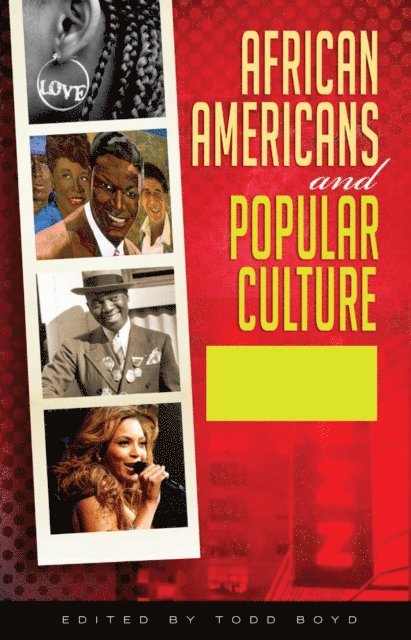
The African American influence on popular culture is among the most sweeping and lasting this country has seen. Despite a history of institutionalized racism, black artists, entertainers, and entrepreneurs have had enormous impact on American popular culture. Pioneers such as Oscar Michaeux, Paul Robeson, Satchel Paige, Josh Gibson, Langston Hughes, Bill Bojangles Robinson, and Bessie Smith paved the way for Jackie Robinson, Nina Simone, James Baldwin, Bill Russell, Muhammad Ali, Sidney Poitier, and Bill Cosby, who in turn opened the door for Spike Lee, Dave Chappelle, Dr. Dre, Jay-Z, Tiger Woods, and Michael Jordan. Today, hip hop is the most powerful element of youth culture; white teenagers outnumber blacks as purchasers of rap music; black-themed movies are regularly successful at the box office, and black writers have been anthologized and canonized right alongside white ones. Though there are still many more miles to travel and much to overcome, this three-volume set considers the multifaceted influence of African Americans on popular culture, and sheds new light on the ways in which African American culture has come to be a fundamental and lasting part of America itself.To articulate the momentous impact African American popular culture has had upon the fabric of American society, these three volumes provide analyses from academics and experts across the country. They provide the most reliable, accurate, up-to-date, and comprehensive treatment of key topics, works, and themes in African American popular culture for a new generation of readers. The scope of the project is vast, including: popular historical movements like the Harlem Renaissance; the legacy of African American comedy; African Americans and the Olympics; African Americans and rock 'n roll; more contemporary articulations such as hip hop culture and black urban cinema; and much more. One goal of the project is to recuperate histories that have been perhaps forgotten or obscured to mainstream audiences and to demonstrate how African Americans are not only integral to American culture, but how they have always been purveyors of popular culture.
Häftad, Engelska, 2007
217 kr
Skickas inom 3-6 vardagar
Häftad, Engelska, 2008
202 kr
Skickas inom 10-15 vardagar
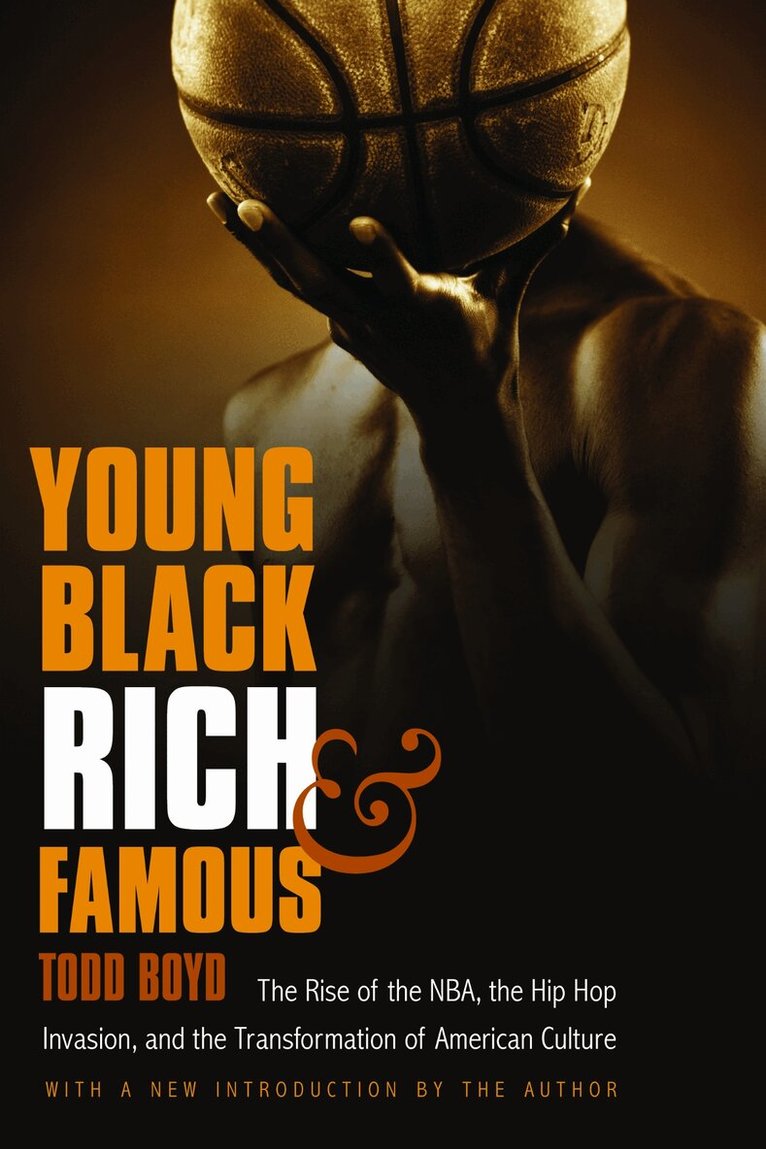
In Young, Black, Rich, and Famous, Todd Boyd chronicles how basketball and hip hop have gone from being reviled by the American mainstream in the 1970s to being embraced and imitated globally today. For young black men, he argues, they represent a new version of the American dream, one embodying the hopes and desires of those excluded from the original version. Shedding light on both perception and reality, Boyd shows that the NBA has been at the forefront of recognizing and incorporating cultural shifts—from the initial image of 1970s basketball players as overpaid black drug addicts, to Michael Jordan's spectacular rise as a universally admired icon, to the 1990s, when the hip hop aesthetic (for example, Allen Iverson's cornrows, multiple tattoos, and defiant, in-your-face attitude) appeared on the basketball court. Hip hop lyrics, with their emphasis on "keepin' it real" and marked by a colossal indifference to mainstream taste, became an equally powerful influence on young black men. These two influences have created a brand-new, brand-name generation that refuses to assimilate but is nonetheless an important part of mainstream American culture. This Bison Books edition includes a new introduction by the author.
Inbunden, Engelska, 2000
1 170 kr
Skickas inom 10-15 vardagar
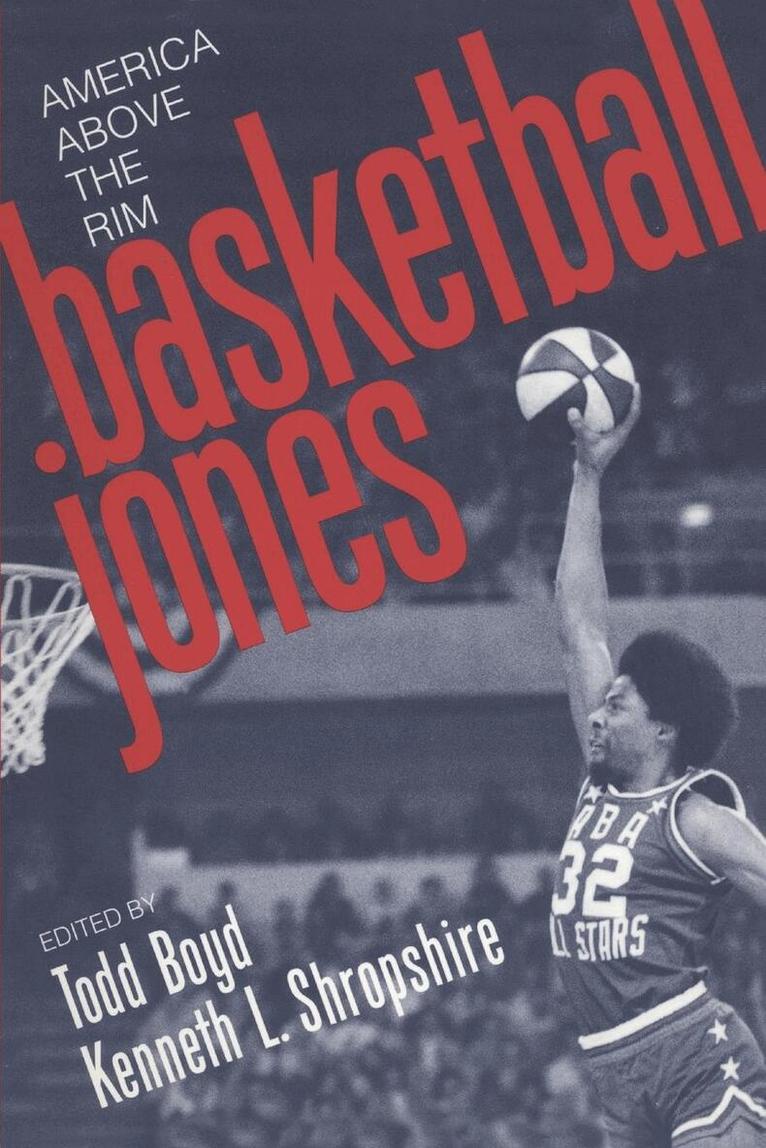
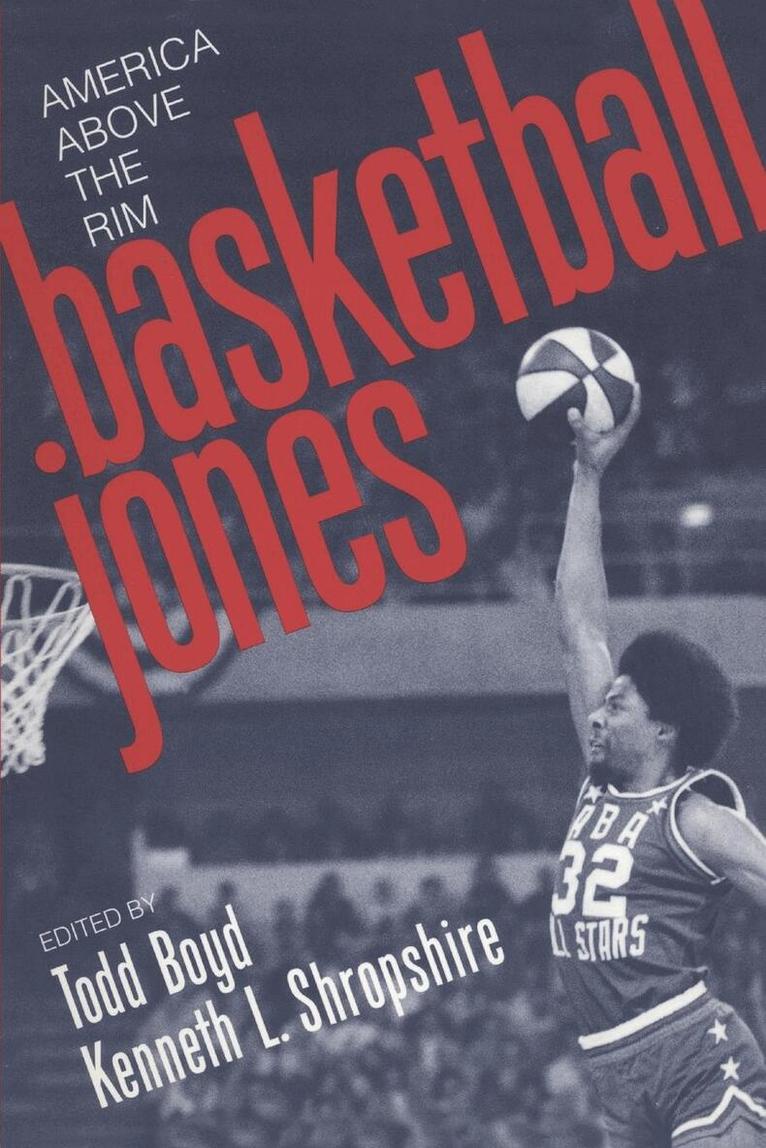
It began with Magic, Bird, and Dr. J. Then came Michael. The Dream Team. The WNBA. And, most recently, "Spree" Latrell Sprewell--American Dream or American Nightmare?--the embodiment of everything many believe is wrong--and others believe is exciting--about the game.Today, despite the NBA strike, despite home run derbies, despite football's headlock on network television ratings, despite the much-heralded return of baseball, basketball has assumed a role in American culture and consciousness impossible to imagine 20 years ago, when arenas were empty and the NBA finals were broadcast via tape delay in the wee hours.So what happened? How did a "black sport," plagued by drug scandal and decimated by white flight, come to achieve such prominence? What are the subtle and not-so-subtle racial codes that define how the game is played and perceived, and the reception of its high-profile stars? What does the shift in popularity from the predominantly white, working-class ethos of baseball to the black, urban ethos of basketball suggest about contemporary life in America? What linkages exist between basketball and hip-hop culture and how did these develop? How has the arrival of women on the scene changed the equation?Bringing together journalists, cultural critics, and academics, this wide-ranging anthology has something for everyone, from hard-core fan to casual observer.Contributors: Todd Boyd, Kenneth L. Shropshire, Gerald Early, James Peterson, Susan J. Rayl, Davis W. Houck, Mark Conrad, Charles J. Ogletree, Jr., Earl Smith, Sohail Daulatzi, Larry Platt, Tina Sloan Green, Alpha Alexander, Tara McPherson, Aaron Baker.
Häftad, Engelska, 2000
367 kr
Skickas inom 5-8 vardagar
It began with Magic, Bird, and Dr. J. Then came Michael. The Dream Team. The WNBA. And, most recently, "Spree" Latrell Sprewell--American Dream or American Nightmare?--the embodiment of everything many believe is wrong--and others believe is exciting--about the game.Today, despite the NBA strike, despite home run derbies, despite football's headlock on network television ratings, despite the much-heralded return of baseball, basketball has assumed a role in American culture and consciousness impossible to imagine 20 years ago, when arenas were empty and the NBA finals were broadcast via tape delay in the wee hours.So what happened? How did a "black sport," plagued by drug scandal and decimated by white flight, come to achieve such prominence? What are the subtle and not-so-subtle racial codes that define how the game is played and perceived, and the reception of its high-profile stars? What does the shift in popularity from the predominantly white, working-class ethos of baseball to the black, urban ethos of basketball suggest about contemporary life in America? What linkages exist between basketball and hip-hop culture and how did these develop? How has the arrival of women on the scene changed the equation?Bringing together journalists, cultural critics, and academics, this wide-ranging anthology has something for everyone, from hard-core fan to casual observer.Contributors: Todd Boyd, Kenneth L. Shropshire, Gerald Early, James Peterson, Susan J. Rayl, Davis W. Houck, Mark Conrad, Charles J. Ogletree, Jr., Earl Smith, Sohail Daulatzi, Larry Platt, Tina Sloan Green, Alpha Alexander, Tara McPherson, Aaron Baker.
Inbunden, Engelska, 2003
885 kr
Skickas inom 10-15 vardagar
Frames hip-hop as the defining cultural force in the aftermath of the Civil Rights and Black Power erasWhen Lauryn Hill stepped forward to accept her fifth Grammy Award in 1999, she paused as she collected the last trophy, and seeming somewhat startled said, "This is crazy, 'cause this is hip hop music.'" Hill's astonishment at receiving mainstream acclaim for music once deemed insignificant testifies to the explosion of this truly revolutionary art form. Hip hop music and the culture that surrounds it—film, fashion, sports, and a whole way of being—has become the defining ethos for a generation. Its influence has spread from the state's capital to the nation's capital, from the Pineapple to the Big Apple, from 'Frisco to Maine, and then on to Spain.But moving far beyond the music, hip hop has emerged as a social and cultural movement, displacing the ideas of the Civil Rights era. Todd Boyd maintains that a new generation, having grown up in the aftermath of both Civil Rights and Black Power, rejects these old school models and is instead asserting its own values and ideas. Hip hop is distinguished in this regard because it never attempted to go mainstream, but instead the mainstream came to hip hop.The New H.N.I.C., like hip hop itself, attempts to keep it real, and challenges conventional wisdom on a range of issues, from debates over use of the "N-word," the comedy of Chris Rock, and the "get money" ethos of hip hop moguls like Sean "P. Diddy" Combs and Russell Simmons, to hip hop's impact on a diverse array of figures from Bill Clinton and Eminem to Jennifer Lopez.Maintaining that Martin Luther King, Jr.'s "I Have a Dream" speech is less important today than DMX's It's Dark and Hell is Hot, Boyd argues that Civil Rights as a cultural force is dead, confined to a series of media images frozen in another time. Hip hop, on the other hand, represents the vanguard, and is the best way to grasp both our present and future.
Häftad, Engelska, 2004
369 kr
Skickas inom 10-15 vardagar
Frames hip-hop as the defining cultural force in the aftermath of the Civil Rights and Black Power erasWhen Lauryn Hill stepped forward to accept her fifth Grammy Award in 1999, she paused as she collected the last trophy, and seeming somewhat startled said, "This is crazy, 'cause this is hip hop music.'" Hill's astonishment at receiving mainstream acclaim for music once deemed insignificant testifies to the explosion of this truly revolutionary art form. Hip hop music and the culture that surrounds it—film, fashion, sports, and a whole way of being—has become the defining ethos for a generation. Its influence has spread from the state's capital to the nation's capital, from the Pineapple to the Big Apple, from 'Frisco to Maine, and then on to Spain.But moving far beyond the music, hip hop has emerged as a social and cultural movement, displacing the ideas of the Civil Rights era. Todd Boyd maintains that a new generation, having grown up in the aftermath of both Civil Rights and Black Power, rejects these old school models and is instead asserting its own values and ideas. Hip hop is distinguished in this regard because it never attempted to go mainstream, but instead the mainstream came to hip hop.The New H.N.I.C., like hip hop itself, attempts to keep it real, and challenges conventional wisdom on a range of issues, from debates over use of the "N-word," the comedy of Chris Rock, and the "get money" ethos of hip hop moguls like Sean "P. Diddy" Combs and Russell Simmons, to hip hop's impact on a diverse array of figures from Bill Clinton and Eminem to Jennifer Lopez.Maintaining that Martin Luther King, Jr.'s "I Have a Dream" speech is less important today than DMX's It's Dark and Hell is Hot, Boyd argues that Civil Rights as a cultural force is dead, confined to a series of media images frozen in another time. Hip hop, on the other hand, represents the vanguard, and is the best way to grasp both our present and future.
Inbunden, Engelska, 2024
721 kr
Skickas
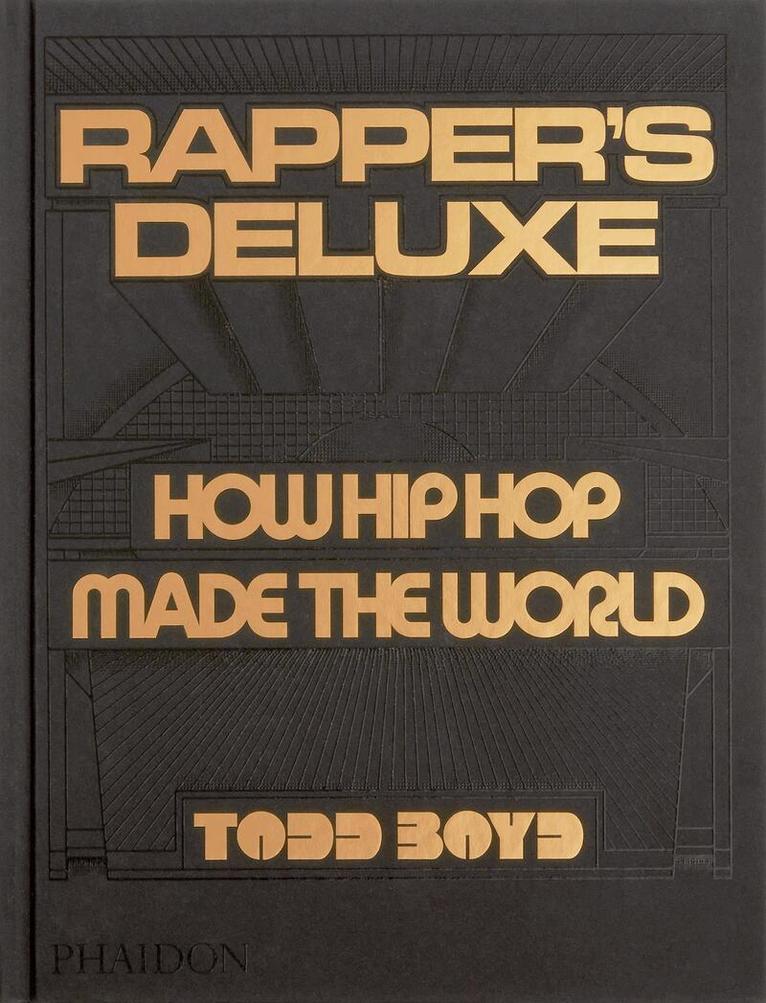
‘50 years later, hip hop’s influence has never been stronger. This book is proof of that – a must have for collectors, artists, dreamers, and hip hop heads everywhere.’ – Swizz Beatz (Kasseem Dean), record producer and rapperA visual and cultural history of hip hop, charting its meteoric rise from underground trailblazer to global tastemakerTo tell the story of contemporary American culture is to tell the story of hip hop. From its humble, underground origins, hip hop transcended the confines of rap music and spread its influence across a broad spectrum of American life – fashion, film, art, sports, politics, language – to become a cultural movement of profound influence.Rapper’s Deluxe is a critical contribution to America’s cultural canon, shining a light on hip hop’s ability to redefine and influence culture, through: photographs; fine art; advertisements; book, magazine, and album covers; film stills; and more. Organized chronologically from the 1970s to the present, image-rich and dynamic layouts show the people, places, events, objects, outfits, and inspirations that redefined the world as we know it – from fur-coated fans lining up for a Muhammad Ali fight at Madison Square Garden to a legendary party in the “Boogie Down” Bronx, through the hoods of South Los Angeles and the trap houses of Atlanta to the extravagant red carpet looks of the Met Gala.Drawing on a broad range of curated examples, Dr. Todd Boyd re-examines hip hop’s legacy and how the genre remixes ‘high’ and ‘low’ culture, past and present, to come up with a style that is uniquely its own. Filled with original insights and clever wordplay, Rapper’s Deluxe is a tale of transformation, following hip hop’s arduous, but always triumphant, journey as it rose up to dominate the game.