Todd F. Heatherton - Böcker
Visar alla böcker från författaren Todd F. Heatherton. Handla med fri frakt och snabb leverans.
2 produkter
2 produkter
635 kr
Skickas inom 7-10 vardagar
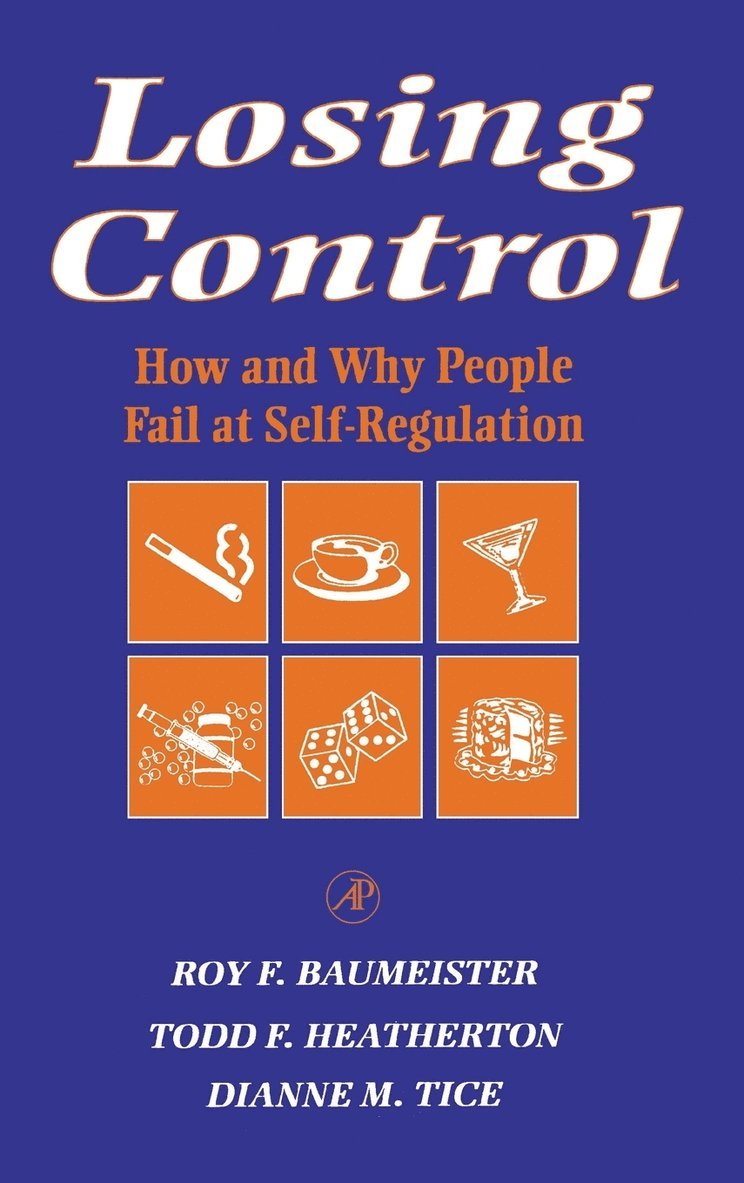
Self-regulation refers to the self's ability to control its own thoughts, emotions, and actions. Through self-regulation, we consciously control how much we eat, whether we give in to impulse, task performance, obsessive thoughts, and even the extent to which we allow ourselves recognition of our emotions. This work provides a synthesis and overview of recent and long-standing research findings of what is known of the successes and failures of self-regulation.People the world over suffer from the inability to control their finances, their weight, their emotions, their craving for drugs, their sexual impulses, and more. The United States in particular is regarded by some observers as a society addicted to addiction. Therapy and support groups have proliferated not only for alcoholics and drug abusers but for all kinds of impulse control, from gambling to eating chocolate. Common to all of these disorders is a failure of self-regulation, otherwise known as "self-control."The consequences of these self-control problems go beyond individuals to affect family members and society at large. In Losing Control, the authors provide a single reference source with comprehensive information on general patterns of self-regulation failure across contexts, research findings on specific self-control disorders, and commentary on the clinical and social aspects of self-regulation failure. Self-control is discussed in relation to what the "self" is, and the cognitive, motivational, and emotional factors that impinge on one's ability to control one's "self." Discusses the importance of the concept of self-regulation to general issues of autonomy and identity Encompasses self-control of thoughts, feelings, and actions Contains a special section on the control of impulses and appetites First book to integrate recent research into a broad overview of the area
675 kr
Skickas inom 7-10 vardagar
The devaluation of those perceived as different has profound repercussions both for individuals and for society. This book brings together leading researchers to present groundbreaking findings on such topics as the dimensions of stigma, why people stigmatize others, how targeted individuals are affected by and respond to stigmatization, and influences on social interactions. Chapters are organized around a cohesive conceptual framework that incorporates the perspectives of both the perceiver and the target; the relevance of personal and collective identities; and the interplay of affective, cognitive, and behavioral reactions in stigmatization.