Tom Hierck – författare
575 kr
Skickas inom 3-6 vardagar
RTI is more than just a buzzword—it’s a success story!
RTI isn’t just about interventions. It’s about assessing how all students respond to instruction. In this book, Tom Hierck and Chris Weber go beyond the why and what of RTI to show you how to translate this good idea into a plan of action for your school. They offer concrete recommendations and resources, including
Interventions linked to the Common Core State Standards, with emphasis on college and career readiness Practical strategies for screening, progress monitoring, and diagnostics Sample approaches to specific interventions across the curriculumPreparing students to meet real world challenges—and to stay in school until they are ready for them—takes a team effort. With this road map in hand, your team will take RTI from research to practice, from ideas to reality—and lead all students to success.
365 kr
Läs direkt efter köp
365 kr
Läs direkt efter köp
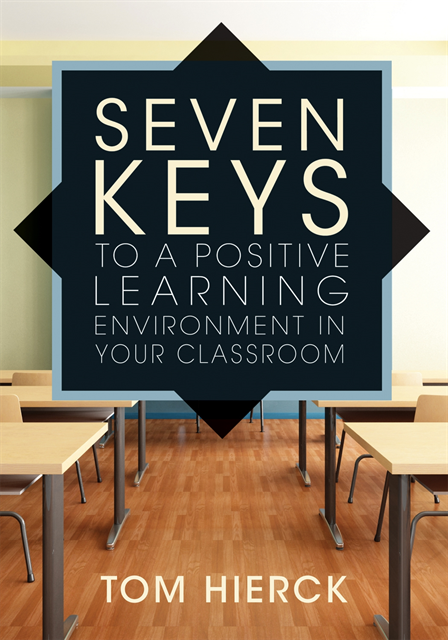
Creating a positive classroom learning environment is a complex but necessary task if a teacher wants to cultivate a new, productive classroom culture. By fully realizing the seven keys the author highlights, teachers can establish clearer expectations, enhance instruction and assessment practices, and foster quality relationships with students, thereby maximizing the potential of all students. The book includes helpful stories from teachers, as well as classroom strategies to consider in implementing the keys. With this book, teachers can clearly define the misunderstood concepts of differentiation and enrichment and know how to use these strategies to help all students succeed, no matter their needed level of support.
Benefits
Read stories from classroom teachers that highlight how each key can help establish a positive learning environment.Explore research and anecdotal evidence that maintains that students who feel connected are more motivated and successful in the classroom.Learn how the effective use of data can minimize both academic and behavioral challenges among students.Discover collaborative practices that can establish common expectations between teachers and their students, so a positive classroom tone is set when the school year starts.Consider tactics teachers can use to record and analyze data on students’ progress, to make informed decisions that help students gain proficiency.Peruse the essential practices that teachers should have in their classroom assessment toolbox.Contents
Introduction
Classroom Culture and Positive Relationships: Precursors to a Positive Learning EnvironmentClassroom ExpectationsTargeted InstructionPositive ReinforcementData-Driven DecisionsDifferentiation and EnrichmentCollaborative TeamsConnecting to the Schoolwide SystemEpilogue
References and Resources
Index
365 kr
Läs direkt efter köp
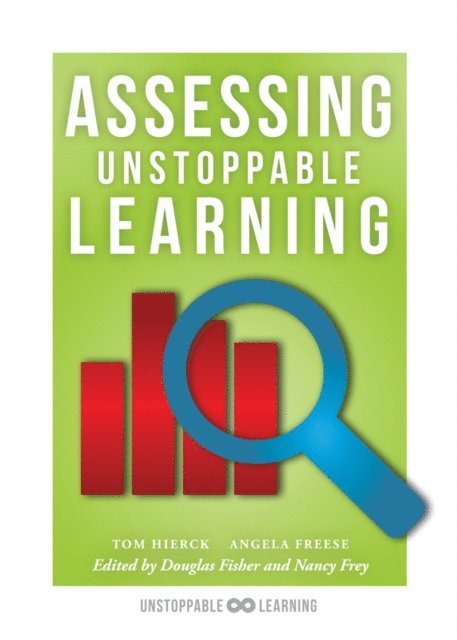
Assessing Unstoppable Learning explains how K-12 teachers and administrators can work in collaborative teams to form effective and efficient assessment systems in their schools that help all students maximize their learning. Based on the key principles of systems thinking, this book will help educators define student learning goals and plan, launch, and lead learning as a team to meet them.
This user-friendly resource focuses on the assessing element of the the Unstoppable Learning model, which consists of seven elements: (1) planning, (2) launching, (3) consolidating, (4) assessing, (5) adapting, (6) managing, and (7) leading. This guide provides readers with crucial protocols and activities for collectively reworking their assessment systems. By implementing the step-by-step actions shared by the authors, educators can prepare themselves and their students to thrive in 21st century classrooms and beyond.
Unlock the full assessment power of Unstoppable Learning by:
Reflecting on the collaborative culture of your learning organization and what elements of it are within your control.Considering questions designed to focus your work on generating high levels of student achievement.Completing activities with collaborative teams to discuss how to better promote productive systems thinking using the book''s strategies.Learning about balanced assessment systems and how to include formative assessments in addition to summative assessments.Embedding evidence-based practices throughout the organization and using protocols for effective team discussions.Contents:
IntroductionChapter 1: Building Trust and Healthy Relationships to Leverage Assessment Chapter 2: Seeking Evidence to Launch Assessments With the End in Mind Chapter 3: Gathering Evidence to Use Assessment as Instruction Chapter 4: Discussing Evidence to Leverage Assessment as Learning Chapter 5: Responding to Evidence to Adapt Assessment as InstructionChapter 6: Embedding Evidence-Based Practices in Learning OrganizationsEpilogue
365 kr
Läs direkt efter köp
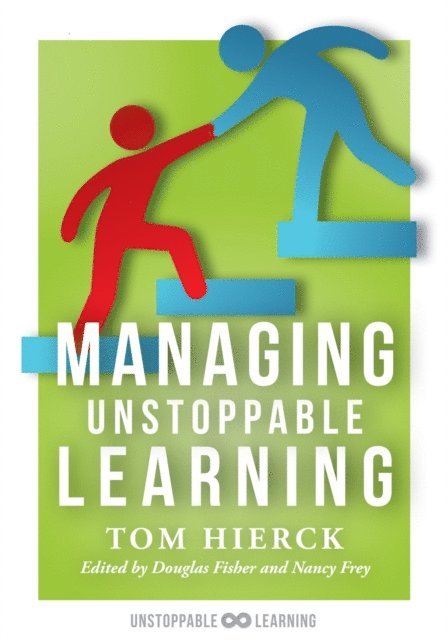
First introduced in Unstoppable Learning, the Unstoppable Learning framework details seven essential elements of teaching and learning: (1) planning, (2) launching, (3) consolidating, (4) assessing, (5) adapting, (6) managing, and (7) leading. This resource by Tom Hierck focuses specifically on the element of managing learning outcomes in the classroom environment, outlining a collective approach to behavior management strategies and student engagement that minimizes the impact of negative behaviors and maximizes the potential (as well as the social and emotional learning) of each student.
Effective classroom management strategies to create a positive learning environment:
Review the Unstoppable Learning framework originally laid out by Douglas Fisher and Nancy Frey.Closely examine how to manage student behavior and classroom climate using the Unstoppable Learning framework''s proven approach.Become familiar with classroom management strategies for creating a positive learning environment, developing teacher-student relationships, and dealing with problem behaviors.Benefit from summaries of key points at the end of each chapter, as well as questions for reflection.Access free reproducibles designed for reader reflection on classroom behavior management strategies.Contents:IntroductionChapter 1: Improving Behavior Management Through Cultural ChangeChapter 2: Supporting Teacher-Student RelationshipsChapter 3: Supporting Group Interactions and Peer RelationshipsChapter 4: Supporting a Positive Learning EnvironmentChapter 5: Responding to Problem BehaviorsEpilogueAppendix
365 kr
Läs direkt efter köp
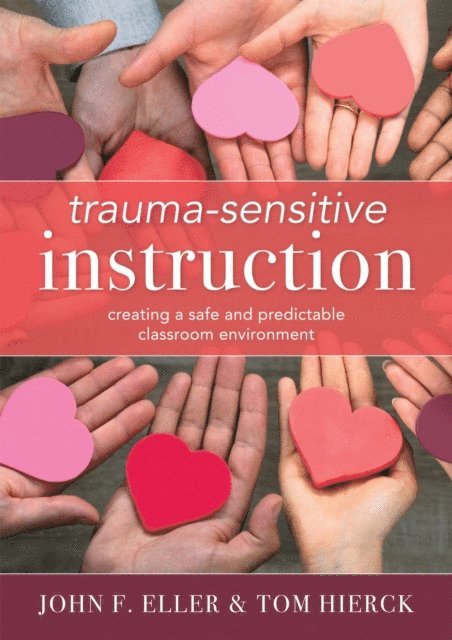
The impact of trauma on learning can be significant and long lasting. Learn how you can confidently and meaningfully support your trauma-impacted students and foster trauma-informed schools with this accessible resource. The authors draw from their personal and professional experiences with trauma, mental health, and school culture to provide real insight into what you can do now to help learners build resilience, cope with adverse situations, and achieve at high levels.
Implement trauma-informed teaching practices and cultivate a classroom environment that encourages positive learning experiences:
Understand childhood trauma and the impact traumatic experiences have on learners.Develop a trauma-informed attitude and mindset.Examine classroom structures that support trauma-sensitive practices while recognizing those that may contribute to trauma.Gain effective classroom management strategies and techniques to support all students, including those experiencing trauma.Learn how to develop trusting and positive relationships with trauma-impacted students and their families.Contents:About the AuthorsIntroductionChapter 1: The Impact of Trauma on Educators and StudentsChapter 2: The Importance of Attitude and Mindset in Working With TraumaChapter 3: Classroom Structures to Support Trauma-Sensitive PracticesChapter 4: Positive Relationships With StudentsChapter 5: Trauma-Sensitive Classroom Management Strategies and TechniquesChapter 6: Parent and Family EngagementReferences and ResourcesIndex
365 kr
Läs direkt efter köp
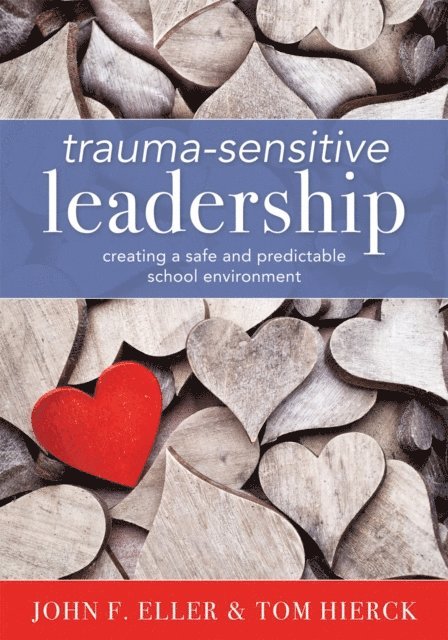
Lead a foundational shift in the way your school approaches student behavior. Trauma-Sensitive Leadership offers research-based, practical strategies for understanding and supporting trauma-impacted students rather than "fix" them. Using straightforward language, the authors illustrate how to integrate new mindsets into daily practice to get to the core of critical issues like social-emotional safety and wellness for students and adults alike.
Using this guide to address critical issues readers will:Understand childhood trauma and the impact traumatic experiences have on both students and educators.Develop a trauma-sensitive attitude and mindset to help lead teachers in supporting students experiencing trauma.Examine school structures and environments that support trauma-sensitive practices while recognizing those that may contribute to trauma.Learn how to develop trusting and positive relationships with trauma-impacted students and their families.Plan and maintain a trauma-informed school beyond the initial years of implementation.Contents:IntroductionChapter 1: Examining Trauma and Its Impact on Educators and StudentsChapter 2: Fostering a Trauma-Sensitive Attitude and School CultureChapter 3: Creating a Stable and Predictable School EnvironmentChapter 4: Implementing Teaching Practices Essential to a Trauma-Sensitive ClassroomChapter 5: Building Relationships With Parents and FamiliesChapter 6: Planning the Journey Toward a Trauma-Sensitive SchoolChapter 7: Leading Trauma-Sensitive Practices in Your SchoolChapter 8: Maintaining and Supporting a Trauma-Sensitive School for Long-Term SuccessReferences and ResourcesIndex369 kr
Läs direkt efter köp
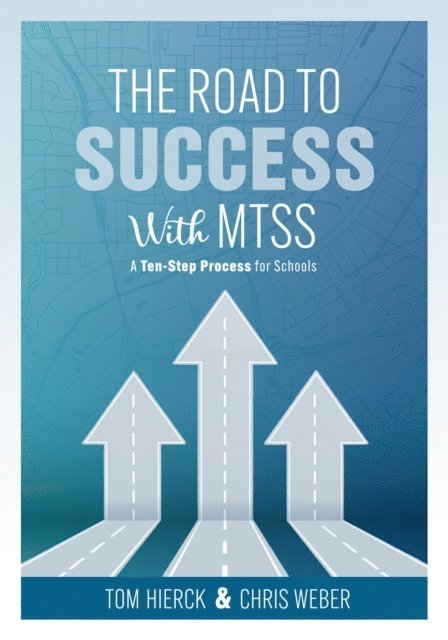
This is the roadmap educators need to create a customized intervention system for their unique circumstances. Packed with research-based strategies, The Road to Success With MTSS is an exceptional tool for educators beginning their school’s multitiered system of supports (MTSS) journey and those who have already come so far and are looking to reflect and reset for success.
Educational leaders and teachers will:Embrace the multifaceted approach of MTSS, which includes academic, social-emotional, and behavioral needsUnderstand and anticipate obstacles to MTSS implementation while also learning how to overcome themBetter assess student learning and growthUse a wide variety of tools to customize their MTSS journeyRead case studies drawn from the authors’ and their colleagues’ experiences, as well as from research and literature in the MTSS fieldContents:IntroductionChapter 1: What Practices and Elements Make Up Tier 1?Chapter 2: What Practices Make Up Tier 2 and Tier 3?Chapter 3: Where Are We and What Are the Next Steps?Chapter 4: What Is the Implementation Process?Chapter 5: What Does Student Evidence Reveal?EpilogueAppendix: Case StudiesReferences and ResourcesIndex371 kr
Läs direkt efter köp
Explore the research-based measures that help educators influence their students’ mindsets and inform behaviors, motivation, and engagement. Using 28 action items, educators can proactively plan, introduce new ideas, and strengthen existing practices to ensure that all students develop positive mindsets and productive behaviors. Learn why fostering four positive mindsets is critical to student success in school and life.
Grades K–12 teachers will:Understand what the four foundational positive mindsets look like in a student and how to nurture eachDetermine whether classroom and school policies, procedures, and practices match the desired outcomesReceive surveys that help gauge student mindsetsDiscover novel ways to make setting short- and long-term goals part of the classroom and school cultureCreate action plans for fostering the four mindsets and monitor student progress toward positivity Contents:IntroductionChapter 1: “I Belong in This Academic Community”Chapter 2: “I Can Succeed at This”Chapter 3: “This Work Has Value for Me”Chapter 4: “My Ability and Competence Grow With My Effort”EpilogueReferences and ResourcesIndex406 kr
Skickas inom 3-6 vardagar
369 kr
Läs direkt efter köp
Introducing your guide to navigating the seemingly endless swirl of questions facing new and veteran teachers. Trusted education experts Tom Hierck and Alex Kajitani draw from their experiences to offer research-backed tools and strategies in an easily referenced FAQ format. With wit and wisdom, they address the aspects of teaching that are often unacknowledged to help educators be better equipped for the year ahead.
This book will help you:Build healthy relationships with students, parents, and guardiansCreate a classroom environment where everyone feels safe, seen, and confidentPlan engaging lessons that inspire all students to learn at high levelsBecome aware of secondary traumatic stress symptoms and map out ways to stay mentally, emotionally, and physically healthyAdapt practical strategies you can implement immediately to support student success Contents:IntroductionChapter 1: How Do I Set Up My Classroom?Chapter 2: How Can I Build Relationships With My Students?Chapter 3: How Should I Manage My Class?Chapter 4: How Do I Get Students to Behave?Chapter 5: How Do I Plan and Deliver Engaging Lessons?Chapter 6: How Do I Know When Students Have Learned?Chapter 7: How Do I Work With Students’ Parents and Guardians?Chapter 8: How Do I Take Care of Myself?Epilogue: Building a Long-Term Career as an EducatorReferences and ResourcesIndex434 kr
Läs direkt efter köp
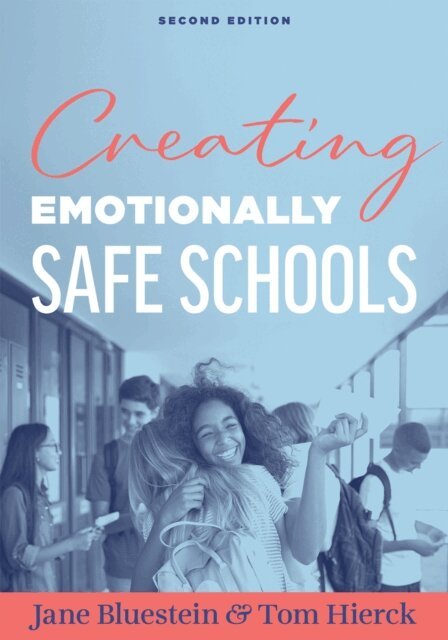
Whether students feel stressed or supported has a profound impact on their success, sense of belonging, and behavior. Designed as a guide for education professionals and parents, this book explores emotional safety, its effect on learning, and practical strategies for fostering well-being. Discover how to shape students’ emotional responses by modeling healthy expression, building community, and nurturing self-awareness and self-management.
K–12 administrators and teachers can use this book to:Foster emotional safety and belonging in schoolsAddress how stress and anxiety impact the learning environmentAddress students’ emotional needs and cultivate positive relationships in the classroomStrengthen classroom management with healthy approaches and practicesMaintain authority while balancing structure with freedomContents:IntroductionPart I: Dimensions of a Very Big PictureChapter 1: What Safety IsChapter 2: The Heart of the Matter—Feelings and SchoolChapter 3: Safety—It’s a Brain ThingChapter 4: Learning and the BrainChapter 5: Body and MindChapter 6: Where Children Are Coming From—Stress and AdaptationChapter 7: Over the Edge—A World of ViolenceChapter 8: Brave New World—The Changing Role of the SchoolChapter 9: All Are Welcome Here—The Need for CommunityChapter 10: Snags in the TapestryChapter 11: More Welcome Than Others—Discrimination and BelongingChapter 12: How Does Your Garden Grow? More Diversity, More DiscriminationPart II: The ToolboxChapter 13: Academic Safety—Learning and SuccessChapter 14: Emotional Safety—Personal and Character DevelopmentChapter 15: Social Safety—Belonging and Interpersonal CompetenceChapter 16: Behavioral Safety—Discipline and CooperationChapter 17: Physical Safety—The Student BodyPart III: The GrownupsChapter 18: Teacher Safety—Protecting the ProtectorsChapter 19: The Collaborators—Parents and CommunityEpilogue: Are We Almost There Yet?AppendixReferences and ResourcesIndex369 kr
Läs direkt efter köp
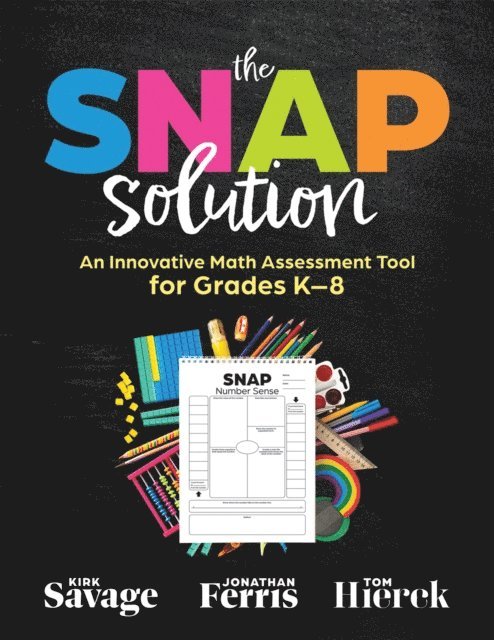
Changing students’ attitudes about math and assessing number sense begins with shifting the teacher’s attitude and approach. Learn how the authors dispel the common myth that student apathy in mathematics class is inevitable. Math teachers can use the student numeracy assessment and practice (SNAP) approach to address the five strands of mathematical proficiency, promote thinking, and ignite a sense of wonder in their students.
K–8 teachers can utilize this book to: Use the SNAP approach to help students learn number senseAddress each SNAP skill from kindergarten, primary, and intermediate teachers’ perspectivesApply the SNAP method within the response to intervention modelLearn the five strands of mathematical proficiency aligned with each SNAP skillAccess templates and other resources Contents:IntroductionChapter 1: Exploring the SNAPChapter 2: Looking at Number Sense FoundationsChapter 3: Understanding the Five Strands of Mathematical ProficiencyChapter 4: Implementing the SNAP With Beginning MathematiciansChapter 5: Understanding How SNAP Supports Response to InterventionChapter 6: Rubrics, Assessment, and Competency-Based LearningChapter 7: School and District ImplementationEpilogue: Final WordAppendix: Resources to Support Number SenseReferences and ResourcesIndex406 kr
Skickas inom 3-6 vardagar
386 kr
Läs direkt efter köp
Navigating Achievement for Struggling Students with the Common Core State Standards
147 kr
Tillfälligt slut
366 kr
Tillfälligt slut