Tom Schimmer – författare
446 kr
Skickas inom 3-6 vardagar
Grading From the Inside Out
Bringing Accuracy to Student Assessment Through a Standards-Based Mindset
400 kr
Läs direkt efter köp
406 kr
Skickas inom 3-6 vardagar
365 kr
Läs direkt efter köp
While much research has revealed which assessment practices have the most positive impact on student achievement and instruction, out-of-date, unproductive practices, which students find disengaging and disheartening, still persist. Discover how to use the power of assessment to instill hope, efficacy, and achievement in your students. With this research-based resource, you’ll explore six essential tenets of assessment—assessment purpose, communication of assessment results, accurate interpretation, assessment architecture, instructional agility, and student investment—that will help deepen your understanding of assessment to not only meet standards but also enhance students’ academic success and self-fulfillment.
Benefits
Interpret the research-based tenets of assessment that are necessary to maximize all students’ learning.Gain advice and strategies for immediately acting on the six essential assessment tenets, including how to communicate assessment results to give feedback that produces constructive responses.Discover why it is vital that assessment practices build students’ and teachers’ hope, efficacy, and achievement.Consider scenarios that illustrate traditional, outmoded assessment practices and revised scenarios that feature practices that better reflect modern assessment needs.Reflect on questions related to the content of each chapter and study next steps that teaching teams can take.Contents
Introduction
Chapter 1: Hope, Efficacy, and Achievement
Chapter 2: Assessment Purpose
Chapter 3: Communication of Assessment Results
Chapter 4: Accurate Interpretation
Chapter 5: Assessment Architecture
Chapter 6: Instructional Agility
Chapter 7: Student Investment
References
Index
400 kr
Läs direkt efter köp
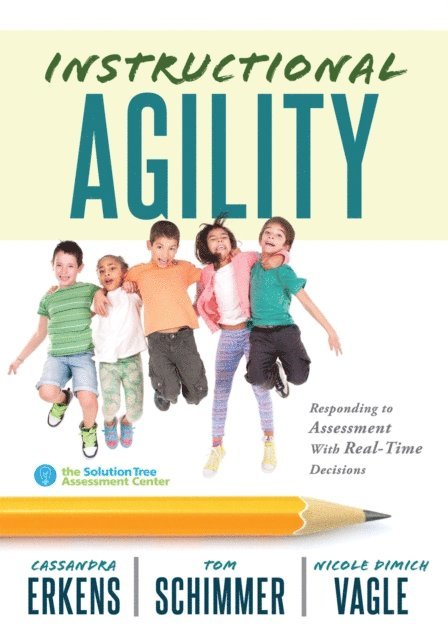
The true power of assessment comes when emerging results determine what comes next in student learning. This practical book empowers educators and their teams, schools, or districts to move seamlessly between instruction, formative assessment, and feedback, improving school culture more effectively than traditional methods. Instructional agility enhances ownership of learning, proficiency, and motivation for students, and promotes a positive school culture. Each chapter concludes with reflection questions that assist readers in determining next steps for supporting the whole child and the whole learning process.
Learn how to promote an agile culture of learning in school to increase student ownership of learning:
Discover how instructional agility fits within the six tenets of the essential assessment framework.Learn how to foster and maintain a culture of learning in schools.Gain strategies and tools to enhance instructional agility and assessment practices.Examine examples of instructional agility in action.Consider questions that help individual teachers and learning teams contemplate what they learned and their next steps for implementing for instructional agility strategies.Contents:Chapter 1: Establishing a Culture of LearningChapter 2: Engineering Engaging ConversationsChapter 3: QuestioningChapter 4: ObservingChapter 5: MobilizingChapter 6: PracticingChapter 7: Fostering a Culture of Instructional AgilityReferences and Resources
434 kr
Läs direkt efter köp
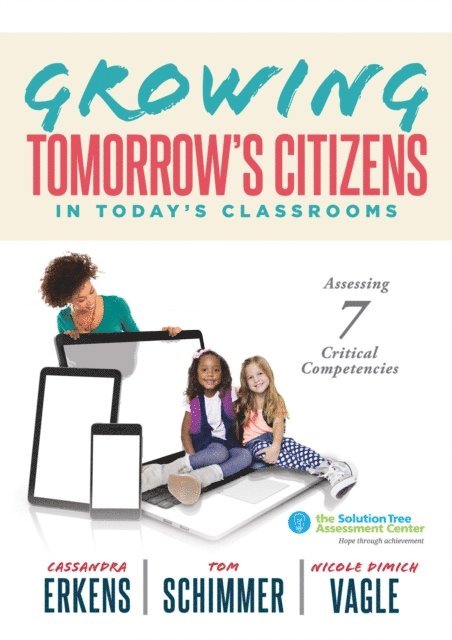
Rapid innovation is transforming the way people think, work, and connect. For students to succeed today, they must acquire the knowledge and 21st century skills required for college and career readiness. Practical and research-based, this resource will help you design meaningful, relevant skill assessment and instruction that promotes student mastery of critical competencies, including collaboration, problem-solving and critical thinking skills, creative thinking skills, communication skills, digital citizenship, self-regulation, and more.
Use the most effective practices for teaching soft skills to increase college and career readiness:
Explore the seven critical competencies necessary for success in the 21st century.Become familiar with good habits of mind, and pass those habits on to students to support their soft skill development.Learn how to teach critical thinking and other 21st century skills by facilitating learning that will develop the critical competencies in students.Develop powerful and effective soft skill assessment methods, such as student self-assessments, that will test student levels of competency in the seven critical areas.Access free reproducibles to supplement your understanding of the text and facilitate the book''s content in the classroom.Contents:About the AuthorsIntroductionChapter 1: Cultivating Habits of the MindChapter 2: Self-RegulationChapter 3: Critical ThinkingChapter 4: CollaborationChapter 5: Creative ThinkingChapter 6: CommunicationChapter 7: Digital CitizenshipChapter 8: Social CompetenceReferences and ResourcesIndex
400 kr
Läs direkt efter köp
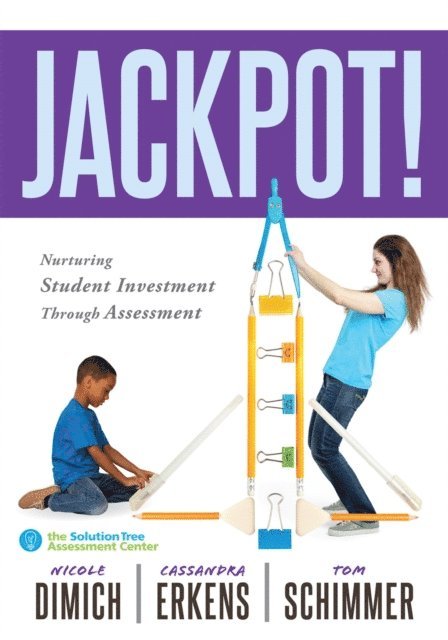
An age-old question universal to all teachers is “How do we get our students to care about their learning?” Jackpot! delivers actionable strategies to achieve that most important outcome of assessment—student investment. Not only does the book offer tools you can use, but it also addresses the mindset shift necessary for teachers to set students up for success as partners in their own learning.
Classroom teachers will:Explore case studies covering a wide range of classroom experiences Gain access to many different tools to successfully orient a growth mindset toward assessmentUnderstand the ideas behind successful assessment and how to put it into practiceUtilize sample charts to better direct the course of learning improvementsReflect on personal classroom experiences and ways to improveContents:AcknowledgmentsTable of ContentsAbout the AuthorsIntroductionChapter 1: Hope, Efficacy, and Achievement in a Learning CultureChapter 2: Assessment PurposeChapter 3: Assessment ArchitectureChapter 4: Interpretation of ResultsChapter 5: CommunicationChapter 6: Instructional AgilityEpilogueReferences and ResourcesIndex400 kr
Läs direkt efter köp
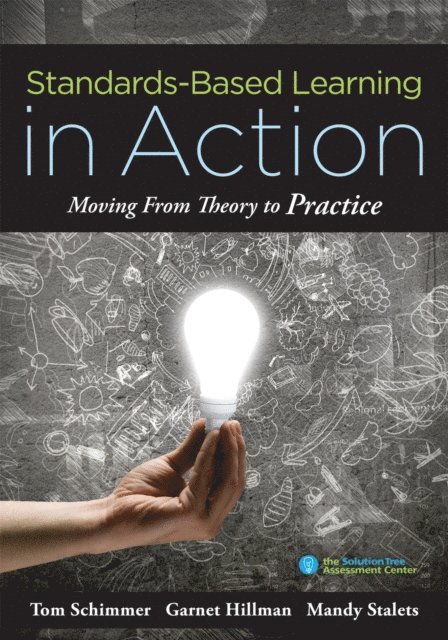
Get past the knowing-doing gap and confidently implement standards-based learning. This book offers a comprehensive look at what standards-based learning looks like in action, from creating formative assessments to using data to inform instruction to transitioning to standards-based grading systems. Instead of comparing students to each other, standards-based learning compares students'' proficiency to performance standards and education targets. Each chapter offers readers a well-thought-out action plan for implementation and effective strategies for communicating with students and parents about the classroom changes that will occur during the transition.
Use this book as your action plan for implementing standards-based learning:
Explore concrete steps for putting standards-based grading, instruction, and learning into action.Implement schoolwide change beginning with classroom practices.Address common implementation mistakes and challenges.Effectively sequence units and align them with unpacked standards.Create effective proficiency level scales and rubrics.Contents:Introduction Chapter 1: Standards-Based Learning in Action Chapter 2: Standards Alignment in Action Chapter 3: Formative Assessment in Action Chapter 4: Effective Feedback in Action Chapter 5: Meaningful Homework in Action Chapter 6: Self- and Peer Assessment in Action Chapter 7: Summative Assessment in Action Chapter 8: Redos, Retakes, and Reassessment in Action Chapter 9: Proficiency Scales and Rubrics in Action Chapter 10: Standards-Based Reporting in Action Epilogue References and Resources Index
406 kr
Skickas inom 3-6 vardagar
365 kr
Läs direkt efter köp
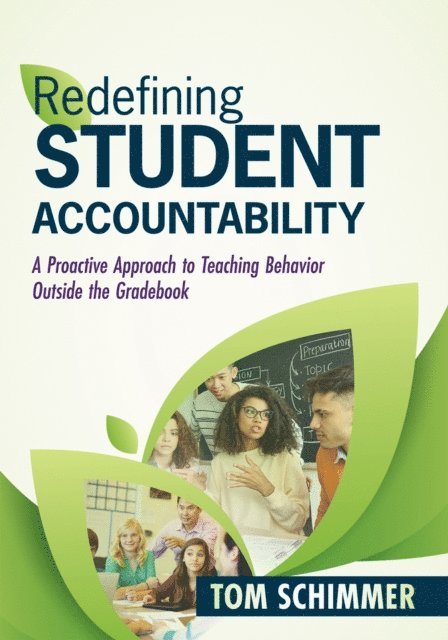
The time has come to separate academic achievement from student behavior attributes. Author and trusted assessment expert Tom Schimmer shares a three-tiered framework and trauma-informed, restorative, and schoolwide approaches to teaching responsibility, nurturing student accountability, and addressing student behavior in a way that teaches students the life skills they need to thrive in the classroom and in the larger world.
This book will help K–12 teachers and administrators:Learn how to create trauma-informed, restorative, and schoolwide approaches to teaching the skills of responsibility to studentsDiscover how to improve students’ social competence through a process of goal-setting, self-monitoring, and self-reflectionGain an understanding of how the PLC at Work® and RTI at Work™ processes, as well as strong assessment practices, can redefine student accountability in the classroomUnderstand how reinforcement works and how to use it to benefit studentsExplore why behavior should be separated from grades and how to effectively assess and report on behaviorContents:Introduction: Their Worlds are Real!Chapter 1: Redefining Student Accountability within the Assessment contextChapter 2: Redefining Student Accountability within the PLC at Work context Chapter 3: Redefining Student Accountability within the RTI context Chapter 4: Teaching and Reinforcing Student AccountabilityChapter 5: Correcting and Supporting Student AccountabilityChapter 6: Prioritizing and Reporting Student AccountabilityChapter 7: Self-Regulating Student AccountabilityAfterword438 kr
Läs direkt efter köp
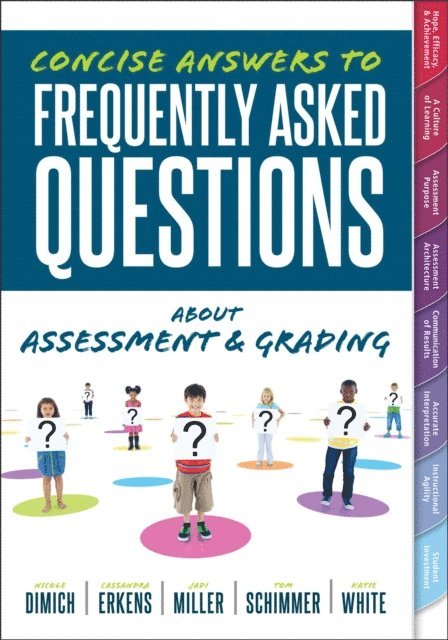
Get answers to your most challenging questions about implementing effective assessment and grading practices. How do we use assessments to increase hope, efficacy, and achievement? Is reassessment important? Can we change grading practices when stakeholders don’t want us to? All of these questions, and dozens more, are answered concisely, making it easy to build strong assessment and grading practices quickly.
K–12 teachers and administrators will:Understand the six tenets of assessment and gradingGain confidence in effective assessment and grading practicesAccess concise answers to common questions about assessment and gradingHelp implement schoolwide best practices through effective collaborationContents:IntroductionChapter 1: Hope, Efficacy, and AchievementChapter 2: A Culture of LearningChapter 3: Assessment PurposeChapter 4: CommunicationChapter 5: Accurate InterpretationChapter 6: Assessment ArchitectureChapter 7: Instructional AgilityChapter 8: Student InvestmentTable of Contents by TopicGlossary of TermsA Comprehensive Resource List From STACReferences and ResourcesIndex438 kr
Läs direkt efter köp
Discover the transformative power of storytelling in assessment and student learning. Drawing on culturally responsive practices, this approach fosters innovation, self-reflection, and student engagement. Through narrative-based strategies, educators can elevate formative and summative assessments, promoting authentic, competency-based learning; meaningful growth; and deeper connections to critical competencies, as well as cultural archetypes. This guide helps educators reimagine assessment in diverse, student-centered classrooms.
K–12 teachers can use this book to: Revitalize assessment to encourage students’ growth as critical, creative thinkersElevate student engagement through creative responses and personal reflectionsEmploy elements of narrative structure to explore and hone student competenciesCultivate student agency and innovation in contemplating and expressing knowledgeCreate opportunities for students to find personal meaning in their learning experiencesContents:IntroductionPart 1: Looking Back to Look ForwardChapter 1: Humanity Through StoryChapter 2: Essential Assessment Through StoryChapter 3: Critical Competencies Through StoryPart 2: Learning Through StoryChapter 4: Conflict Through StoryChapter 5: Harmony Through StoryChapter 6: Reflection Through StoryChapter 7: Perspective Through StoryChapter 8: Imagination Through StoryChapter 9: Craft Through StoryEpilogueReferences and ResourcesIndex