Tomasz Puzyn - Böcker
Visar alla böcker från författaren Tomasz Puzyn. Handla med fri frakt och snabb leverans.
6 produkter
6 produkter
2 100 kr
Skickas inom 10-15 vardagar
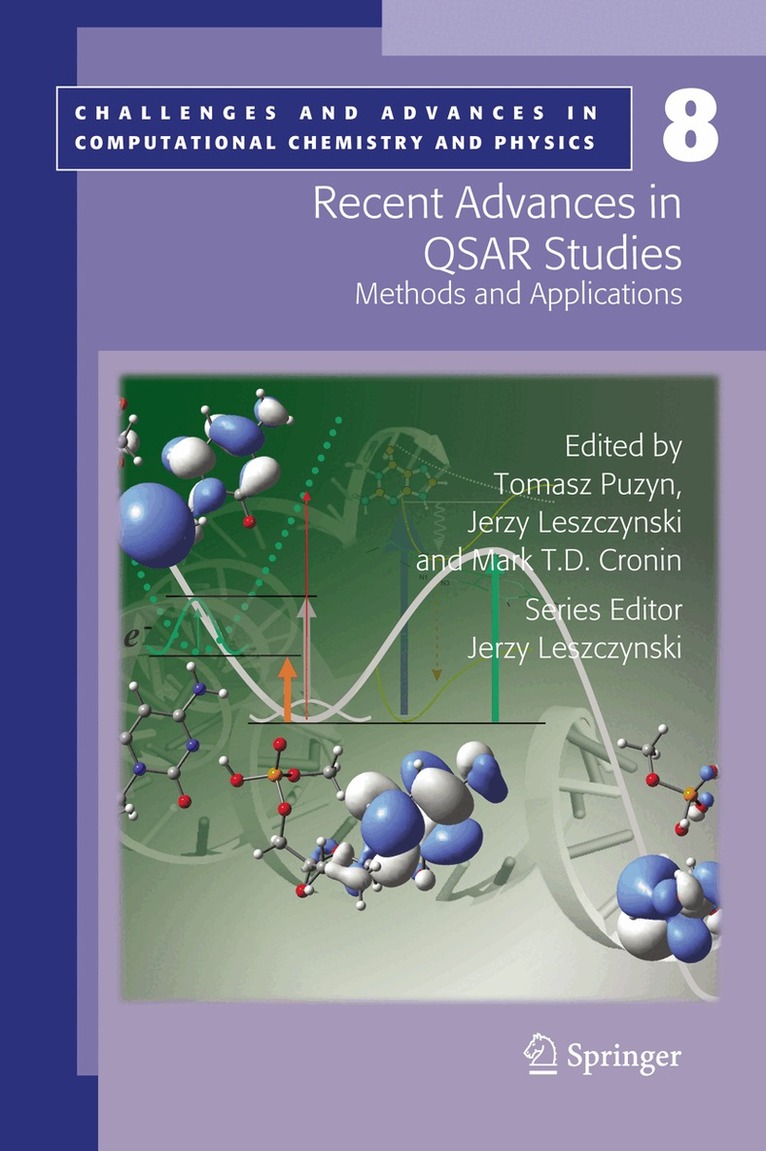
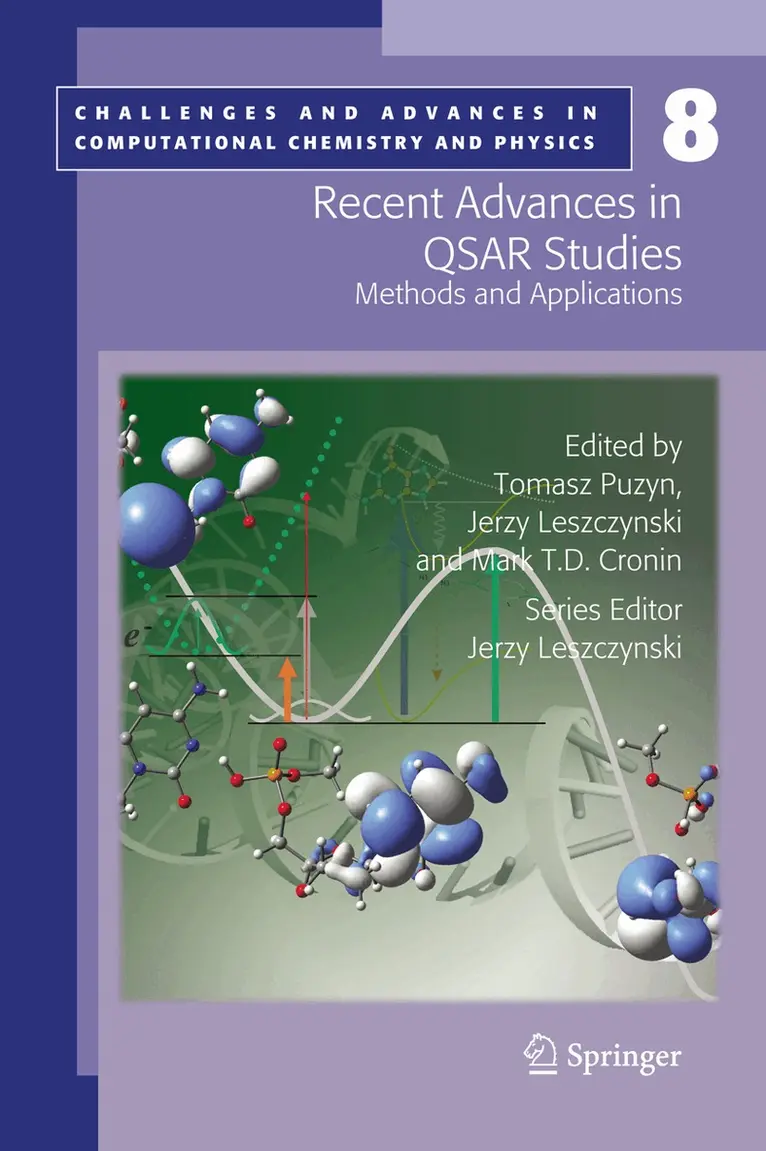
Since the inception of this volume, the world's nancial climate has radically changed. Theemphasishasshiftedfromboomingeconomiesandeconomicgrowth totherealityofrecessionanddiminishingoutlook. Witheconomicdownturncomes opportunity,inallareasofchemistryfromresearchanddevelopmentthroughto productregistrationandriskassessment,replacementsarebeingsoughtforcostly time-consumingprocesses. Leadingamongstthereplacementsaremodelswithtrue predictivecapability. Ofthesecomputationalmodelsarepreferred. This volume addresses a broad need within various areas of the "chemical industries", from pharmaceuticals and pesticides to personal products to provide computationalmethodstopredicttheeffects,activitiesandpropertiesofmolecules. Itaddressestheuseofmodelstodesignnewmoleculesandassesstheirfateand effectsbothtotheenvironmentandtohumanhealth. Thereisanemphasisrunning throughoutthisvolumetoproducerobustmodelssuitableforpurpose. Thevolume aimstoallowthereaderto nddataanddescriptorsanddevelop,discoverandutilise validmodels. Gdansk, ' Poland TomaszPuzyn Jackson,MS,USA JerzyLeszczynski Liverpool,UK MarkT. D.Cronin May2009 CONTENTS Part I Theory of QSAR 1 QuantitativeStructure-ActivityRelationships(QSARs)- ApplicationsandMethodology...3 Mark T. D. Cronin 1. 1. Introduction...3 1. 2. PurposeofQSAR...4 1. 3. ApplicationsofQSAR...4 1. 4. Methods...5 1. 5. TheCornerstonesofSuccessfulPredictiveModels ...7 1. 6. AValidated(Q)SARoraValidPrediction? ...9 1. 7. UsinginSilicoTechniques ...9 1. 8. NewAreasforinSilicoModels...11 1. 9. Conclusions...11 References ...11 2 TheUseofQuantumMechanicsDerivedDescriptorsin ComputationalToxicology...13 Steven J. Enoch 2. 1. Introduction...13 2. 2. TheSchrodingerEquation...15 2. 3. Hartree-FockTheory...17 2. 4. Semi-EmpiricalMethods:AM1andRM1...18 2. 5. ABInitio:DensityFunctionalTheory...19 2. 6. QSARforNon-ReactiveMechanismsofAcute(Aquatic) Toxicity...19 2. 7. QSARsforReactiveToxicityMechanisms...21 2. 7. 1. AquaticToxicityandSkinSensitisation...21 2. 7. 2. QSARsforMutagenicity ...24 2. 8. FutureDirectionsandOutlook...25 2. 9. Conclusions...26 References ...26 vii viii Contents 3 MolecularDescriptors...29 Viviana Consonni and Roberto Todeschini 3. 1. Introduction...29 3. 1. 1. De nitions...29 3. 1. 2. History...31 3. 1. 3. Theoreticalvs.ExperimentalDescriptors...33 3. 2. MolecularRepresentation ...35 3. 3. TopologicalIndexes...38 3. 3. 1. MolecularGraphs...38 3. 3. 2. De nitionandCalculationofTopologicalIndexes(TIs) 39 3. 3. 3. Graph-TheoreticalMatrixes...42 3. 3. 4. ConnectivityIndexes ...48 3. 3. 5. CharacteristicPolynomial ...50 3. 3. 6. SpectralIndexes ...53 3. 4. AutocorrelationDescriptors ...
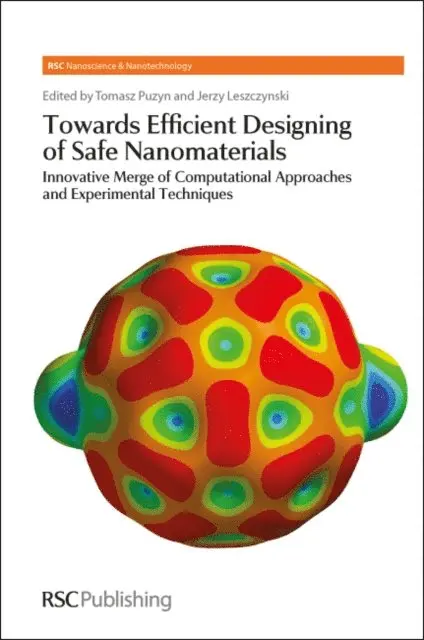
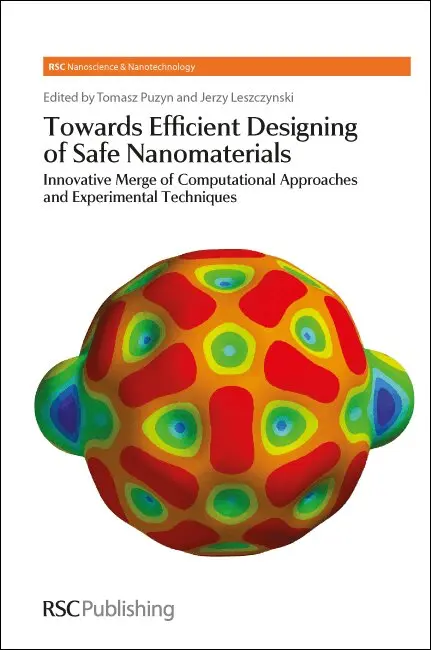
Towards Efficient Designing of Safe Nanomaterials
Innovative Merge of Computational Approaches and Experimental Techniques
Inbunden, Engelska, 2012
2 243 kr
Tillfälligt slut
The expanding field of nanotechnology is now one of the most promising areas of science. However, because some nanoparticles can have a negative impact on human health and the environment, the design of novel materials must always be accompanied by a comprehensive risk assessment. Until now, the information on the methods available has been fragmented and incomplete. This book is the first to provide a comprehensive review of recent progress and challenges in the risk assessment of nanomaterials by empirical and computational techniques. Topics covered include: benefits versus risks, carbon based nanomaterials, environmental detection and quantitative analysis, chemometric modelling, human exposure assessment, toxicity testing, nano-QSAR, risk assessment strategies, policy and regulatory frameworks.
15 744 kr
Skickas inom 10-15 vardagar
The first part briefly describes different methods used in computational chemistry without going into exhaustive details of theory. Basic assumptions common to the majority of computational methods based on either quantum or statistical mechanics are outlined. Particular attention is paid to the limits of their applicability. The second part consists of a series of sections exemplifying the various, most important applications of computational chemistry. Molecular structures, modeling of various properties of molecules and chemical reactions are discussed. Both ground and excited state properties are covered in the gas phase as well as in solutions. Solid state materials and nanomaterials are described in part three. Amongst the topics covered are clusters, periodic structures, and nano-systems. Special emphasis is placed on the environmental effects of nanostructures. Part four is devoted to an important class of materials – biomolecules. It focuses on interesting models for biological systems that are studied by computational chemists. RNA, DNA, and proteins are discussed in detail. Examples are given for calculations of their properties and interactions. The role of solvents in biologically significant reactions is revealed, as well as the relationship between molecular structure and function of various classes of biomolecules. Part five features new bonus material devoted to Chemoinformatics. This area is vital for many applications of computational methods. The section includes a discussion of basic ideas such as molecular structure, molecular descriptors and chemical similarity. Additionally, QSAR techniques and screening methods are covered. Also, available open source chemoinformatics software is presented and discussed.
2 163 kr
Skickas inom 10-15 vardagar
Since the inception of this volume, the world's nancial climate has radically changed. Theemphasishasshiftedfromboomingeconomiesandeconomicgrowth totherealityofrecessionanddiminishingoutlook. Witheconomicdownturncomes opportunity,inallareasofchemistryfromresearchanddevelopmentthroughto productregistrationandriskassessment,replacementsarebeingsoughtforcostly time-consumingprocesses. Leadingamongstthereplacementsaremodelswithtrue predictivecapability. Ofthesecomputationalmodelsarepreferred. This volume addresses a broad need within various areas of the "chemical industries", from pharmaceuticals and pesticides to personal products to provide computationalmethodstopredicttheeffects,activitiesandpropertiesofmolecules. Itaddressestheuseofmodelstodesignnewmoleculesandassesstheirfateand effectsbothtotheenvironmentandtohumanhealth. Thereisanemphasisrunning throughoutthisvolumetoproducerobustmodelssuitableforpurpose. Thevolume aimstoallowthereaderto nddataanddescriptorsanddevelop,discoverandutilise validmodels. Gdansk, ' Poland TomaszPuzyn Jackson,MS,USA JerzyLeszczynski Liverpool,UK MarkT. D.Cronin May2009 CONTENTS Part I Theory of QSAR 1 QuantitativeStructure-ActivityRelationships(QSARs)- ApplicationsandMethodology...3 Mark T. D. Cronin 1. 1. Introduction...3 1. 2. PurposeofQSAR...4 1. 3. ApplicationsofQSAR...4 1. 4. Methods...5 1. 5. TheCornerstonesofSuccessfulPredictiveModels ...7 1. 6. AValidated(Q)SARoraValidPrediction? ...9 1. 7. UsinginSilicoTechniques ...9 1. 8. NewAreasforinSilicoModels...11 1. 9. Conclusions...11 References ...11 2 TheUseofQuantumMechanicsDerivedDescriptorsin ComputationalToxicology...13 Steven J. Enoch 2. 1. Introduction...13 2. 2. TheSchrodingerEquation...15 2. 3. Hartree-FockTheory...17 2. 4. Semi-EmpiricalMethods:AM1andRM1...18 2. 5. ABInitio:DensityFunctionalTheory...19 2. 6. QSARforNon-ReactiveMechanismsofAcute(Aquatic) Toxicity...19 2. 7. QSARsforReactiveToxicityMechanisms...21 2. 7. 1. AquaticToxicityandSkinSensitisation...21 2. 7. 2. QSARsforMutagenicity ...24 2. 8. FutureDirectionsandOutlook...25 2. 9. Conclusions...26 References ...26 vii viii Contents 3 MolecularDescriptors...29 Viviana Consonni and Roberto Todeschini 3. 1. Introduction...29 3. 1. 1. De nitions...29 3. 1. 2. History...31 3. 1. 3. Theoreticalvs.ExperimentalDescriptors...33 3. 2. MolecularRepresentation ...35 3. 3. TopologicalIndexes...38 3. 3. 1. MolecularGraphs...38 3. 3. 2. De nitionandCalculationofTopologicalIndexes(TIs) 39 3. 3. 3. Graph-TheoreticalMatrixes...42 3. 3. 4. ConnectivityIndexes ...48 3. 3. 5. CharacteristicPolynomial ...50 3. 3. 6. SpectralIndexes ...53 3. 4. AutocorrelationDescriptors ...
Organic Pollutants Ten Years After the Stockholm Convention
Environmental and Analytical Update
Inbunden, Engelska, 2012
1 899 kr
Skickas inom 5-8 vardagar
2 075 kr
Skickas inom 10-15 vardagar
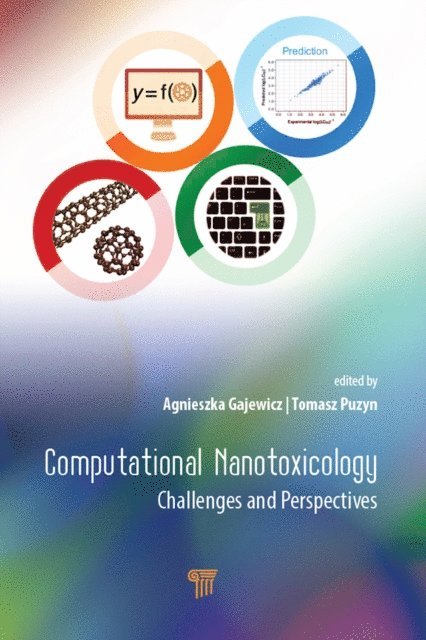
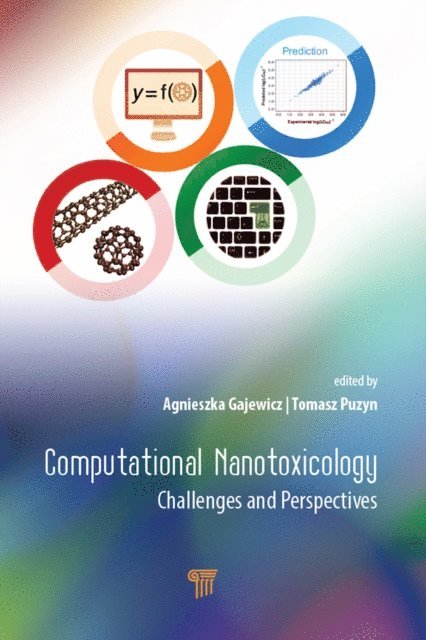
The development of computational methods that support human health and environmental risk assessment of engineered nanomaterials (ENMs) has attracted great interest because the application of these methods enables us to fill existing experimental data gaps. However, considering the high degree of complexity and multifunctionality of ENMs, computational methods originally developed for regular chemicals cannot always be applied explicitly in nanotoxicology. This book discusses the current state of the art and future needs in the development of computational modeling techniques for nanotoxicology. It focuses on (i) computational chemistry (quantum mechanics, semi-empirical methods, density functional theory, molecular mechanics, molecular dynamics), (ii) nanochemoinformatic methods (quantitative structure–activity relationship modeling, grouping, read-across), and (iii) nanobioinformatic methods (genomics, transcriptomics, proteomics, metabolomics). It reviews methods of calculating molecular descriptors sufficient to characterize the structure of nanoparticles, specifies recent trends in the validation of computational methods, and discusses ways to cope with the uncertainty of predictions. In addition, it highlights the status quo and further challenges in the application of computational methods in regulation (e.g., REACH, OECD) and in industry for product development and optimization and the future directions for increasing acceptance of computational modeling for nanotoxicology.