Tony Street – författare
Visar alla böcker från författaren Tony Street. Handla med fri frakt och snabb leverans.
6 produkter
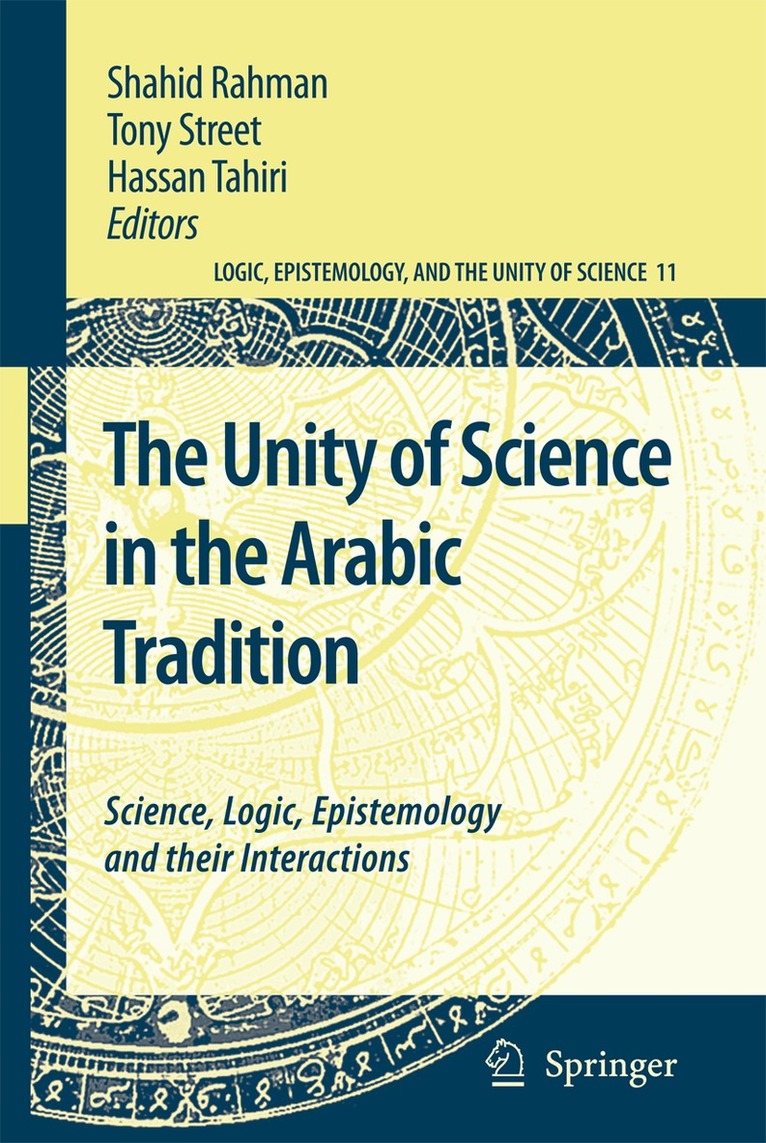
Unity of Science in the Arabic Tradition
Science, Logic, Epistemology and their Interactions
Av Shahid Rahman, Tony Street m. fl.
Inbunden, 2008
3280 kr
Lägg i varukorg
the demise of the logical positivism programme. The answers given to these qu- tions have deepened the already existing gap between philosophy and the history and practice of science. While the positivists argued for a spontaneous, steady and continuous growth of scientific knowledge the …
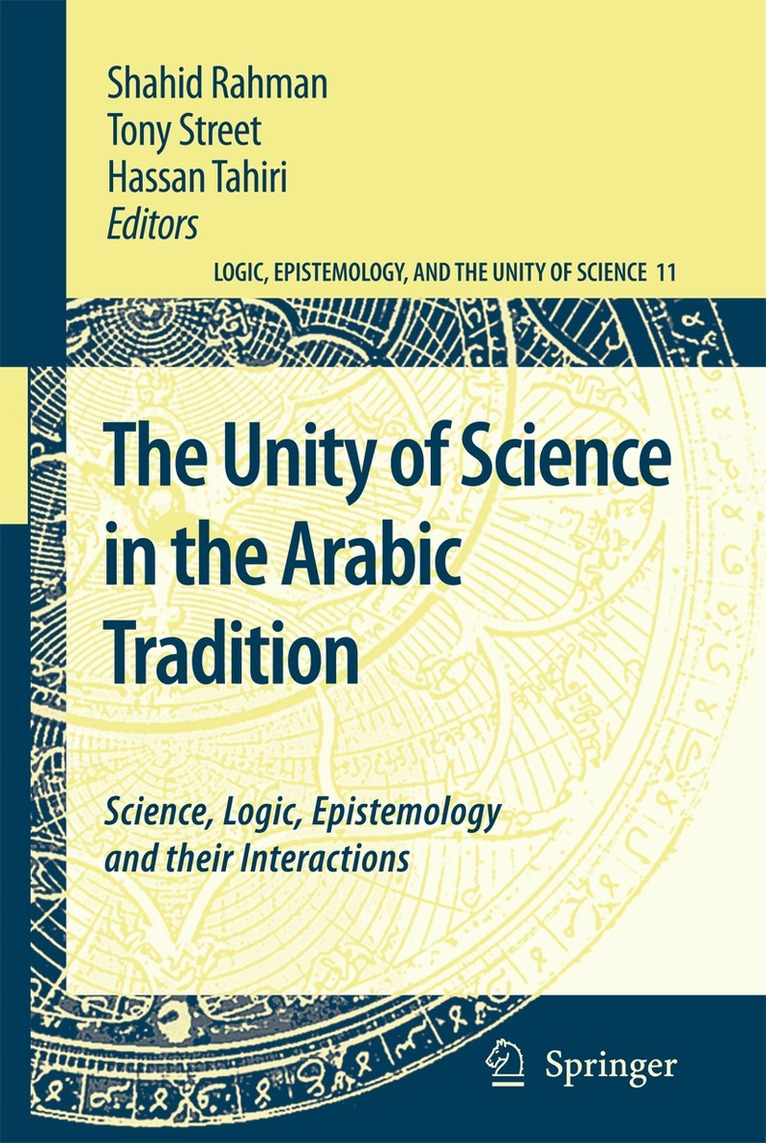
Unity of Science in the Arabic Tradition
Science, Logic, Epistemology and their Interactions
Av Hassan Tahiri, Tony Street m. fl.
E-bok, 2008
4286 kr
Lägg i varukorg
the demise of the logical positivism programme. The answers given to these qu- tions have deepened the already existing gap between philosophy and the history and practice of science. While the positivists argued for a spontaneous, steady and continuous growth of scientific knowledge the …
Najm Al-Dīn Al-Kātibī's Al-Risālah Al-Shamsiyyah
An Edition and Translation with Commentary
Av Tony Street
Inbunden, 2024
986 kr
Lägg i varukorg
A scholarly edition of a classic textbook on logic Najm al-Dīn al-Kātibī's al-Risālah al-Shamsiyyah is a scholarly edition and translation of The Rules of Logic, with commentary and notes. Composed by Najm al-Dīn al-Kātibī, a scholar of the Shāfiʿī school of law, al-Risālah al-Shamsiyyah is the …
Rules of Logic
Av Najm al-Dīn al-Kātibī, Tony Street
Inbunden, 2024
399 kr
Lägg i varukorg
A classic textbook on the study of logicIn the Muslim East, logic was an integral part of the syllabus of schools and found to be especially helpful for legal studies. It was at this time that The Rules of Logic was composed by Najm al-Dīn al-Kātibī, a scholar of the Shāfiʿī school of law.The Rules …
Unity of Science in the Arabic Tradition
Science, Logic, Epistemology and their Interactions
Av Shahid Rahman, Tony Street m. fl.
Häftad, 2010
3272 kr
Lägg i varukorg
the demise of the logical positivism programme. The answers given to these qu- tions have deepened the already existing gap between philosophy and the history and practice of science. While the positivists argued for a spontaneous, steady and continuous growth of scientific knowledge the …