Trent L. McDonald – författare
Visar alla böcker från författaren Trent L. McDonald. Handla med fri frakt och snabb leverans.
5 produkter
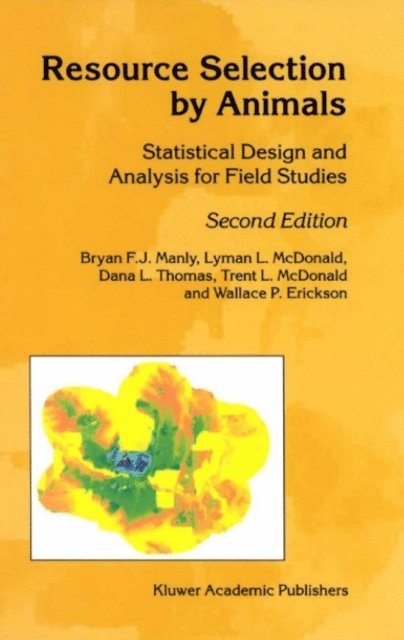
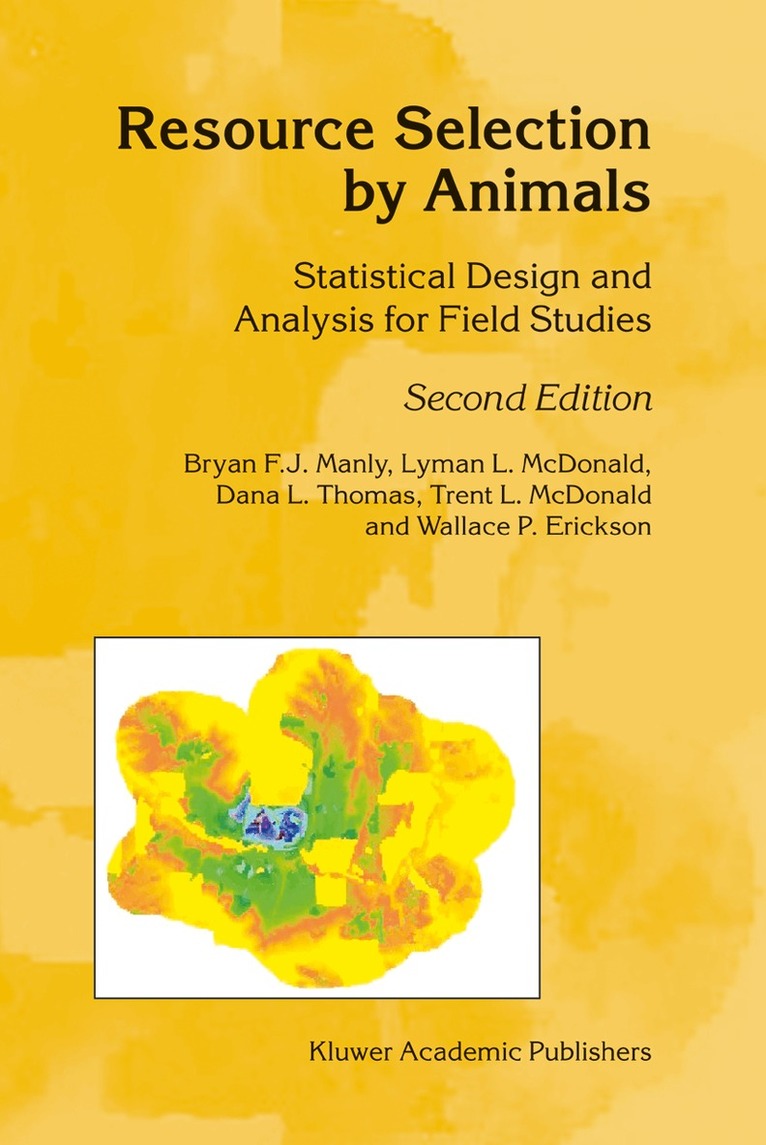
Resource Selection by Animals
Statistical Design and Analysis for Field Studies
Av Wallace P. Erickson, Trent L. McDonald m. fl.
E-bok, 2007
2543 kr
Lägg i varukorg
We have written this book as a guide to the design and analysis of field studies of resource selection, concentrating primarily on statistical aspects of the comparison of the use and availability of resources of different types. Our intended audience is field ecologists in general and, in …
Handbook of Capture-Recapture Analysis
Av Steven C. Amstrup, Trent L. McDonald m. fl.
Häftad, 2005
951 kr
Lägg i varukorg
Every day, biologists in parkas, raincoats, and rubber boots go into the field to capture and mark a variety of animal species. Back in the office, statisticians create analytical models for the field biologists' data. But many times, representatives of the two professions do not fully understand …
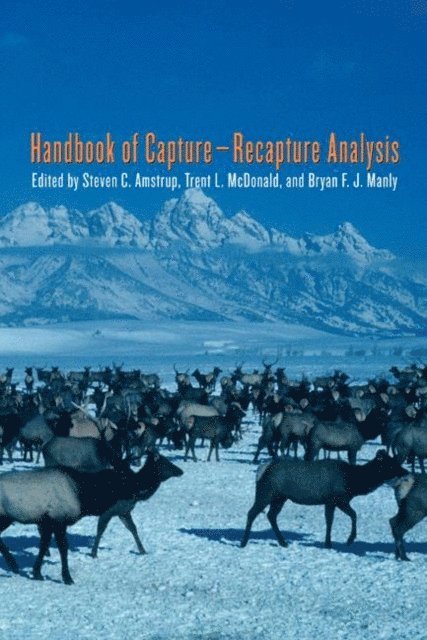
Handbook of Capture-Recapture Analysis
Av Bryan F. J. Manly, Trent L. McDonald m. fl.
E-bok, 2010
1312 kr
Lägg i varukorg
Every day, biologists in parkas, raincoats, and rubber boots go into the field to capture and mark a variety of animal species. Back in the office, statisticians create analytical models for the field biologists'' data. But many times, representatives of the two professions do not fully understand …
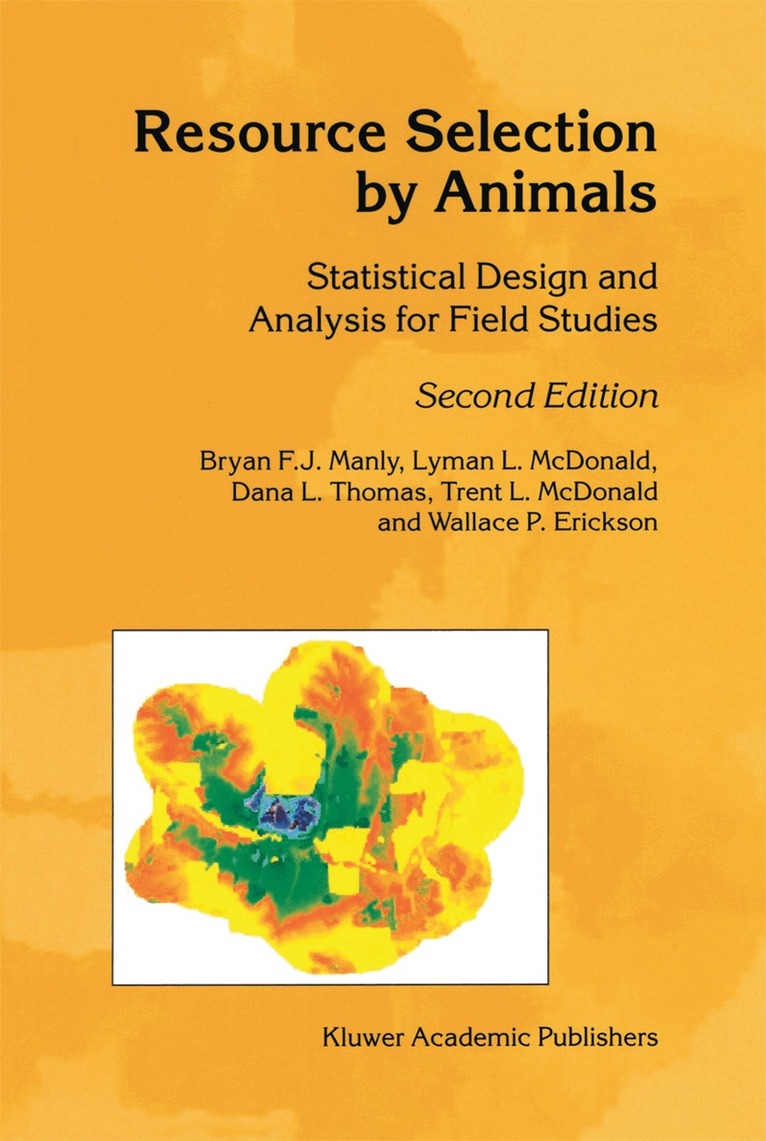
Resource Selection by Animals
Statistical Design and Analysis for Field Studies
Av B.F. Manly, L. McDonald m. fl.
Inbunden, 2002
1970 kr
Lägg i varukorg
We have written this book as a guide to the design and analysis of field studies of resource selection, concentrating primarily on statistical aspects of the comparison of the use and availability of resources of different types. Our intended audience is field ecologists in general and, in …
Resource Selection by Animals
Statistical Design and Analysis for Field Studies
Av B.F. Manly, L. McDonald m. fl.
Häftad, 2010
1970 kr
Lägg i varukorg
We have written this book as a guide to the design and analysis of field studies of resource selection, concentrating primarily on statistical aspects of the comparison of the use and availability of resources of different types. Our intended audience is field ecologists in general and, in …