Tuong Vu - Böcker
Visar alla böcker från författaren Tuong Vu. Handla med fri frakt och snabb leverans.
18 produkter
18 produkter
1 245 kr
Skickas inom 7-10 vardagar
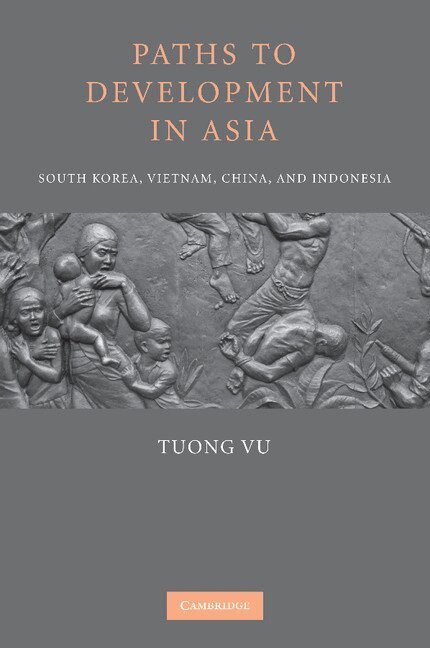
Why have some states in the developing world been more successful at facilitating industrialization than others? Challenging theories that privilege industrial policy and colonial legacies, this book focuses on state structure and the politics of state formation, arguing that a cohesive state structure is as important to developmental success as effective industrial policy. Based on a comparison of six Asian cases, including both capitalist and socialist states with varying structural cohesion, Tuong Vu proves that it is state formation politics rather than colonial legacies that have had decisive and lasting impacts on the structures of emerging states. His cross-national comparison of South Korea, Vietnam, Republican and Maoist China, and Sukarno's and Suharto's Indonesia, which is augmented by in-depth analyses of state formation processes in Vietnam and Indonesia, is an important contribution to understanding the dynamics of state formation and economic development in Asia.
1 466 kr
Skickas inom 10-15 vardagar
This book argues that Southeast Asian political studies have made important contributions to theory building in comparative politics through a dialogue involving theory, area studies, and qualitative methodology. The book provides a state-of-the-art review of key topics in the field, including: state structures, political regimes, political parties, contentious politics, civil society, ethnicity, religion, rural development, globalization, and political economy. The chapters allow readers to trace the development of Southeast Asian politics and to address central debates in comparative politics. The book will serve as a valuable reference for undergraduate and graduate students, scholars of Southeast Asian politics, and comparativists engaged in theoretical debates at the heart of political science.
362 kr
Skickas inom 7-10 vardagar
This book argues that Southeast Asian political studies have made important contributions to theory building in comparative politics through a dialogue involving theory, area studies, and qualitative methodology. The book provides a state-of-the-art review of key topics in the field, including: state structures, political regimes, political parties, contentious politics, civil society, ethnicity, religion, rural development, globalization, and political economy. The chapters allow readers to trace the development of Southeast Asian politics and to address central debates in comparative politics. The book will serve as a valuable reference for undergraduate and graduate students, scholars of Southeast Asian politics, and comparativists engaged in theoretical debates at the heart of political science.
750 kr
Skickas inom 7-10 vardagar
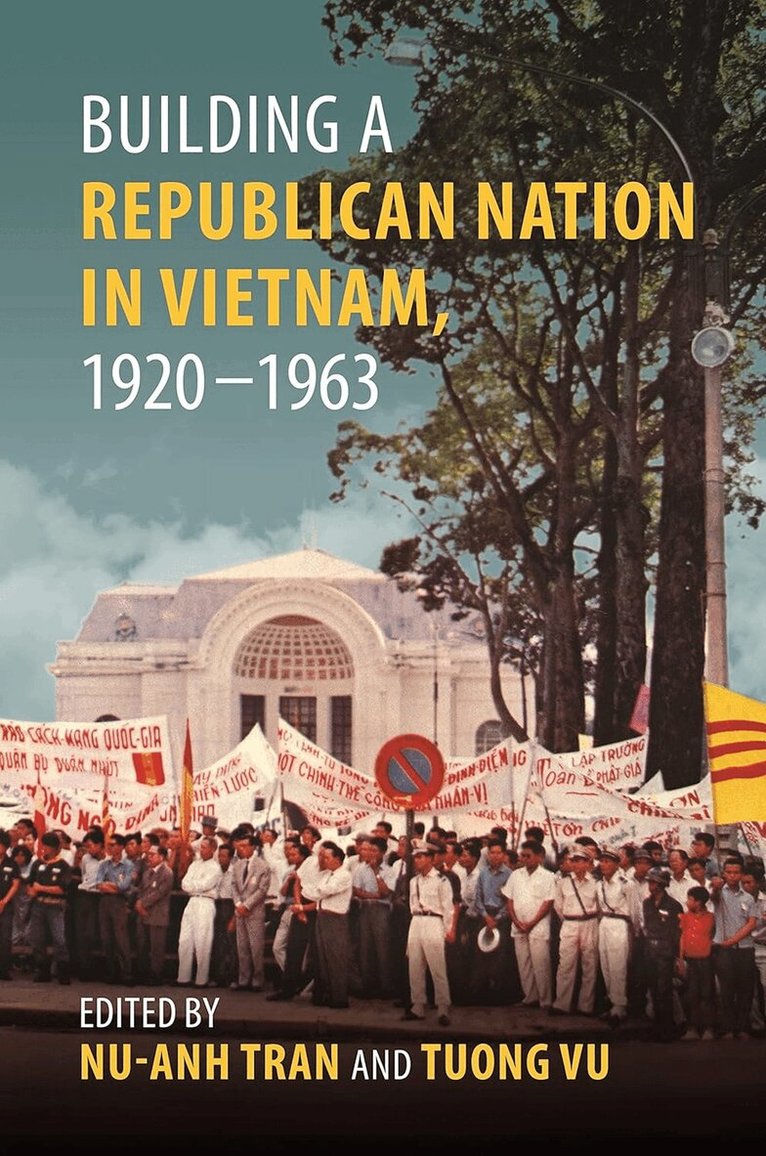
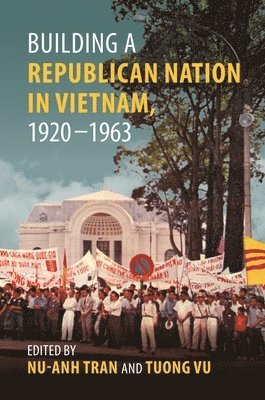
Western observers have long considered communism to be synonymous with Vietnam’s modern historical experience. Eager to make sense of the North Vietnamese victory in the Vietnam War, scholars and journalists have spilled much ink on the history of Vietnamese communists. But this preoccupation has obscured the diversity of ideas and experiences that defined Vietnam in the twentieth century, in which communism represented just one of many tendencies. Building a Republican Nation in Postcolonial Vietnam, 1920–1963, posits that republicanism shaped modern Vietnam no less profoundly than communism. Republicans championed representative government, the universal rights of man, civil liberties, and the primacy of the nation. These ideas infused the thinking of Vietnamese reformers, dissidents, and revolutionaries from the 1900s onward, including many men and women who went on to lead the struggle for independence. Republicanism was also one of the chief inspirations for the establishment of the Republic of Vietnam (also known as South Vietnam) in 1955.This interdisciplinary volume brings together eleven essays by historians, political scientists, literary scholars, and sociologists, who make use of fresh sources to study the development of republicanism from the colonial period to the First Republic of Vietnam (1955–1963). The introduction by coeditors Nu-Anh Tran and Tuong Vu critically analyzes the existing scholarship on the First Republic, explains how the concept of republicanism can illuminate developments in the Saigon-based state, and situates the regime in a comparative context with South Korea. Peter Zinoman’s chapter reviews the historiography on republicanism and modern Vietnam and heralds the arrival of the "republican moment" in the field of Vietnam studies. Several chapters by Nguyễn Lương Hải Khôi, Martina Thucnhi Nguyen, and Yen Vu examine the transformation of republican ideas. Nu-Anh Tran and Duy Lap Nguyen explore competing concepts of democracy and the factional politics of the First Republic. The essays by Jason Picard, Cindy Nguyen, Hoàng Phong Tuấn, Nguyễn Thị Minh, and Y Thien Nguyen analyze nation- and state-building efforts in the 1950s and 1960s. Collectively, the essays give voice to Vietnamese republicans, from the ideas they espoused to the institutions they built and the legacies they left behind.
291 kr
Skickas inom 7-10 vardagar
Western observers have long considered communism to be synonymous with Vietnam’s modern historical experience. Eager to make sense of the North Vietnamese victory in the Vietnam War, scholars and journalists have spilled much ink on the history of Vietnamese communists. But this preoccupation has obscured the diversity of ideas and experiences that defined Vietnam in the twentieth century, in which communism represented just one of many tendencies. Building a Republican Nation in Vietnam, 1920–1963, posits that republicanism shaped modern Vietnam no less profoundly than communism. Republicans championed representative government, the universal rights of man, civil liberties, and the primacy of the nation. These ideas infused the thinking of Vietnamese reformers, dissidents, and revolutionaries from the 1900s onward, including many men and women who went on to lead the struggle for independence. Republicanism was also one of the chief inspirations for the establishment of the Republic of Vietnam (also known as South Vietnam) in 1955.This interdisciplinary volume brings together eleven essays by historians, political scientists, literary scholars, and sociologists, who make use of fresh sources to study the development of republicanism from the colonial period to the First Republic of Vietnam (1955–1963). The introduction by coeditors Nu-Anh Tran and Tuong Vu critically analyzes the existing scholarship on the First Republic, explains how the concept of republicanism can illuminate developments in the Saigon-based state, and situates the regime in a comparative context with South Korea. Peter Zinoman’s chapter reviews the historiography on republicanism and modern Vietnam and heralds the arrival of the "republican moment" in the field of Vietnam studies. Several chapters by Nguyễn Lương Hải Khôi, Martina Thucnhi Nguyen, and Yen Vu examine the transformation of republican ideas. Nu-Anh Tran and Duy Lap Nguyen explore competing concepts of democracy and the factional politics of the First Republic. The essays by Jason Picard, Cindy Nguyen, Hoàng Phong Tuấn, Nguyễn Thị Minh, and Y Thien Nguyen analyze nation- and state-building efforts in the 1950s and 1960s. Collectively, the essays give voice to Vietnamese republicans, from the ideas they espoused to the institutions they built and the legacies they left behind.
750 kr
Skickas inom 7-10 vardagar
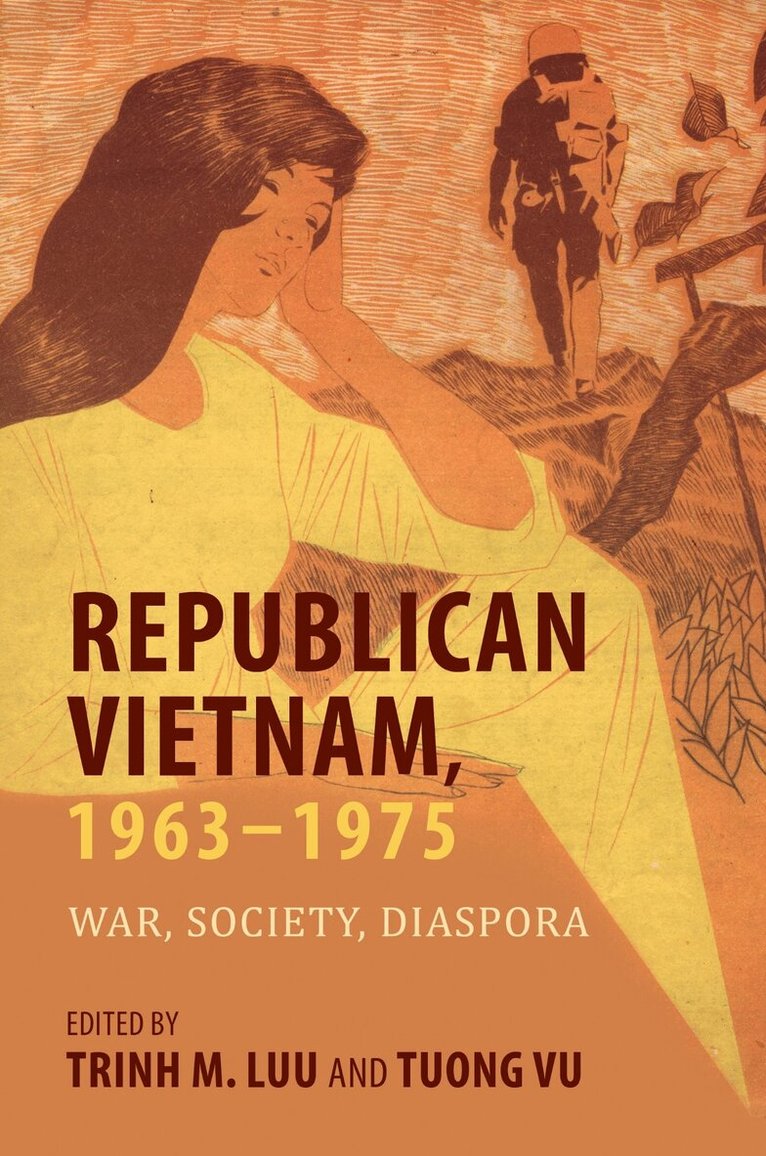
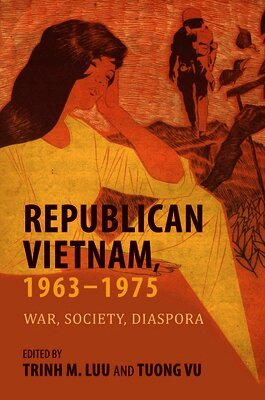
English-language scholarship all too often dismisses South Vietnam as an American creation, a product of US imperialism. Republican Vietnam boldly upends this depiction, exposing a diverse and dynamic portrait of the Second Republic. In twelve essays, each based on original archival research, the volume brings to life the Second Republic in all its complexities, displaying how politicians, students, educators, publishers, journalists, musicians, religious leaders, businessmen, and ordinary citizens built a highly intricate society—with dazzling entrepreneurial zeal, an outspoken press, globally engaged religions, a vibrant intellectual and associational culture, and a level of artistic production that remains unmatched since the Vietnam War. That inspired and frenzied age, though short lived, held a resilient spirit that Vietnamese refugees have kept alive. The trove of vernacular music and print media, not to mention the many associations the Vietnamese diaspora founded, exemplify the republican values that once energized South Vietnamese culture. But this nuanced society has appeared in popular media and American scholarship as a hopelessly dependent nation, led by corrupt dictators beholden to US interests. In contrast to such negative stereotypes, this account situates South Vietnamese front and center as agents of their own histories. Republican Vietnam is the first collection of scholarly essays on the Second Republic since the end of the Vietnam War. It is also among the first to use republicanism as a lens to re-examine twentieth-century Vietnamese history, the Vietnam War, and the diaspora. The twelve essays together show how war, in tandem with external intervention, shaped South Vietnam’s economy, culture, and the life of every individual and family. By featuring works from Vietnamese and Vietnamese diasporic studies, this text takes the important step of bridging the two fields, laying the foundation for cross-disciplinary projects in the future.
1 323 kr
Skickas inom 7-10 vardagar
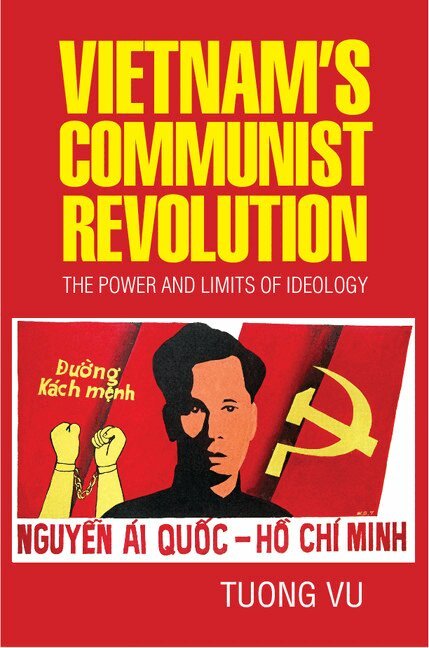
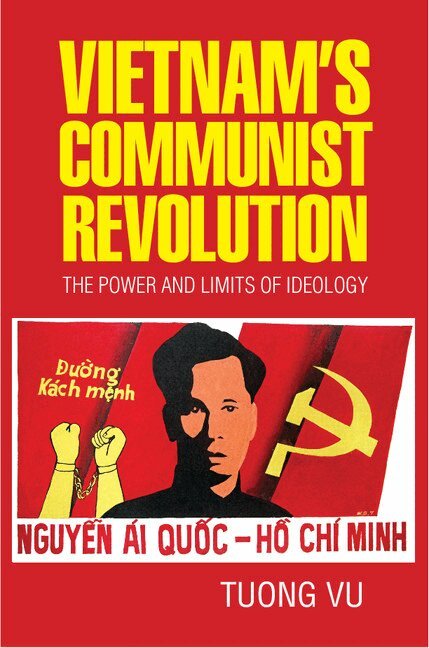
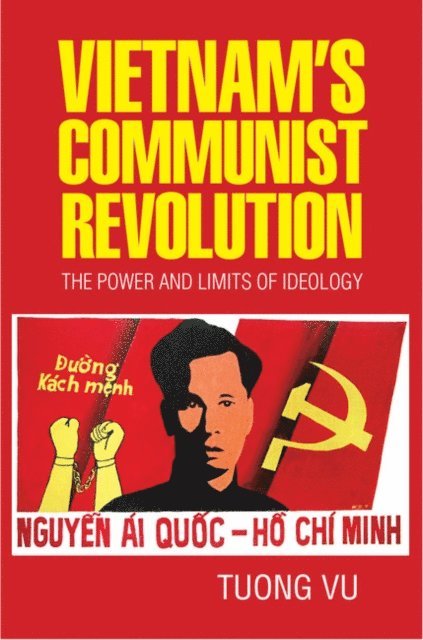
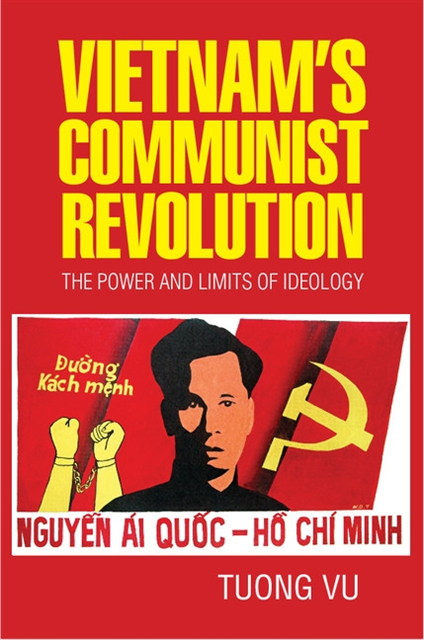
By tracing the evolving worldview of Vietnamese communists over 80 years as they led Vietnam through wars, social revolution, and peaceful development, this book shows the depth and resilience of their commitment to the communist utopia in their foreign policy. Unearthing new material from Vietnamese archives and publications, this book challenges the conventional scholarship and the popular image of the Vietnamese revolution and the Vietnam War as being driven solely by patriotic inspirations. The revolution not only saw successes in defeating foreign intervention, but also failures in bringing peace and development to Vietnam. This was, and is, the real tragedy of Vietnam. Spanning the entire history of the Vietnamese revolution and its aftermath, this book examines its leaders' early rise to power, the tumult of three decades of war with France, the US, and China, and the stubborn legacies left behind which remain in Vietnam today.
428 kr
Skickas inom 7-10 vardagar
Why have some states in the developing world been more successful at facilitating industrialization than others? Challenging theories that privilege industrial policy and colonial legacies, this book focuses on state structure and the politics of state formation, arguing that a cohesive state structure is as important to developmental success as effective industrial policy. Based on a comparison of six Asian cases, including both capitalist and socialist states with varying structural cohesion, Tuong Vu proves that it is state formation politics rather than colonial legacies that have had decisive and lasting impacts on the structures of emerging states. His cross-national comparison of South Korea, Vietnam, Republican and Maoist China, and Sukarno's and Suharto's Indonesia, which is augmented by in-depth analyses of state formation processes in Vietnam and Indonesia, is an important contribution to understanding the dynamics of state formation and economic development in Asia.
422 kr
Skickas inom 7-10 vardagar
By tracing the evolving worldview of Vietnamese communists over 80 years as they led Vietnam through wars, social revolution, and peaceful development, this book shows the depth and resilience of their commitment to the communist utopia in their foreign policy. Unearthing new material from Vietnamese archives and publications, this book challenges the conventional scholarship and the popular image of the Vietnamese revolution and the Vietnam War as being driven solely by patriotic inspirations. The revolution not only saw successes in defeating foreign intervention, but also failures in bringing peace and development to Vietnam. This was, and is, the real tragedy of Vietnam. Spanning the entire history of the Vietnamese revolution and its aftermath, this book examines its leaders' early rise to power, the tumult of three decades of war with France, the US, and China, and the stubborn legacies left behind which remain in Vietnam today.
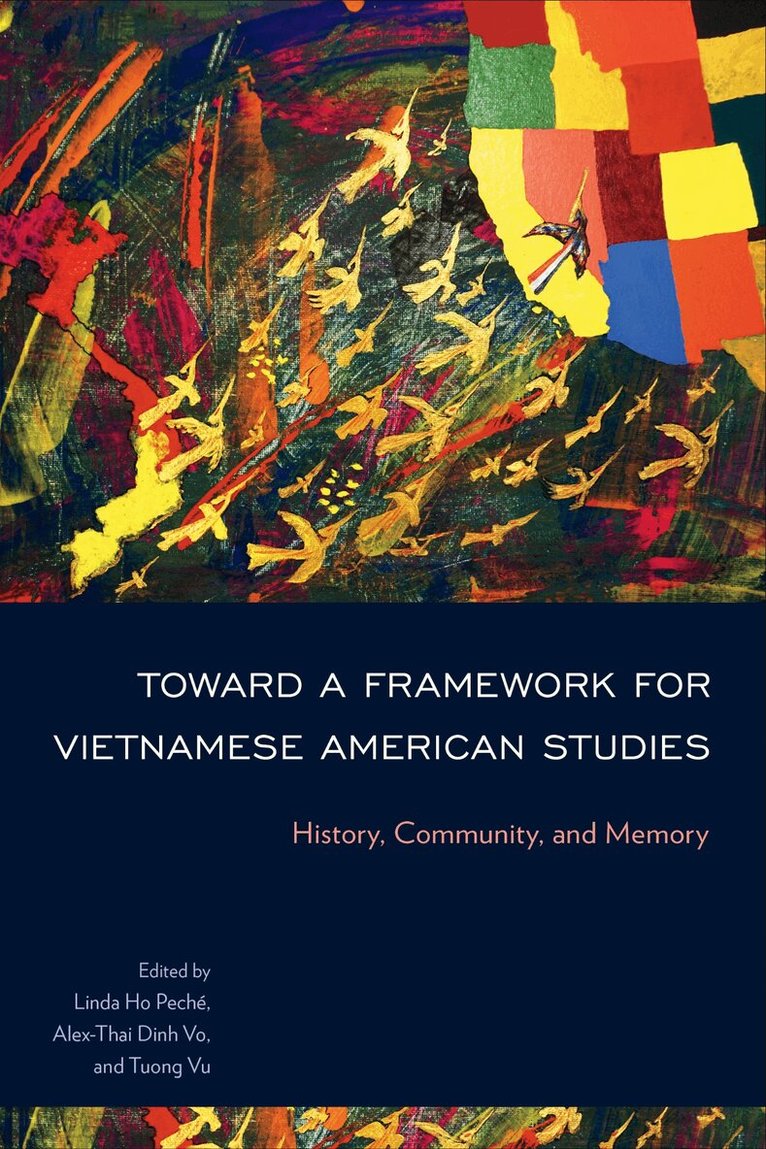
Toward a Framework for Vietnamese American Studies
History, Community, and Memory
Inbunden, Engelska, 2023
1 521 kr
Skickas inom 7-10 vardagar
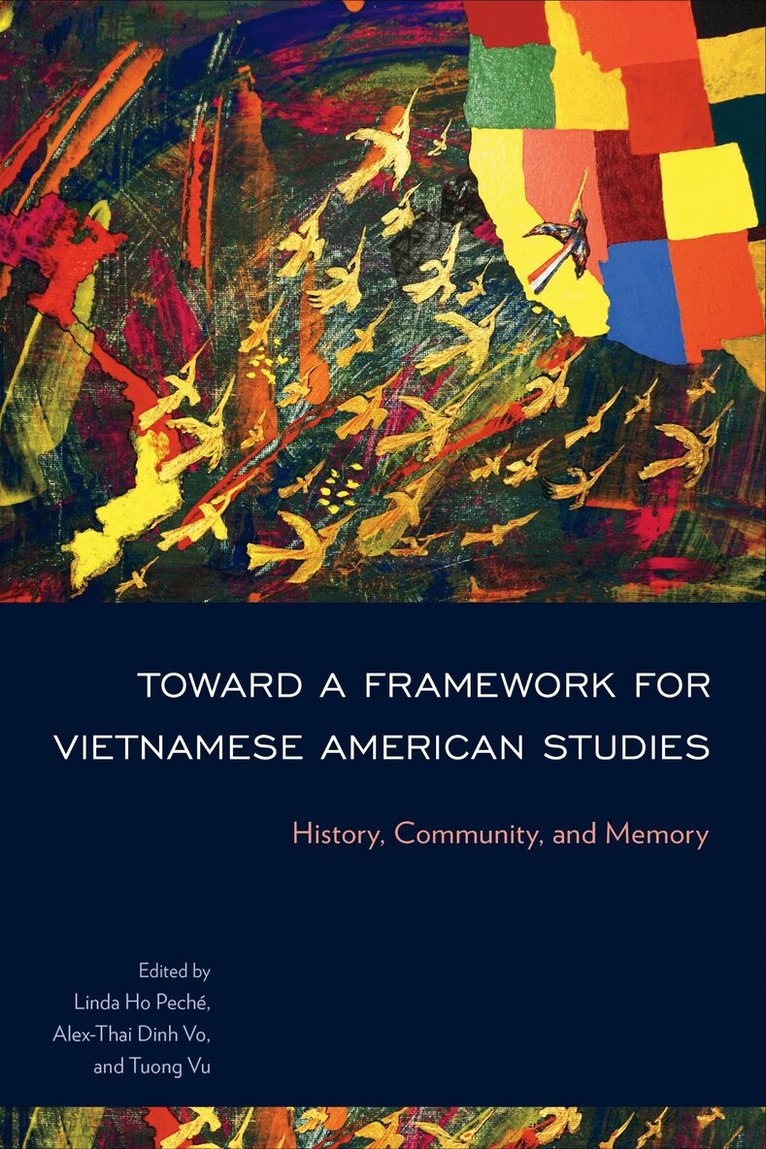
The large number of Vietnamese refugees that resettled in the United States since the fall of Saigon have become America’s fastest growing immigrant group. Toward a Framework for Vietnamese American Studies traces the ideologies, networks, and cultural sensibilities that have long influenced and continue to transform social, political, and economic developments in Vietnam and the U.S. Moving beyond existing approaches, the editors and contributors to this volume-the first to craft a working framework for researching, teaching, and learning about this dynamic community-present a new Vietnamese American historiography that began in South Vietnam. They provide deep-dive explorations into community development, political activism, civic participation and engagement, as well as entrepreneurial endeavors. Chapters offer new concepts and epistemological approaches to how legacy and memory is nurtured, produced and circulated in the Vietnamese diaspora. Toward a Framework for Vietnamese American Studies seeks to better understand the rapidly changing landscape of Vietnamese American diaspora.Contributors: Duyen Bui, Christian Collet, Wynn Gadkar-Wilcox, Elwing Suong Gonzalez, Tuan Hoang, Jennifer A. Huynh, Y Thien Nguyen, Nguyen Vu Hoang, Van Nguyen-Marshall, Thien-Huong Ninh, Hai-Dang Phan, Ivan V. Small, Quan Tue Tran, Thuy Vo Dang, and the editors
Toward a Framework for Vietnamese American Studies
History, Community, and Memory
Häftad, Engelska, 2023
480 kr
Skickas inom 7-10 vardagar
The large number of Vietnamese refugees that resettled in the United States since the fall of Saigon have become America’s fastest growing immigrant group. Toward a Framework for Vietnamese American Studies traces the ideologies, networks, and cultural sensibilities that have long influenced and continue to transform social, political, and economic developments in Vietnam and the U.S. Moving beyond existing approaches, the editors and contributors to this volume-the first to craft a working framework for researching, teaching, and learning about this dynamic community-present a new Vietnamese American historiography that began in South Vietnam. They provide deep-dive explorations into community development, political activism, civic participation and engagement, as well as entrepreneurial endeavors. Chapters offer new concepts and epistemological approaches to how legacy and memory is nurtured, produced and circulated in the Vietnamese diaspora. Toward a Framework for Vietnamese American Studies seeks to better understand the rapidly changing landscape of Vietnamese American diaspora.Contributors: Duyen Bui, Christian Collet, Wynn Gadkar-Wilcox, Elwing Suong Gonzalez, Tuan Hoang, Jennifer A. Huynh, Y Thien Nguyen, Nguyen Vu Hoang, Van Nguyen-Marshall, Thien-Huong Ninh, Hai-Dang Phan, Ivan V. Small, Quan Tue Tran, Thuy Vo Dang, and the editors
1 597 kr
Skickas inom 10-15 vardagar
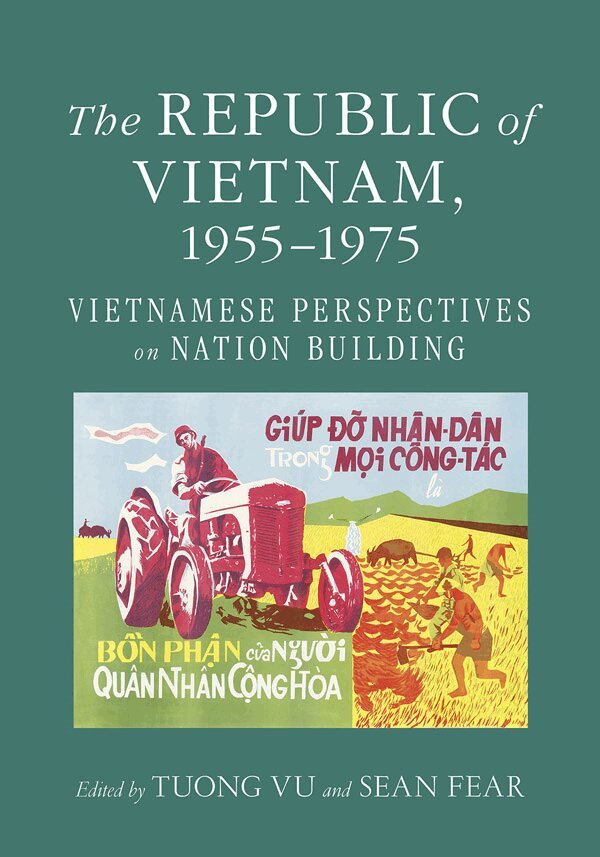
Through the voices of senior officials, teachers, soldiers, journalists, and artists, The Republic of Vietnam, 1955–1975, presents us with an interpretation of "South Vietnam" as a passionately imagined nation in the minds of ordinary Vietnamese, rather than merely as an expeditious political construct of the United States government.The moving and honest memoirs collected, translated, and edited here by Tuong Vu and Sean Fear describe the experiences of war, politics, and everyday life for people from many walks of life during the fraught years of Vietnam's Second Republic, leading up to and encompassing what Americans generally call the "Vietnam War." The voices gift the reader a sense of the authors' experiences in the Republic and their ideas about the nation during that time. The light and careful editing hand of Vu and Fear reveals that far from a Cold War proxy struggle, the conflict in Vietnam featured a true ideological divide between the communist North and the non-communist South.
268 kr
Skickas inom 10-15 vardagar
Through the voices of senior officials, teachers, soldiers, journalists, and artists, The Republic of Vietnam, 1955–1975, presents us with an interpretation of "South Vietnam" as a passionately imagined nation in the minds of ordinary Vietnamese, rather than merely as an expeditious political construct of the United States government.The moving and honest memoirs collected, translated, and edited here by Tuong Vu and Sean Fear describe the experiences of war, politics, and everyday life for people from many walks of life during the fraught years of Vietnam's Second Republic, leading up to and encompassing what Americans generally call the "Vietnam War." The voices gift the reader a sense of the authors' experiences in the Republic and their ideas about the nation during that time. The light and careful editing hand of Vu and Fear reveals that far from a Cold War proxy struggle, the conflict in Vietnam featured a true ideological divide between the communist North and the non-communist South.
285 kr
Skickas inom 5-8 vardagar
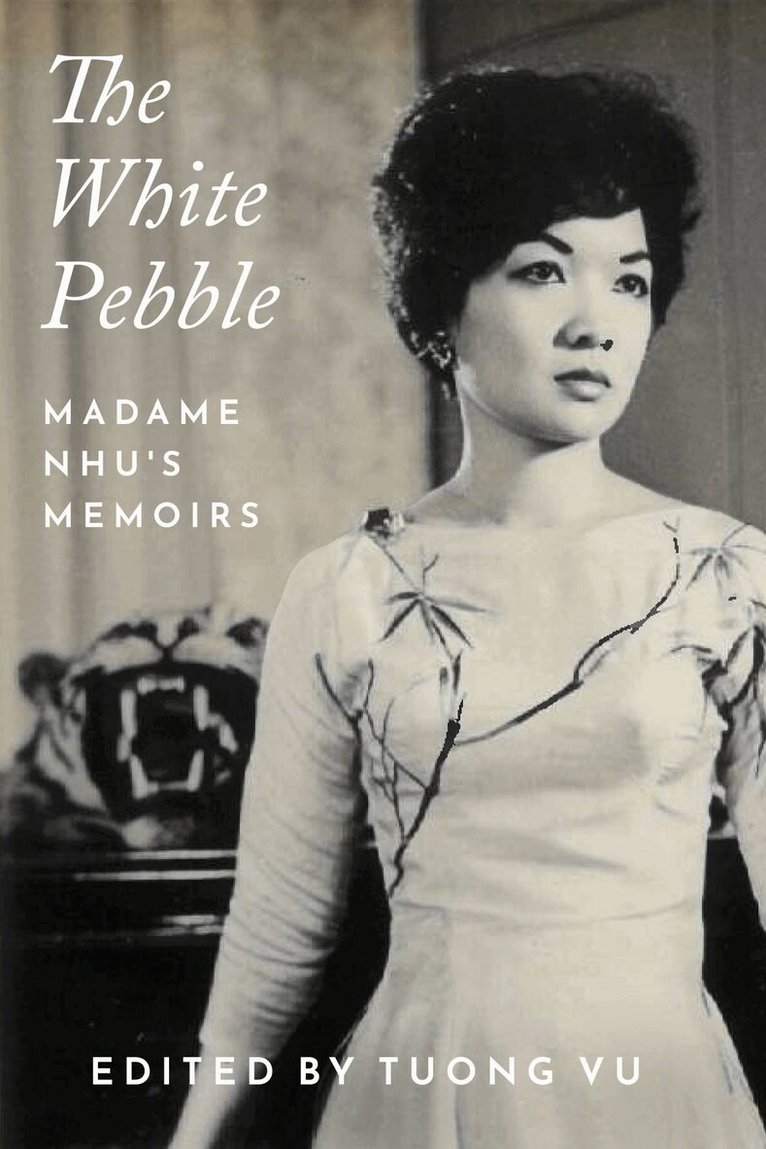
No other Vietnamese family in modern time had such an intense involvement in high politics and public affairs as the Ngô-Đìnhs. Through the tenure of President Ngô-Đình Diệm of the Republic of Vietnam (1955–1963), this family helped shape Vietnamese history in numerous ways. President Diệm’s rule in South Vietnam was perceived by many to be authoritarian and nepotistic, but it is important for historians in general and for anyone interested in Vietnamese history in particular to learn more about his family members who played such important roles in his government. How did they see themselves, their country, and their compatriots? How did each member of the family think of others? How did they view the family’s role in history? Sixty years after the death Ngô-Đình Nhu, English-language readers can now learn about Madame Ngô-Đình Nhu’s life from her own words and recollections. Of all the Ngô-Đìnhs, Madame Ngô-Đình Nhu (Trần Lệ Xuân) was perhaps the most controversial figure. In this posthumous memoir translated from French,Madame Nhu narrates important events in her life, from her childhood to her marriage to Mr. Nhu, from her time in Huế during the Franco-Vietnamese war to the happy years of the Diệm government, and from her forced exile to the last days of her life. A complex individual and a strong-willed woman who refused to accept the terrible hands fate dealt her, Madame Nhu bared her pains, lamented the plight of Vietnam, and railed against the foreign powers that meddled in Vietnamese affairs. In an essay accompanying their mother’s narrative in The White Pebble, the late Ngô-Đình Lệ Quyên and Ngô-Đình Quỳnh (along with Jacqueline Willemetz) join their mother to defend the integrity of the Diệm government and the Ngô-Đình family against their critics. By telling the family’s history alongside that of the Vietnamese nation, Ngô-Đình Nhu’s children wanted to demonstrate the sincerity and depth of patriotism in the family.This book not only provides a unique account of Madame Nhu and the Ngô-Đình family by its members but also illuminates politics in Republican Vietnam and its troubled relationship with the United States.
537 kr
Skickas inom 3-6 vardagar
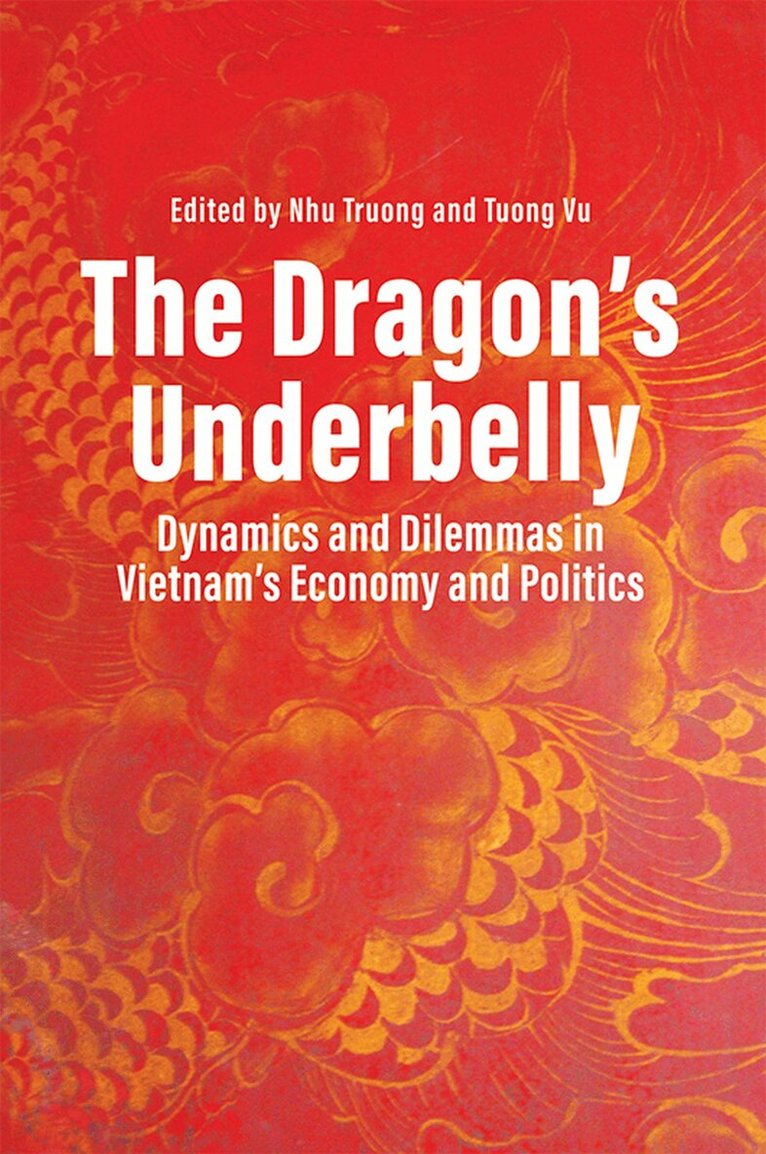
This book shows why Vietnam has not become the dragon it is often touted to be. The team of authors include both long-time observers and junior scholars who present cutting-edge research on the latest trends as well as major challenges facing the country's economy and political system. As Vietnam seeks to escape from poverty and the legacies of mistaken socialist policies, its economy has become fully integrated into the global economy. Yet, without an effective and far-sighted leadership, it is still occupying a low position in the global value chains and becoming increasingly dependent on China. Politically, after three decades of reform, the Vietnamese Communist Party's grip on power has well adapted to the market economy, but is confronting deep vulnerabilities as observed in its eroding ability to control workers, the media, public universities, and state-owned enterprises. The book also includes a section that applies formal and statistical methods to compare Vietnam with China in two critical areas of political accountability and anti-corruption policy.
519 kr
Skickas inom 5-8 vardagar
663 kr
Skickas inom 5-8 vardagar
291 kr
Skickas inom 7-10 vardagar
English-language scholarship all too often dismisses South Vietnam as an American creation, a product of US imperialism. Republican Vietnam, 1963–1975 boldly upends this depiction, exposing a diverse and dynamic portrait of the Second Republic. In twelve essays, each based on original archival research, the volume brings to life the Second Republic in all its complexities, displaying how politicians, students, educators, publishers, journalists, musicians, religious leaders, businessmen, and ordinary citizens built a highly intricate society—with dazzling entrepreneurial zeal, an outspoken press, globally engaged religions, a vibrant intellectual and associational culture, and a level of artistic production that remains unmatched since the Vietnam War. That inspired and frenzied age, though short lived, held a resilient spirit that Vietnamese refugees have kept alive. The trove of vernacular music and print media, not to mention the many associations the Vietnamese diaspora founded, exemplify the republican values that once energized South Vietnamese culture. But this nuanced society has appeared in popular media and American scholarship as a hopelessly dependent nation, led by corrupt dictators beholden to US interests. In contrast to such negative stereotypes, this account situates South Vietnamese front and center as agents of their own histories. Republican Vietnam is the first collection of scholarly essays on the Second Republic since the end of the Vietnam War. It is also among the first to use republicanism as a lens to re-examine twentieth-century Vietnamese history, the Vietnam War, and the diaspora. The twelve essays together show how war, in tandem with external intervention, shaped South Vietnam’s economy, culture, and the life of every individual and family. By featuring works from Vietnamese and Vietnamese diasporic studies, this text takes the important step of bridging the two fields, laying the foundation for cross-disciplinary projects in the future.