Umair Riaz – författare
Visar alla böcker från författaren Umair Riaz. Handla med fri frakt och snabb leverans.
9 produkter
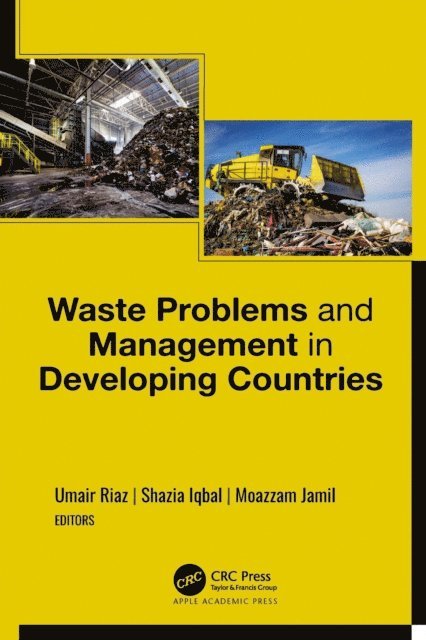
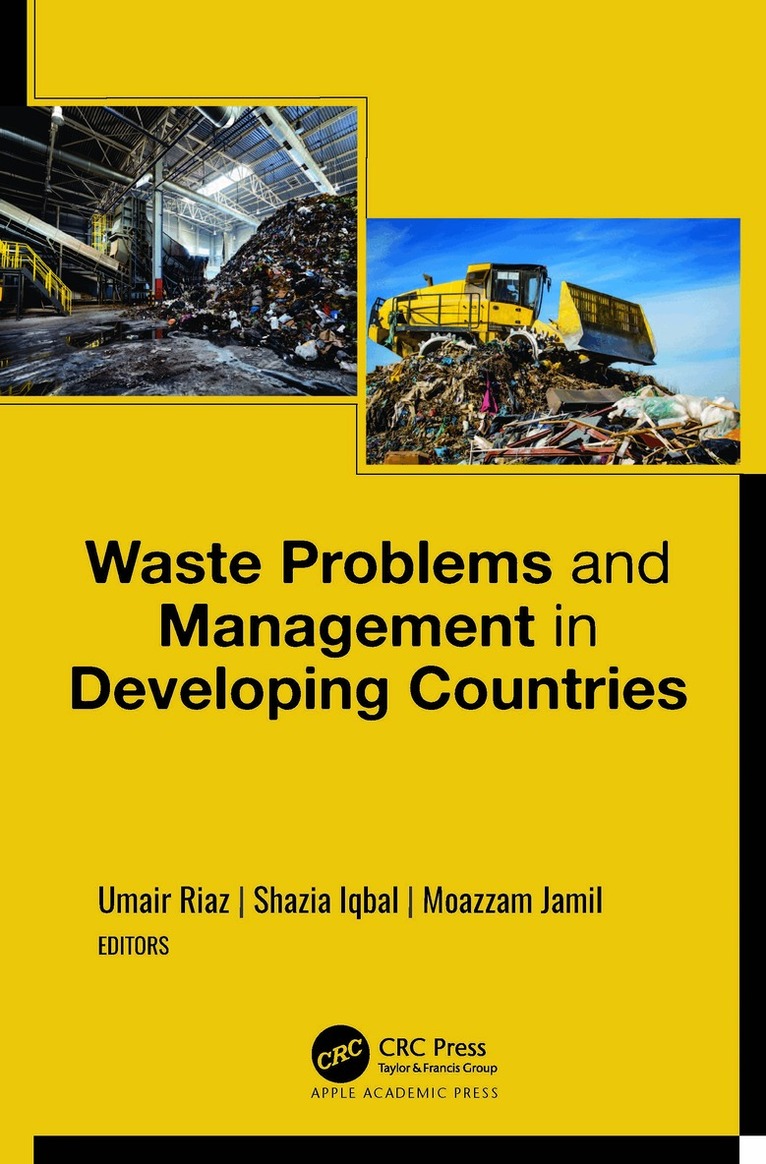
Waste Problems and Management in Developing Countries
Av Moazzam Jamil, Shazia Iqbal m. fl.
E-bok, 2023
2355 kr
Lägg i varukorg
This new volume offers effective solutions to the mismanagement of waste, particularly in developing countries, by providing an understanding of different types of wastes, their generation, and use of advanced technologies for waste management, and by focusing on integrating the technical and …
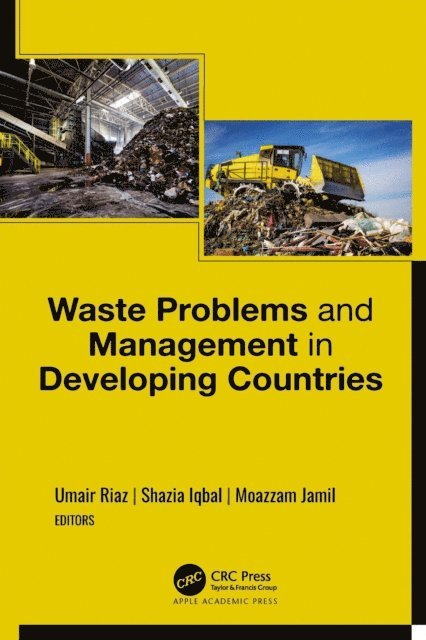
Waste Problems and Management in Developing Countries
Av Moazzam Jamil, Shazia Iqbal m. fl.
E-bok, 2023
2407 kr
Lägg i varukorg
This new volume offers effective solutions to the mismanagement of waste, particularly in developing countries, by providing an understanding of different types of wastes, their generation, and use of advanced technologies for waste management, and by focusing on integrating the technical and …
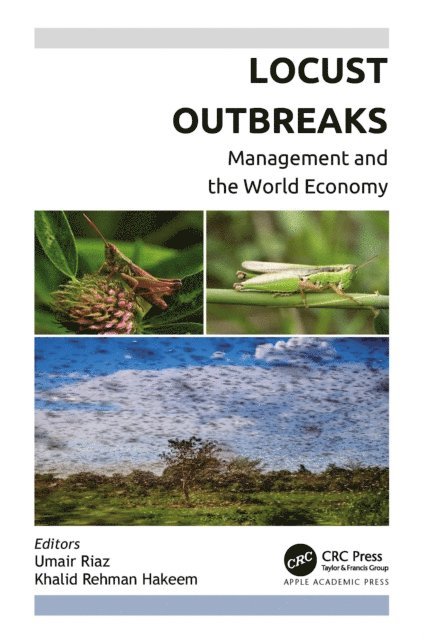
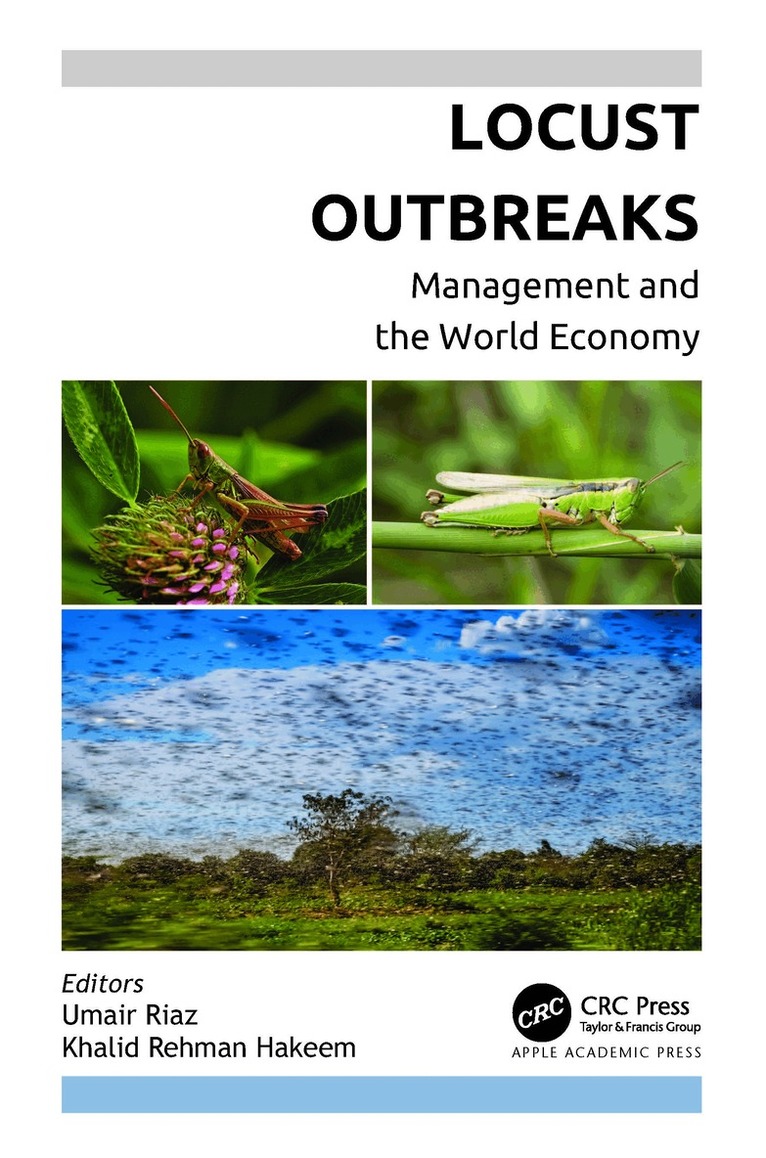
Locust Outbreaks
Management and the World Economy
Av Khalid Rehman Hakeem, Umair Riaz
E-bok, 2023
2407 kr
Lägg i varukorg
Here is a comprehensive resource on the devastating effect of locust outbreaks on crop production along with valuable coverage of traditional as well as new and emerging control and mitigation strategies. Begining with an introduction to and history of locust attacks, the volume describes the …
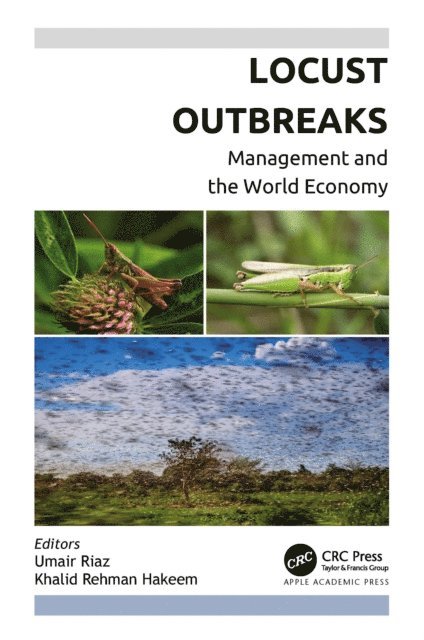
Locust Outbreaks
Management and the World Economy
Av Khalid Rehman Hakeem, Umair Riaz
E-bok, 2023
2407 kr
Lägg i varukorg
Here is a comprehensive resource on the devastating effect of locust outbreaks on crop production along with valuable coverage of traditional as well as new and emerging control and mitigation strategies. Begining with an introduction to and history of locust attacks, the volume describes the …
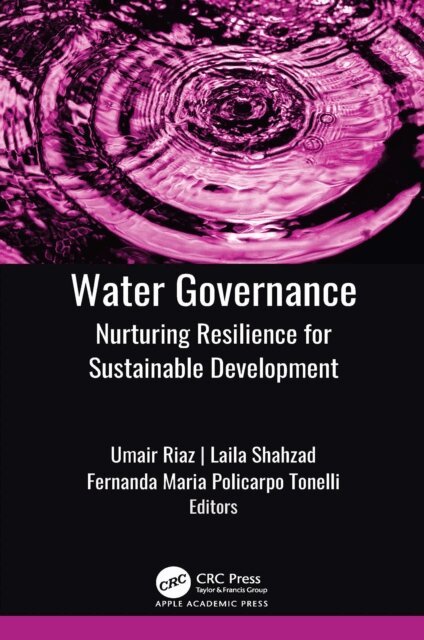
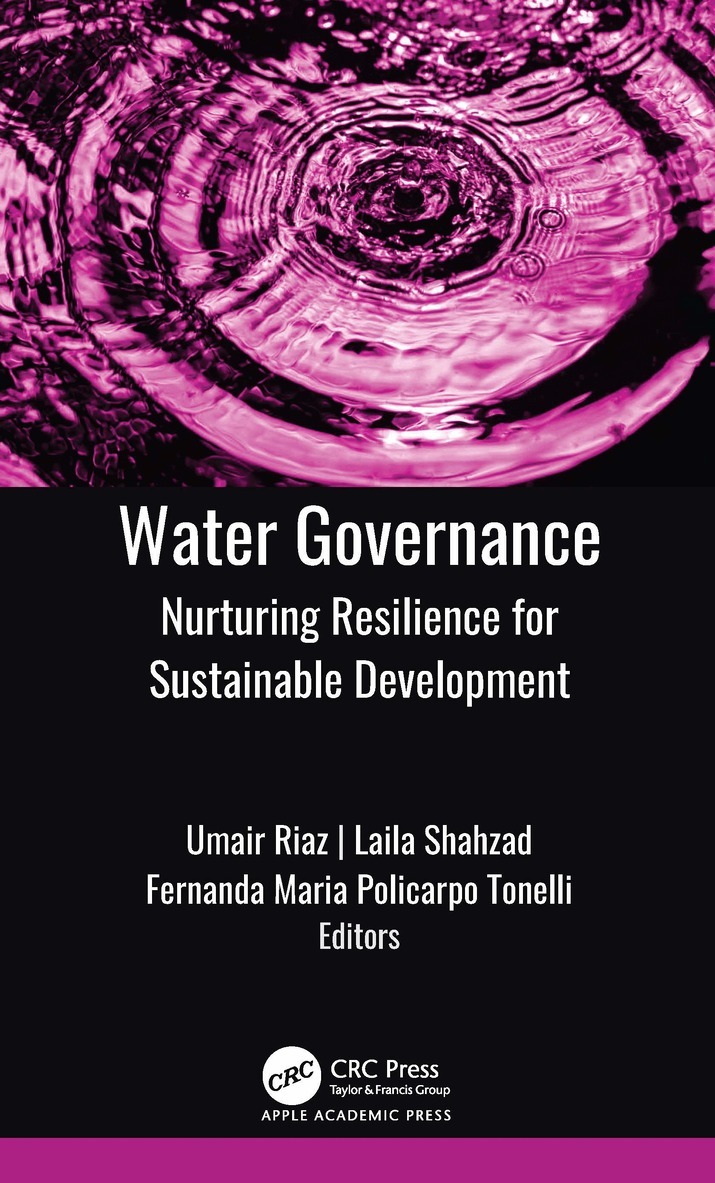
Water Governance
Nurturing Resilience for Sustainable Development
Av Fernanda Maria Policarpo Tonelli, Laila Shahzad m. fl.
E-bok, 2026
2880 kr
Lägg i varukorg
Less than 1% of the world's water is easily accessible and usable for humans, with the majority being saltwater or frozen fresh water. Global statistics show that around four billion people in the world are exposed to severe water scarcity, and the situation will worsen by 2030. This new book …
Water Governance
Nurturing Resilience for Sustainable Development
Av Fernanda Maria Policarpo Tonelli, Laila Shahzad m. fl.
E-bok, 2026
2880 kr
Lägg i varukorg
Less than 1% of the world's water is easily accessible and usable for humans, with the majority being saltwater or frozen fresh water. Global statistics show that around four billion people in the world are exposed to severe water scarcity, and the situation will worsen by 2030. This new book …
Waste Problems and Management in Developing Countries
Av Umair Riaz, Shazia Iqbal m. fl.
Inbunden, 2023
2032 kr
Lägg i varukorg
This new volume offers effective solutions to the mismanagement of waste, particularly in developing countries, by providing an understanding of different types of wastes, their generation, and use of advanced technologies for waste management, and by focusing on integrating the technical and …
Locust Outbreaks
Management and the World Economy
Av Umair Riaz, Khalid Rehman Hakeem
Inbunden, 2023
2032 kr
Lägg i varukorg
Here is a comprehensive resource on the devastating effect of locust outbreaks on crop production along with valuable coverage of traditional as well as new and emerging control and mitigation strategies. Begining with an introduction to and history of locust attacks, the volume describes the …
Water Governance
Nurturing Resilience for Sustainable Development
Av Umair Riaz, Laila Shahzad m. fl.
Inbunden, 2026
2484 kr
Lägg i varukorg
Less than 1% of the world’s water is easily accessible and usable for humans, with the majority being saltwater or frozen fresh water. Global statistics show that around four billion people in the world are exposed to severe water scarcity, and the situation will worsen by 2030. This new book …